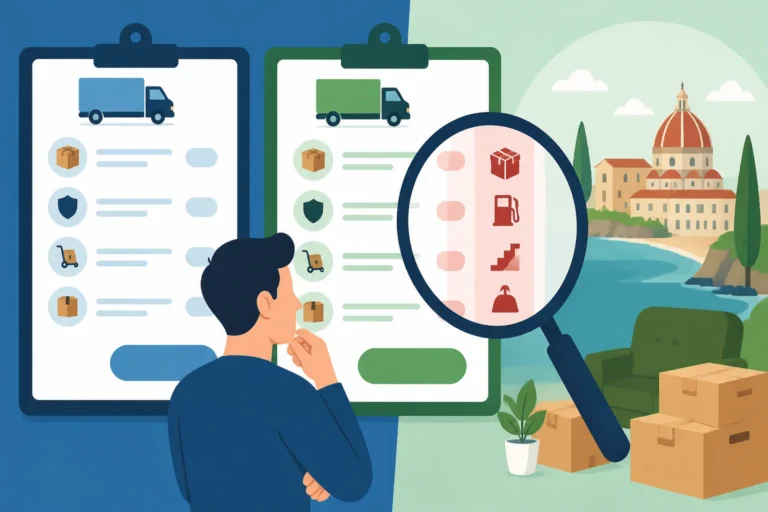
Moving to Italy from India: Shipping Routes and Common Delays
Moving from India to Italy can feel like an incredible adventure waiting to happen, but let's be real: the logistics of shipping your entire life across continents can quickly turn that excitement into a mountain of stress. The intricate dance of international shipping, with its specific routes, customs hurdles, and those inevitable, frustrating delays, is enough to make anyone's head spin. But fear not, fellow expat-to-be! This guide is here to demystify the process of moving your belongings from India to Italy, offering practical advice and showing you how a truly invaluable resource like Sirelo can make all the difference in navigating this complex journey.
Disclosure: This post may contain affiliate links. We may earn a commission at no extra cost to you if you make a purchase through these links. Read full disclosure.
Understanding the Shipping Landscape from India to Italy
Shipping your personal belongings from India to Italy isn't just about putting things in a box; it's about choosing the right mode of transport and understanding the journey your possessions will take. Each method has its own set of trade-offs, and knowing them upfront can save you a lot of grief and unexpected costs down the line.
Key Shipping Methods: Sea Freight vs. Air Freight
When it comes to moving your worldly possessions from the bustling streets of India to the charming piazzas of Italy, you essentially have two main options: sea freight or air freight. Each has distinct advantages and disadvantages that will significantly impact your budget, timeline, and overall moving experience.
Sea Freight: The Economical (But Slower) Choice
Sea freight is, without a doubt, the most common and cost-effective method for international removals, especially for larger shipments or when you're not in a desperate rush. Your belongings will be packed into large shipping containers, which are then loaded onto massive cargo ships. These containers can either be Full Container Load (FCL), meaning the entire container is dedicated to your goods, or Less than Container Load (LCL), where your shipment shares space with others. Choosing FCL offers more security and potentially faster transit times as there's no need for consolidation, but it's naturally more expensive. LCL is great for smaller volumes, but it might involve more handling and slightly longer transit due to goods being grouped and ungrouped at various hubs.
The journey via sea from India to Italy typically takes anywhere from 4 to 8 weeks, sometimes even longer, depending on the specific ports, shipping lines, and any unforeseen customs delays. For example, a container leaving Mumbai could take 25-35 days just to reach Genoa. This lengthy transit time is why meticulous planning is crucial. If you're moving a whole household, including furniture, appliances, and a lifetime's worth of books, sea freight is usually the sensible choice. Just remember to pack a separate "essentials" bag for your first few weeks in Italy, as your main shipment will be a while in coming!
Air Freight: Speed and Convenience (But at a Premium)
If speed is your absolute priority and budget isn't a major constraint, then air freight is your go-to option. This method involves transporting your goods on cargo planes, drastically cutting down transit times to typically 5-10 days. For those urgent items you simply can't live without for several weeks – perhaps essential work equipment, precious artwork, or a small collection of sentimental items – air freight offers peace of mind.
However, this convenience comes at a significant cost. Air freight charges are calculated based on weight and volume, and they can quickly add up, often making it prohibitively expensive for large household moves. It's usually reserved for smaller, high-value, or time-sensitive shipments. You'll need to work closely with your chosen moving company to carefully select what goes by air and what can wait for sea transport. Think of it as a strategic move: the bulk of your life sails, while a carefully curated "first-week survival kit" flies.
Main Shipping Routes and Ports
Understanding the journey your goods will undertake from India to Italy gives you a clearer picture of the logistics involved and can help you anticipate potential bottlenecks. The shipping routes are well-established, but regional differences in both India and Italy play a role.
Departure Ports in India
India has several major international ports that handle cargo shipments. The most prominent ones for international moves are:
- Jawaharlal Nehru Port Trust (JNPT), Mumbai: This is India's largest container port and a primary hub for west-bound cargo. Most shipments originating from Western and Southern India will likely depart from here.
- Chennai Port: Located on the Bay of Bengal, Chennai is a significant port for goods from Southern and Eastern India.
- Kolkata Port: Serving Eastern and Northeastern India, Kolkata also handles a substantial volume of international cargo.
Your choice of moving company will usually arrange for your goods to be transported to the nearest major port for consolidation and loading. The internal logistics within India can sometimes add a few days to the overall timeline, so factor that in when planning.
Arrival Ports in Italy
Italy, with its extensive coastline, boasts several key ports that receive international shipments. The main commercial ports relevant for household goods are:
- Genoa (Genova): As one of the largest ports in the Mediterranean, Genoa is a major gateway for goods arriving in Northern Italy. If you're settling in regions like Lombardy, Piedmont, or even parts of Tuscany, your shipment might arrive here.
- Livorno: Also on the west coast, Livorno is another crucial port, particularly for Tuscany and Central Italy.
- Naples (Napoli): This port serves Southern Italy and is a vital hub for regions like Campania, Calabria, and Sicily.
- Salerno: South of Naples, Salerno is increasingly important for container traffic serving the south.
Once your shipment arrives at an Italian port, it will undergo customs clearance before being transported by road or rail to your final destination in Italy. The proximity of your chosen Italian city to these ports can influence the final leg of the delivery, so it's always good to have a general idea of where your goods will first touch Italian soil.
Navigating the Bureaucracy: Documentation and Customs for Italy-Bound Shipments
Ah, bureaucracy! It's practically synonymous with moving to Italy, isn't it? And shipping your belongings is no exception. This is where many expats hit their first real wall of frustration, but with the right preparation, you can navigate these waters without capsizing. This stage is crucial, as any missing or incorrect document can lead to significant delays and unexpected costs.
Essential Documents for Customs Clearance
Italian customs officials are meticulous, and for good reason. They need to verify that what you're importing is indeed your personal property and not commercial goods, and that you're legitimately moving to the country. Being able to provide all required documents without a hitch is your golden ticket to a smooth clearance.
The "Must-Haves" in Your Document Arsenal:
- Comprehensive Packing List/Inventory: This isn't just a scribble on a napkin! You need a detailed, itemized list of everything in each box. Each box should be numbered, and its contents briefly described. This list must usually be in English and Italian, or professionally translated. Customs officials will often randomly check boxes against this list, so accuracy is paramount.
- Bill of Lading (for sea freight) or Airway Bill (for air freight): This is essentially the contract between you and the shipping company, detailing the origin, destination, and contents of your shipment. It's proof that your goods are legally being transported.
- Copy of Your Passport and Visa/Residence Permit: This is crucial proof of your identity and, more importantly, your legal right to reside in Italy. Without a valid long-stay visa or an Italian Residence Permit Permesso di Soggiorno Explained, customs will likely halt your shipment, assuming you're not actually moving residency.
- Codice Fiscale: Your Italian tax code. This alphanumeric code is absolutely essential for almost every administrative interaction in Italy, including customs clearance. If you haven't got one yet, make it a priority to understand How to Get a Codice Fiscale in Italy and Why You Need One.
- Dichiarazione di Residenza / Certificate of Residence: This document proves you are officially registered as a resident in Italy (or are in the process of becoming one). For non-EU citizens, it's tied to your Permesso di Soggiorno and registering with the Anagrafe at your local Comune. Proving you're a legitimate resident moving your belongings is key to avoiding import duties. See How to Register Residency at the Italian Anagrafe for more details.
- Declaration of Goods (Dichiarazione Sostitutiva di Atto Notorio): You'll need to sign a declaration stating that the goods are personal effects, have been owned and used by you for at least six months, are not intended for resale, and that you intend to establish your ordinary residence in Italy. This is vital for duty exemptions.
- Proof of Address in Italy: A rental contract (like a 4+4 or 3+2, as discussed in The Ultimate Guide to Renting and Buying a Home in Italy) or property deed is usually required to show where your goods will be delivered.
- Power of Attorney: You'll likely need to grant power of attorney to your shipping agent in Italy to handle customs clearance on your behalf. This is standard procedure.
Make sure to have multiple copies of all documents, both physical and digital. It's also a good idea to keep your moving company and their Italian counterparts in the loop about your visa and residency status, as this directly impacts the customs process. This is one of those times where over-preparation is genuinely better than under-preparation.
Italian Customs Regulations and Import Duties
Here's the good news: if you're moving your personal effects to Italy as part of establishing your normal residence, you are generally exempt from import duties and VAT. But, and this is a big "but," there are strict conditions.
Conditions for Duty and VAT Exemption for Personal Effects:
- Residency: You must be transferring your normal place of residence to Italy. This means you generally need to have a valid long-stay visa (if applicable) and be in the process of, or have already, applied for your Permesso di Soggiorno and Residenza.
- Ownership Period: The goods must have been owned and used by you for at least six months in your previous country (India, in this case). This prevents people from buying new items specifically to avoid Italian taxes.
- No Commercial Intent: The goods cannot be new, nor can they be intended for resale or commercial use. This is why customs will be looking closely at your packing list for multiple identical items or brand-new electronics still in their original packaging.
- No Transfer for 12 Months: Once your duty-free personal effects are in Italy, you generally cannot lend, rent, or sell them for 12 months following their import.
- One-Time Exemption: This exemption can typically only be claimed once.
What Happens If You Don't Meet the Conditions or Have "New" Items?
If some items in your shipment don't meet the "personal effects" criteria (e.g., brand-new appliances, gifts for others, items owned for less than six months), or if your residency status isn't fully established, those specific items may be subject to import duties and VAT.
- Import Duties: These are taxes levied on goods imported into the country. The rates vary widely depending on the type of item (its "tariff code").
- VAT (IVA – Imposta sul Valore Aggiunto): Italy's standard VAT rate is 22%, applied to the customs value of the goods (which usually includes the item's value plus shipping and insurance costs).
Your moving company's customs broker in Italy will be able to advise you on the specifics. It's crucial to be honest and transparent with your movers about your items and residency plans. Trying to skirt the rules often backfires, leading to fines, confiscation, or severe delays. Remember, the goal is to make your move as stress-free as possible, and that means respecting the rules, as frustrating as Navigating Italian Bureaucracy: Comune and Prefettura can often be.
Common Pitfalls and How to Avoid Shipping Delays to Italy
Anyone who has moved internationally will tell you that delays are almost an inevitable part of the process. While you can't control everything, understanding the most common reasons for hold-ups and taking proactive steps can significantly mitigate their impact. The journey from India to Italy is a long one, so let's prepare you for the bumps in the road.
Understanding Peak Seasons and Congestion
Just like highways, shipping lanes and ports have their peak seasons. Ignoring these can lead to frustrating and often costly delays for your personal effects.
When the Shipping Lanes Get Crowded:
- Summer Months (June-August): This is prime moving season for many across the globe, especially families with children who are trying to settle before the new school year starts. Shipping companies are stretched thin, and port capacities are often pushed to their limits.
- Major Holidays: Think about significant holidays in both India and Italy, as well as major international shipping holidays. For instance, Diwali in India or Christmas and Ferragosto (August 15th) in Italy can cause temporary closures or reduced staffing at ports, customs offices, and logistics companies. The period leading up to these holidays also sees a surge in shipping activity.
- Decreto Flussi periods: While not directly related to personal effects, periods around the Italian Decreto Flussi (which sets quotas for non-EU workers) can see an uptick in related administrative movements, subtly affecting general processing times due to overall system load for new arrivals.
How to Strategize Around Congestion:
If your timeline allows, try to schedule your shipment to arrive outside of these peak periods. For instance, aiming for spring (April-May) or early autumn (September-October) might offer smoother sailing. If you must move during peak season, build in extra buffer time. Don't plan to have your furniture arrive the day before you need to host a dinner party! Communicate closely with your moving company for their insights on current congestion and predicted transit times. They're usually well-versed in these seasonal ebbs and flows.
The Dreaded Paperwork Errors and How to Prevent Them
I can't stress this enough: paperwork is king when moving to Italy. A single typo or missing signature can halt your shipment faster than you can say "permesso di soggiorno." This is where the bureaucracy often bites hardest, causing weeks of delays while you scramble to rectify issues from afar.
Common Paperwork Pitfalls:
- Incomplete or Inaccurate Inventory: This is a big one. If your packing list isn't detailed, or if customs finds items that aren't on the list, it raises red flags. Vague descriptions like "misc. kitchen stuff" won't cut it. Each box needs a numbered list of contents.
- Expired or Missing Documents: Your visa, passport, or permesso di soggiorno must be valid. If your permesso application is in process, ensure you have the receipt (ricevuta) and clear documentation from your moving company on how to proceed.
- Mismatched Names/Addresses: Ensure all names and addresses across all documents (passport, visa, packing list, bill of lading, Italian address proof) are absolutely identical. Even minor discrepancies can cause issues.
- Incorrect Value Declaration: While personal effects are often duty-exempt, you still need to declare their value for insurance purposes. Don't undervalue or overvalue; be realistic.
- Lack of Italian Translation: While some documents might be accepted in English, having critical declarations, like your detailed inventory, professionally translated into Italian often speeds up the process and reduces questions.
Your Action Plan for Paperwork Perfection:
- Start Early: Begin gathering and organizing your documents weeks, if not months, before your move.
- Double-Check Everything: Have someone else, ideally your moving coordinator, review all your documents before submission. A fresh pair of eyes can catch errors you missed.
- Keep Digital Copies: Scan all documents and save them in a secure cloud folder. This is invaluable if originals are misplaced or if you need to quickly send a copy to customs from Italy.
- Communicate with Your Mover: Your chosen international moving company is your primary resource for understanding specific document requirements for the India-Italy route. Lean on their expertise.
Partnering with the Right Moving Company
Choosing the right international moving company is not just about getting the cheapest quote; it's about finding a partner who understands the complexities of shipping from India to Italy and can guide you through the maze of customs, documentation, and logistics. This is where I've seen countless expats, myself included, wish they had a reliable guide, and platforms like Sirelo truly shine.
Why the Right Mover Matters (and why Sirelo helps):
- Expertise in India-Italy Route: Not all international movers are created equal. You need a company with proven experience and a strong network for shipments originating in India and arriving in Italy. They should be familiar with the customs processes in both countries, the specific ports, and common issues that arise.
- Customs Brokerage: A good international mover will have, or work closely with, a customs broker in Italy. This local expert is invaluable for navigating the specific regulations, submitting documents correctly, and resolving any issues that arise during clearance. They speak the language, understand the nuances, and can often act quickly to prevent minor problems from becoming major delays.
- Transparent Communication: You want a company that keeps you informed every step of the way, from pickup in India to delivery in Italy. They should be proactive in letting you know about potential delays and what steps are being taken.
- Insurance Options: Accidents happen. A reputable mover will offer comprehensive transit insurance to protect your belongings against loss or damage.
How Sirelo Becomes Your Hero:
This is precisely where Sirelo comes into its own. Sirelo isn't just a directory; it's a comparison tool that connects you with reputable international moving companies who specialize in routes like India to Italy. Instead of sifting through endless Google searches and cold-calling, by using a service like Sirelo, you're tapping into a network of vetted professionals.
Here's how it helps you avoid pitfalls:
- Verified Movers: Sirelo works with moving companies that have a track record of reliability and expertise. This significantly reduces your risk of encountering a less-than-professional service that could lead to more delays and stress.
- Multiple Quotes, Easy Comparison: You can quickly get quotes from several movers specializing in your route. This allows you to compare not just prices, but also services offered, insurance coverage, and estimated timelines.
- User Reviews: Other expats' experiences are invaluable. Sirelo provides a platform for reviews, giving you real-world insights into a company's performance, communication, and ability to handle unexpected issues.
- Guidance and Resources: Sirelo often provides helpful resources and guides on international moving, which can further empower you with information about what to expect and what questions to ask.
Don't just pick the first company you find; invest time in choosing a mover through a platform like Sirelo. This one decision can truly make or break your shipping experience, turning a potential nightmare into a manageable, well-supported journey. Ready to start getting quotes and make your move from India to Italy as smooth as possible? Head over to Sirelo to compare trusted movers today!
Post-Arrival Logistics: Receiving Your Shipment in Italy
So, your precious belongings have finally arrived on Italian soil! Felicissimo! But the journey isn't quite over yet. There are still a few crucial steps before you can unpack that favorite coffee mug and truly feel settled. This final leg involves careful coordination and understanding the local delivery process.
Customs Clearance and Delivery at the Italian Port/Airport
Once your shipment arrives at an Italian port like Genoa or Livorno, it enters the final phase before reaching your new home. This stage is primarily managed by the Italian counterpart of your international moving company, often through their designated customs broker.
The Local Customs Dance:
- Notification of Arrival: Your moving company's Italian agent will notify you (or your primary international mover will notify you) that your shipment has arrived and is ready for customs processing. This is where all those documents you meticulously prepared come into play.
- Customs Inspection (if required): While many shipments pass through without a physical inspection, Italian customs reserves the right to open and inspect any container. If this happens, it can add a few extra days to the process. Your customs broker will be on hand to facilitate this.
- Payment of Port Charges/Duties: If there are any outstanding port charges, terminal handling fees, or if any items in your shipment were deemed dutiable (as discussed in Understanding Italy's Tax System A Guide for Foreigners), these will need to be paid before the goods can be released. Your agent will provide you with a breakdown of these costs.
- Release from Customs: Once all documents are approved and any necessary fees are paid, your shipment is officially released from customs. This is a moment of relief!
The Final Delivery to Your Door:
After customs clearance, your moving company's Italian agent will arrange for the inland transport of your goods to your Italian residence. This could be by truck. They will contact you to schedule a delivery date and time that works for you. Be prepared for:
- Accessibility: Ensure your new home is accessible for the delivery truck. Italian streets, especially in older towns or city centers, can be narrow. Discuss any potential access issues (e.g., small streets, no parking, multiple flights of stairs) with your mover beforehand.
- Unloading Services: Confirm what level of service you've paid for. Does it include unloading, carrying boxes into your home, and even unpacking and debris removal? Many expats opt for "white glove" service for this final leg to minimize stress after a long journey.
Unpacking and Settling In: What to Expect
The moment of truth! Your boxes are finally in your new Italian home. Now comes the often-overlooked emotional and practical task of unpacking and truly settling in.
The Unpacking Process:
- Initial Inspection: Before the delivery team leaves, quickly inspect your boxes for any obvious signs of damage or tampering. If you spot anything, document it immediately and note it on the delivery receipt. This is critical for any potential insurance claims.
- Prioritize Essentials: Remember that "essentials" box you hopefully packed and either air-freighted or brought with you? Now is the time to open it. Focus on setting up your bedroom, bathroom, and kitchen basics first.
- The Marathon, Not a Sprint: Unpacking an entire household can feel overwhelming. Don't try to do it all in a day. Give yourself grace and tackle it room by room, or even box by box. Italy encourages a slower pace of life, and this is a good opportunity to embrace it.
- Local Resources: You might find you need to replace some items that didn't make the cut or pick up new Italian essentials. Explore local supermarkets and ferramenta (hardware stores) for household items.
Emotional Side of Settling In:
Beyond the boxes, there's the emotional aspect of making a new place feel like home. It takes time, patience, and a good dose of dolce far niente (the sweetness of doing nothing). Don't expect to feel completely settled overnight. There will be moments of frustration (like trying to figure out the local recycling rules or connecting with new people), but also immense joy as you discover your new neighborhood, local pasticceria, and favorite coffee bar.
Connecting with other expats can be incredibly helpful for sharing experiences and getting local tips. There are many online forums and local groups in Italian cities dedicated to helping foreigners adapt. Remember, you're not alone in this journey. For more general advice on adjusting to life, you might want to check out Settling In Italy Daily Life Tips for Expats. The initial weeks and months will be a whirlwind of administrative tasks, from sorting out your utilities to getting used to a new language and culture, but each step brings you closer to calling Italy truly home.
| Feature | Sea Freight (LCL/FCL) | Air Freight |
|---|---|---|
| Cost | Most economical for large volumes | Expensive, especially for heavy/bulky items |
| Speed | Slow (4-8+ weeks from India to Italy) | Fast (5-10 days from India to Italy) |
| Capacity | High (suitable for full households, furniture) | Low (best for small, essential, or valuable items) |
| Suitability | Non-urgent, large volume, heavy items | Urgent, high-value, fragile, or time-sensitive items |
| Environmental | Lower carbon footprint per item | Higher carbon footprint per item |
| Common Delays | Port congestion, customs, adverse weather, vessel schedules | Customs, flight cancellations, security checks |
| Tracking | Less detailed, milestone-based | More detailed, often real-time |
| Packing Needs | Robust packing for long transit | Secure, often lighter packing for air cargo |
Disclaimer
The information provided in this guide is intended for general informational purposes only and does not constitute legal, financial, or immigration advice. While we strive to keep the information accurate and up-to-date, regulations and procedures can change rapidly in Italy. It is always recommended to consult with professional international movers, customs brokers, immigration lawyers, or relevant Italian authorities for advice specific to your individual situation.