Your First Two Weeks in Italy: Paying for Things Before You Have a Local Account
Arriving in Italy is a whirlwind of emotions, but amidst the excitement of new sights and sounds, a very real and immediate problem often surfaces: how on earth do you pay for things when your local Italian bank account is still a distant dream? This comprehensive guide is here to walk you through the nitty-gritty of managing your finances during those crucial first two weeks, offering practical advice and highlighting savvy solutions like Wise that can be an absolute lifesaver.
Disclosure: This post may contain affiliate links. We may earn a commission at no extra cost to you if you make a purchase through these links. Read full disclosure.
The Initial Financial Scramble: What You're Up Against
When you first land in Italy, whether it's Rome, Milan, or a charming smaller town, you're immediately hit with a list of expenses. From that first espresso to a deposit on your rental apartment, or even just picking up groceries, money needs to change hands. The catch? You're operating in a brand-new financial ecosystem, and your home country's banking setup isn't always cut out for it. This isn't just about finding an ATM; it's about navigating an entirely different approach to payments and budgeting.
The Bureaucratic Bottleneck: Why It Takes Time
Let's be honest, Italian bureaucracy is a beast of its own, and opening a bank account is no exception. It's not like back home where you might be able to set up an account online in minutes. Here, you'll likely need your codice fiscale (Italian tax code), proof of address, sometimes even a permesso di soggiorno (residence permit), and then an in-person appointment. This process, even when streamlined, can take days, if not weeks, which leaves you in a tricky limbo. You're physically here, ready to live, but financially, you're still tethered to your old life, often incurring extra costs.
The frustrating reality is that while you're busy collecting documents, waiting for appointments at the Questura or Comune, and generally feeling like you're playing a real-life game of Chutes and Ladders, life goes on. Rent is due, groceries are a must, and that delightful gelato isn't going to pay for itself. Understanding this inherent delay is the first step to mitigating the stress, because it helps you prepare mentally for needing interim financial solutions.
Immediate Needs: What You'll Be Paying For
Think about your first two weeks. You're not just going to be sightseeing. You'll have very practical expenses that require immediate payment. This could include initial accommodation, whether it's an Airbnb, a hotel, or a short-term rental deposit. Then there's daily food, public transportation tickets (or fuel if you've already rented a car), a local SIM card, and perhaps even some essential household items. For those who are diving straight into finding a long-term home, you might be paying application fees, agent fees, or even an initial month's rent and security deposit.
These early expenses can quickly add up, and the last thing you want is to be caught off guard by an unexpected payment method issue or exorbitant fees. Having a clear picture of these initial financial demands helps you plan your strategy for surviving those first fourteen days with grace, or at least with minimal financial heartache.
Cash is King (But Not Always Convenient)
Ah, contanti! Cash is undeniably still prevalent in Italy, particularly in smaller towns, local markets, and for those charming little trattorias that haven't quite embraced card machines. You'll often find yourself in situations where a cash payment is preferred, or even the only option, especially for minor transactions. It’s a good habit to always have some euros on hand, but relying solely on cash presents its own set of challenges, particularly when you first arrive.
ATM Withdrawals: Fees and Exchange Rates
Your immediate thought might be to just hit the ATM (or Bancomat as they're called here) with your home country's debit card. While this is certainly an option, it's crucial to understand the costs involved. Many international banks charge foreign transaction fees, which can be a percentage of the amount withdrawn, plus a flat fee per transaction. On top of that, the Italian bank operating the ATM might also levy its own fee. These "double-whammy" charges can quickly erode your travel budget, turning every withdrawal into a costly affair.
Moreover, pay close attention to the exchange rate offered. When prompted at an ATM whether to accept the conversion rate provided by the ATM's bank or your own bank, always choose your own bank. This is a common trick known as Dynamic Currency Conversion (DCC), where the ATM offers to convert the transaction into your home currency at a less favorable rate, pocketing the difference. It's an easy way to lose money without even realizing it.
Carrying Cash: Practicalities and Security Concerns
While cash is useful, carrying large sums of it is always a security risk. Italy, like any other popular tourist destination, has its share of petty crime, especially pickpocketing in crowded areas like major train stations, popular landmarks, or bustling markets. You don't want to be in a situation where your carefully budgeted cash disappears in an instant.
It's wise to limit the amount of cash you carry at any given time. Perhaps enough for a day or two's worth of small expenses, but nothing more. For larger payments, like a significant rental deposit, relying on cash is not only unsafe but also impractical. Finding a good balance between having enough cash for daily needs and not carrying so much that you become a target is a fine art that you'll quickly master as an expat in Italy.
Digital Solutions: Your Lifeline Before a Local Account
This is where planning ahead truly pays off. In the age of digital banking, you don't have to be completely at the mercy of traditional bank fees and snail-paced processes. Services like Wise have revolutionized how expats manage their money internationally, making it incredibly simple to handle payments and transfers even before you have an Italian bank account firmly in place.
The Power of Multi-Currency Accounts
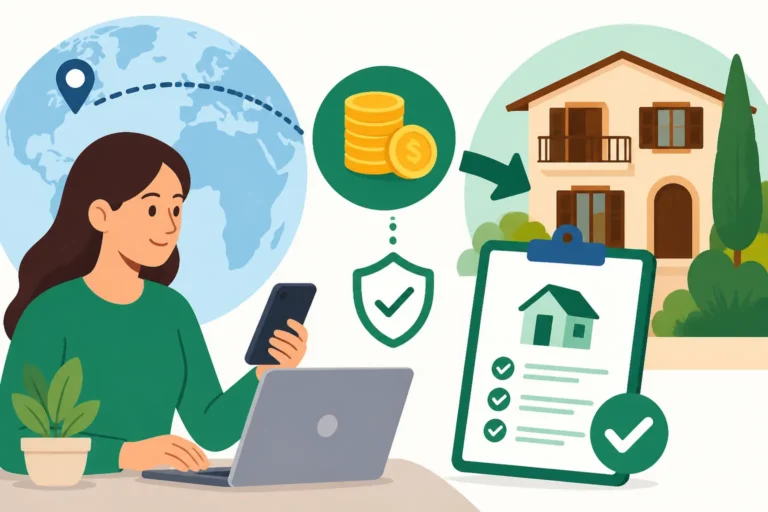
Imagine having an account that allows you to hold, send, and receive money in multiple currencies, including euros, without being subject to punitive exchange rates or hidden fees. That's exactly what a multi-currency account, like the one offered by Wise, provides. Before you even set foot in Italy, you can set up a Wise account, transfer funds from your home bank account, and convert them to euros at the real mid-market exchange rate. This means you're not losing money on unfavorable rates when your money finally arrives in Italy.
The beauty of this is that it acts as your temporary financial hub. You can literally fund your life in Italy using euros that you've converted at a transparent and fair rate. It takes away the guesswork and the anxiety of wondering how much that €50 withdrawal actually cost you in your home currency. This foresight can save you a substantial amount of money during those initial weeks.
Using Debit Cards for Seamless Transactions
Once your Wise account is funded with euros, you can use your associated Wise debit card just like a local card. This is a game-changer. Most shops, restaurants, and services in Italy that accept card payments will take your Wise card without a hitch. You're essentially paying in euros directly from your euro balance, so there are no foreign transaction fees or nasty surprises. It makes daily transactions feel smooth and local, sidestepping the common issues associated with traditional international credit or debit cards.
Whether you're buying groceries at a local supermercato like Esselunga or Conad, paying for a train ticket at a Trenitalia machine, or settling the bill at a pizzeria, your Wise card functions seamlessly. It gives you the convenience and security of card payments without the financial penalties, making it an invaluable tool for your initial weeks as you navigate how to open a bank account in Italy.
Sending Money to Yourself
One of the most practical applications of a service like Wise during your initial setup phase is the ability to send money to yourself. Perhaps you need to transfer a larger sum for a rental deposit or a significant purchase. You can initiate a transfer from your home bank account to your Wise euro account, convert it, and then use your Wise debit card or even send it to a temporary Italian account (if you've managed to open a basic one quickly, like at Poste Italiane, before a full current account). The process is fast, transparent, and significantly cheaper than traditional bank wires.
This flexibility is crucial when dealing with varying payment requirements. Landlords, for example, might prefer a bank transfer for a deposit, and having a reliable, low-cost way to move substantial amounts of money into euros and then to a recipient in Italy is incredibly reassuring. It's a proactive step that truly empowers you to manage your finances effectively from day one. For further understanding of such services, consider reading about Money Transfer Services: Sending Money to Italy.
Credit and Debit Cards: International Fees and Acceptance
While services like Wise are highly recommended, you'll still likely carry your traditional credit and debit cards from back home. They can be a good backup, but it's vital to understand their limitations and potential costs in Italy. Relying on them exclusively can lead to unexpected expenses.
The Hidden Costs of Foreign Transaction Fees
Most credit and debit cards issued outside the Eurozone come with foreign transaction fees. These usually range from 1% to 3% of the transaction amount. While 2% might not sound like much on a single €10 purchase, imagine applying that to every single thing you buy for two weeks, including large expenses like rent or furniture. Those percentages quickly accumulate, quietly draining your budget.
Before you travel, it's a smart move to call your bank or credit card provider to ask about their specific foreign transaction fees. Some premium travel cards might waive these fees, but many standard cards do not. Knowing these costs upfront allows you to make informed decisions about when and where to use which card, making your Wise card an even more attractive primary option for daily spending.
DCC: A Tourist Trap to Avoid
We touched on this with ATMs, but Dynamic Currency Conversion (DCC) also appears when you're paying with your card at points of sale. When a merchant asks if you want to pay in euros or your home currency, always choose to pay in euros. If you opt for your home currency, the merchant or their payment processor will apply their own, often unfavorable, exchange rate. You might feel more comfortable seeing the price in your familiar currency, but it's almost always a bad deal.
This practice is widespread, particularly in tourist-heavy areas or at hotels. A simple "In Euro, per favore" can save you a surprising amount of money over your initial weeks. Being vigilant about DCC is one of those small but significant ways to keep more of your hard-earned cash in your pocket.
Card Acceptance: When Plastic Won't Cut It
While card payments are common in larger establishments, major cities, and modern stores, you'll quickly discover that Italy still has a strong preference for cash in many situations. Smaller cafes, family-run panetterie (bakeries), market stalls, and even some local restaurants might have a "cash only" policy, or a minimum spend requirement for card payments (e.g., pagamento solo con carta sopra i €10).
It's also not uncommon for card machines to mysteriously "not be working" at opportune moments, especially if the proprietor prefers to avoid transaction fees. Therefore, always having a modest amount of cash on hand is a necessity, even if your primary method of payment is a reliable digital solution like your Wise debit card. Don't be caught hungry because you only have plastic and the charming little trattoria only takes contanti!
Navigating Daily Expenses: From Groceries to Transport
The core of your first two weeks will revolve around getting settled and managing everyday life. This means a lot of small, frequent transactions, which makes your payment strategy even more critical. Having a plan for these common expenses can alleviate a lot of stress.
Grocery Shopping and Markets
Grocery shopping will be one of your most frequent activities. Large supermarkets like Coop, Esselunga, Carrefour, or Conad widely accept card payments, including your Wise card. This is generally a straightforward experience. However, when you venture into local markets (like mercati rionali), it's a different story. These vibrant hubs for fresh produce, cheeses, and meats often operate on a cash-only basis.
Imagine picking out the most beautiful heirloom tomatoes and a wedge of amazing pecorino, only to realize you don't have enough cash. It's a common scenario for newcomers. Always ensure you have enough euros when heading to a market. Learning about Eating Healthy: Organic and Whole Foods in Italy can also guide your shopping choices in these settings.
Public Transport and Taxis
Getting around is another immediate need. In major cities like Rome or Milan, public transport (buses, trams, metro) typically requires tickets bought from tabaccai (tobacco shops), newsstands, or vending machines at metro stations. While some vending machines accept cards, many tabaccai might prefer cash for small ticket purchases, or their card machines simply don't work for small amounts. Having exact change or small euro bills is incredibly useful.
Taxis are a bit more varied. While many officially registered taxis now have card machines, it's not uncommon for them to "not be working." Always confirm with the driver before you start your journey if you intend to pay by card. For ride-sharing services, their apps usually handle payment automatically through your linked card, which is often a seamless option. For more details on getting around, refer to Public Transportation in Italian Cities: A Guide.
Emergency Funds and Unexpected Costs
No matter how well you plan, unexpected costs will arise. A lost item, a sudden need for a specific administrative document that costs a few euros, or even just misjudging the price of something can throw a wrench in your budget. Having an easily accessible emergency fund, ideally in euros within your Wise account, provides a crucial safety net.
This fund isn't just for emergencies; it's for peace of mind. Knowing that you have readily available funds that aren't subject to unpredictable foreign transaction fees can make a huge difference in managing the inevitable stresses of settling into a new country. It’s an investment in your mental well-being as much as it is a financial buffer.
Comparing Payment Methods for Your First Two Weeks
To help you visualize your options, here's a quick comparison of popular payment methods during your initial weeks in Italy:
| Payment Method | Pros | Cons | Best Use Cases |
|---|---|---|---|
| Cash (Euros) | Universally accepted, preferred by small merchants | Security risk if carrying large amounts, easy to overspend | Markets, small cafes, tabaccai, rural areas, when card machines "fail" |
| International Credit/Debit Card | Widely accepted in larger establishments, convenience | High foreign transaction fees, unfavorable DCC rates, less accepted in small shops | Major retailers, hotels, rental cars (for security deposits) |
| Wise Multi-Currency Account + Debit Card | Low/transparent exchange rates, no foreign transaction fees, seamless euro payments | Requires pre-funding, not cash, relies on card acceptance | Daily spending, online purchases, large expenses in euros, ATM withdrawals (with low fees) |
| Traditional Bank Wire | Secure for large transfers | Slow, high fees for international transfers, not for daily use | Sending large sums to an Italian bank account once established |
Setting Up Your Italian Financial Life: The Next Steps
Your first two weeks are just the beginning. The goal during this period is to lay the groundwork for your long-term financial stability in Italy. While your Wise account serves as an excellent temporary bridge, integrating into the local financial system is essential for truly settling in.
Getting Your Codice Fiscale: The First Essential Step
The single most important piece of identification for nearly all administrative and financial tasks in Italy is your codice fiscale, or Italian tax code. You literally cannot do anything official without it – open a bank account, sign a rental contract, register for public healthcare, get a phone contract, or even pick up a package sometimes. It’s the key that unlocks virtually every door in Italy, including your financial ones.
Obtaining it is usually one of the first things you'll do, often at the local Agenzia delle Entrate (Italian Revenue Agency) office. It's a relatively straightforward process compared to other bureaucratic hurdles, but it's absolutely non-negotiable. Don't put it off! We have a detailed guide on How to Get a Codice Fiscale in Italy (and Why You Need One) that you should definitely check out.
Opening an Italian Bank Account: What Comes Next
Once you have your codice fiscale and ideally your residenza (official residency), opening a local Italian bank account becomes your next big financial goal. This is crucial for receiving salaries, paying utility bills, setting up direct debits for rent, and generally integrating into the Italian way of life. While the process can be slow and sometimes frustrating, it's a necessary step.
Different banks have different requirements and offer varying services, so it's worth doing your homework. Major banks like UniCredit, Intesa Sanpaolo, and Poste Italiane (which also acts as a bank) are popular choices. Don't hesitate to ask about English-speaking staff or materials, as this can make the experience much smoother. For a deeper dive, read our guide on How to Open a Bank Account in Italy. You might also find Best Bank Accounts for Expats in Italy: Fees and Benefits helpful in making your choice.
Long-Term Financial Strategy with Wise
Even after you've successfully opened an Italian bank account, Wise doesn't become obsolete. Many expats continue to use Wise for various financial needs. It remains an excellent tool for sending money home to family, receiving payments from international clients, or simply managing different currency balances for travel outside the Eurozone. Its transparent fees and real exchange rates often outperform traditional banks for international transfers.
It can be a powerful complement to your Italian bank account, providing flexibility and cost savings that traditional banking institutions might not offer. Think of it as your international financial hub, working in tandem with your local Italian accounts to give you comprehensive control over your money, no matter where it needs to go. Understanding Italy's broader financial landscape, including Cost of Living in Italy 2026: Budgeting for Expats, will further inform your strategy.
Transitioning to life in Italy involves many changes, but with careful planning and the right tools like Wise, managing your finances during those critical first two weeks can be a smooth, rather than a stressful, experience. In bocca al lupo!
Disclaimer
The information provided in this guide is intended for general informational purposes only and does not constitute financial, legal, or immigration advice. While we strive to keep the content up-to-date and accurate, regulations and procedures in Italy can change frequently. Always consult with a qualified professional or the relevant Italian authorities for advice tailored to your specific situation. We cannot be held responsible for any loss or inconvenience that may arise from reliance on the information contained in this article.