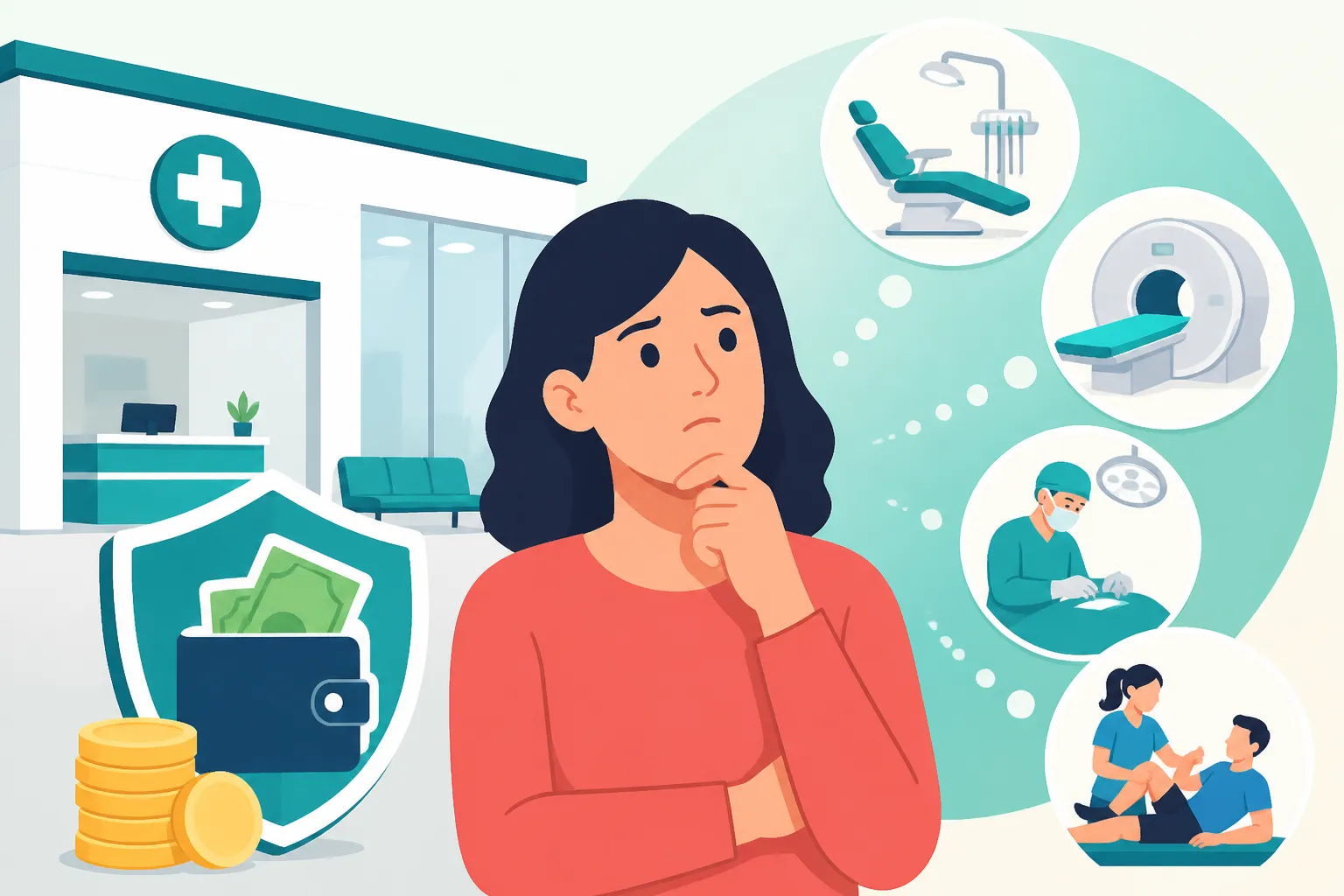
Italian Private Clinic Prices Without Insurance: Real Bills for Common Treatments
The thought of needing medical attention in Italy without a solid understanding of the costs can be incredibly daunting, often leading to anxiety even before you've seen a doctor. Many expats and tourists find themselves in a bind, unsure if they should brave the public system or pay out-of-pocket for private care. This guide is here to shed some light on the true costs of private clinics in Italy for common treatments, helping you prepare for what can be an expensive but sometimes necessary path, and showing how a reliable international health insurance like SafetyWing can be your ultimate financial safeguard.
Disclosure: This post may contain affiliate links. We may earn a commission at no extra cost to you if you make a purchase through these links. Read full disclosure.
Why Private Clinics, Even Without Insurance, Appeal to Expats in Italy
Living in Italy is a dream for many, but when it comes to healthcare, the reality can sometimes feel like a bureaucratic labyrinth. While the national healthcare system (SSN) is excellent and largely free for registered residents, accessing it can come with its own set of challenges. This is where private clinics step in, offering an alternative that, despite the cost, often feels like a godsend to those navigating a new country.
The Allure of Speed and English-Speaking Staff
Let's be honest, one of the biggest frustrations for us expats when dealing with the public healthcare system is the wait. Need to see a specialist like a dermatologist or an orthopedist? You might be looking at months, even in larger cities. This isn't just an inconvenience; it can be genuinely distressing, especially when you're in pain or worried about a developing condition. Private clinics, on the other hand, often offer appointments within days, sometimes even the same day. The ability to book a consultation quickly, without the endless phone calls or navigating complex regional booking systems like the CUP, is a huge draw.
Beyond speed, the language barrier is a constant hurdle for many non-Italian speakers. While doctors in public hospitals might speak some English, it's never guaranteed, and clear communication is paramount when discussing your health. In private clinics, particularly those catering to an international clientele in cities like Rome or Milan, you're much more likely to find English-speaking doctors and support staff. This simple fact can make all the difference, transforming a stressful medical encounter into a manageable one where you feel heard and understood. It removes the need to bring a translator or rely on a dictionary mid-symptom description, which, believe me, is a blessing.
Understanding the Quality of Care and Specializations
The perception, and often the reality, is that private clinics offer a more personalized and streamlined experience. You're typically not rushed, the facilities can be more modern and comfortable, and appointments tend to run on time. For many, this enhanced level of service justifies the higher cost. Moreover, private clinics often boast access to highly specialized doctors who might have shorter waiting lists or offer cutting-edge treatments that are harder to come by in the public system, or at least without significant delays. If you're looking for a specific expert or a second opinion quickly, private care is often the most direct route.
This isn't to say public healthcare in Italy is subpar – far from it. It's renowned for its high quality and comprehensive coverage for those who can access it. However, the private route offers convenience and immediate access to specialized care that many expats, especially those on shorter stays or without full SSN registration, prioritize. For those considering their options, a thorough understanding of the differences between public and private healthcare in Italy is crucial, as is knowing how to find doctors and hospitals in Italy.
Decoding Real Private Clinic Prices for Common Treatments
Alright, let's get down to brass tacks: what kind of dent will private medical care leave in your wallet if you're paying out-of-pocket? It's a question I hear all the time, and the answer, unfortunately, is "it depends." Prices vary significantly based on the city, the clinic's reputation, the doctor's experience, and the complexity of the treatment. However, I can give you some realistic ranges to help you budget and understand the potential costs.
General Consultations and Diagnostics
This is where most people start, whether it's for a persistent cough or a routine check-up. The prices here can come as a surprise to those accustomed to different healthcare models.
- General Practitioner (GP) Visit: For a basic check-up or consultation with a private general practitioner, you can expect to pay anywhere from €80 to €150. This often covers a standard consultation, a physical examination, and potentially a prescription. While it might seem steep for a brief visit, remember you're paying for immediate access and often an English-speaking doctor. If you're registered with the SSN, registering with an Italian family doctor (Medico di Base) for free consultations is the norm, but that's not always an option for everyone right away.
- Specialist Consultation: This is where costs really start to climb. Seeing a private specialist – be it a dermatologist for a skin issue, a gynecologist for women's health, an orthopedist for a joint problem, or a cardiologist – typically ranges from €120 to €250, sometimes even more for highly sought-after experts or initial lengthy consultations. Follow-up visits might be slightly less but are still substantial.
- Blood Tests and Basic Imaging: If your doctor orders blood work, the cost will depend on the panel of tests. A basic blood panel might cost €50-€150, excluding the collection fee, which can be an additional €10-€20. For imaging services:
- X-ray (Radiografia): Expect to pay €70-€150 for a single area.
- Ultrasound (Ecografia): These generally run higher, from €100 to €200, depending on the body part being scanned.
- MRI (Risonanza Magnetica) or CT Scan (TAC): These are considerably more expensive, easily ranging from €250 to €600 or even €800+ out-of-pocket. Without insurance, these can represent a significant financial burden.
Imagine you wake up with an excruciating pain in your knee. You want to see an orthopedist quickly. That's easily €150-€200 for the first visit. Then they recommend an X-ray (€100) and maybe an MRI (€400). Suddenly, you're looking at €650-€700 before any treatment even begins. This is exactly why international health insurance for Italy is not just a good idea, but essential for peace of mind.
Dental and Eye Care Costs
Dental and eye care in Italy are almost entirely private, even for those registered with the SSN, who often only get limited coverage for emergencies or specific conditions. This means these costs are relevant to nearly everyone.
- Dental Care:
- Routine Cleaning (Igiene Dentale): A professional cleaning will typically cost €80 to €150.
- Fillings (Otturazione): For a single filling, you're looking at €100 to €250, depending on the material and complexity.
- Root Canal (Devitalizzazione): This procedure can be quite expensive, ranging from €300 to €800 per tooth.
- Extractions (Estrazione): A simple extraction might be €100-€250, while more complex surgical extractions can be much higher.
- Crowns (Corona) or Implants (Impianto Dentale): These are major investments, easily running into €800-€2000+ per tooth.
- It's worth exploring the specific costs and insurance coverage for dental care in Italy, as these can truly add up.
- Eye Care:
- Eye Exam (Visita Oculistica): A visit to an ophthalmologist (oculista) for a comprehensive eye exam usually costs €60 to €120. This is distinct from an optometrist (ottico), who would typically perform vision tests when you're buying eyeglasses or contacts.
- Eyeglasses or Contacts: The cost of frames and lenses varies wildly, but expect similar prices to other Western countries. If you need new glasses or contacts, an eye exam plus the actual eyewear can quickly become a multi-hundred euro expense.
- For those needing regular eye care, understanding eye care in Italy: Optometrists and Ophthalmologists can help navigate the system.
Minor Procedures and Specialist Interventions
Beyond consultations, some common minor procedures or ongoing therapies also come with significant price tags.
- Minor Dermatological Procedures: Removing a mole or wart can cost €150-€300, often in addition to the initial consultation fee.
- Physiotherapy Sessions: If you injure yourself and need rehabilitation, a single physiotherapy session can be €50-€100. Often, a course of 10 sessions is recommended, meaning a potential out-of-pocket cost of €500-€1000.
- Psychotherapy/Mental Health: Private therapy sessions with a psychologist or psychiatrist can range from €70 to €150+ per session. These are rarely covered by the public system unless specifically referred through a long process via the CSM (Centro di Salute Mentale), making private care the primary option for many expats seeking mental health support in Italy.
Here's a quick summary table of approximate private clinic prices:
| Treatment/Service | Approximate Out-of-Pocket Cost (EUR) | Notes |
|---|---|---|
| General Practitioner (GP) Visit | €80 – €150 | Quick access, often English-speaking. |
| Specialist Visit (e.g., Dermatologist, Gynecologist) | €120 – €250 | Varies by specialist, reputation, and city. |
| Basic Blood Tests | €50 – €150 | Price depends on the panel; additional collection fee may apply. |
| X-ray | €70 – €150 | For a single area; more complex imaging like MRI/CT scans are significantly higher. |
| Ultrasound | €100 – €200 | Varies by body part and complexity. |
| Dental Cleaning | €80 – €150 | Most dental care is private in Italy. |
| Dental Filling | €100 – €250 | Depends on material and tooth. |
| Eye Exam (Ophthalmologist) | €60 – €120 | For comprehensive check-up, excluding eyewear. |
| Physiotherapy (per session) | €50 – €100 | Often requires multiple sessions. |
| Psychotherapy (per session) | €70 – €150 | Mental health services are largely private for immediate access. |
These figures are crucial for understanding the financial impact of needing private medical care in Italy. It highlights how quickly costs can accumulate, making robust health insurance not just a convenience, but a financial necessity.
The Imperative of International Health Insurance: Your Safety Net (SafetyWing)
When you look at those price tags, it becomes abundantly clear that relying solely on out-of-pocket payments for private healthcare in Italy is a high-stakes gamble. Even if you're healthy as a horse now, life has a funny way of throwing curveballs. That's why having comprehensive international health insurance is not just a suggestion; it’s a non-negotiable part of a responsible expat or long-term traveler's plan.
Why Relying on Out-of-Pocket is a Risky Game
Imagine a simple scenario: you slip on a wet piazza and sprain your ankle badly. You can't put weight on it. You head to a private clinic because the public Pronto Soccorso (ER) wait times are notoriously long for non-life-threatening issues. You get an X-ray (another €100), see an orthopedist (€150), and they recommend a brace (€50) and a few physiotherapy sessions (€300-€500). Suddenly, a minor accident has cost you €600-€800 out of your travel budget or savings.
Now, imagine something more serious: an unexpected appendicitis attack, or a sudden, severe infection requiring hospitalization and surgery. These can easily run into thousands, or even tens of thousands, of euros. Could you comfortably pay €10,000 for an emergency surgery and a few nights in a private hospital? Most of us couldn't without severely impacting our financial stability. This isn't fear-mongering; it's the realistic consequence of serious medical emergencies without adequate coverage.
This is where the true value of a dedicated expat and travel medical insurance comes into play. It acts as your financial fortress, protecting you from these unforeseen and potentially crippling expenses.
How SafetyWing Provides Peace of Mind for Expats and Travelers
For many of us who live or travel long-term abroad, traditional insurance plans just don't cut it. They're often too rigid, too expensive, or simply not designed for our mobile lifestyles. This is precisely why a flexible, reliable option like SafetyWing has become a game-changer.
SafetyWing offers travel medical insurance that is specifically built with digital nomads, remote workers, and long-term expats in mind. It's not just for short trips; it's for people who are living outside their home country, providing coverage for unexpected illness or injury. Here’s why it’s such a strong solution:
- Flexibility: You can purchase SafetyWing from anywhere in the world and start coverage almost immediately. It's a monthly subscription, so you can cancel it anytime you don't need it, making it incredibly adaptable to uncertain travel or living plans.
- Global Coverage: While your primary concern is Italy, SafetyWing offers worldwide coverage (with some exclusions, like home country for US citizens for non-travel incidents), which is fantastic if you plan weekend trips or even longer journeys to neighboring European countries. This means you’re covered whether you’re exploring the Dolomites or taking a quick flight to Paris.
- Comprehensive for the Unexpected: SafetyWing covers things like doctor visits, hospital stays, emergency medical evacuation, and even some limited coverage for travel delay or lost luggage. This helps mitigate those hefty private clinic bills we just discussed. It's designed to protect you from the catastrophic costs of unexpected medical events.
- Affordability: Compared to many traditional private health insurance plans, SafetyWing is often much more budget-friendly, making it accessible for a wider range of expats who might not be able to afford more expensive, full-service private plans. It offers excellent value for the coverage it provides against medical emergencies.
So, when you're looking at those potential bills for a specialist visit, an X-ray, or even a minor procedure, having a plan like SafetyWing means you're not agonizing over every single euro. You know that if something serious or unexpected happens, you're covered, allowing you to focus on getting better, not on your bank balance. If you're a non-EU resident trying to navigate SSN services for non-EU expatriates, or simply want supplementary coverage, SafetyWing is a great option.
Navigating Claims and Utilizing Your Coverage
Even with insurance, understanding how to use it in a foreign country can be tricky. Here’s how you can best utilize your SafetyWing or similar international health insurance plan in an Italian private clinic:
- Understand Your Policy: Before you need it, thoroughly read your SafetyWing policy document. Know your deductible, your coverage limits, and what types of treatments are included or excluded. This empowers you to make informed decisions.
- Contact Your Provider First (if possible): For non-emergencies, it’s always a good idea to contact SafetyWing’s support team before seeking treatment. They can often guide you to preferred providers, explain the direct billing process (if available with that clinic), or clarify what documentation you’ll need for reimbursement. This proactive step can save you headaches later.
- Get a Written Estimate (Preventivo): For any significant procedure or ongoing treatment, always ask the private clinic for a preventivo – a written cost estimate. This gives you a clear understanding of the expected expenses. Share this with SafetyWing if you need pre-authorization or clarification on coverage.
- Keep Meticulous Records: Save everything: invoices, receipts, doctor’s notes, diagnostic reports, and prescription slips. The more documentation you have, the smoother the reimbursement process will be with SafetyWing. Ensure invoices clearly state the services rendered and the cost.
- Direct Billing vs. Reimbursement: Some private clinics, especially larger ones in major cities, might have direct billing agreements with international insurance providers. Ask if this is an option. If not, you'll pay out-of-pocket and then submit a claim to SafetyWing for reimbursement.
While a plan like SafetyWing is an incredible tool for covering unforeseen circumstances, it's also worth investigating how to register for Italian healthcare (SSN) as a foreigner if you plan a longer stay, as that provides more extensive, day-to-day coverage. However, for the flexibility and robust emergency coverage, especially for digital nomads and those frequently on the move, SafetyWing stands out.
Practical Tips for Managing Healthcare Costs in Italy
Navigating any healthcare system as a foreigner, especially without insurance, can feel like walking a tightrope. Even with a safety net like SafetyWing, smart financial planning and understanding local practices can save you money and stress.
Asking for Estimates and Understanding "Preventivi"
One of the most important pieces of advice I can give you is this: always ask for a preventivo (a detailed cost estimate) before agreeing to any significant private medical treatment or procedure. This is particularly crucial for anything beyond a simple consultation, like dental work, extensive diagnostic tests, or minor surgery.
Italians are accustomed to requesting these estimates, especially for private services. Don't feel awkward or embarrassed to ask. The clinic should provide a breakdown of costs for consultations, tests, materials, and any follow-up appointments. This document is not legally binding in the same way a contract is, but it gives you a clear expectation of the financial outlay. If the final bill significantly deviates from the preventivo without prior explanation, you have grounds to question it. Always get it in writing and take your time to review it. This is your right as a patient and a consumer.
Considering Hybrid Approaches: Public for Some, Private for Others
For many long-term expats, a hybrid approach to healthcare in Italy often makes the most sense. If you've managed to enroll in Italy’s National Health System (SSN) and have your Tessera Sanitaria, you have access to excellent public healthcare at little to no cost (you'll still pay a ticket or co-payment for certain services). However, as we discussed, public waiting lists can be frustratingly long for specialist visits.
This is where a strategic mix comes in. For emergencies, the public Pronto Soccorso is your legal right and often the fastest option, especially for serious conditions, and Emergency Medical Services in Italy: 112 and Hospitals are always available. For routine blood tests, vaccinations, or chronic condition management that doesn't require immediate specialist intervention, the SSN is usually sufficient and cost-effective.
But for urgent specialist appointments, faster diagnostics, or specific treatments where waiting months isn't an option, private clinics shine. With a reliable international insurance like SafetyWing, you can confidently opt for private care when speed or specialized attention is paramount, knowing you won't be bankrupted by the decision. This hybrid strategy allows you to leverage the strengths of both systems without incurring exorbitant out-of-pocket costs or endless waits.
The Role of a "Medico di Base" Even in Private Care Decisions
If you are a resident and eligible for the SSN, registering with an Italian family doctor (Medico di Base) is a foundational step. Even if you frequently use private clinics for speed and language reasons, your Medico di Base can still play a vital role. They are your gatekeeper to the public system, providing referrals (called impegnative) for public specialist visits or diagnostic tests.
While a private specialist might not require an impegnativa for a private visit, having your Medico di Base on your side can still be beneficial. They can:
- Offer Initial Advice: For minor ailments, your Medico di Base can often diagnose and treat, saving you a private specialist fee.
- Decipher Prescriptions: They can translate or explain prescriptions from private doctors, helping you navigate Italian pharmacies: Prescription, Over-the-Counter, and Supplies.
- Guide You to Public Options: If a private cost is too high, your Medico di Base can advise on the process to get the same service through the public system, even if it means a longer wait.
- Manage Your Overall Health Record: They become your central point of contact for your health, regardless of where you received treatment.
Ultimately, whether you lean heavily on the public system or selectively use private care, understanding the financial landscape and having a robust plan like SafetyWing in place will empower you to make the best healthcare decisions for yourself while living in Italy.
Disclaimer
The information provided in this article is intended for general informational purposes only and does not constitute medical, financial, or legal advice. Healthcare costs and regulations in Italy can change, and individual circumstances vary. Always consult with a qualified healthcare professional, financial advisor, or legal expert for advice tailored to your specific situation. Insurance coverage is subject to policy terms and conditions.