Credit Transfer: U.S. College Courses vs Italian System
Credit transfer between United States colleges and Italian universities requires converting contact hours into CFUs and submitting translated syllabi.
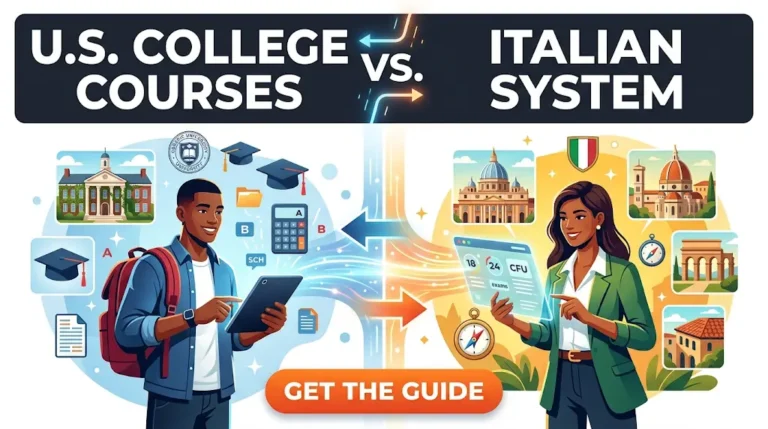
Credit transfer between United States colleges and Italian universities requires converting contact hours into CFUs and submitting translated syllabi.
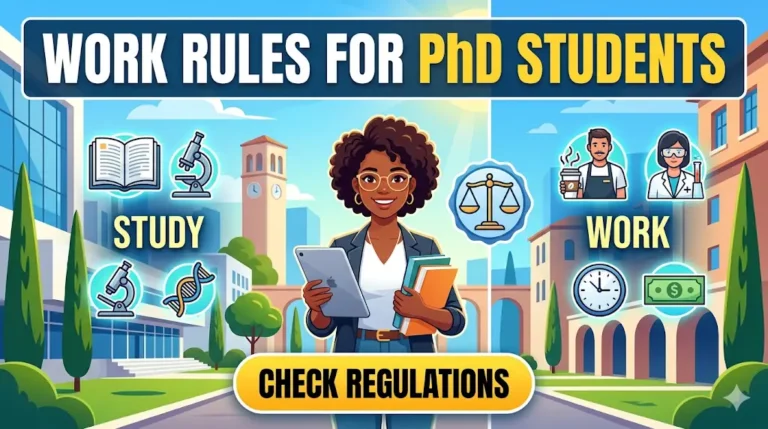
Italian PhD work regulations cover scholarship limits, board approval, visa caps, and employment rules for doctoral candidates.

Starting a business in Italy after graduation requires converting a student visa, opening a Partita IVA, and paying INPS taxes.

Non-EU citizens seeking Italian public sector jobs need a long-term residence permit and must pass competitive government examinations.

Italian university entrance requirements involve converting foreign GPAs to the 100 or 110-point scale and meeting the 12-year schooling rule.

Erasmus traineeships in Italy require navigating complex learning agreements, securing tax codes, and adapting to formal workplace hierarchies.
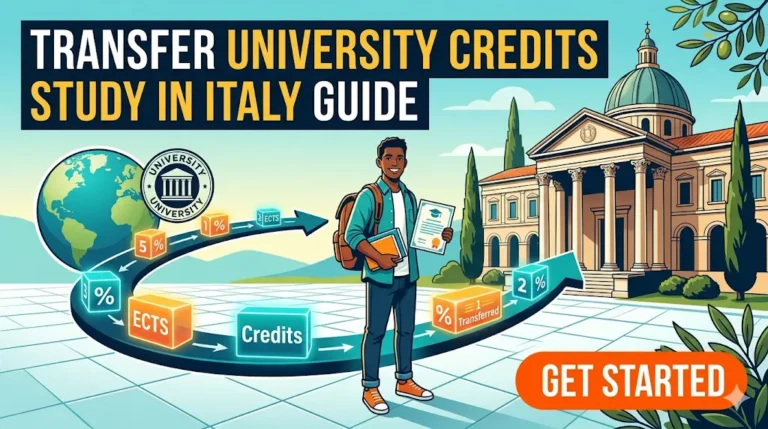
Foreign transcript evaluation requires translated course syllabi, credential verifications, and approvals from strict Italian academic boards.

Italian au pair programs require study permits, working holiday visas, or EU citizenship because no dedicated visa exists.

Workers compensation in Italy covers workplace accidents through INAIL, protecting employees with mandatory insurance funded entirely by employers.

Non-EU workers in Italy face specific rules including a standard forty-hour workweek, forty-eight-hour overtime maximums, and student visa limits.