Parental Leave Benefits: Financial Support in Italy
Parental leave benefits in Italy provide paid maternity, paternity, and optional leave through INPS for eligible working parents.

Parental leave benefits in Italy provide paid maternity, paternity, and optional leave through INPS for eligible working parents.

Taxation of rental income in Italy details the Cedolare Secca and IRPEF tax regimes, registration procedures, and local property taxes for 2026.

Italian family allowances for foreign residents explain ANF rules, Assegno Unico payments, and ISEE brackets for household income.
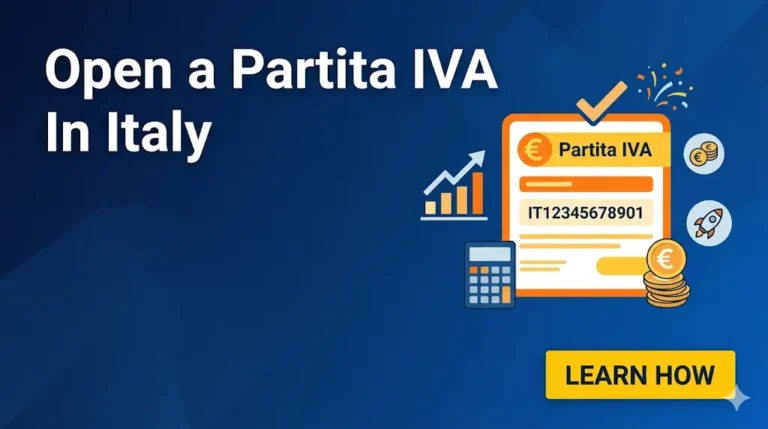
Registering for an Italian VAT number involves choosing tax regimes, filing Form AA9/12, and selecting correct ATECO codes for 2026.

Methods for sending remittances from Italy include bank transfers, fintech apps, and cash agents, detailing costs, speed, and rules.
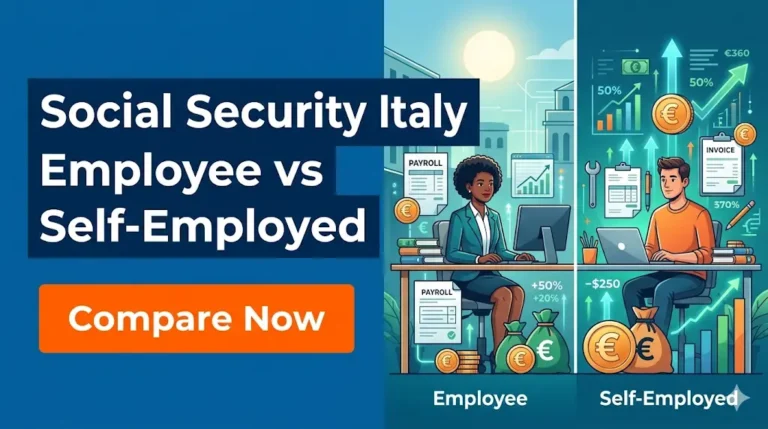
Italian social security contribution rates, payment methods, and welfare benefits differ significantly between salaried employees and independent workers.

Foreign residents pursuing property in Italy require specific eligibility checks, extensive documentation, and awareness of loan-to-value ratios.

Tax filing in Italy requires careful consideration of residency status, foreign assets, and professional assistance from a qualified commercialista.

Traditional Italian banks and digital neobanks offer expats various fee structures, required documents, and benefits for managing money in 2026.

Italian retirement planning balances mandatory state contributions with private funds, offering tax deductions up to €5,164.57 per year for expatriates.