Accommodation in Italy: Hotels, B&Bs, and Agriturismi
One of the most exciting, yet often perplexing, parts of planning your Italian adventure or big move is figuring out where to lay your head. Forget the sterile, one-size-fits-all options you might be used to; Italy offers a kaleidoscope of accommodation experiences, each with its own charm and quirks. This guide will walk you through the various types of stays, from classic hotels to charming agriturismi, helping you decode what to expect and how to find your perfect home away from home in il bel paese.
Disclosure: This post may contain affiliate links. We may earn a commission at no extra cost to you if you make a purchase through these links. Read full disclosure.
Understanding Italian Accommodation Types
When you first start looking for a place to stay in Italy, you might feel a little overwhelmed by the sheer variety of options. It's not just "hotel" or "rental apartment" here; there's a whole world of unique stays, each offering a different slice of Italian life. Understanding these distinctions is key to finding the experience that truly resonates with your travel style and expectations.
Hotels (Alberghi): The Familiar Comfort
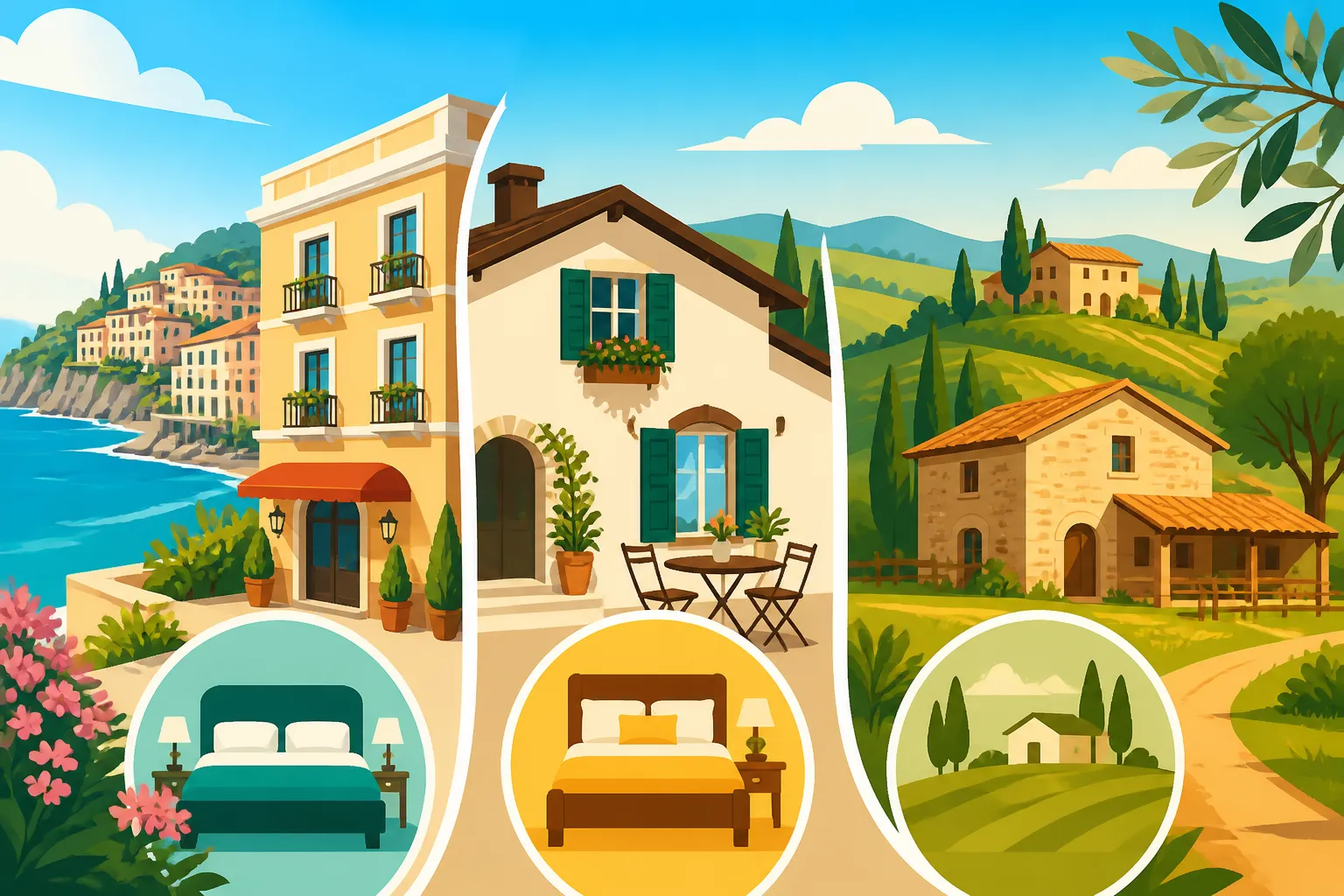
Hotels, or alberghi, are perhaps the most straightforward accommodation option for many expats and tourists. They come in various shapes and sizes, from grand five-star establishments in major cities like Rome or Milan, to cozy, family-run two-star spots nestled in a quiet village. The star rating system generally indicates the level of service and amenities you can expect, but keep in mind that an Italian three-star might differ slightly from a three-star in another country.
You'll find that many hotels, especially in the larger cities, offer a familiar set of amenities: reception services, daily cleaning, and often a breakfast buffet. Some might have a restaurant, bar, or even a pool, depending on their rating and location. While they offer reliability and convenience, especially if you're looking for a quick, hassle-free stay, hotels can sometimes lack the unique character you might find elsewhere. For those seeking modern comforts and predictable service, a hotel is a safe bet. However, if you're dreaming of an immersive cultural experience, a hotel might keep you a bit too insulated from the everyday rhythm of Italian life. They are widely available and easy to book through platforms like Booking.com, which offer a vast array of choices from budget-friendly to luxury.
Bed & Breakfasts (B&B): A Touch of Home
Ah, the Bed & Breakfast. This is where things start to get a bit more personal and, dare I say, authentically Italian. A B&B in Italy is typically a small, independently run establishment, often located within a private home or a converted historical building. The "breakfast" part is usually a hearty affair, often featuring homemade treats, local pastries, and excellent coffee, prepared with love by your host. This isn't your impersonal hotel buffet; it's a chance to savor genuine Italian hospitality.
The charm of a B&B lies in its personal touch. Your host is often a local resident, eager to share insights, offer recommendations for hidden gems, and help you navigate the local area. This direct interaction can be invaluable, especially for newcomers trying to understand Italian Customs, Etiquette, and Social Life. You might find yourself chatting over espresso, getting tips on the best trattoria, or learning a few useful Italian phrases. The rooms themselves vary wildly in style, from rustic and traditional to chic and modern, but they almost always reflect the owner's personality and the regional aesthetic. Before you commit, be sure to check the specific setup; some B&Bs offer private rooms within a shared apartment, while others are more like mini-guesthouses with dedicated entrances.
Agriturismi: Rustic Charm in the Countryside
For those yearning for a true escape into the Italian countryside, an agriturismo is an absolute must-try. The word itself is a portmanteau of "agricoltura" (agriculture) and "turismo" (tourism), meaning a farm stay. These are working farms that have diversified to offer accommodation, often in beautifully restored farmhouses, villas, or even ancient castles. This isn't just a place to sleep; it's an experience in itself.
The magic of an agriturismo lies in its connection to the land and local traditions. Guests often get to enjoy meals prepared with ingredients grown right on the farm, from fresh vegetables and olive oil to homemade pasta and local wines. Many agriturismi offer activities such as cooking classes, wine tastings, olive oil pressing demonstrations, or even helping with farm chores. Imagine waking up to the sounds of nature, enjoying a breakfast with freshly baked bread and local cheese, and then spending your day exploring vineyards or picturesque rolling hills. They're particularly popular in regions like Tuscany, Umbria, and Sicily. If you're looking to slow down, disconnect, and immerse yourself in the authentic flavors and rhythms of rural Italy, an agriturismo provides an unparalleled experience. It's also an excellent way to truly appreciate the regional differences you might encounter while Living in Italy: Finding Your Ideal City or Region.
Other Unique Stays: Villas, Apartments, and More
Beyond the big three, Italy offers a plethora of other intriguing accommodation options, each catering to different preferences and group sizes.
For families or groups of friends, vacation rentals, ranging from simple apartments (appartamenti) to luxurious villas (ville), offer space, privacy, and the convenience of a kitchen. These can be particularly cost-effective for longer stays and allow you to truly live like a local. Platforms like Booking.com feature a wide selection of these, allowing you to filter by amenities, location, and price. Just be mindful of the different types of Italian Rental Contracts 101: 4+4, 3+2, and Transitorio if you're planning a very long stay, as these rentals might not always be suitable for formal residency if you're not planning a rental contract for long term.
Hostels (ostelli) are available in larger cities and cater to budget-conscious travelers and backpackers, offering dormitory-style rooms or private rooms at a lower cost. Don't let the "hostel" label fool you entirely; many Italian hostels are surprisingly modern, clean, and well-located, some even offering social events or guided tours.
Then there are truly unique options: Rifugi (mountain huts) for hikers in the Alps, charming Trulli in Puglia, or even Sassi cave dwellings in Matera. These specialized accommodations offer unforgettable experiences that are deeply tied to their specific region and its history. Exploring these can add an incredible layer of authenticity to your journey.
Navigating the Booking Process: Tips for Foreigners
Booking accommodation in a foreign country, especially one with as many charming quirks as Italy, can feel a bit like a maze. You want to secure a great spot without any unexpected surprises. Knowing how to use the available tools and understanding local booking nuances can save you a lot of headaches and help you land that perfect Italian abode.
Online Platforms and Direct Bookings
In today's digital age, online booking platforms are often your first port of call, and for good reason. They offer convenience, a wide range of choices, and the ability to compare prices and amenities at a glance. Booking.com is a ubiquitous choice, offering a vast inventory of hotels, B&Bs, apartments, and even some agriturismi across Italy. Its filters allow you to narrow down options by price, location, amenities, and even specific types of properties, making it incredibly user-friendly. Another great site for vacation rentals is Airbnb, popular for finding unique local homes, though it's important to understand the local regulations that apply to short-term rentals, which can vary by city.
While these platforms are fantastic for browsing and securing bookings, don't overlook the power of direct booking. Once you've found a place you like, especially a smaller B&B or agriturismo, it's often worth checking their direct website. Sometimes, they offer better rates or special packages if you book directly, as they avoid commission fees from the platforms. Plus, a direct communication channel with the owner can be incredibly helpful for any specific questions or requests you might have before your arrival. For those looking to combine their stay with unique experiences, GetYourGuide offers an array of tours and activities that can complement your accommodation choice, from cooking classes to guided city walks.
The Importance of Reviews and Photos
When you're scrolling through endless options, it's easy to get lost in beautiful photos. However, seasoned travelers know that photos can sometimes be deceiving. This is where reviews become your best friend. Don't just glance at the star rating; delve into the comments. Look for recurring themes, both positive and negative. Do people consistently praise the cleanliness, the host's friendliness, or the breakfast? Or are there frequent complaints about noise, uncomfortable beds, or an unresponsive host?
Pay particular attention to reviews written by people with similar travel preferences to yours. If you're traveling with family, look for reviews from other families. If you're a solo traveler, see what solo guests have to say. Furthermore, compare the photos provided by the property owner with those uploaded by guests. Guest photos often give a more realistic portrayal of the room size, cleanliness, and overall condition. A glowing review section, especially one where the owner responds thoughtfully to feedback, can give you a strong sense of confidence in your choice.
Understanding Payment and Cancellation Policies
Before clicking "book," take a moment to thoroughly read the payment and cancellation policies. Italy has its own way of doing things, and misunderstanding these terms can lead to unnecessary stress or financial loss.
- Payment: Many properties in Italy still prefer cash payments, especially smaller B&Bs or agriturismi, though credit card acceptance is becoming more widespread. Always clarify the accepted payment methods upfront. Be aware that some online bookings might only take a deposit, with the remainder due upon arrival. Also, check if there are any additional fees not included in the headline price, such as the ubiquitous tassa di soggiorno (city tourist tax), which is usually paid in cash upon check-out.
- Cancellation: Life happens, and sometimes plans change. Italian cancellation policies can range from very flexible (free cancellation up to a few days before arrival) to very strict (non-refundable bookings). Always understand the deadline for free cancellation and any associated fees. If you're traveling during peak season or have a complex itinerary, consider opting for a slightly more expensive flexible rate for peace of mind. For those planning an extensive journey across Italy, including multiple stops, considering travel insurance that covers accommodation cancellations might be a wise move.
Key Considerations When Choosing Your Stay
Choosing the right accommodation in Italy isn't just about finding a bed; it's about curating the experience you want. There are several vital factors that, if considered carefully, can make or break your trip. Don't rush these decisions – they're as crucial as deciding which pasta to order!
Location, Location, Location: City vs. Countryside
This is perhaps the single most important decision you'll make when booking your Italian stay. Are you dreaming of bustling city life, with ancient ruins and vibrant markets right outside your door? Or do you long for serene landscapes, olive groves, and the quiet rhythm of rural living?
- City Stays: If you're planning to immerse yourself in history, art, and vibrant culture, a city location in places like Rome, Florence, or Venice is ideal. You'll be close to major attractions, restaurants, and shops. However, be prepared for crowds, potential noise, and often higher prices. Proximity to public transport is key; ensure your chosen accommodation is well-connected to buses, trams, or the metro. For seamless travel between cities, services like Omio can help you plan and book trains and buses, ensuring you get from one adventure to the next without a hitch. Remember, if you're driving in a city, be very mindful of ZTLs (Limited Traffic Zones), which can lead to hefty fines if you're not careful. This is a crucial aspect covered in articles like Driving in Italy: Obtaining an Italian Driver’s License.
- Countryside Escapes: For tranquility, natural beauty, and a taste of local food culture, the Italian countryside is unmatched. Regions like Tuscany, Umbria, Puglia, or Sicily offer stunning landscapes and the chance to relax. You might need a car to fully explore these areas, but the reward is immense: charming villages, local vineyards, and breathtaking vistas. Agriturismi are the natural choice here. Consider how far you are from essential services like grocery stores or medical facilities, especially if you're looking for a very secluded spot.
Budgeting for Your Accommodation
Italy offers accommodation for every budget, from shoestring hostels to opulent luxury hotels. However, simply looking at the nightly rate isn't enough; you need to consider the full financial picture.
- Seasonal Pricing: Italy is incredibly popular, and prices fluctuate dramatically with the seasons. Peak season (summer, major holidays like Easter and Christmas) sees the highest rates. Shoulder seasons (spring and autumn) often offer a sweet spot of pleasant weather and slightly lower prices. Off-season travel can be significantly cheaper, though some smaller establishments might close.
- Hidden Fees: Always account for the tassa di soggiorno (city tourist tax), which is a small per-person, per-night fee levied by most municipalities. It's usually not included in the online booking price and must be paid in cash directly to the accommodation provider upon check-out. Rates vary by city and accommodation type (e.g., a 5-star hotel will have a higher tax than a B&B). Other potential "hidden" costs could include extra charges for air conditioning usage (rare but happens in some budget spots), or parking fees. Be sure to check what's included and what's extra. This level of detail is critical when looking at the broader Cost of Living in Italy 2026: Budgeting for Expats.
Amenities and Services to Look For
Your ideal set of amenities will depend entirely on your travel needs and preferences. However, some are worth highlighting for an Italian context:
- Air Conditioning (Aria Condizionata): If you're traveling during the hot summer months (June-August), this is non-negotiable for many. Verify if it's available and if there's an extra charge.
- Wi-Fi (Connessione Internet Wi-Fi): While widespread, signal strength and reliability can vary. If you rely on stable internet for work or staying connected, confirm its quality.
- Parking (Parcheggio): Crucial if you're traveling with a car, especially in historical centers where parking is scarce and often expensive. Many hotels or agriturismi outside city centers offer free parking.
- Breakfast (Colazione): A key component of B&Bs and hotels. Check what's included. Italian breakfast is traditionally sweet (pastries, coffee), so if you prefer savory options, confirm availability.
- Accessibility: If you or a travel companion have mobility challenges, always confirm the accessibility features of the property (elevators, ramp access, accessible bathrooms). Many older Italian buildings, charming as they are, may not be fully accessible.
- Laundry Facilities: For longer trips, access to laundry can be a significant convenience. Some apartments or larger B&Bs might offer this.
Cultural Nuances and Expectations
Staying in Italy isn't just about the physical space; it's about engaging with the culture, even subtly.
- Check-in/Check-out Times: Italian properties, especially smaller ones, often have specific check-in windows. Don't expect a 24/7 reception like a large chain hotel. Communicate your arrival time in advance, especially if it's late.
- Noise Levels: Italian cities can be lively, and noise, particularly late into the evening, is common. If you're a light sleeper, consider accommodation away from main squares or lively streets. In the countryside, peace is generally assured, save for the occasional farm animal.
- Host Communication: Be prepared for communication, especially with B&B or agriturismo hosts. A simple "Buongiorno" and a smile go a long way. They often appreciate direct questions and are usually happy to help. Embrace the chance to connect; it's part of the charm!
Common Challenges and How to Overcome Them
Even with the best planning, traveling in Italy can present a few head-scratchers, particularly when it comes to accommodation. But don't fret; many of these are common expat and tourist frustrations, and with a little foresight, they're entirely manageable.
Language Barriers and Communication
Let's be honest, not everyone in Italy speaks fluent English, especially outside the major tourist hubs. While many hotel and B&B owners catering to international guests will have at least some English, relying solely on it can lead to misunderstandings.
- Preparation is Key: Before your trip, learn a few basic Italian phrases. Even a simple "Buongiorno" (good morning), "Grazie" (thank you), "Per favore" (please), and "Parla inglese?" (Do you speak English?) can open doors and show respect.
- Translation Apps: Keep a reliable translation app (like Google Translate or DeepL) handy on your phone. Many allow you to download languages for offline use, which is invaluable if you're in an area with spotty Wi-Fi. You can type out your question or even use the conversation mode to bridge the gap.
- Visual Aids: Sometimes, pointing or using gestures can be surprisingly effective. If you need to convey a specific issue, like a leaky faucet, a quick photo can often speak volumes.
- Be Patient and Polite: Italians generally appreciate the effort you make, even if your Italian is broken. A patient, friendly demeanor will get you much further than frustration. Most hosts genuinely want to help and ensure you have a pleasant stay.
Navigating Local Regulations (City Tax, ZTLs)
Two of the most common administrative hurdles for foreigners in Italy involve local taxes and driving restrictions.
- City Tourist Tax (Tassa di Soggiorno): As mentioned, this is a municipal tax charged per person, per night. It's a legitimate charge, not a scam, and its purpose is to help fund local tourism infrastructure. Always budget for this, and be prepared to pay it in cash upon departure. The amount varies widely; for example, it might be €3-7 per person per night in a major city, but less in smaller towns. Ensure you get a receipt, just in case.
- Limited Traffic Zones (ZTL – Zona a Traffico Limitato): If you plan on Driving in Italy: Obtaining an Italian Driver’s License, you absolutely need to understand ZTLs. These zones exist in most Italian historical city centers and restrict vehicle access during certain hours to residents and authorized vehicles only. Entering a ZTL without permission will result in a hefty fine, often sent to you months later. If your accommodation is within a ZTL and you arrive by car, contact them in advance. Many hotels within ZTLs have arrangements to register your license plate with the local police, allowing you temporary access. Always confirm this with your hotel! Parking outside the ZTL and using Public Transportation in Italian Cities: A Guide is often the easiest solution.
Dealing with Unexpected Issues
Even in paradise, things can go wrong. A flickering light, a sudden lack of hot water, or a miscommunication about your booking can dampen your spirits.
- Address Issues Promptly and Calmly: If you encounter a problem, raise it with your host or the reception staff as soon as possible. Don't wait until check-out. Approach the situation calmly and clearly explain the issue.
- Be Specific: Instead of saying "the internet isn't working," try "The Wi-Fi network 'BellaItalia_Guest' isn't showing up on my phone, or it's connected but there's no internet access." Specificity helps them troubleshoot.
- Document Everything: For serious issues, take photos or videos. Keep a record of who you spoke to and when. This is particularly important if you need to escalate a complaint to an online booking platform later.
- Understand Italian Timelines: Things might not get fixed with the lightning speed you're used to back home. Italians operate on a different sense of urgency, especially in smaller towns. Patience is a virtue here. If it's something critical (like no heat in winter or a broken lock), be persistent but always polite.
- Review Platform Support: If you've booked through a major platform like Booking.com, remember they have customer support channels. If you can't resolve an issue directly with the property, reach out to the platform for assistance. They can often mediate or offer solutions like alternative accommodation.
Making the Most of Your Italian Accommodation Experience
Finding a place to stay is just the first step; truly living your Italian experience means engaging with your surroundings and embracing the local way of life. Your accommodation can be more than just a place to sleep—it can be a gateway to authentic cultural immersion.
Embracing Local Hospitality
One of the most rewarding aspects of staying in Italy, especially in a B&B or agriturismo, is the opportunity to connect with local hosts. Italians are renowned for their hospitality (ospitalità), and many hosts take immense pride in sharing their region with visitors.
- Engage with Your Hosts: Don't be shy! Strike up conversations (even with a translation app). Ask them about local recommendations—where to eat, what hidden sights to visit, or the best way to experience a local festival. Their advice is often far more valuable than any guide book or internet search. They might tell you about a local sagra (food festival) happening nearby, or a small artisanal shop you would never have found otherwise.
- Accept Offers: If a host offers you a coffee, a homemade pastry, or a glass of wine, accept it with a warm "Grazie!" These gestures are often part of their welcoming culture and a way to make you feel at home. It's these small, unscripted moments that often become the most cherished memories of your trip.
- Show Appreciation: A genuine thank you, a compliment on their home or cooking, or even a small token of appreciation (if appropriate) can go a long way. Leaving a positive review online is also a wonderful way to show your gratitude and help their business.
Respecting Local Customs and Property Rules
Living in Italy, even for a short stay, means understanding and respecting the local way of life and the rules of your temporary home. This contributes to a harmonious experience for everyone.
- Noise Levels: While Italians can be lively, especially during meals or social gatherings, excessive noise, especially late at night, is generally frowned upon in residential areas. Be mindful of your volume, particularly in shared spaces or if your room is close to other guests or residents.
- Energy and Water Usage: Italy, like many European countries, is conscious about energy consumption. It's common practice to turn off lights and air conditioning when leaving your room. Be mindful of water usage, especially in regions prone to drought.
- Waste Sorting (Raccolta Differenziata): Many accommodations, particularly B&Bs and apartments, will expect you to sort your waste into different bins (plastic, paper, organic, glass, unsorted). This is a crucial aspect of daily life here, and there will likely be clear instructions. Familiarize yourself with how to sort and Recycle Waste Correctly in Italy.
- "No Smoking" Rules: Smoking is generally prohibited indoors in all public places and most accommodations. If you smoke, confirm designated smoking areas.
Long-Term Stays and Residency Implications
If your Italian adventure extends beyond a typical vacation, your accommodation choices might take on new dimensions, especially concerning official residency.
- Temporary vs. Permanent: For short-term visits (under 90 days for many nationalities), a tourist visa is sufficient, and hotels, B&Bs, or short-term rentals are perfectly fine. However, if you're planning a longer stay, perhaps under a student visa or a work visa, you'll eventually need a more stable form of accommodation to establish residency.
- Rental Contracts: To Register Residency in Italy (Residenza and Anagrafe) and obtain your Permesso di Soggiorno, you'll typically need a long-term rental contract (e.g., a 4+4 or 3+2 contract, as detailed in Italian Rental Contracts 101: 4+4, 3+2, and Transitorio). Short-term tourist rentals usually won't suffice. This is a critical step for expats, as it impacts everything from Getting Health Insurance in Italy: Public and Private Options to opening a bank account.
- Setting Up Utilities: If you move into a long-term rental, you'll also be responsible for Setting Up Utilities (Electricity, Gas, Water) in Italy. This is a separate process from booking a tourist stay where utilities are included.
- Consider a 'Trial Run': Many expats choose a short-term B&B or apartment stay for their initial arrival while they scout for a more permanent home. This allows you to get a feel for different neighborhoods and handle initial bureaucratic steps before committing to a long-term lease.
| Accommodation Type | Best For | Typical Cost Range (per night) | Key Features | Pros | Cons |
|---|---|---|---|---|---|
| Hotels (Alberghi) | Business, short stays, urban comfort | €70 – €500+ | Standard amenities, often 24/7 reception, room service. | Predictable, convenient, professional service. | Can lack local character, sometimes more expensive. |
| Bed & Breakfasts | Cultural immersion, personal touch | €50 – €180 | Hosted by locals, homemade breakfast, unique decor. | Authentic, personalized advice, friendly atmosphere. | Less privacy, varying service levels, limited hours. |
| Agriturismi | Rural escape, foodies, families | €60 – €250 | Farm-to-table food, countryside setting, activities. | Immersive, tranquil, fresh produce, unique experience. | Often requires a car, remote locations, limited amenities. |
| Apartments/Villas | Families/groups, longer stays, privacy | €80 – €1000+ | Kitchen facilities, multiple bedrooms, living spaces. | Space, privacy, self-catering, cost-effective for groups. | Self-sufficient, less service, potential bureaucracy for long stays. |
| Hostels (Ostelli) | Budget travelers, solo backpackers | €20 – €60 (dorm) / €50-100 (private) | Dorms, communal areas, budget-friendly, social vibe. | Cheap, great for meeting people, often central locations. | Less privacy, shared facilities, potential noise. |
Disclaimer
The information provided in this guide is intended for general informational purposes only. While every effort has been made to ensure accuracy, regulations and offerings in Italy can change. Always verify specific details, prices, and policies directly with accommodation providers or official sources before making bookings or decisions. We are not responsible for any inaccuracies or omissions.