How to See Padre Pio’s Sanctuary in San Giovanni Rotondo
Planning a pilgrimage or even just a visit to a significant spiritual site in Italy can feel like a daunting task, especially when it's off the main tourist circuit. Getting to a place like Padre Pio's Sanctuary in San Giovanni Rotondo requires more than just knowing its location; it demands understanding local transport quirks, booking savvy, and a real feel for the journey. This guide will walk you through everything you need to know, from the moment you decide to go to standing before the sacred relics.
Disclosure: This post may contain affiliate links. We may earn a commission at no extra cost to you if you make a purchase through these links. Read full disclosure.
Understanding San Giovanni Rotondo: More Than Just a Destination
When you decide to visit San Giovanni Rotondo, you're not just adding another pin to your Italy map; you're embarking on a deeply personal journey, often rooted in faith or a profound curiosity about one of Italy's most revered modern saints. It's a town that lives and breathes Padre Pio, a Franciscan friar canonized in 2002, known globally for his stigmata, spiritual advice, and reported miracles. The atmosphere here is distinctly different from the bustling tourist hubs of Rome or Florence. Prepare for a more serene, reflective experience, but one that still comes with its own logistical quirks, because, well, this is still Italy!
The Enduring Legacy of Padre Pio
Padre Pio, born Francesco Forgione, spent most of his life in this small town in the Gargano region of Puglia. His story is one of unwavering devotion, immense suffering, and an extraordinary connection to the divine. For decades, he attracted countless faithful from all over the world seeking his blessing, confession, or spiritual guidance. Even after his death in 1968, the flow of pilgrims didn't stop; it intensified. The sheer scale of the devotion is awe-inspiring, and you'll feel it immediately when you arrive. People often come with heavy hearts, seeking solace, healing, or answers, and the town is structured to support this spiritual quest. Don't be surprised to see many people walking with rosaries, deep in prayer, or even quietly weeping. It's a place where emotions run high, and personal experiences often take precedence over typical tourist activities.
What to Expect from the Sanctuary Complex
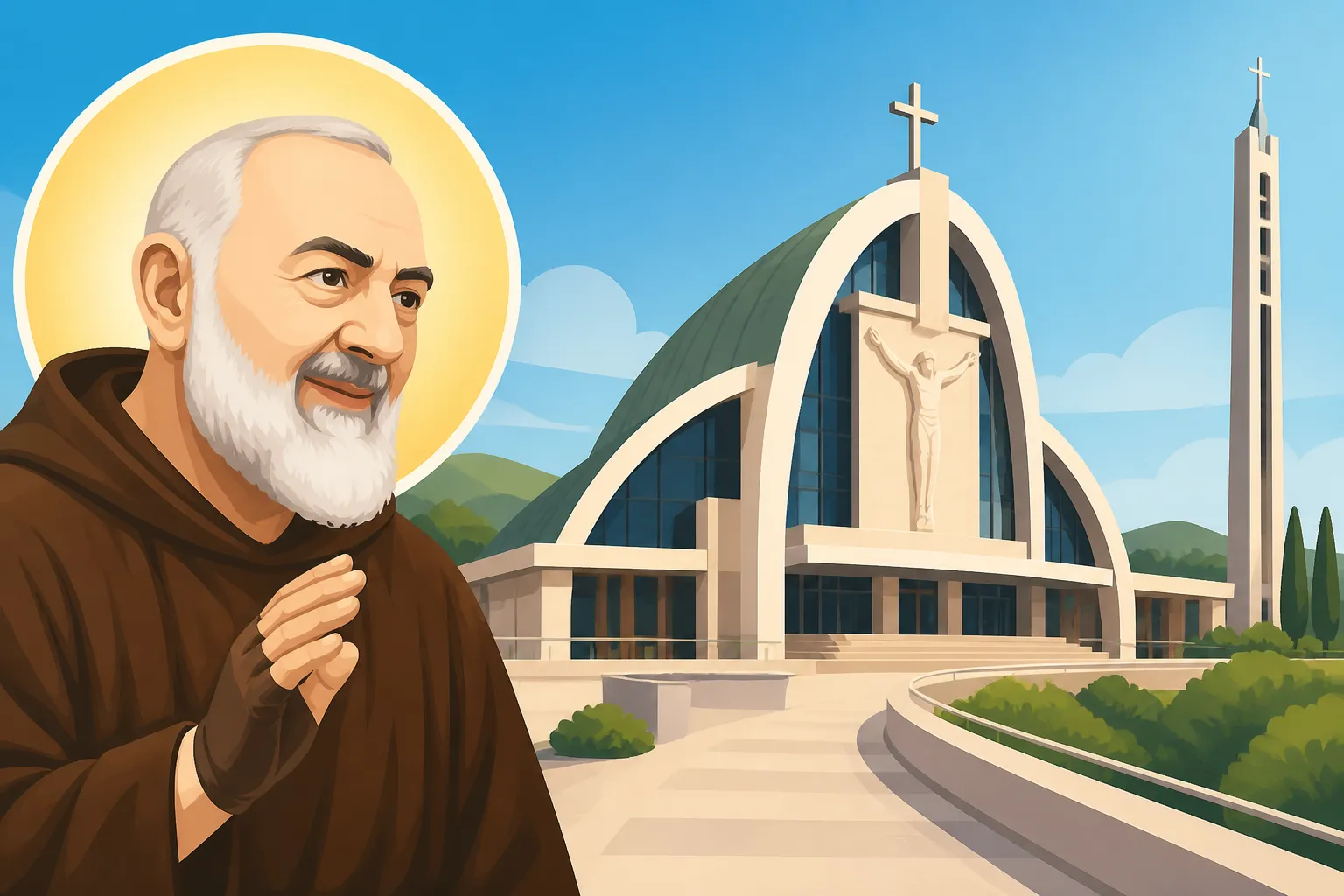
The Padre Pio Sanctuary in San Giovanni Rotondo is actually a sprawling complex, not just one church. It's a testament to the enduring faith of millions and includes several significant structures. You'll find the old church, Santa Maria delle Grazie, where Padre Pio spent much of his life, heard confessions, and celebrated Mass. This is where you can truly feel the intimacy of his presence. Right next to it is the newer, monumental Padre Pio Pilgrimage Church, designed by the renowned architect Renzo Piano, which can accommodate thousands of worshippers. Its modern, sweeping architecture might surprise some, contrasting sharply with the older, more traditional church, but it was built out of necessity to manage the massive crowds.
Beyond the churches, the complex also houses the crypt where Padre Pio's body lies, now encased in glass for veneration. This is often the most profound moment for many pilgrims. There's also a Franciscan monastery, a hospital (Casa Sollievo della Sofferenza – Home for the Relief of Suffering) founded by Padre Pio himself, and various visitor centers, shops, and places for reflection. It's a lot to take in, so give yourself ample time, especially if you plan to attend a Mass or spend time in silent prayer. The scale can be overwhelming, but the quiet reverence of the pilgrims often sets a peaceful tone.
Planning Your Journey to San Giovanni Rotondo
Getting to San Giovanni Rotondo isn't always as straightforward as hopping on a high-speed train, especially if you're used to the well-oiled tourist routes of the north. This is Puglia, and while beautiful, public transport connections can be a bit more… rustic. You'll need to do some planning, but with the right information, it's absolutely doable, and the journey itself offers a glimpse into the authentic Italian landscape.
Getting There by Public Transport: The Realities
If you’re traveling by public transport, patience is definitely your best friend. There's no direct train station in San Giovanni Rotondo. Your main options will involve a combination of trains and buses.
The nearest major train station is Foggia. Foggia is well-connected by regional and intercity trains to cities like Rome, Naples, and Bari. You can check schedules and book tickets easily online, sometimes through platforms like Omio, which can simplify booking across different transport providers. Once you arrive at Foggia railway station, you'll need to catch a local bus to San Giovanni Rotondo. The bus terminal is usually right outside the train station or a short walk away. Look for services run by companies like Ferrovie del Gargano, which operates regular routes to San Giovanni Rotondo. The bus journey from Foggia to San Giovanni Rotondo typically takes around 45 minutes to an hour, depending on traffic. It's a pretty scenic ride through the Puglian countryside, so sit back and enjoy the view.
Pro-tip from an expat: Always check the bus schedules in advance, especially on weekends or public holidays. Italian public transport can be less frequent outside of peak hours, and you don't want to be stranded. Sometimes, there might be a direct bus service from larger cities like Rome or Naples directly to San Giovanni Rotondo, often operated by private coach companies. These can be long journeys, but they save you the hassle of transfers. When you're looking for how to get around Italy: trains, buses, flights, and car hire, remember that sometimes a bus is your most direct link, even if it feels slower.
Driving to San Giovanni Rotondo: Freedom and Challenges
For many, renting a car offers the most flexibility when visiting places like San Giovanni Rotondo, especially if you're also planning to explore the stunning region of Puglia: Trulli, Beaches, and Whitewashed Towns. The drive from Bari (the closest major airport with international connections) takes about 1.5 to 2 hours. From Naples, it’s closer to 3 hours, and from Rome, you're looking at about 4 hours.
- Advantages: Driving gives you the freedom to set your own schedule, stop at charming villages along the way, and avoid waiting for bus connections. Parking in San Giovanni Rotondo is generally well-organized around the sanctuary, with several large paid parking lots available for pilgrims.
- Challenges: Navigating Italian roads can be an experience in itself. While highways are straightforward, smaller roads might be less clearly signposted. And of course, you'll need to be comfortable with Italian driving habits, which can be assertive! Be aware of ZTLs (Limited Traffic Zones) in some smaller towns if you plan detours, as these can lead to hefty fines. If you're considering driving, it's worth familiarizing yourself with renting a car in Italy: ZTLs, insurance, and driving tips.
Overall, driving offers a degree of comfort and convenience that public transport simply cannot match for this particular destination. Just ensure your car rental includes full insurance coverage, and maybe brush up on some basic Italian phrases for asking directions, even if Google Maps is your primary navigator!
Accommodation Options for Your Visit
San Giovanni Rotondo is a pilgrimage town first and foremost, so you'll find a wide range of accommodation catering to pilgrims, from simple guesthouses to larger hotels. Don't expect a plethora of boutique hotels or trendy Airbnbs here; the focus is on comfort, accessibility to the sanctuary, and often, a peaceful environment.
- Hotels: Many hotels are within walking distance or a short shuttle ride to the sanctuary complex. They often offer half-board or full-board options, which can be convenient after a long day of travel and reflection. Prices are generally reasonable, especially outside of major feast days or peak summer. When searching, look on platforms like Booking.com, which will show you a good selection of hotels directly in San Giovanni Rotondo. Filter by proximity to the sanctuary, and read reviews, especially regarding shuttle services or ease of walking.
- Guesthouses and B&Bs: For a more intimate stay, guesthouses and bed and breakfasts can offer a warm, family-run atmosphere. These are often in renovated traditional Puglian homes, providing a slice of local life. They might be slightly further from the main complex, but usually still within easy reach.
- Monastery Stays: For a truly immersive spiritual experience, some pilgrims opt for stays within or near the monastic institutions. These are typically basic but offer a unique connection to the spiritual heart of the town. Availability is usually limited, so book well in advance if this is your preference.
Remember, San Giovanni Rotondo isn't a huge city with endless accommodation choices, so booking ahead, particularly if you're traveling during a significant religious holiday or in peak season (July-August), is highly recommended.
Navigating the Sanctuary and Beyond
Once you've arrived and settled in, the real journey begins: exploring the Sanctuary of Padre Pio. It’s a place that commands respect and offers profound opportunities for reflection. But beyond the sanctuary walls, San Giovanni Rotondo, and indeed the surrounding Gargano area, holds its own charm.
Key Sites Within the Padre Pio Sanctuary
As mentioned, the sanctuary is a complex of several important sites, each holding a piece of Padre Pio's story.
- Chiesa Antica (Old Church of Santa Maria delle Grazie): This is the heart of where Padre Pio lived and ministered. It’s small, intimate, and often filled with a palpable sense of history and grace. Here, he heard confessions for hours each day and celebrated Mass. The simple altar and the small cell where he lived evoke a powerful sense of his humility.
- New Padre Pio Pilgrimage Church: Designed by Renzo Piano, this massive church is an architectural marvel built to accommodate the millions of pilgrims. Its striking, modern design, with a huge, spiraling copper roof, is designed for reflection and prayer on a grand scale. The interior is vast, yet somehow manages to maintain a sense of solemnity.
- Crypt and Padre Pio's Tomb: Located beneath the new church, this is where Padre Pio's body is interred. His incorrupt body, dressed in his Capuchin habit, is visible through a glass case. This is often the most moving part of the visit for many, a moment of deep personal connection and prayer.
- Convento dei Cappuccini (Capuchin Monastery): Adjacent to the old church, this is the monastery where Padre Pio spent much of his life. You can visit his cell, the crucifix before which he received the stigmata, and other significant areas that offer a window into his daily life and spiritual struggles.
- Via Crucis Monumentale: This beautiful, sprawling outdoor Stations of the Cross offers panoramic views of the Gargano region. It's a powerful way to reflect on Christ's passion and Padre Pio's own sufferings.
When you're exploring, keep in mind the Italian customs, etiquette, and social life that often accompany religious sites. Modest dress is always appreciated, and quiet reverence is expected, especially in the churches and around the crypt.
Enhancing Your Visit: Tours and Local Experiences
While the primary focus is the sanctuary, you might find value in guided tours or exploring the wider area.
- Guided Tours: Many local guides specialize in Padre Pio’s life and the history of the sanctuary. A knowledgeable guide can provide context, share anecdotes, and point out details you might otherwise miss, enriching your spiritual experience. You can often find local guides through your hotel or through online platforms like GetYourGuide, which sometimes offer local historical or spiritual tours.
- Exploring San Giovanni Rotondo Town: The town itself, while largely centered around the pilgrimage, has a charming older section. Wander through the streets, find a local cafe for a coffee, and soak in the everyday rhythm of Puglian life. This is a great opportunity to practice your Italian language and everyday communication for visitors.
- Day Trips in Gargano: If you have more time, consider exploring the stunning Gargano National Park. Known as the "spur" of Italy's boot, it boasts beautiful coastline, ancient forests (like Foresta Umbra, a UNESCO site), and picturesque towns like Vieste and Peschici. These offer a beautiful contrast to the solemnity of the sanctuary and highlight the diverse beauty of Italy's regions: a traveler's overview.
Essential Tips for a Respectful and Meaningful Experience
To make the most of your visit, keep these practical and cultural tips in mind:
- Dress Modestly: As with all religious sites in Italy, ensure your shoulders and knees are covered. This applies to both men and women. Light scarves or wraps are easy to carry and can be used to cover up when entering churches.
- Be Prepared for Crowds: Especially on weekends, holidays, or Padre Pio's feast day (September 23rd), the sanctuary can be incredibly busy. Arrive early if you want to experience a quieter atmosphere or attend a specific Mass.
- Bring Comfortable Shoes: You'll be doing a lot of walking, both within the vast sanctuary complex and potentially around the town or the Via Crucis.
- Stay Hydrated: Puglia can get very hot, particularly in the summer months. Carry water with you, especially if you're walking outdoors.
- Respect Silence: While there are areas for conversation, remember that many pilgrims are there for deep personal prayer and reflection. Maintain a respectful quietness in the churches and around the tomb.
- Photography: Be mindful of where photography is permitted. Generally, you can take photos in the outdoor areas and the new church, but often not in the old church or around the crypt where Padre Pio's body rests. Always look for "No Photography" signs.
Here's a quick comparison of travel methods to help you plan:
| Travel Method | Pros | Cons | Best For |
|---|---|---|---|
| Train + Bus | Cost-effective, allows for relaxation during travel | Multiple transfers, less flexible schedule, bus frequencies can be limited | Budget travelers, those who prefer not to drive, solo travelers |
| Rental Car | Maximum flexibility, allows exploration of Gargano, direct access | Requires comfortable driving skills in Italy, parking fees, potential ZTL fines | Families, groups, those wanting to explore the region extensively |
| Private Transfer | Door-to-door convenience, comfortable, stress-free | Most expensive option | Luxury travelers, those with limited time, larger groups |
| Organized Tour | All logistics handled, often includes guide, sometimes meals | Fixed itinerary, less personal exploration time, may feel rushed | First-time visitors, those seeking an all-inclusive experience |
Visiting Padre Pio's Sanctuary is an unforgettable experience, whether you go for spiritual reasons or simply to witness a profound cultural phenomenon. It's a journey that touches many, and with a bit of planning and an open heart, you'll be well-prepared for what awaits in San Giovanni Rotondo.
Disclaimer
Please remember that travel information, particularly regarding public transport schedules, opening hours for religious sites, and local regulations, can change. While I strive to provide the most up-to-date and accurate advice based on my experience and available resources, it is always wise to double-check specific details with official sources closer to your travel date. This guide is for informational purposes only and does not constitute professional advice.