How to Visit Italy’s Major Cathedrals Respectfully
Stepping into Italy's magnificent cathedrals is often a highlight for many visitors, but it's easy to feel a bit lost on how to act appropriately in such sacred spaces. These aren't just static tourist attractions or grand architectural marvels to tick off a list; they are living, breathing places of worship, steeped in centuries of history and profound cultural significance. This guide will walk you through the nuances of visiting these architectural and spiritual wonders with the respect they deserve, ensuring a meaningful and genuinely enriching experience for everyone, locals and foreigners alike.
Disclosure: This post may contain affiliate links. We may earn a commission at no extra cost to you if you make a purchase through these links. Read full disclosure.
Understanding the Sacred Space: More Than Just a Museum
Many of us arrive in Italy, wide-eyed and ready to soak in every beautiful vista and historical artifact. And when we encounter a cathedral, especially one as breathtaking as the Duomo in Florence or St. Peter's Basilica, it's easy to see it primarily through the lens of tourism—a stunning building, a piece of art, a historical monument. But here’s the crucial distinction: these are still active churches, vibrant centers of faith for the local community, and places where people come to pray, reflect, and find solace. They are not merely museums or exhibition halls, though they contain priceless art and history.
Think about it this way: for an Italian, their local Duomo or Cattedrale is often where they were baptized, where they attend weekly mass, where family weddings and funerals take place. It’s deeply personal and spiritually significant. This understanding should immediately shift our approach from that of a casual sightseer to a respectful guest in someone's spiritual home. During your visit, you might witness a funeral procession, a quiet elderly woman praying, or a priest preparing for a service. These aren't interruptions to your tour; they are reminders of the building's primary purpose. Recognizing this fundamental difference between a monument and an active house of worship is the first and most important step towards a respectful visit. It's about acknowledging that while you are there to appreciate its grandeur, others are there for a much deeper, spiritual reason.
This dual nature of Italy's cathedrals can sometimes create a subtle tension. On one hand, the sheer beauty and historical weight draw millions of tourists annually; on the other, they remain sanctuaries for believers. The church authorities walk a fine line, trying to accommodate visitors while preserving the sanctity of the space. This is why you'll often see designated "tourist paths" or ropes keeping visitors away from the main altar or specific chapels during services. These aren't meant to restrict your enjoyment but to protect the spiritual activities occurring within. You'll find that if you approach your visit with this mindset of respect and sensitivity, you'll not only have a more authentic experience but also gain a deeper appreciation for the true heart of Italian culture and faith. When you move through these spaces with quiet contemplation, you become part of the reverence rather than just an observer.
The Unspoken Rules of Attire and Demeanor
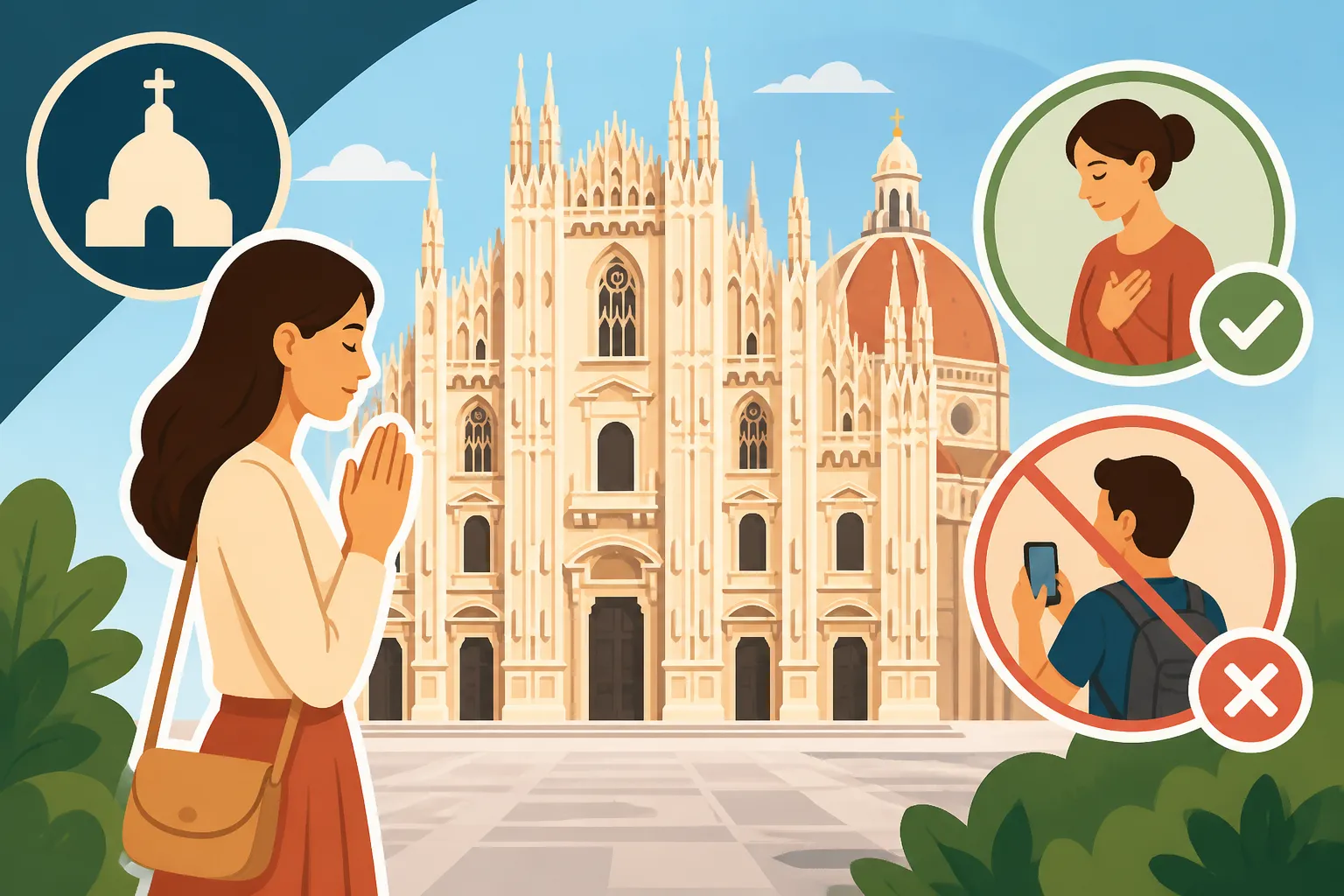
One of the most common pitfalls for visitors, especially during Italy's sweltering summers, is the dress code. Trust me, I get it. It’s 35 degrees Celsius, and all you want to do is wear shorts and a tank top. But many cathedrals and churches in Italy, particularly the major ones, enforce a strict dress code: shoulders and knees must be covered. This isn't about shaming anyone; it's a long-standing cultural and religious expectation. For women, this means no spaghetti straps, halter tops, or mini-skirts. For men, no tank tops or very short shorts. I've seen countless tourists turned away at the entrance of the Milan Duomo or St. Mark's Basilica in Venice, looking utterly bewildered and frustrated because they weren't aware of this simple rule.
The best approach is to always err on the side of modesty. Pack a light scarf or shawl that you can easily throw over your shoulders, or wear a lightweight long-sleeved shirt and trousers or a longer skirt. Some entrepreneurial vendors outside popular cathedrals might sell cheap scarves, but it’s always better to be prepared. This isn't just about covering up; it's also about a general sense of bella figura, that uniquely Italian concept of presenting oneself well and appropriately for the occasion. Inside, your demeanor is just as important as your attire. Loud conversations, shouting across the nave, or animated discussions should be avoided. This is a place for quiet reflection, so try to keep your voice low, almost a whisper, or better yet, simply observe in silence. Remember that others might be in prayer, seeking a moment of peace.
| Area of Cathedral | Dress Code (Min.) | Photography | General Conduct |
|---|---|---|---|
| Main Nave (General Access) | Shoulders & Knees Covered | No flash, no tripods | Quiet, no eating/drinking, minimal phone use |
| Altar/Chapel Areas | Shoulders & Knees Covered | Often prohibited (look for signs) | Absolute silence, prayer, avoid disrupting |
| During Mass/Service | Strictly Covered (no bare midriffs) | Strictly prohibited | Participate or stand discreetly at back, silence |
| Crypts/Museums (within church) | Standard modest | Signs vary; generally no flash | Respectful, quiet |
| Outdoor Areas/Exterior | No specific dress code | Permitted | Respectful of surrounding church |
Beyond noise, general conduct plays a huge role. Avoid eating or drinking inside the cathedral. If you need to take a call, step outside. And while it might seem obvious, resist the urge to sit on altars, climb on statues, or touch delicate artwork. These are sacred objects, not playgrounds. Children should be kept close and encouraged to be quiet. It’s a challenge, yes, but it instills good habits. Just as you wouldn't kick off your shoes and put your feet up in someone’s living room, extend that same courtesy and respect to these magnificent, revered spaces. Maintaining a respectful posture, even when simply walking through, shows your appreciation for the sanctity of the place. It's a small effort that goes a long way in blending seamlessly into the local reverence. You can learn more about general Italian social customs and norms by reading our guide on Italian Customs, Etiquette, and Social Life.
Photography, Guided Tours, and Respectful Exploration
Taking photos in Italy's cathedrals can be a bit of a minefield, as rules vary from one location to another. Generally, photography without flash is permitted in many areas of major cathedrals, but there are often restrictions. You'll frequently see "No Photography" signs, especially around altars, in certain chapels, or during religious services. Always look for these signs, as ignoring them is a direct act of disrespect. Flash photography is almost universally prohibited because it can damage delicate frescoes and artworks, and it's incredibly disruptive to others. Imagine trying to pray or quietly admire a masterpiece when someone's flash keeps going off around you.
If you're on a guided tour, which can be incredibly enriching for understanding the history and art, always follow your guide's instructions. Reputable tour operators, like those found on GetYourGuide, often brief participants on appropriate behavior and photography rules before entering. Your guide will likely emphasize keeping your voice down and staying together as a group to avoid disturbing other visitors or services. Avoid blocking pathways or standing in front of people who are trying to pray or simply observe. These magnificent spaces are for everyone, and shared courtesy ensures a pleasant experience for all. If you are using your phone to take pictures, also remember to silence it completely. The jarring sound of a notification can quickly break the serene atmosphere.
When planning your visit, consider checking the cathedral's official website for specific photography rules and opening hours, especially if you want to avoid mass times for general sightseeing. Many major cathedrals, like the Florence Duomo Complex, often have dedicated museum areas where photography rules might be more relaxed, but the main church area remains a place of worship first and foremost. Sometimes, you'll find designated "photo points" or areas where photography is explicitly encouraged, which is a great way to capture memories respectfully. For those hoping to truly capture the essence of these places, consider foregoing the camera entirely for a few moments, and simply soak in the atmosphere, the hushed reverence, and the sheer scale of devotion embodied in the architecture. This mental snapshot will often be far more powerful than any digital one.
Planning Your Visit: Timing and Logistics with Respect in Mind
Timing your visit wisely can make a world of difference. Most cathedrals are active churches, which means they hold regular masses and other religious services throughout the day. Attempting to sightsee during a service is generally frowned upon and can be highly disruptive. If you want to experience the cathedral purely as a tourist, check their schedule online and plan to visit outside of service times. Usually, mornings are a good bet, especially right after opening, as crowds tend to be lighter and the atmosphere more tranquil. Alternatively, late afternoon can also work well, just before closing, though this might coincide with evening vespers in some locations.
When you're mapping out your itinerary for cities like Rome, Florence, and Venice, remember that these grand churches are central to the urban fabric. Using reliable resources to plan your travel logistics is key. For example, Omio can be a lifesaver for booking train tickets across Italy, helping you get from one historical city to another seamlessly. Once you arrive, having your accommodation sorted is crucial, and sites like Booking.com offer a vast array of options, from charming B&Bs to modern hotels, many within walking distance of major cathedrals. Always confirm the exact location and check reviews, especially regarding accessibility and noise levels. Exploring these cities on foot is often the most rewarding way to discover hidden gems and approach these magnificent buildings respectfully.
It's also worth noting that while entry to the main worship area of many cathedrals is free, access to specific parts like crypts, domes, bell towers, or associated museums often requires a ticket. For instance, while you can enter St. Peter's Basilica for free, climbing the dome incurs a fee. Similarly, in Florence, while the cathedral itself is free, climbing Brunelleschi's Dome or visiting Giotto's Bell Tower requires a paid ticket, which also grants access to the Baptistery and the Museo dell'Opera del Duomo. These fees are usually dedicated to the maintenance and preservation of these ancient structures, which is an understandable expense. Be prepared for potential queues, especially during peak season; sometimes, a little patience is part of the pilgrimage. For tips on navigating other popular Italian attractions, you might find our guide on How to Skip the Lines at the Colosseum and Vatican particularly useful. Planning your visit not only enhances your experience but also shows consideration for the venues and local communities.
Disclaimer
Please remember that travel information and local regulations, including dress codes and photography rules, can change. While every effort has been made to provide accurate and up-to-date information, it is always recommended to check the official websites of specific cathedrals or consult local authorities prior to your visit. This guide offers general advice for respectful conduct in sacred spaces in Italy.