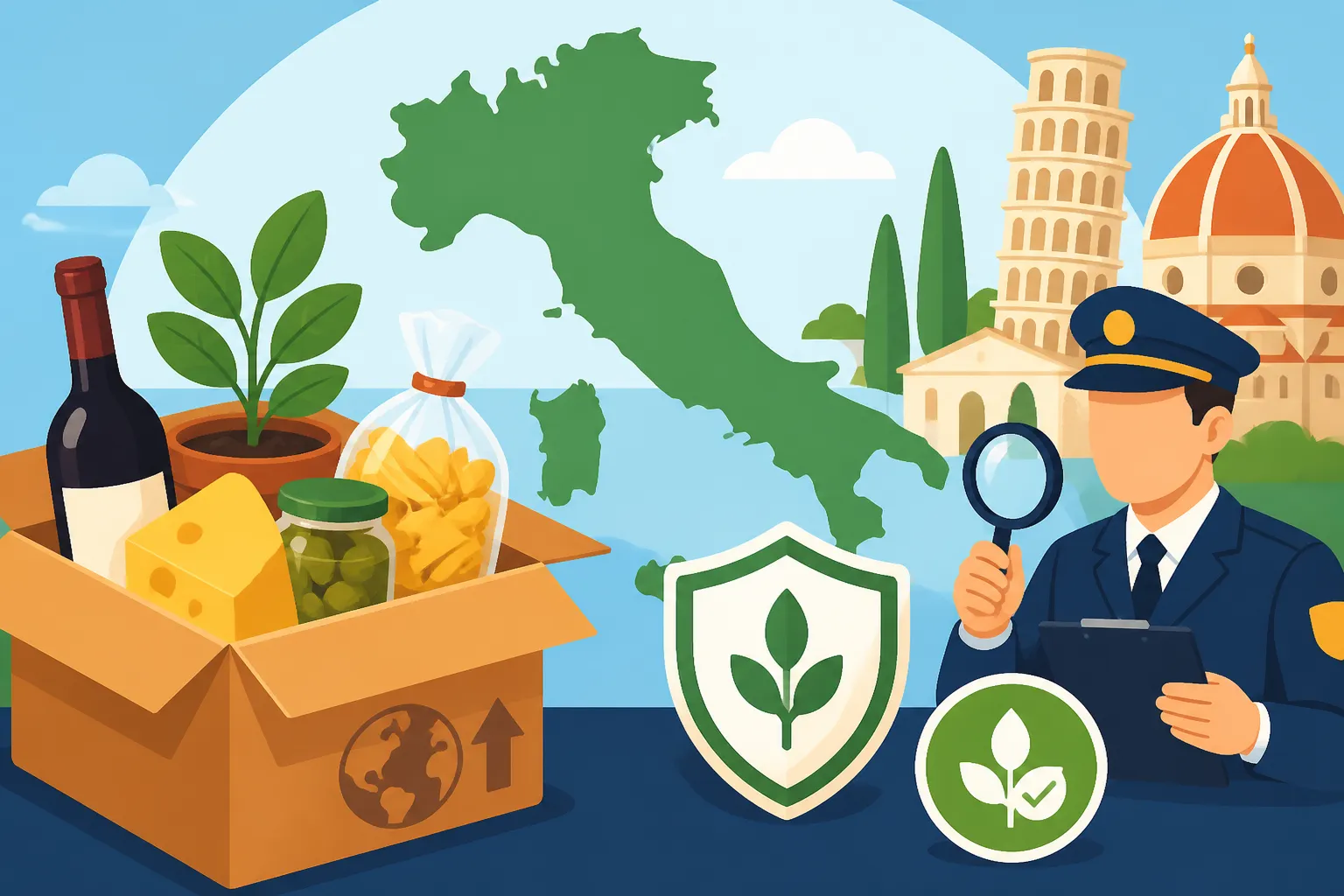
Shipping Alcohol, Food, and Plants Into Italy: Duty and Phytosanitary Rules
Ah, the romance of moving to Italy! You’ve probably spent countless hours dreaming of your new life here, picturing yourself sipping a local vino on your balcony or cooking a delicious meal with fresh Italian ingredients. But then reality sets in: what about all those precious bits of home you want to bring with you? Your favorite bottle of Scotch, that special spice blend, or even your beloved houseplants? Believe me, navigating the complexities of shipping alcohol, food, and plants into Italy can feel like trying to untangle a bowl of spaghetti – delicious, but oh so messy if you don't know where to start. This guide is here to walk you through the often-confusing duty and phytosanitary rules, so you can bring a little piece of your old life into your new Italian one, without any unpleasant surprises from customs.
Disclosure: This post may contain affiliate links. We may earn a commission at no extra cost to you if you make a purchase through these links. Read full disclosure.
The Tangled Web of Italian Customs: A Primer for Expats
Moving country is already a monumental task, and then you hit the customs wall. Italy, like many nations, has a robust system designed to protect its economy, its agriculture, and its citizens. Understanding the fundamental reasons behind these rules can make them a little less frustrating, even if the paperwork still makes you want to pull your hair out.
Understanding the "Why": Protecting Italy's Economy and Ecosystem
At its core, Italian customs regulations are about control. On one hand, there's the economic aspect: duties and taxes on imported goods, especially items like alcohol, contribute to the national treasury. These aren't just arbitrary fees; they're designed to either generate revenue or, in some cases, regulate consumption and ensure fair competition for local producers. When you're bringing in goods, especially from outside the European Union, you're essentially importing them into the EU customs territory. This means you'll be subject to common EU customs regulations, which Italy then implements.
But it’s not just about money. A huge part of the "why" relates to safeguarding Italy's incredible natural heritage and public health. Italy’s agriculture is world-renowned, and its diverse ecosystems are vulnerable to foreign pests and diseases. Imagine if a seemingly innocent houseplant carried a pathogen that could wipe out a vineyard or olive grove! Similarly, food imports are scrutinized to prevent the introduction of harmful bacteria or undeclared allergens, ensuring consumer safety. So, while it might feel like bureaucracy for bureaucracy's sake, these rules are crucial for keeping Italy, well, Italy. The distinction between personal use and commercial import is also critical here. Customs officials are generally more lenient with small quantities clearly for personal consumption, but larger amounts will automatically trigger commercial import procedures, which are far more stringent.
The Dreaded Bureaucracy: What Forms You'll Encounter
The paperwork… oh, the paperwork! It's an expat rite of passage, isn't it? For every box, every bottle, every plant you want to bring into Italy, there's a paper trail. The specific forms you'll need depend heavily on the type of goods, their origin (EU vs. non-EU), and their value. For personal effects being moved as part of a household relocation, you’ll typically need a detailed inventory list, sometimes notarized, declaring everything you’re bringing. This is a big one, as it forms the basis of your customs declaration. For goods requiring special permits, like plants, you’ll need to present the appropriate certificates at the point of entry.
From non-EU countries, you'll generally encounter a Customs Declaration (Dogana), which will list the items, their value, and their origin. This document is essential for calculating any applicable duties and VAT. For items like alcohol or certain food products, you might also need specific import licenses or health certifications. Misdeclarations, either accidental or intentional, can lead to significant delays, confiscation of goods, and even hefty fines. It's truly a scenario where honesty and meticulousness pay off. This is precisely why many expats opt for a moving service that includes customs clearance expertise. Services like Sirelo can connect you with international movers who have dedicated customs brokers on staff, helping you prepare all the necessary documentation and navigate this labyrinthine process. They understand the nuances of Italian and EU import regulations, which can save you untold stress and potential costs. When you're trying to figure out how to manage your budget in Italy, unexpected customs fees are the last thing you need!
Shipping Alcohol to Italy: Cheers or Tears?
One of the first things many expats consider is bringing their favorite wines, spirits, or beers from home. Maybe it's a rare craft beer, a family heirloom bottle of whisky, or simply your preferred brand of gin that's hard to find in Italy. Be prepared, because shipping alcohol can be one of the trickiest categories.
Rules for Moving Your Wine Cellar or Favorite Spirits
The rules for shipping alcohol into Italy depend almost entirely on whether you're shipping from within the EU or from a non-EU country.
- From within the EU: If you're moving from another EU member state, the good news is that goods generally move freely without customs duties. This means you can typically bring in alcohol for personal consumption without paying additional taxes, as long as the excise duty has already been paid in the country of origin. However, there are still "indicative levels" set by the EU to distinguish between personal use and commercial intent. These aren't strict limits but guidelines. For example, common indicative levels are 90 litres of wine (of which no more than 60 litres can be sparkling wine), 110 litres of beer, 10 litres of spirits, and 20 litres of fortified wine. If you exceed these, customs might ask you to prove it’s for personal use.
- From non-EU countries: This is where it gets complicated. When you import alcohol from outside the EU, it's subject to both customs duties (dazi doganali) and Excise Duty (Accisa), as well as the standard Value Added Tax (IVA), which is typically 22% in Italy. The customs duty rates vary based on the type of alcohol and its alcoholic strength, often calculated per hectolitre (100 liters) or per percentage of alcohol by volume. For example, a bottle of high-proof spirits will incur significantly more duty than a bottle of table wine. Furthermore, you'll need to declare these items explicitly on your customs forms. Many people decide to simply leave their extensive wine collections behind or purchase locally after considering the cost, especially since Italy has a fantastic selection of its own! For a smoother overall relocation process, checking out a guide like The Ultimate Guide to Renting and Buying a Home in Italy can give you a holistic view of what to expect.
Avoiding Sticky Situations and Hefty Fines
The biggest mistake you can make when shipping alcohol is to be vague or dishonest on your customs declaration. Trying to sneak in a few bottles disguised as "kitchen supplies" is a recipe for disaster. If caught, you risk not only confiscation of your goods but also substantial fines, which can far exceed the value of the alcohol itself.
To avoid these headaches, follow these golden rules:
- Declare Everything Accurately: Be precise about the type, quantity, and alcoholic strength of each item.
- Understand the Costs: Research the current duty and tax rates. Factor these into your decision. Sometimes, it's cheaper to just buy a new collection in Italy.
- Proper Packaging: Alcohol is fragile. Ensure it's packed securely in specialized boxes to prevent breakage. Customs won't be sympathetic if your undeclared, broken bottles leak all over your other belongings.
- Work with Experts: This cannot be stressed enough. A reliable international mover like those found through Sirelo will have experience with these regulations. They can advise you on the specific duties, help with the correct documentation, and ensure your alcohol is transported and cleared legally. They can also ensure that your valuable items are adequately insured. Remember, Italy's bureaucracy can be challenging, and having an expert in your corner, especially for complex items like alcohol, makes all the difference.
Bringing Your Culinary Comforts: Food Regulations in Italy
Homesickness often manifests as a craving for a taste of home. That specific brand of tea, a unique sauce, or your favorite childhood candy might be on your list. While bringing food seems less complicated than alcohol, Italy has strict rules, especially concerning products of animal origin and fresh produce.
What You Can and Cannot Ship: The Perishable Puzzle
When it comes to food, the primary concern for Italian and EU customs is biosecurity and public health. This means anything that could introduce animal diseases or plant pests is heavily restricted or outright banned.
-
From non-EU countries:
- Meat, Dairy, and Certain Animal Products: This is a big NO. Generally, you cannot bring meat, meat products, milk, or dairy products (like cheese or yogurt) from non-EU countries into Italy. This rule is very strictly enforced to prevent the introduction of animal diseases. There are very limited exceptions, such as small quantities of powdered infant milk, infant food, and special foods required for medical reasons, but even these often require specific packaging and weight limits. Don't try to ship your favorite artisan cheese from America; it will be confiscated.
- Fresh Produce: Fresh fruits, vegetables, and plants are also generally prohibited or require a phytosanitary certificate (which we’ll get to). This is to prevent the introduction of pests and plant diseases.
- Processed Foods: This is your best bet. Items like biscuits, chocolates, candies, roasted coffee, dried pasta, canned goods (shelf-stable, commercially packaged), and certain spices are usually permitted in reasonable quantities for personal use. The key here is "shelf-stable" and "commercially packaged." Homemade items, even if they're non-perishable, often raise red flags because their ingredients and preparation cannot be verified.
-
From within the EU: Movement of food products for personal consumption is much freer. You can generally bring any type of food from another EU country into Italy without customs restrictions, as long as it's for personal use. However, quantities should remain reasonable to avoid being flagged as commercial intent.
Packaging, Labeling, and Declarations for Edible Goods
Even for permitted food items, proper presentation and declaration are crucial.
- Commercial Packaging is Key: Whenever possible, ensure food items are in their original, unopened commercial packaging with clear ingredient lists. This assures customs that the product meets safety standards and isn't something illicit.
- Accurate Labeling: Clearly label all food items on your inventory list. Instead of just "food," specify "canned tomatoes," "packaged biscuits," or "dried spices."
- No Perishables in Transit: Even if you think a perishable item might survive the journey, the risk of spoilage and confiscation is too high. Don't pack fresh items or anything that needs refrigeration.
- Hypothetical Scenario: Let's say you want to ship your grandmother's famous homemade strawberry jam. While it's shelf-stable, because it's homemade and not commercially sealed or labeled with ingredients and origin, it falls into a gray area. Customs might view it with suspicion, as they can't verify its contents or safety. It's often safer to enjoy those sentimental food items before you move or find a new Italian equivalent.
When planning your move, consider checking out resources like Choosing Movers for a Relocation to Italy to ensure your belongings, including any permitted food items, are handled by professionals. They can provide advice on what's safe to pack and how to declare it correctly.
The Green Thumbs' Dilemma: Shipping Plants and Seeds to Italy
For many of us, houseplants aren't just decor; they're living companions. The thought of leaving them behind can be heartbreaking. However, shipping plants and seeds into Italy is arguably the most regulated category, due to stringent biosecurity measures. Italy takes the health of its agricultural sector very seriously.
Phytosanitary Certificates and Plant Passports: Your Golden Tickets
If you're a plant lover, this is where you need to pay very close attention.
- From non-EU countries: You will almost certainly need a Phytosanitary Certificate (PC) for any live plant, seed, or plant product (like bulbs, cuttings, or even some dried flowers) you wish to bring into Italy. This certificate is issued by the plant health authority in your country of origin (e.g., USDA in the US, DEFRA in the UK). It certifies that the plant has been inspected, is free from pests and diseases, and complies with the phytosanitary requirements of the importing country (Italy/EU). Obtaining one involves an inspection and usually a fee. It can be a complex process, so start early! Without this certificate, your plants will be confiscated and destroyed at the border, no exceptions. Moreover, some species are entirely prohibited regardless of certification.
- From within the EU: If you're moving from another EU member state, plants generally circulate more freely under the EU Plant Passport system. This system ensures that plants have met EU health standards. Many plants bought within the EU will already have a plant passport attached. For larger, older plants, or those propagated at home, you might still need to ensure they comply with internal EU regulations.
- CITES Convention: Beyond general phytosanitary rules, some plant species are protected under the Convention on International Trade in Endangered Species of Wild Fauna and Flora (CITES). If your plant is on the CITES list (e.g., certain orchids, cacti, or rare timber trees), you'll need additional CITES permits from both the exporting and importing countries. This is an extremely rigorous process designed to prevent illegal trade in endangered species. Ignorance is no excuse here; violating CITES can lead to severe penalties, including large fines and imprisonment.
Prohibited Species and Biosecurity Concerns
Italy and the EU have a "positive list" approach for many plant imports, meaning only certain species from specific countries are allowed, even with a phytosanitary certificate. This is to protect the indigenous flora and crucial agricultural industries (think olive trees, grapevines, citrus groves) from invasive pests and diseases that could decimate them. For example, certain types of citrus plants from outside the EU are often banned outright due to the risk of diseases like citrus greening. Soil is also a huge concern; bare-root plants are often preferred, or plants must be in a sterile, soilless growing medium.
Imagine a scenario: you bring a beautiful houseplant from outside the EU without a phytosanitary certificate. At Italian customs, it's discovered. Not only is your plant immediately seized and destroyed, but you might also face administrative penalties. This isn't just about a plant; it's about protecting an entire ecosystem. For further context on navigating Italian administrative requirements, consider reading about Registering With Your Local ASL in Italy: A Practical Guide, as it shares similar bureaucratic challenges.
The bottom line for plants: research, research, research! Check the specific rules for your plant species and origin country well in advance with the Italian customs agency (Agenzia delle Dogane e dei Monopoli) or the plant health authority in Italy. For comprehensive advice on navigating the move, including potentially complex items like plants, resources like Sirelo can connect you with specialized movers experienced in international relocations and the specific declarations required for such sensitive items.
Navigating the Complexities with Confidence: Your Shipping Partner
Moving your entire life to a new country is never simple, and the added layer of international shipping regulations for special items like alcohol, food, and plants can make it feel overwhelming. This is where the right moving partner becomes invaluable.
The Value of a Specialized International Mover
Think about it: an international mover isn't just about loading boxes onto a truck or container. A truly specialized mover understands the intricate logistics, the transit routes, and most critically, the customs and import regulations of both the origin and destination countries. They act as your expert guide, transforming what could be a source of immense stress into a streamlined process.
Here’s what a good international mover brings to the table:
- Customs Expertise: They have dedicated customs brokers or a deep understanding of import and export laws, including the nuances of duty and tax calculations, specific prohibitions, and required documentation for items like alcohol, food, and plants. They can help you prepare accurate inventory lists and customs declarations, minimizing the risk of delays or penalties.
- Packaging and Handling: They know how to properly pack fragile items like alcohol, ensure temperature stability for permitted food items, and prepare plants for international transit according to phytosanitary requirements.
- Logistics Management: From choosing the right shipping method (sea freight, air freight) to coordinating transit and delivery, they handle all the moving parts, providing you with tracking and peace of mind.
- Insurance: They can advise on comprehensive insurance options to protect your valuable belongings against loss or damage during transit, which is especially important for high-value items or sensitive goods.
Trying to manage all of this yourself, especially with the language barrier and Italy’s specific bureaucratic processes, can quickly become a false economy. The time, stress, and potential fines saved by using a professional often far outweigh the cost of their services. For other complex logistical challenges, you might find similar advice in our guide on Moving to Italy with Pets: Rules and Tips.
How Sirelo Simplifies Your Move to Italy
This is where a platform like Sirelo truly shines. Instead of sifting through countless individual moving companies, trying to vet their international experience and customs knowledge, Sirelo does the legwork for you. It's designed specifically to help expats like us find reliable, experienced movers who specialize in international relocations to Italy.
Using Sirelo means you're not just getting a mover; you're getting access to a network of professionals who understand the complexities of shipping personal effects, including those tricky categories we've discussed. They can help you:
- Find Vetted Movers: Sirelo connects you with pre-screened moving companies known for their international expertise.
- Get Competitive Quotes: You can compare quotes from multiple movers, ensuring you get a fair price for a high-quality service.
- Access Expert Advice: The movers in Sirelo's network are well-versed in Italian customs regulations. They can provide specific guidance on what you can and cannot ship, what documentation is required, and how to declare your items correctly. This is particularly helpful for navigating the specific duty and phytosanitary rules for alcohol, food, and plants.
- Reduce Stress: Knowing that your belongings are in the hands of professionals who understand the intricate requirements for shipping into Italy provides immense peace of mind. They’ll help you check your Codice Fiscale is on the paperwork, manage documentation, and handle the interaction with customs officials, making your transition much smoother.
Don't let the thought of Italian customs dampen your excitement for your new life here. With the right planning and a reliable partner like those you'll find through Sirelo, you can successfully bring your cherished items from home to Italy, allowing you to settle in and enjoy la dolce vita to its fullest. Get started today by requesting free moving quotes through Sirelo and make your Italian dream a seamless reality.
Quick Reference: Shipping Rules for Italy
| Item Category | Origin: EU Country | Origin: Non-EU Country | Key Considerations & Restrictions |
|---|---|---|---|
| Alcohol | Free movement for personal use (duties paid in origin country). Indicative quantity levels apply. | Subject to Customs Duty (Dazi Doganali), Excise Duty (Accisa), and VAT (IVA). Strict declaration required. | Accurate declaration, proper packaging, cost of duties vs. local purchase, high fines for non-compliance. |
| Food (Perishable) | Free movement for personal use. | Generally Prohibited: Meat, dairy, fresh produce (fruits, vegetables). Exceptions for baby food/medical items with conditions. | High biosecurity risk. Confiscation likely. Avoid shipping. |
| Food (Non-Perishable) | Free movement for personal use. | Generally permitted for personal use. Must be commercially packaged, shelf-stable, and accurately declared. Homemade items risky. | Clear labeling, commercial packaging preferred. Quantities must be reasonable for personal use. |
| Live Plants & Seeds | Requires EU Plant Passport. | Requires Phytosanitary Certificate (PC) from origin country. Some species prohibited regardless of PC. CITES permits for endangered species. | High biosecurity risk. Plants without PC will be confiscated. Research specific species rules. Soil often prohibited. Start early! |
Disclaimer
The information provided in this guide is for general informational purposes only and does not constitute legal, tax, or professional advice. Customs regulations, duty rates, and phytosanitary rules in Italy and the EU are subject to change without notice and can be highly complex. It is essential to consult with the Italian Customs Agency (Agenzia delle Dogane e dei Monopoli), the relevant authorities in your country of origin, or a qualified international moving specialist (such as those found through Sirelo) for the most accurate and up-to-date information pertaining to your specific situation before making any shipping decisions. We cannot be held responsible for any losses, damages, or penalties incurred as a result of relying on this information.