Are Mental Health Services Free Under Italy’s SSN?
Wondering if mental health services are free under Italy’s SSN? This comprehensive guide explains public healthcare coverage for therapy and psychiatric care, co-payments, expat challenges, and how to access essential psychological support while living in the Italian peninsula.
Disclosure: This post may contain affiliate links. We may earn a commission at no extra cost to you if you make a purchase through these links. Read full disclosure.
Introduction
When relocating to a new country, understanding the healthcare system is one of the most critical steps for a smooth transition. Italy is globally renowned for its Servizio Sanitario Nazionale, the national public health service that provides universal coverage to citizens and legal foreign residents. The system is designed to ensure that everyone, regardless of their income level, has access to life-saving and preventative medical care.
However, mental health care is often a gray area in many nationalized healthcare systems around the world. Expats frequently ask if therapy, psychiatric evaluations, and ongoing mental health treatments are covered in Italy just like a visit to a cardiologist or an emergency room trip would be. The short answer is yes, mental health services are provided by the public healthcare system, and they are either completely free or highly subsidized.
The longer answer, however, involves understanding the bureaucratic layers of the Italian medical system, the reality of regional funding, and the practical challenges that non-Italian speakers face when trying to access these public services. While the state guarantees the right to mental health care, the execution of that care involves navigating waiting lists, understanding the co-payment system known as the “ticket,” and interacting with local community health centers. This extensive guide will break down exactly how mental health services function under the Italian public healthcare system, what costs you might incur, and how to effectively seek the support you need.
Understanding the Italian National Health System
To comprehend how mental health services are funded and delivered, you must first understand the foundation of the Servizio Sanitario Nazionale. Established in 1978, the system is funded through national and regional taxation. It is a highly decentralized system, meaning that while the central government in Rome sets the essential levels of care that must be provided to every resident, the actual delivery and management of healthcare are handled by the individual regions.
These regional authorities operate through local health units known as Azienda Sanitaria Locale. Depending on whether you live in Lombardy, Lazio, or Sicily, you may notice slight differences in how clinics are operated, how quickly you can get an appointment, and the specific administrative processes required to book a specialist.
For expatriates, gaining access to this system is a paramount priority. Once you have officially registered your residency in your local municipality, you are eligible to register for healthcare.
How Mental Health Care Works in the Public Sector
Italy has a very progressive history regarding mental health. In 1978, the country passed the landmark Basaglia Law, making it the first country in the world to completely abolish traditional psychiatric hospitals and asylums. The philosophy shifted from institutionalization to community-based care and social integration.
Because of this historic shift, public mental health services in Italy are primarily delivered through specialized community centers rather than large, isolated psychiatric hospitals.
Community Mental Health Centers
The core hub for adult public mental health care is the Centro di Salute Mentale. Every local health district operates one of these centers. They are designed to be accessible, community-oriented facilities that handle everything from acute psychiatric crises to ongoing therapy for severe depression and anxiety.
These centers are staffed by multidisciplinary teams that typically include psychiatrists, clinical psychologists, psychiatric nurses, and social workers. The goal of the center is to provide comprehensive care that addresses not only the medical and psychological aspects of a patient’s condition but also their social and environmental needs.
Family Counseling Clinics
For issues related to family dynamics, postpartum depression, youth psychology, and relationship counseling, the public system also operates the Consultorio Familiare. These are family counseling centers that provide psychological support specifically tailored to women, children, adolescents, and couples. The services provided at these family clinics are often completely free of charge and are an excellent resource for expat parents navigating the stresses of raising children in a new culture.
The Co Payment System and Ticket Fees Explained
Are these public mental health services completely free? In many cases, yes, but it depends heavily on your specific medical and financial situation, as well as the region in which you reside.
In the Italian public healthcare system, many specialist visits and diagnostic tests are subject to a standard co-payment known as the “ticket.” The ticket is a small fee that patients pay to contribute to the cost of their care.
If you are referred to a psychologist or a psychiatrist at the local community mental health center by your general practitioner, you will likely be asked to pay this ticket. The cost of a ticket for a specialist medical visit usually ranges from 15 to 36 euros per session. When compared to the cost of private therapy, which can easily exceed 80 to 120 euros per hour, the public ticket represents a massive financial subsidy.
Exemptions from the Ticket
It is crucial to note that many residents are completely exempt from paying the ticket. You may receive mental health services entirely free of charge if you fall into certain categories:
- Income-Based Exemptions: Individuals and families with an officially recognized low household income are exempt from medical co-payments.
- Chronic Condition Exemptions: If you have been officially diagnosed with a severe, chronic mental health condition (such as bipolar disorder or schizophrenia), the state provides a specific exemption code. This code ensures that all visits, therapies, and medications related to managing that specific condition are completely free.
- Disability Exemptions: Individuals with recognized severe disabilities are exempt from the ticket.
The Bonus Psicologo Initiative
In recent years, the Italian government has recognized a growing mental health crisis, largely exacerbated by the global events of 2020 and the subsequent economic pressures. In response, the state introduced a groundbreaking initiative known as the Bonus Psicologo.
This program is a state-funded financial subsidy designed to help citizens and legal residents pay for private psychotherapy sessions. While it is not a direct service provided by the public clinics, it uses public funds to make mental health care more accessible.
To qualify for the bonus, residents must apply through the National Institute of Social Security portal and present their current economic indicator certificate. The amount of the financial voucher granted depends on the applicant’s income bracket. Once approved, the patient receives a unique code that they can give to any participating private, licensed psychotherapist. The state then pays the therapist directly for the sessions up to the maximum value of the voucher.
This initiative has been wildly popular and has helped bridge the gap between the overwhelmed public system and the expensive private sector, offering a lifeline to thousands of individuals seeking psychological support.
Types of Mental Health Professionals in Italy
When seeking help, it is important to understand the different professional titles in Italy, as they dictate the type of care you will receive and how the public system categorizes them. For a broader directory of how to locate these specific providers, you can explore resources on Accessing Mental Health Care: Therapists and Psychiatrists.
The Psychologist
A Psicologo holds a university degree in psychology and has passed the state exam to be registered with the national professional order. They provide psychological counseling, diagnostic assessments, and emotional support. However, they are not medical doctors and cannot prescribe medication.
The Psychotherapist
A Psicoterapeuta is a professional who, after obtaining a degree in psychology or medicine, has completed an intensive, multi-year specialization school in psychotherapy. They are qualified to treat deep-seated psychological disorders using specific therapeutic frameworks, such as cognitive-behavioral therapy or psychoanalysis.
The Psychiatrist
A Psichiatra is a medical doctor who has specialized in psychiatry. Because they are physicians, they are the only mental health professionals in Italy who can prescribe pharmaceutical medications, such as antidepressants or anti-anxiety drugs. In the public community centers, you will often see a psychiatrist first for a clinical evaluation before being referred to a psychologist for ongoing talk therapy.
Challenges of the Public System for Expats
While the Italian public healthcare system provides an incredible safety net, expatriates seeking mental health care face two highly significant hurdles: waiting times and language barriers.
The Reality of Waiting Lists
The public mental health system in Italy is chronically underfunded and understaffed. As a result, the waiting lists for non-emergency psychological therapy can be exceptionally long. If you request a referral for regular talk therapy to deal with mild depression or expat adjustment anxiety, you may wait several months before your first appointment. For many people actively struggling with their mental health, waiting three to six months for an initial intake session is simply not a viable option.
The Language Barrier
The most profound challenge for expatriates is the language barrier. Psychotherapy is deeply reliant on nuance, emotional articulation, and precise communication. Even expats who speak conversational Italian often find it impossibly difficult to express complex emotional trauma or subtle feelings of anxiety in a second language.
In the public system, you do not get to choose your doctor; you are assigned to whoever is available at your local community center. The chances of being assigned a public psychologist who speaks fluent, native-level English are incredibly slim. Because of this, the public mental health system is frequently inaccessible to newly arrived expats who have not yet mastered the Italian language.
Private versus Public Mental Health Care
Because of the extensive waiting lists and the critical need for English-speaking professionals, a massive percentage of the expatriate community in Italy turns to the private healthcare sector for their mental health needs.
In the private sector, you have the absolute freedom to research and choose a therapist who speaks your native language and understands the unique cultural challenges of expatriation. Private therapists often offer immediate availability, and many conduct sessions via secure video calls, providing maximum convenience.
However, private therapy is an out-of-pocket expense. If you rely on private care, it is crucial to ensure you have the right financial protections in place. For a broader understanding of how these two sectors compare across all medical disciplines, you should review the Differences between Public and Private Healthcare in Italy.
To help you visualize the distinct pathways, refer to the comparison table below.
| Feature | Public SSN Mental Health Care | Private Mental Health Care |
| Cost per Session | Free or a small co-pay (15-36 Euros) | Full market rate (typically 70-120 Euros) |
| Language Availability | Almost exclusively Italian | High availability of English-speaking therapists |
| Waiting Times | Often long (weeks to months) for non-emergencies | Short (usually within a few days) |
| Choice of Provider | Assigned by the local health center | Total freedom to choose your therapist |
| Referral Required | Yes, usually from your general practitioner | No, you can book directly |
| Best Suited For | Severe, chronic conditions requiring multidisciplinary medical care | Talk therapy, expat adjustment, anxiety, fast access |
Emergency Mental Health Services Under the SSN
While routine therapy may involve waiting lists, emergency psychiatric care in Italy is rapid, highly professional, and completely free. The Italian public healthcare system treats psychiatric emergencies with the same urgency as physical trauma.
If you or a loved one is experiencing a severe mental health crisis—such as active suicidal ideation, a severe manic episode, or psychosis—you should go immediately to the nearest hospital emergency room, known as the Pronto Soccorso.
Upon arrival, the triage nurses will assess the situation and assign a high-priority code. You will be evaluated by the on-call psychiatrist in the hospital’s dedicated psychiatric ward. If hospital admission is deemed medically necessary to keep the patient safe, the inpatient stay, all psychiatric evaluations, and any administered medications are completely covered by the national health service without any out-of-pocket costs.
If you are experiencing a crisis but cannot safely travel to the hospital, you can dial the universal European emergency number, 112, to request an ambulance. The dispatch operators can often connect you with an English-speaking translator during the call.
How to Access SSN Mental Health Services Step by Step
If you decide to utilize the public healthcare system for your mental health needs, the process involves a specific bureaucratic pathway. Here is a step-by-step guide on how to navigate the system.
Step 1 Consult Your General Practitioner
Your journey in the public system always begins with your primary care physician, the Medico di Base. Schedule an appointment and discuss your mental health concerns openly. Your doctor will evaluate your symptoms and determine the appropriate level of care required.
Step 2 Obtain the Electronic Referral
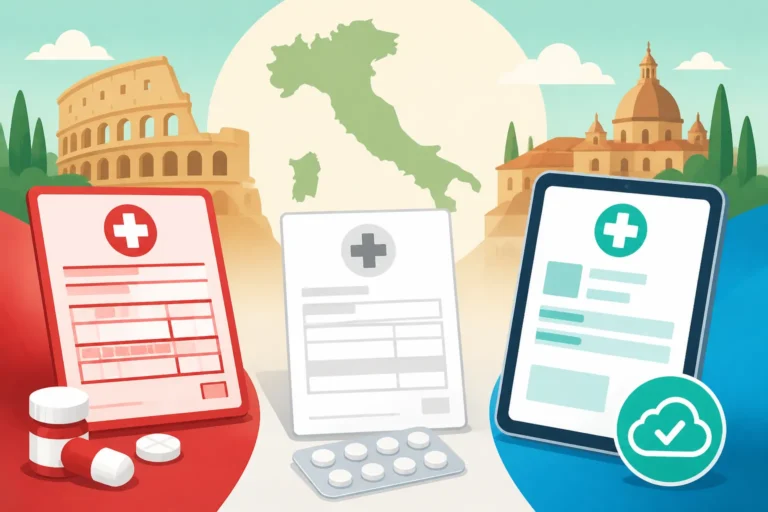
If your doctor agrees that you need specialized psychological or psychiatric support, they will issue an electronic referral, known as a ricetta elettronica or impegnativa. This digital document contains a barcode and a specific prescription number that authorizes you to book a specialist visit within the public system.
Step 3 Book the Appointment
Once you have your electronic referral, you must book the appointment through the regional centralized booking system. You can do this by calling the regional toll-free health number, visiting the booking counter at your local public hospital, or utilizing the regional health portal online. The booking operator will find the next available appointment at a community mental health center in your district.
Step 4 The Initial Assessment
On the day of your appointment, you will go to the designated community center. You will typically pay your ticket co-pay at the reception desk before your session. Your first visit will be a comprehensive intake assessment, usually conducted by a psychiatrist or a senior clinical psychologist. They will evaluate your history, provide a preliminary diagnosis, and draft a treatment plan, which may include regular therapy sessions, medication management, or participation in public support groups.
The Role of Expat Communities and Support Networks
Given the complexities of the public system and the cost of private therapy, many foreigners find immense comfort in community-based support. The expatriate community in Italy is highly active and remarkably supportive.
In major cities like Rome, Milan, and Florence, you can frequently find English-speaking support groups, wellness workshops, and informal meetups dedicated to mental health and expatriate adjustment. These groups provide a safe space to share experiences, vent about the frustrations of Italian bureaucracy, and realize that you are not alone in your struggles. For a deeper look into the various networks and hotlines available to foreign residents, be sure to explore the available Mental Health Support in Italy: Resources for Expats.
Conclusion
The question of whether mental health services are free under Italy’s SSN is nuanced. The Italian state is deeply committed to the principle of universal healthcare, and the public system absolutely provides robust, professional psychiatric and psychological care that is either completely free or highly subsidized by the ticket system. For individuals dealing with severe, chronic psychiatric conditions, the multidisciplinary care provided by local community mental health centers is a vital, life-saving resource.
However, for the average expatriate seeking routine talk therapy for anxiety, depression, or adjustment struggles, the public system’s long waiting lists and strict Italian-language environment often make it an impractical choice. Consequently, understanding your options in the private sector and leveraging initiatives like the Bonus Psicologo are essential strategies for maintaining your well-being abroad.
By familiarizing yourself with how the Italian medical hierarchy operates, from your general practitioner to the emergency room, you empower yourself to navigate crises safely. Prioritizing your mental health is the foundation of a successful life abroad. Whether you choose the subsidized public route, invest in a private English-speaking therapist, or lean into the support of the expat community, ensuring that you have the right psychological support will allow you to fully embrace and enjoy the magnificent adventure of living in Italy.
References
Primary sources (official)
- INPS (Istituto Nazionale della Previdenza Sociale): The official Italian social security institute providing detailed instructions, eligibility requirements, and the digital application portal for the state-funded Bonus Psicologo. https://www.inps.it/
Other helpful sources
- Ordine degli Psicologi: The national professional order of psychologists in Italy, offering resources on professional standards, patient rights, and directories to verify licensed psychological professionals. https://www.psy.it/
- The Local Italy: An English-language news and resource network providing ongoing updates on Italian healthcare policies, mental health initiatives, and practical guides to living abroad. https://www.thelocal.it/
Disclaimer
The information provided in this article is intended for general educational and informational purposes only and does not constitute official medical, psychological, financial, or legal advice. Healthcare regulations, regional ticket co-payment amounts, waiting times, and the eligibility criteria for state subsidies like the Bonus Psicologo are subject to frequent legislative updates. Always consult directly with a licensed Italian medical professional or your registered Medico di Base for personalized medical advice and treatment planning. If you or someone you know is experiencing a severe mental health crisis, active suicidal ideation, or a life-threatening psychiatric emergency, please dial the universal European emergency number 112 immediately or proceed to the nearest public hospital emergency room (Pronto Soccorso).