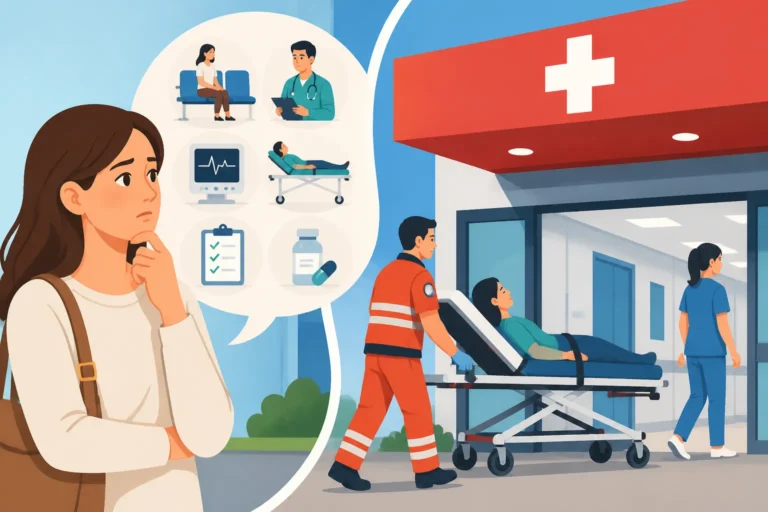
Mental Health Support in Italy: Resources for Expats
Moving to Italy is a thrilling adventure, but expat life can bring unique emotional challenges. This comprehensive guide covers how to navigate Italy’s mental health resources, from accessing public SSN services and applying for the Bonus Psicologo to finding English-speaking therapists.
Disclosure: This post may contain affiliate links. We may earn a commission at no extra cost to you if you make a purchase through these links. Read full disclosure.
Introduction to Mental Health Support in Italy
Moving abroad is one of the most stressful life events a person can undertake. While the initial “honeymoon phase” of an Italian relocation is filled with excitement, it is frequently followed by a period of cultural adjustment that can take a significant toll on your mental health. Navigating the infamous Italian bureaucracy, struggling to communicate in a new language, and being far away from your traditional support networks can trigger feelings of isolation, anxiety, and depression.
Recognizing these struggles is the first step toward overcoming them. Fortunately, Italy offers a robust framework of mental health support, though accessing it requires understanding a system that operates very differently from those in the US, UK, or Northern Europe. The Italian approach to mental health blends a strong public healthcare infrastructure with a growing private sector. Furthermore, recent government initiatives have expanded financial assistance for psychotherapy, making professional help more accessible than ever.
This extensive guide is designed to empower expats living in Italy to take charge of their mental well-being. We will explore the common emotional hurdles of expat life, detail how to access psychiatric and psychological care through the public Servizio Sanitario Nazionale (SSN), and explain the benefits of the private sector. We will also provide a step-by-step breakdown of the “Bonus Psicologo” financial aid program, and outline the critical emergency hotlines available in times of crisis. By familiarizing yourself with these resources, you can ensure that your Italian journey is not only culturally enriching but also emotionally sustainable.
Understanding the Expat Mental Health Experience in Italy
Before diving into the logistical resources, it is important to validate the specific emotional hurdles that foreigners face when moving to the “Bel Paese.” Expatriate depression and anxiety are well-documented phenomena, and Italy presents its own unique set of triggers.
The Stress of Relocation and Bureaucracy
The logistical reality of moving to Italy can be overwhelming. From securing a visa to hunting for an apartment and setting up utilities, the administrative burden is heavy. The Italian bureaucratic system is notoriously complex and slow-moving. For many expats, the constant worry over paperwork—particularly the anxiety surrounding the renewal of a residence permit—can lead to chronic stress and exhaustion.
Language Barriers and Isolation
While Italians are generally warm and welcoming, forming deep, meaningful relationships requires a high level of language proficiency. Expats who are still learning Italian often struggle to express their true personalities or share their deeper feelings with local friends. This inability to communicate nuance can lead to a profound sense of isolation and social anxiety, making the individual feel disconnected from their new community.
Relationship Strain
Relocating often puts immense pressure on relationships. For couples moving together, one partner may adapt faster than the other, or one may hold a job while the other struggles to find work, leading to resentment and conflict. Conversely, single expats must navigate the challenge of maintaining long-distance relationships with family and friends back home while trying to build a new social circle from scratch in an unfamiliar cultural landscape.
The Italian Cultural Approach to Mental Health
To effectively seek help in Italy, it is helpful to understand the cultural context of mental health. Historically, Italy relied heavily on the family unit as the primary source of emotional support. Psychological struggles were often kept private, dealt with behind closed doors, or discussed only with close relatives or religious figures.
However, this paradigm has shifted dramatically in recent years. The stigma surrounding therapy and psychiatric care has decreased significantly, particularly among younger generations and in urban centers like Milan, Rome, and Bologna. The Italian government and public health institutions now actively promote mental health awareness campaigns, such as “Non sei solo” (You Are Not Alone), encouraging citizens and residents to seek professional help without shame.
Accessing Public Mental Health Services Through the SSN
The Italian National Health Service (Servizio Sanitario Nazionale, or SSN) provides comprehensive mental healthcare, ranging from basic psychological support to intensive psychiatric treatment. If you are a legal resident, you have the right to access these services. If you have not yet set up your baseline coverage, reviewing How to Register for Italian Healthcare (SSN) as a Foreigner is your mandatory first step.
The Role of the General Practitioner
Your journey within the public system begins with your General Practitioner (Medico di Base). GPs in Italy are trained to provide basic mental healthcare for less severe issues, such as prescribing mild anti-anxiety medications or antidepressants. If your condition requires specialized therapy or advanced psychiatric intervention, your GP will issue a formal referral for you to see a specialist.
Community Mental Health Centers
For long-term conditions or severe psychiatric symptoms, the SSN operates specialized community clinics known as Centri di Salute Mentale (CSM). Located in every health district, the CSM is the primary access point for comprehensive psychiatric care. They offer psychiatric consultations, psychological therapy, medication management, and social rehabilitation programs. Most of these services are covered by the SSN with minimal or zero out-of-pocket costs.
Family Counseling Centers
Another excellent public resource is the Consultorio Familiare. These are widely available public facilities that offer free mental health assistance, focusing primarily on families, women, and youth. They provide counseling for marital issues, pregnancy-related anxiety, and adolescent struggles. You generally do not need a GP referral to access a Consultorio, making it a highly accessible entry point for care.
The Limitations of the Public System
While the public system is highly affordable, it has two significant drawbacks for expats:
- Waiting Times: The public system allocates a small percentage of overall healthcare funds to mental health. The wait time to see a public psychologist or psychiatrist for a non-emergency issue can range from a few weeks to several months.
- The Language Barrier: Finding a public therapist who can conduct deep, nuanced psychotherapy in English is extremely rare. Therapy requires a level of linguistic comfort and trust that is difficult to achieve if you are struggling to translate your feelings.
Private Mental Health Care in Italy
Due to the limitations of the public system, the vast majority of expats opt for private mental health care. The private sector offers immediate availability, a wider choice of therapeutic modalities, and, most importantly, the ability to select a therapist who speaks your native language.
Finding English-Speaking Therapists
Discussing trauma, anxiety, or depression requires an environment where you feel completely understood. Speaking in your mother tongue removes the cognitive load of translation, allowing you to focus entirely on your emotional healing.
Fortunately, finding an English-speaking psychologist or psychotherapist in Italy is becoming easier. Major cities have private international clinics, and online therapy has revolutionized access for expats in remote areas. Platforms like Therapsy specialize in matching expats with multilingual therapists who understand the unique cultural context of living in Italy. Other networks, such as Doctors in Italy and Expat Therapy 4 U, also maintain directories of vetted, English-speaking mental health professionals.
Therapeutic Approaches
Private therapists in Italy offer a wide range of evidence-based treatments. Cognitive Behavioral Therapy (CBT) is widely practiced, as is psychoanalysis. For expats dealing with the specific trauma of relocation or cultural stress, Eye Movement Desensitization and Reprocessing (EMDR) therapy is highly effective. EMDR helps patients reprocess traumatic memories and reduce the emotional burden of social anxiety, work stress, or relationship conflicts.
The Cost of Private Therapy
Private mental healthcare fees in Italy are generally lower than in the United States but still represent a significant financial commitment. A standard session with a private psychologist typically starts around €50 and can go up to €100 or more, while a consultation with a private psychiatrist (who can prescribe medication) usually starts from €120. Understanding these rates is a crucial part of managing your Cost of Healthcare in Italy: What Expats Need to Know.
Financial Support: The Bonus Psicologo
To address the rising need for mental health support and offset the costs of private therapy, the Italian government introduced a groundbreaking financial aid program known as the “Bonus Psicologo” (Psychological Bonus). This initiative provides state funds directly to citizens and residents to help cover the costs of private psychotherapy sessions.
Eligibility Requirements
The Bonus Psicologo is available to anyone legally residing in Italy, meaning expats with a valid residence permit are fully eligible. There are no age limits or minimum residency duration requirements.
The primary qualifying factor is your financial status, which is measured by the ISEE (Equivalent Economic Situation Indicator). Your ISEE must be under €50,000 to qualify for the bonus. If you have not yet calculated your ISEE, it requires submitting your income and asset data to the government, a process often handled with the help of a local tax office (CAF).
Funding Brackets for 2025 and 2026
The amount of money granted by the state varies on a sliding scale based on your ISEE bracket:
- ISEE up to €15,000: Maximum contribution of €1,500.
- ISEE between €15,000 and €30,000: Maximum contribution of €1,000.
- ISEE between €30,000 and €50,000: Maximum contribution of €500.
- The benefit can be requested only once per year.
How to Apply
Applications for the Bonus Psicologo are submitted exclusively online through the dedicated portal of the INPS (National Institute of Social Security). To access the portal, you must have a digital identity tool, such as a SPID or a CIE (Electronic Identity Card). The application window typically opens in the late summer or early autumn (for example, the claim period for the 2025 funds ran from mid-September to mid-November). Because funds are limited and distributed on a priority basis, it is highly recommended to apply as soon as the online portal opens.
Dealing with Mental Health Crises and Emergencies
If you or someone you know is experiencing a severe mental health crisis, immediate intervention is necessary. The Italian healthcare system treats psychiatric emergencies with the same urgency as physical trauma.
The Universal Emergency Number
In the event of an immediate, life-threatening crisis, including active suicide attempts or severe manic episodes, you should dial 112, the European emergency number. The operator will dispatch police or medical assistance as required. 112 operators can often connect you with an English-speaking translator. For a comprehensive overview of how this dispatch system operates, review our guide on Emergency Medical Services in Italy: 112 and Hospitals.
Hospital Psychiatric Wards (SPDC)
For psychiatric emergencies, you can go directly to the emergency room (Pronto Soccorso) of any general hospital. Italian hospitals operate specialized psychiatric emergency services known as SPDC (Servizio Psichiatrico di Diagnosi e Cura). The medical staff will evaluate the patient, provide immediate crisis stabilization, and arrange for short-term inpatient care if necessary.
Helplines and Support Hotlines in Italy
Sometimes, you just need someone to talk to immediately. Italy has a network of dedicated hotlines staffed by trained volunteers and professionals who provide compassionate, confidential listening. While the primary language of these services is Italian, some operators may speak English.
Table: Critical Mental Health Hotlines in Italy
| Service Name | Phone Number | Target Audience and Purpose | Operating Hours |
| Telefono Amico Italia | 02 2327 2327 (or 800 860022) | General emotional support for loneliness, anxiety, and distress. | 24/7 (or 10 AM to Midnight depending on the line). |
| Samaritans Onlus | 06 77208977 | Crisis intervention and suicide prevention support. | Daily from 1:00 PM to 10:00 PM. |
| Telefono Azzurro | 19696 | Mental health and emotional support specifically for children, adolescents, and parents. | 24/7. |
| Numero Anti Violenza | 1522 | Support for victims of domestic violence, abuse, and stalking. | 24/7. |
| Gay Help Line | 800 713 713 | Mental health, crisis support, and anti-discrimination for LGBTQIA+ individuals. | 4 PM to 12 AM, daily. |
| SOS Disturbi Alimentari | 800 180 969 | Counseling provided by specialists for eating disorders. | Business Hours. |
Building Your Own Support Network
While professional medical help is vital, establishing a personal support system is equally crucial for long-term mental wellness. Expats must proactively combat the isolation that comes with moving abroad.
Connect with the Expat Community
Seek out local expat groups on social media platforms or through websites like Meetup. Sharing your frustrations about Italian bureaucracy or cultural misunderstandings with people who are going through the exact same experience is incredibly validating.
Embrace the Italian Routine
Integrating into the local rhythm of life can significantly boost your mood. Adopt the tradition of the passeggiata (the evening stroll) to get out of the house, exercise lightly, and feel connected to the community. Routine provides a sense of control in an otherwise unpredictable expat environment.
Conclusion
Prioritizing your mental health as an expat in Italy is not a sign of weakness; it is a vital component of a successful and sustainable relocation. The challenges of adapting to a new culture, mastering a foreign language, and navigating the complexities of Italian daily life are significant, but you do not have to face them alone.
Italy provides a comprehensive safety net, from the free public clinics of the SSN and the crisis interventions of the SPDC to the financial relief offered by the Bonus Psicologo. Furthermore, the expanding network of private, multilingual therapists ensures that you can find professional, empathetic care in your native language. By utilizing these resources, reaching out to hotlines when in distress, and actively building a supportive community, you can transform the overwhelming aspects of expat life into an opportunity for profound personal growth. Protect your mental well-being, and you will be fully equipped to enjoy the incredible beauty and vibrant culture that Italy has to offer.
References
Primary sources (official)
- INPS (National Institute of Social Security): Official portal for submitting claims for the psychotherapy sessions contribution (Bonus Psicologo). https://www.inps.it
- Ministero della Salute (Ministry of Health): National overview of mental health policies and the Dipartimenti Salute Mentale (DSM). http://www.salute.gov.it
Other helpful sources
- Therapsy: Specialized mental health support and EMDR therapy tailored for expats living in Italy. https://therapsy.it
- Expatica: Comprehensive guide to accessing mental healthcare, the SSN, and private therapy fees in Italy. https://www.expatica.com/it/healthcare/
Disclaimer
The information provided in this article is for educational and informational purposes only and does not constitute official medical, psychiatric, or legal advice. Mental health resources, hotline numbers, and government financial assistance programs like the Bonus Psicologo are subject to frequent changes by the Italian authorities. If you are experiencing a medical or psychiatric emergency, please dial 112 immediately or proceed to the nearest hospital emergency room. Always consult with a licensed mental health professional regarding your specific psychological needs.