SafetyWing Nomad Insurance vs Nomad Health: Which Fits an Italy Stay
Navigating healthcare in a new country can feel like trying to solve a Rubik's Cube blindfolded, and Italy, with its layered public and private systems, is no exception. For digital nomads, remote workers, or anyone planning an extended stay, figuring out the right health insurance is paramount but often bewildering. This guide cuts through the confusion, offering a deep dive into SafetyWing's two primary offerings—Nomad Insurance and Nomad Health—to help you determine which one truly fits your unique needs for living, working, and thriving in Italy.
Disclosure: This post may contain affiliate links. We may earn a commission at no extra cost to you if you make a purchase through these links. Read full disclosure.
The Italian Healthcare Maze for Expats and Nomads
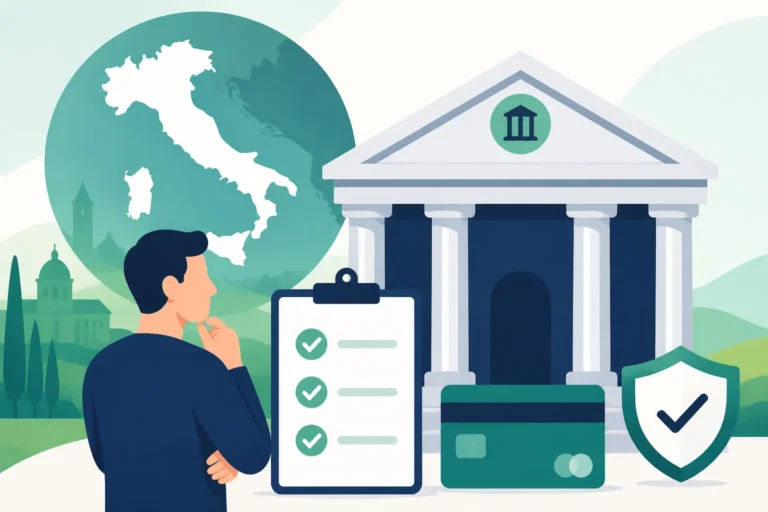
When you first arrive in Italy, the healthcare system can feel like an impenetrable fortress of paperwork and unwritten rules. It’s not just about finding a doctor; it’s about understanding what type of coverage you actually need and what the Italian authorities expect you to have. This isn't your home country's system, and pretending it is will only lead to headaches and potentially, hefty bills.
Why Traditional Health Insurance Is Tricky in Italy
Italy boasts a fantastic National Health Service (Servizio Sanitario Nazionale, or SSN) that provides universal coverage to legal residents. This is often an expat's long-term goal for healthcare. However, actually qualifying for and How to Register for Italian Healthcare (SSN) as a Foreigner can be a protracted bureaucratic battle, especially for non-EU citizens or those on certain types of visas. You typically need a valid long-stay visa, a permesso di soggiorno (residence permit), and official residency registered at your local Comune (municipality) before you can even begin the process of Obtaining the Italian Health Card (Tessera Sanitaria).
For many, particularly those without employment contracts in Italy or those on specific types of visas, enrolling in the SSN simply isn't an immediate option. This is where private health insurance comes into play, not just as a choice but often as a legal requirement for your visa application or as a crucial stop-gap measure until you can access the public system. Without it, you’re looking at paying out of pocket for every sniffle, sprain, or serious illness, and let me tell you, those costs add up quicker than you can say espresso. Understanding Cost of Healthcare in Italy: What Expats Need to Know is vital from day one.
The Nomad's Dilemma: Short-term vs. Long-term Needs
The typical digital nomad, by definition, is often transient, moving between countries or even within Italy, sometimes staying for a few months, sometimes longer. This transient nature clashes with traditional, country-specific health insurance plans that demand long-term residency or employment. Many standard travel insurance policies, while great for a two-week vacation, often fall short for extended stays, especially when it comes to covering anything beyond emergencies. They usually have strict limits on the duration of stay, and definitely don't cover routine care or pre-existing conditions.
This creates a significant dilemma: do you cobble together a series of travel insurance policies, hoping for the best? Or do you seek out something more robust that understands the unique lifestyle of a global citizen? This is precisely the gap that SafetyWing aims to fill with its offerings, but it's essential to understand the distinction between their travel medical insurance (Nomad Insurance) and their full health insurance (Nomad Health) to make an informed choice for your time in Italy. The wrong choice could mean you’re not covered for vital treatment, or worse, you run into visa issues because your insurance doesn't meet the requirements.
Diving Deep into SafetyWing Nomad Insurance
SafetyWing Nomad Insurance is often the first product many digital nomads encounter. It's built for flexibility and portability, offering coverage that travels with you. But it's crucial to understand its core function: it's primarily a travel medical insurance, not a comprehensive health plan designed for long-term, routine care. Think of it as a safety net for the unexpected, not a blanket for all your medical needs.
Key Features and Coverage for Italy
Nomad Insurance by SafetyWing provides coverage for sudden illnesses and injuries that occur while you're abroad. This includes emergency medical care, hospital stays, and emergency medical evacuations. If you slip on a cobblestone street in Rome and break an ankle, or come down with a severe case of food poisoning after sampling a local delicacy, Nomad Insurance would typically cover the costs associated with your acute treatment. It also extends to emergency dental care, which is a huge relief when you're in a foreign country and suddenly experience a throbbing toothache. They even offer travel benefits, such as coverage for travel delays, lost checked luggage, and personal liability.
In the context of Italy, this means if you're exploring the Uffizi Gallery in Florence and suddenly get struck with a nasty flu that requires an urgent doctor's visit and medication, SafetyWing Nomad Insurance is there for those unexpected, acute incidents. It’s designed to provide peace of mind that a sudden accident or illness won't derail your finances entirely while you're living your nomadic life. However, it’s not designed for regular check-ups, ongoing treatment for chronic conditions that existed before your policy began, or elective procedures.
How It Works on the Ground in Italy
Using Nomad Insurance in Italy usually involves a reimbursement model. This means you’ll typically pay for services out of pocket first, then submit a claim to SafetyWing for reimbursement. While this isn't always ideal, especially for large expenses, it's a common practice with travel medical policies. You'll need to keep all your receipts, medical reports, and any other relevant documentation meticulously organized – a task that can be a minor headache in itself, especially if there's a language barrier.
Finding doctors and hospitals in Italy can sometimes be a challenge, even with insurance. Many private clinics or guardia medica (after-hours doctors) might be easier to access directly for minor issues. For more serious emergencies, you’d head to the Pronto Soccorso (Emergency Room), where they operate on a triage system. It's always a good idea to notify SafetyWing as soon as reasonably possible in emergency situations so they can guide you through the process. While SafetyWing provides a network, for travel medical plans, the focus is often on getting necessary treatment anywhere, then claiming back. It's crucial to remember that Nomad Insurance isn't designed to integrate seamlessly with the Italian public health system, but rather to act as a private safety net for emergencies.
Pros and Cons for the Italian Nomad
Pros:
- Affordable and Flexible: One of the biggest draws of SafetyWing Nomad Insurance is its cost-effectiveness and pay-as-you-go subscription model. You can start and stop coverage easily, which is perfect for the unpredictable schedule of a nomad.
- Global Coverage: It covers you almost anywhere in the world, excluding your home country (with some brief home country coverage if you've been abroad for a certain period), making it ideal if Italy is just one stop on your journey.
- Emergency Focus: Excellent for unexpected accidents, injuries, and sudden illnesses, giving you peace of mind for those significant, unforeseen medical events that could otherwise wipe out your savings.
- Visa Compliance for Short Stays: For shorter-term stays or specific visa types that only require basic travel medical insurance (like some Schengen visas), SafetyWing Nomad Insurance can often suffice. However, always check the exact Health Insurance Requirements for Working Holiday Visas or student visas, as some may require more comprehensive coverage.
Cons:
- Limited Comprehensive Coverage: This is not health insurance for routine care. It won't cover regular check-ups, vaccinations, chronic condition management (if pre-existing), or mental health services beyond acute crisis intervention. If you're looking for Wellness and Preventive Care: Stay Healthy in Italy or need ongoing specialist care, this plan will fall short.
- Reimbursement Model: Paying upfront and waiting for reimbursement can be a financial strain for some, especially with larger medical bills.
- Visa Ambiguity for Long-Term: For longer-term visas or residence permits in Italy, where the requirement is often for "full health insurance" or specific minimum coverages, Nomad Insurance might not always meet the strict criteria of Italian consulates or Questura (police headquarters). It's vital to confirm this for your specific visa type.
- Deductibles: Like most insurance, it comes with a deductible, meaning you pay a certain amount out of pocket before coverage kicks in.
Unpacking SafetyWing Nomad Health
While SafetyWing Nomad Insurance serves as excellent travel medical insurance, SafetyWing Nomad Health steps up to offer a more robust, comprehensive health insurance plan. This is the offering for those seeking something closer to what you’d expect from a traditional health insurance policy in your home country, but designed with the global citizen in mind. If you’re planning to put down roots in Italy for a significant period, or simply want broader coverage, this is where you should focus your attention.
Comprehensive Health Coverage: What's Included
SafetyWing Nomad Health is designed to be your primary health insurance, offering far more extensive coverage than its travel medical counterpart. This plan covers a wide array of medical needs, including regular doctor's visits, specialist consultations, prescription medications, laboratory tests, diagnostic imaging (like X-rays or MRIs), and hospital stays – both planned and emergency. Crucially, it also provides coverage for preventive care, something Nomad Insurance typically does not. This means you can get your annual check-ups, screenings, and even some vaccinations covered, which is a game-changer for maintaining long-term health while abroad.
For those with chronic conditions, Nomad Health offers options to cover pre-existing conditions (though usually after a waiting period and subject to underwriting). This is a critical distinction, as many travel medical policies explicitly exclude anything considered pre-existing. Imagine needing routine follow-ups for diabetes or hypertension; Nomad Health aims to cover these, allowing you to manage your health proactively while enjoying your life in Italy. This type of coverage aligns much more closely with what authorities consider "full health insurance" for various visa categories, providing a stronger foundation for your stay.
Utilizing Nomad Health in Italy
With Nomad Health, SafetyWing aims for a more integrated and streamlined experience. Instead of strictly a reimbursement model, you're more likely to have direct billing arrangements with providers within their network, or at least a clearer process for pre-authorization and payment. This reduces your upfront out-of-pocket expenses and the hassle of paperwork. SafetyWing provides a network of doctors and hospitals, making Finding Doctors and Hospitals in Italy a less daunting task.
The advantage here is a more seamless interaction with private healthcare providers in Italy. While it doesn't automatically enroll you in the SSN, it gives you access to the robust private sector, which often has shorter waiting times and potentially more English-speaking staff. For example, if you need How to Get a Referral to a Specialist Doctor for a non-emergency issue, Nomad Health would facilitate this, ensuring you receive timely care without breaking the bank. This makes it a much more practical solution for everyday health management beyond just emergencies.
Who Benefits Most from Nomad Health in Italy?
SafetyWing Nomad Health is particularly beneficial for:
- Long-Term Expats: If you're planning to stay in Italy for a year or more, or if you're navigating the process of becoming a resident and enrolling in the SSN, Nomad Health provides comprehensive coverage during that transitional period and beyond. It can also serve as excellent supplementary private insurance even after you're in the SSN, offering access to private clinics and specialists without long public waiting lists.
- Families: For those moving to Italy with children, comprehensive coverage is a must. Nomad Health can cover pediatric visits, vaccinations, and other essential family healthcare needs.
- Individuals with Chronic Conditions: The potential for coverage of pre-existing conditions (after a waiting period) makes Nomad Health a viable option for those who need ongoing medical management.
- Visa Requirements: For visas that explicitly require comprehensive health insurance (e.g., some self-employment visas, elective residence visas, or certain student visas that may deem basic travel insurance insufficient), Nomad Health is far more likely to meet the stringent requirements of Italian consulates and the Questura. It provides the peace of mind that your insurance won't be a roadblock in your immigration journey.
- Those Seeking Stability and Predictability: If you value routine check-ups, preventive care, and want to know that most medical situations are covered, Nomad Health offers that level of security.
Nomad Insurance vs. Nomad Health: A Side-by-Side Comparison for Italy
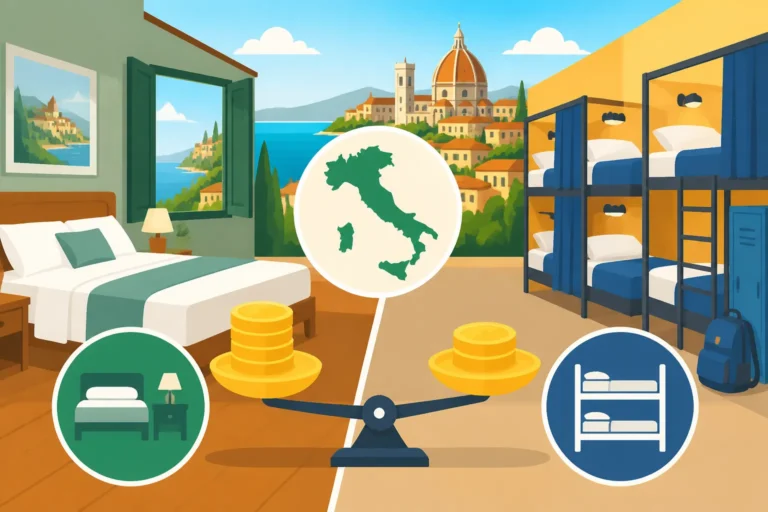
Making the right choice between SafetyWing Nomad Insurance and Nomad Health means truly understanding the fundamental differences in their coverage, cost structure, and how they interact with your life in Italy. It’s not just about the price tag; it’s about aligning the policy with your lifestyle, your health needs, and critically, Italy’s bureaucratic demands.
Coverage Scope and Financial Differences
The most significant divergence lies in the scope of coverage. Nomad Insurance is essentially emergency medical travel insurance, designed for unforeseen accidents and illnesses. It has a high policy maximum (e.g., $250,000 or more, though amounts can vary), but its coverage categories are limited. It’s about patching you up and getting you stable. Financial details will typically include a deductible, after which the policy pays up to a certain maximum for covered events.
Nomad Health, on the other hand, is comprehensive health insurance. Its policy maximums are much higher (often in the millions) and, more importantly, it covers a broader spectrum of medical services:
- Preventive Care: Annual check-ups, screenings, vaccinations.
- Specialist Visits: Routine appointments with dermatologists, cardiologists, etc.
- Maternity Care: For those planning a family or already pregnant.
- Mental Health: Coverage for therapy and psychiatric care.
- Prescription Drugs: Often covered more comprehensively than under Nomad Insurance.
- Pre-existing Conditions: Often included after a waiting period, making it suitable for long-term health management.
Financially, Nomad Health will naturally have a higher premium due to its extensive coverage. It may also have different deductible options, co-insurance, and out-of-pocket maximums that resemble traditional health insurance plans. While the monthly cost is higher, the reduced out-of-pocket expenses for a wider range of services can make it more economical in the long run if you require regular medical attention.
Navigating the Italian System with Each Plan
This is where the rubber meets the road for expats in Italy.
-
With Nomad Insurance: You're largely operating outside the Italian public system. For emergencies, you'd go to the Pronto Soccorso (ER), pay any fees, and claim reimbursement. For non-emergencies, you'd seek out private clinics or doctors, pay, and claim. This can work for short stays but offers no pathway to integrate with the SSN or access its benefits. It's often suitable for Schengen visa requirements but generally insufficient for longer-term residence permits or certain visas like the visto di residenza elettiva (Elective Residence Visa) or student visas, which demand more robust, comprehensive health coverage. The Italian authorities are increasingly strict about the type and extent of insurance.
-
With Nomad Health: While still private insurance, its comprehensive nature makes it far more likely to satisfy the requirements for various Italian long-stay visas and residence permits. It demonstrates to the authorities that you have adequate medical coverage for your entire stay, covering not just emergencies but also routine care. This can be critical for successful visa applications and for obtaining and renewing your permesso di soggiorno. It also gives you more robust access to Private Health Clinics in Italy: When Expats Use Them, which can be a lifeline for prompt appointments and English-speaking services, avoiding the sometimes long waits of the public system. For those aiming to eventually register for the SSN, Nomad Health can bridge the gap, providing full coverage until you finalize your public health enrollment.
Here’s a simplified comparison:
| Feature/Plan | SafetyWing Nomad Insurance (Travel Medical) | SafetyWing Nomad Health (Comprehensive Health) |
|---|---|---|
| Primary Purpose | Emergency medical care for unexpected illness/injury; travel benefits | Comprehensive health coverage for routine, preventive, and emergency care |
| Coverage Scope | Accidents, acute illnesses, emergency dental, travel delays, lost luggage | Doctor visits, specialists, prescriptions, hospital stays, preventive care |
| Preventive Care | Generally not covered | Generally covered (annual check-ups, screenings) |
| Pre-existing Conditions | Generally excluded | May be covered after a waiting period and underwriting |
| Maternity/Mental Health | Limited to acute crisis for mental health; no maternity | Comprehensive maternity and mental health coverage |
| Cost | Lower monthly premium | Higher monthly premium |
| Payment Model | Mostly reimbursement (pay first, claim later) | Direct billing options, reduced upfront costs, reimbursement for out-of-network |
| Visa Compliance (Italy) | Often suitable for short-stay Schengen visas | More likely to meet requirements for long-stay visas and residence permits |
| Integration w/ SSN | None, purely private emergency cover | Can bridge gap to SSN, excellent private alternative/supplement |
| Flexibility | Highly flexible, subscription-based, start/stop anytime | Subscription-based but typically requires longer commitment for full benefits |
Choosing Your SafetyWing Path for Italy: Scenarios and Recommendations
Deciding between SafetyWing Nomad Insurance and Nomad Health isn't a one-size-fits-all situation. Your choice should be a thoughtful reflection of your specific circumstances, your health needs, and your immigration status in Italy.
Best Fit for Short-Term Stays and Digital Nomads
If you're truly a transient digital nomad, planning to spend just a few weeks to a couple of months in Italy as part of a larger European or global adventure, or you're just dipping your toes into Italian life before committing, SafetyWing Nomad Insurance is often the ideal choice. It's flexible, affordable, and covers those crucial "oh no!" moments like accidents or sudden illnesses. Many remote workers and travelers cherish its simplicity and portability.
For instance, if you're on a Dichiarazione di Presenza (a declaration of presence for stays under 90 days for non-Schengen citizens, or for any stay for EU citizens not immediately registering residency) or a short-term visa, and you're not planning to establish formal residency, this level of coverage is usually sufficient. It gives you protection for the unexpected without the higher cost of a full health plan. It’s perfect for exploring Tuscany for a month, learning Italian in Bologna for six weeks, or tackling a short work project in Milan, knowing that a broken arm won't completely derail your trip. For very short stays, you might even consider Using Your European Health Insurance Card (EHIC) in Italy if you're an EU citizen, but for longer periods, comprehensive private cover is always advisable.
Best Fit for Longer-Term Residents and Comprehensive Needs
If Italy is more than just a pit stop—if you're moving here for a job, seeking a long-term visa, pursuing higher education, or simply planning to stay for six months or longer—then SafetyWing Nomad Health is almost certainly the superior option. This is especially true if you intend to secure a permesso di soggiorno and establish residenza (official residency), as Italian authorities will expect robust health coverage. The peace of mind that comes from knowing you're covered for routine check-ups, specialist visits, and potentially even pre-existing conditions is invaluable when you're settling into a new country.
Consider the scenario where you move to Rome on a self-employment visa. The consulate will likely demand comprehensive health insurance that covers more than just emergencies for the duration of your visa. Nomad Health fits this bill much better. Or perhaps you're a student planning to study at a university in Italy for a year or two. While there are sometimes student-specific insurance schemes, a plan like Nomad Health can offer a familiar level of care that goes beyond the basics, giving you broader access to Mental Health Support in Italy: Resources for Expats or allowing you to comfortably get your annual flu shot. It’s an investment in your well-being and a crucial step towards legitimate long-term living in Italy.
Essential Considerations: Visa Requirements and Italian Residency
This point cannot be stressed enough: always check the specific health insurance requirements for your Italian visa type. These requirements can vary significantly. A tourist visa might only need basic travel medical insurance (which Nomad Insurance can provide), but a long-term work visa, elective residence visa, or student visa will almost certainly demand a policy that is comprehensive and covers the full spectrum of medical care, usually with a high maximum coverage and often without large deductibles. Nomad Health is designed to meet these more stringent demands.
Furthermore, once you successfully obtain your permesso di soggiorno and register your Registering Residency in Italy (Residenza and Anagrafe) at your local Comune, you may become eligible to register with the SSN. This typically happens for those with valid work contracts or certain long-stay family visas. During the interim period between your arrival, permit application, and final SSN registration, having a comprehensive private plan like Nomad Health is not just smart—it's often a legal necessity to ensure continuous coverage and to satisfy bureaucratic checks. Do not leave this to chance; inadequate insurance can lead to visa denials or renewal problems. Getting your How to Get a Codice Fiscale in Italy (and Why You Need One) is also an early and essential step, as it's needed for virtually all administrative processes, including healthcare.
Integrating with Italy's Healthcare System
While SafetyWing offers compelling solutions for expats and nomads, understanding how private insurance intertwines with the Italian public system, the SSN, is key to truly navigating healthcare in Italy. It's not always an either/or situation; sometimes, the best approach is a combination.
The Role of Private Insurance Alongside the SSN
Once you've managed to jump through the administrative hoops and successfully enroll in the SSN, you'll have access to Italy's public healthcare. This means you can register with a Registering with an Italian Family Doctor (Medico di Base), receive covered treatments, and enjoy a largely free or low co-payment (known as the ticket) system. However, even with the SSN, some expats choose to maintain private health insurance, like SafetyWing Nomad Health, as a supplementary layer of coverage.
Why? Because the public system, while excellent, can sometimes have longer waiting lists for specialist appointments or certain diagnostic tests. With private insurance, you gain access to private clinics and hospitals, which often offer quicker appointments, more modern facilities, and a higher likelihood of finding English-speaking staff. It provides an option to bypass public waiting times when necessary, giving you more control over your healthcare experience. This is one of the key Differences between Public and Private Healthcare in Italy that many expats weigh carefully. So, even if Nomad Health is initially your primary plan, it can transition into a valuable supplementary plan once you're on the SSN.
Understanding Local Healthcare Needs Beyond Insurance
Regardless of your insurance choice, there are certain aspects of Italian healthcare that every expat needs to understand. Finding Doctors and Hospitals in Italy is a fundamental skill. Knowing how the Guardia Medica (after-hours doctor service) works, or when to head to the Pronto Soccorso (Emergency Room) versus a private clinic, can save you a lot of stress. Learning a few basic Italian medical phrases is always a good idea, though many doctors in larger cities will have some English proficiency.
Moreover, simply having an insurance card isn't enough to feel truly settled. You'll need to learn the local pharmacy system for Italian Pharmacies: Prescription, Over-the-Counter, and Supplies, how to get prescription refills, and understand common practices like getting an impegnativa (referral slip) from your doctor for specialist visits or tests within the public system. These local nuances are part of the broader journey of Healthcare in Italy: An Expats' Guide. Ultimately, both SafetyWing Nomad Insurance and Nomad Health offer robust options for health coverage in Italy, but by carefully considering your duration of stay, health requirements, and visa obligations, you can choose the plan that genuinely empowers your Italian adventure.
Disclaimer
The information provided in this article is for general informational purposes only and does not constitute legal, financial, or medical advice. Health insurance policies and visa requirements can change frequently. Always consult with SafetyWing directly for the most up-to-date policy details, and verify specific visa and health insurance requirements with the Italian Embassy, Consulate, or Questura relevant to your situation before making any decisions.