Wellness and Preventive Care: Stay Healthy in Italy
Discover how to embrace the Italian lifestyle for optimal wellness. This comprehensive guide covers the Mediterranean diet, routine medical screenings, thermal bath therapies, and active living tips to help expats maintain long-term preventive health while residing in Italy.
Disclosure: This post may contain affiliate links. We may earn a commission at no extra cost to you if you make a purchase through these links. Read full disclosure.
Introduction to Wellness and Preventive Care
When relocating to a new country, expatriates often focus on acute healthcare needs—such as figuring out what to do in an emergency or how to refill a vital prescription. While these are critical steps, establishing a foundation of preventive care is what ultimately ensures a high quality of life over the long term. In Italy, wellness is not viewed as a luxury or an afterthought; it is woven into the very fabric of daily life. The Italian approach to health is profoundly proactive rather than merely reactive.
This proactive mindset is supported by both cultural traditions and state-sponsored medical initiatives. The national healthcare system shifts significant focus toward catching potential health issues before they become severe, offering structured screening programs to its residents. To truly thrive in the “Bel Paese,” you must align your personal habits with these local customs. This means learning how to navigate the local agricultural markets, understanding the unique medical requirements for joining sports clubs, and perhaps even adopting the Italian reverence for thermal waters.
This guide provides a comprehensive overview of how to maintain your wellness and embrace preventive care in Italy. We will explore the scientific and cultural components of the Mediterranean diet, detail the preventative screening programs offered by the state, and delve into the unique ways Italians stay physically and mentally active. By understanding the infrastructure of Italian wellness, you can ensure that your time abroad is as healthy as it is culturally rewarding.
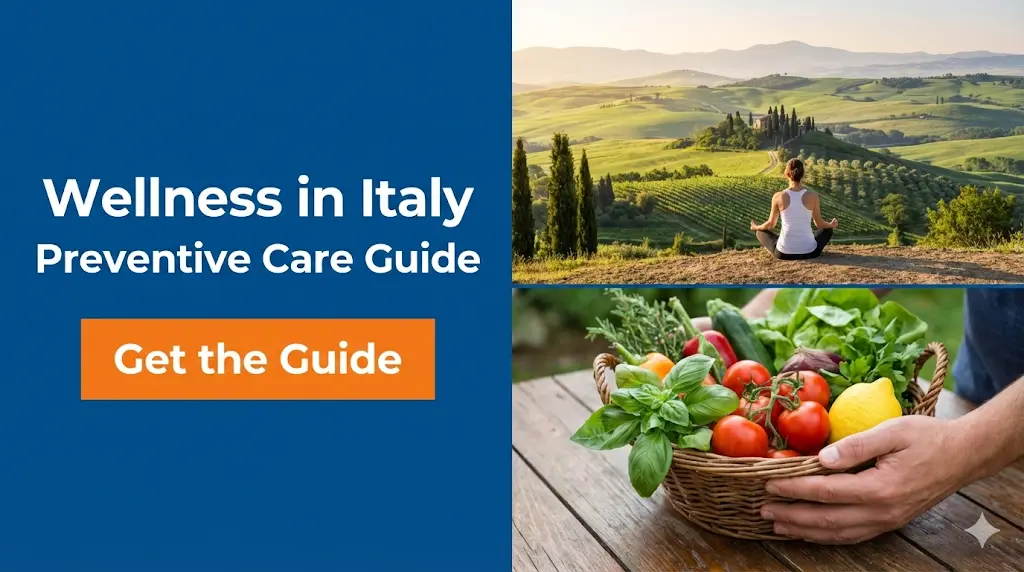
The Core of Italian Wellness The Mediterranean Diet
At the absolute center of Italian preventive health is the diet. The Mediterranean diet is recognized globally by nutritionists and cardiologists as one of the most effective dietary patterns for preventing chronic diseases, particularly cardiovascular issues and type 2 diabetes. However, the “Italian diet” practiced by locals is quite different from the heavy, cheese-laden caricatures often found in restaurants abroad.
Seasonal and Local Eating
In Italy, wellness begins at the mercato (open-air market). Italians are fiercely dedicated to eating seasonally. Strawberries are consumed in the spring, tomatoes and zucchini in the summer, and artichokes and citrus in the winter. Eating seasonally ensures that produce is consumed at its peak nutritional value, packed with vitamins and antioxidants. Furthermore, the concept of chilometro zero (zero kilometer) food—purchasing ingredients grown within the immediate local area—is highly prioritized. This reduces the need for preservatives and supports sustainable, healthy agricultural practices.
The Nutritional Balance
The authentic Italian diet is characterized by a high intake of plant-based foods, including fresh vegetables, fruits, legumes, and unrefined cereals. Extra virgin olive oil is the primary source of dietary fat, consumed daily and in abundance. It replaces the butter and saturated fats prevalent in northern European or American diets. Protein comes primarily from fish, poultry, eggs, and dairy (specifically aged cheeses and yogurt consumed in moderation), with red meat eaten only occasionally.
The Importance of Digestion
Beyond what is eaten, how it is eaten is considered a crucial aspect of wellness. Italians place a massive cultural emphasis on la digestione (digestion). Meals are meant to be consumed slowly, seated at a table, and ideally in the company of others. Rushing through a sandwich while walking down the street is generally frowned upon. This slow eating practice allows the brain to register fullness, preventing overeating and reducing gastrointestinal stress. Even the infamous rule against drinking a cappuccino after 11:00 AM is rooted in digestive wellness; milk is considered too heavy for the stomach to process efficiently after a large lunchtime meal.
Routine Checkups and Preventive Screenings
A healthy diet is effectively complemented by a rigorous schedule of medical monitoring. The Italian National Health Service (Servizio Sanitario Nazionale, or SSN) places a strong emphasis on preventive medicine to reduce the long-term burden of chronic diseases on the state system.
The Role of the General Practitioner
Your primary point of contact for wellness is your Medico di Medicina Generale (General Practitioner). In Italy, consultations with your family doctor are free of charge. You are encouraged to visit your doctor not just when you are sick, but for annual evaluations. It is highly common for an Italian GP to prescribe comprehensive blood tests (analisi del sangue) once a year to check cholesterol levels, blood sugar, liver and kidney function, and essential vitamin levels. Catching anomalies early is the cornerstone of the Italian medical philosophy.
National Screening Programs
The local health authorities (Azienda Sanitaria Locale, or ASL) actively manage national screening programs aimed at the early detection of common cancers. Once you are officially registered in the healthcare system and established as a resident, you will automatically receive invitation letters in the mail to participate in these free screenings based on your age and gender.
The three primary organized screening programs in Italy are:
- Breast Cancer Screening: Women between the ages of 50 and 69 are invited for a free screening mammogram every two years. In some regions, this program has been expanded to include women starting at age 45 and up to age 74.
- Cervical Cancer Screening: Women between the ages of 25 and 64 are invited to undergo a Pap test every three years. For women over 30, the primary screening test is often shifting to the HPV (Human Papillomavirus) test, administered every five years.
- Colorectal Cancer Screening: Both men and women between the ages of 50 and 69 are invited every two years to perform a fecal occult blood test. If the test is positive, a follow-up colonoscopy is provided entirely free of charge.
Participating in these state-sponsored programs is highly recommended and forms the baseline of your medical wellness strategy. For a deeper understanding of how to access and schedule these specific tests, you can consult our guide on Regular Health Check-Ups and Screenings in Italy.
Staying Active Italian Style
Physical activity in Italy is often seamlessly integrated into daily life rather than treated as a separate, agonizing chore. The built environment of ancient towns and cities actively encourages movement.
The Art of the Passeggiata
The most iconic form of Italian exercise is the passeggiata—the traditional evening stroll. Usually taking place between 5:00 PM and 8:00 PM, residents take to the main streets and piazzas to walk, socialize, and digest their meals. This low-impact cardiovascular exercise is incredibly beneficial for heart health and joint mobility. It is a gentle, consistent form of movement that people of all ages participate in daily.
Urban Cycling
In flat cities like Ferrara, Florence, and Parma, the bicycle is the preferred mode of transportation for running errands, commuting to work, and socializing. Urban cycling provides excellent daily aerobic exercise. Many expats quickly adopt this habit, finding it both a healthier and more efficient way to navigate narrow historical streets where car traffic is restricted.
The Sports Medical Certificate
If you wish to take your fitness to a more structured level by joining a gym, swimming pool, or local sports club, you will encounter a unique piece of Italian preventive medicine: the certificato medico per attività sportiva non agonistica (medical certificate for non-competitive sports activity).
In Italy, you cannot simply sign a liability waiver to join a gym. The law requires you to visit a sports doctor or your general practitioner to obtain this certificate. The examination typically involves taking your medical history, measuring your blood pressure, and performing an electrocardiogram (ECG) to ensure your heart is healthy enough for exercise. While it may seem like a bureaucratic hurdle, it is actually a fantastic, mandatory cardiovascular screening that prevents thousands of sports-related cardiac events each year. If you are looking to establish a workout routine, reading about Gym and Fitness Clubs in Major Italian Cities will help you navigate these specific requirements.
Thermal Baths and Spa Culture
One of the most uniquely Italian approaches to preventive care and wellness is the institutional reverence for le terme (thermal baths). Dating back to the days of the Roman Empire, the therapeutic use of mineral-rich hot springs is deeply embedded in the culture.
Medical Recognition of Thermal Therapies
In Italy, visiting a spa is not merely a luxury weekend getaway; it is a recognized form of medical treatment. The Italian Ministry of Health acknowledges the therapeutic properties of various thermal waters for treating respiratory conditions, dermatological issues, rheumatism, and arthritis.
In fact, the SSN subsidizes thermal treatments. Once a year, an Italian resident can receive a “red prescription” from their general practitioner for a specific cycle of thermal therapy—such as mud therapy (fangoterapia) for joint pain or thermal aerosol inhalations for chronic bronchitis. With this prescription, the patient pays only the standard healthcare co-pay (the ticket sanitario, usually around €50 to €55) for a full 12-day course of specialized treatment at an accredited thermal facility.
Famous Thermal Destinations
Italy is dotted with world-renowned thermal towns, each boasting waters with specific mineral compositions:
- Abano Terme and Montegrotto Terme (Veneto): Famous for hyperthermal waters and therapeutic mud, excellent for osteoarthritis and muscular rehabilitation.
- Terme di Saturnia (Tuscany): Known for its sulfurous waters, which are highly beneficial for skin conditions and respiratory wellness.
- Ischia (Campania): This volcanic island offers alkaline and radon-rich waters, historically used to treat gynecological and rheumatic disorders.
Even if you do not have a medical prescription, incorporating a weekend at a thermal bath into your routine is a spectacular way to reduce stress, improve circulation, and soothe aching muscles.
Mental Health and Work Life Balance
True wellness encompasses mental and emotional health just as much as physical vitality. The Italian lifestyle intrinsically supports mental well-being through a strong emphasis on work-life balance and social connectivity.
Il Dolce Far Niente
The concept of il dolce far niente—the sweetness of doing nothing—is a vital psychological defense mechanism against burnout. In Italian culture, idleness is not equated with laziness; it is respected as necessary time for mental recovery. Long, multi-course lunches, unhurried coffees at the local bar, and the strict cultural boundary that prevents work from spilling into evening family time all contribute to lower baseline stress levels compared to highly corporate cultures in the US or UK.
The August Pause (Ferragosto)
Italy implements a systemic, nationwide pause during the month of August, culminating in the Ferragosto holiday on August 15th. During this time, entire cities empty out as residents head to the mountains or the sea. Businesses close, emails go unanswered, and society collectively agrees to rest. This mandatory vacation period prevents chronic overworking and forces individuals to disconnect and recharge.
Evolving Mental Health Support
While traditional Italian culture leaned heavily on the family unit for emotional support, attitudes toward professional mental health care are rapidly evolving. The stigma surrounding therapy has significantly decreased, particularly following the global pandemic. The Italian government has even implemented initiatives like the “Bonus Psicologo” to provide financial assistance for citizens seeking psychotherapy. For expatriates dealing with the specific stresses of relocation and culture shock, understanding how to access these evolving services is crucial.
Alternative and Complementary Medicine
Alongside traditional allopathic medicine, Italians have a profound respect for natural, complementary therapies. The integration of herbalism and alternative medicine into daily preventive care is highly visible.
The Role of the Erboristeria
When walking through an Italian town, you will frequently encounter an Erboristeria. This is not a standard pharmacy, nor is it a simple health food store. It is a highly specialized herbalist shop. To operate an erboristeria, the proprietor often holds a university degree in Herbal Sciences and Technologies.
These shops are treasure troves of preventive health. They sell customized herbal teas (tisane), essential oils, natural cosmetics, and plant-based supplements. When Italians feel the preliminary symptoms of a cold, digestive discomfort, or mild anxiety, they often visit the erboristeria for a natural preventive remedy before resorting to pharmaceuticals.
Table Common Italian Herbal Remedies and Their Uses
To help you navigate an Erboristeria, here is a reference table of common herbs utilized in Italian preventive care:
| Herb (Italian Name) | English Translation | Primary Preventive Use in Italy |
| Camomilla | Chamomile | Calming the nervous system; aiding digestion and promoting sleep. |
| Finocchio | Fennel | Alleviating bloating, gas, and gastrointestinal discomfort. |
| Valeriana | Valerian Root | Reducing mild anxiety, stress, and treating insomnia. |
| Echinacea | Echinacea | Boosting the immune system to prevent seasonal colds and flu. |
| Arnica | Arnica | Applied topically to prevent bruising and soothe muscle/joint pain. |
| Propoli | Propolis | A bee-derived resin used in throat sprays to prevent bacterial infections. |
| Carciofo | Artichoke Extract | Supporting liver function and aiding in the digestion of heavy fats. |
Furthermore, disciplines such as osteopathy and homeopathy are widely utilized. It is incredibly common for an Italian pediatrician to recommend a homeopathic remedy for a teething toddler, or for a general practitioner to suggest an osteopath for chronic back pain.
Environmental Factors and Climate Adaptation
Finally, preventive health in Italy requires adapting to the local climate and respecting traditional wisdom regarding environmental exposure. While some of these beliefs may seem like folklore to foreigners, they dictate how Italians dress, eat, and behave.
The Infamous “Colpo d’Aria”
You cannot discuss wellness in Italy without addressing the colpo d’aria (literally, a “hit of air” or a draft). Italians universally believe that sudden changes in temperature or exposure to a cold draft can cause a myriad of health issues, from a stiff neck (cervicale) to indigestion, to a full-blown respiratory infection.
To prevent this, you will notice Italians wearing scarves almost year-round. Protecting the back of the neck and the chest from the wind is considered a basic rule of health. Similarly, sleeping with wet hair or walking barefoot on cold tile floors is strictly avoided. Another preventive wardrobe staple is the maglia della salute (the shirt of health)—a light cotton or wool undershirt worn to protect the torso’s core temperature from sudden shifts.
Managing the Summer Heat
Conversely, during the intense heat of the Italian summer, preventive care focuses on avoiding the colpo di calore (heatstroke). Wellness routines shift to accommodate the climate: intense physical activity is restricted to the early morning or late evening, the consumption of heavy foods is minimized in favor of water-rich fruits like melon and peaches, and staying out of the direct midday sun is treated as a medical necessity rather than just a preference. Hydration is taken very seriously, with Italians consuming vast amounts of mineral-rich bottled water to replenish electrolytes lost to perspiration.
Conclusion
Staying healthy in Italy is a deeply holistic endeavor. It transcends the mere absence of illness and elevates daily life into a continuous practice of wellness. By adopting the Mediterranean diet, leaning into the protective social structures of the culture, and utilizing the robust preventive screening programs offered by the public health system, expatriates can significantly enhance their physical and mental longevity.
The transition requires a shift in perspective—viewing food as medicine, prioritizing rest as a necessity rather than a weakness, and respecting the environmental wisdom passed down through generations. Embracing the Italian approach to preventive care not only safeguards your health but also deepens your cultural integration, allowing you to experience the true essence of la dolce vita for years to come.
References
Primary sources (official)
- Ministero della Salute (Italian Ministry of Health) – Official guidelines on national screening programs and preventive healthcare initiatives. https://www.salute.gov.it
- Epicentro (L’Istituto Superiore di Sanità) – The Italian National Institute of Health’s portal for epidemiology and public health promotion. https://www.epicentro.iss.it
Other helpful sources
- The Mediterranean Diet Foundation – Resources and scientific literature regarding the nutritional principles of the Mediterranean lifestyle. https://dietamediterranea.com
- The Blue Zones Project – Research and insights into the longevity hotspots of the world, including the Ogliastra region of Sardinia. https://www.bluezones.com
Disclaimer
The information provided in this article is for educational and informational purposes only and does not constitute official medical advice. Preventive healthcare recommendations, screening schedules, and nutritional guidelines are general in nature. Always consult with a licensed medical professional, such as your registered Italian Medico di Medicina Generale, before starting any new fitness regimen, altering your diet, taking herbal supplements, or seeking treatments for specific medical conditions.