Does SafetyWing Meet Italian Visa Requirements? An Honest Assessment
Ah, the Italian visa journey! If you're anything like me when I first moved here, you're probably swimming in a sea of paperwork, requirements, and conflicting advice, all while trying to decipher what "sufficient" actually means in the bureaucratic labyrinth. One of the biggest headaches, especially when applying for a long-stay visa or even a Schengen, is proving you have adequate health insurance. It’s not just a suggestion; it’s a non-negotiable hurdle. This guide is going to cut through the confusion and specifically address a question many of you have: Does SafetyWing meet Italian visa requirements? We'll break down the nitty-gritty, look at what the Italian consulates typically ask for, and give you an honest assessment of whether SafetyWing can be your knight in shining armor on this particular quest.
Disclosure: This post may contain affiliate links. We may earn a commission at no extra cost to you if you make a purchase through these links. Read full disclosure.
The Crucial Role of Health Insurance for Italian Visas
Let's be honest, dealing with visa applications can feel like an endless game of "Simon Says," but with far higher stakes. And when Simon says "health insurance," you better have the right kind, or your application could hit a brick wall faster than you can say "permesso di soggiorno." It’s not just about covering you if you get sick (though that’s vital!); it’s a fundamental gatekeeper for entering and residing in Italy.
Why Insurance Is Non-Negotiable for Your Visa Application
The Italian government, much like most countries in the Schengen Area, is understandably keen to ensure that anyone entering their borders won't become a burden on their public healthcare system. This isn't a uniquely Italian thing; it's a standard international practice. For tourists, this might mean a simple travel insurance policy, but for those of us looking to stay longer – whether for work, study, family, or as digital nomads – the requirements become far more stringent.
Think of it this way: when you apply for your visa, you're essentially promising the Italian authorities that you have a safety net in place should anything unexpected happen to your health. This proof of insurance demonstrates financial responsibility and commitment to not relying solely on the local system from day one, especially if you haven't yet qualified for the National Health Service (SSN). Without this critical piece of documentation, your application will almost certainly be rejected. It's not a matter of choice; it's a mandatory prerequisite, and one that often causes immense stress for new arrivals trying to figure out the Italian system.
Understanding the Minimum Coverage Requirements for Italy
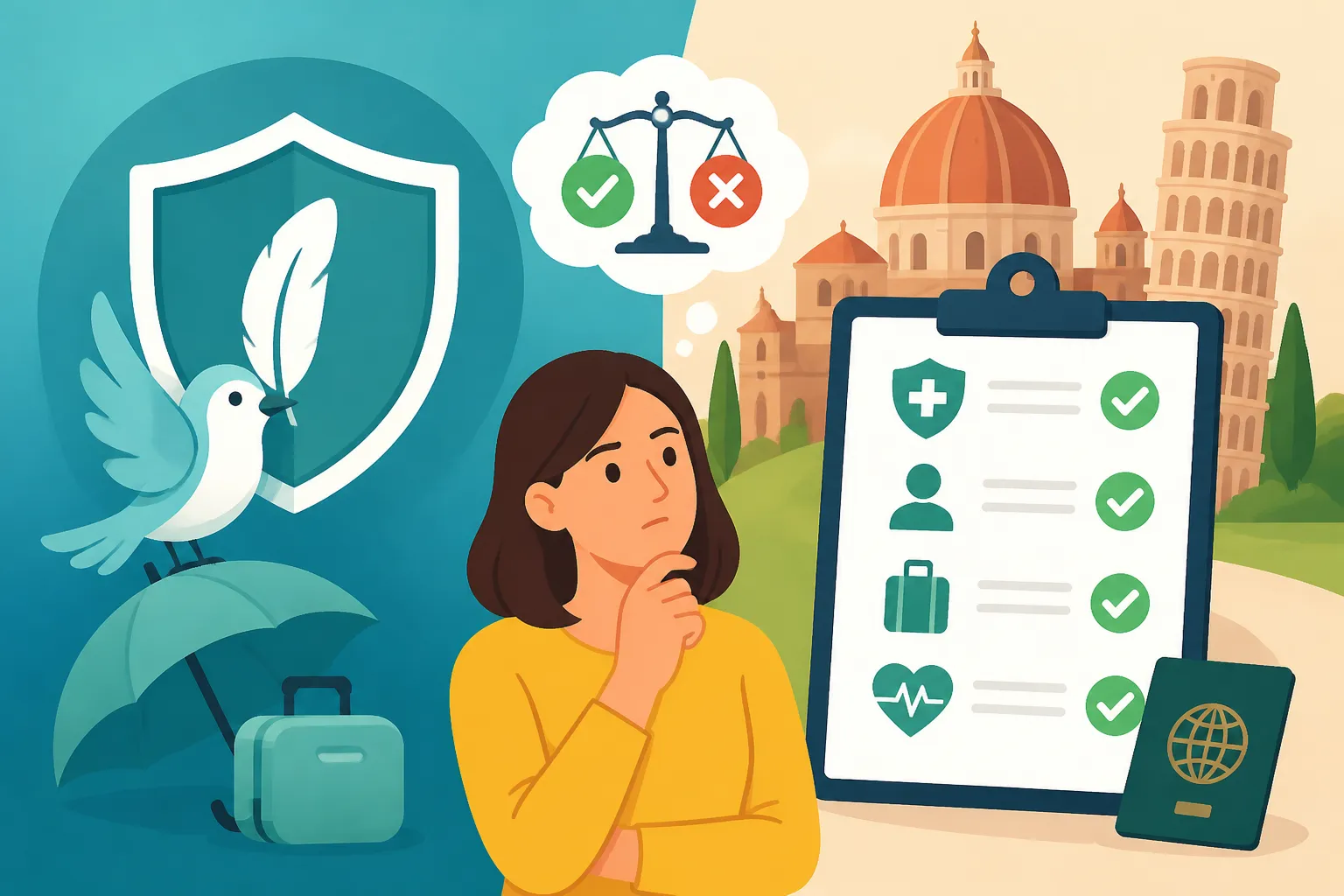
Now, here's where it gets specific, and where many general travel policies fall short. Italian visa requirements, especially for long-stay visas, usually stipulate certain minimums. While the exact wording can vary slightly from one consulate to another, the general benchmarks are consistent across the board for a Schengen visa, and often serve as a good starting point for longer stays too. You're typically looking for coverage that includes:
- Minimum Coverage Amount: At least €30,000 (or the equivalent in USD) for medical expenses. This isn't just a suggestion; it's a hard rule. Anything less, and your policy won't be accepted.
- Emergency Medical Evacuation: This is huge. If you have a severe medical emergency and need to be transported back to your home country for treatment, the insurance must cover these costs. You'd be surprised how quickly these expenses can rack up, potentially reaching hundreds of thousands of euros.
- Repatriation of Remains: Morbid, I know, but also a mandatory requirement. In the unfortunate event of your death, the insurance must cover the costs of returning your remains to your country of origin. This is a clause many standard travel policies might overlook or limit, so pay close attention.
- Validity Period: The policy must cover the entire duration of your intended stay in Italy, or at least the initial period for which the visa is granted. If you're applying for a one-year visa, you ideally need a one-year policy or proof of renewal.
- Geographic Coverage: The policy must be valid in Italy and throughout the entire Schengen Area.
It's crucial to obtain a clear, official document from your insurance provider stating that these specific conditions are met. A simple receipt often won't do. You need a letter of confirmation or a policy summary that explicitly lists these coverage types and amounts, often in English and Italian, if possible. This document will be one of the first things the visa officer scrutinizes, ensuring you're not just buying any insurance, but the right kind of insurance for Italy. For a broader overview of the healthcare landscape, you might want to read our guide on Getting Health Insurance in Italy: Public and Private Options.
Diving Deep into SafetyWing's Offerings for Expats
SafetyWing has become a bit of a buzzword in the digital nomad community, and for good reason. They've carved out a niche for flexible, affordable insurance tailored to a lifestyle that traditional insurance companies often struggle to understand. But does this expat-friendly approach translate into meeting Italy's strict visa requirements? Let's take a closer look at what they offer.
How SafetyWing Works: A General Overview
SafetyWing, at its core, offers "Nomad Insurance" – a travel medical insurance designed specifically for remote workers and digital nomads. It's built for flexibility, allowing you to purchase it while already abroad, pause it, and extend it as needed. This adaptability is what makes it so appealing to those of us whose lives don't fit into neat, predictable boxes. It's essentially a subscription-based model, where you pay monthly, and your coverage continues automatically until you decide to cancel.
Unlike traditional health insurance that might tie you to a specific country's network or have rigid residency requirements, SafetyWing aims to cover you globally (with some key exclusions like your home country). This means if you're hopping between Italy, Spain, and Portugal as part of your digital nomad journey, your policy should cover you in all these locations. This international portability is a massive plus for anyone with a dynamic travel schedule. However, it's essential to understand that this is primarily a travel medical insurance, not a comprehensive health insurance plan designed for permanent residency in a single country. It focuses on unexpected illnesses and injuries, not routine check-ups or pre-existing conditions unless specified.
SafetyWing Nomad Insurance: Key Features and Benefits
SafetyWing's Nomad Insurance boasts several features that resonate with the expat and nomad lifestyle:
- Global Coverage: As mentioned, it covers you in over 180 countries, typically excluding your home country (unless for brief visits back). This is perfect for someone who might be applying for an Italian Digital Nomad Visa: Eligibility and Application but plans to explore the rest of Europe.
- Affordable Pricing: Compared to many traditional international private health insurance plans, SafetyWing is often significantly more affordable, making it accessible for those on tighter budgets.
- Flexible Terms: You can buy it when you need it, extend it easily online, and cancel anytime. There are no long-term contracts, which is a breath of fresh air for those who dread commitment.
- Emergency Focus: It covers unexpected illness and injury, hospital stays, doctor visits, prescription drugs, and even emergency dental care. This aligns well with the immediate, urgent care needs that visa officers are most concerned about.
- Emergency Evacuation and Repatriation: Crucially, SafetyWing's policies generally include coverage for both emergency medical evacuation and repatriation of remains. This is a key box ticked for Italian visa requirements, as we discussed earlier.
- Travel-Related Coverage: Beyond medical, it also offers some travel benefits like trip interruption, lost checked luggage, and travel delays, adding another layer of security for the mobile individual.
For many digital nomads or those on a short-term visa like a Schengen, these benefits make SafetyWing a very attractive option. It's designed for the reality of being abroad, away from your established medical network, and needing reliable coverage for unforeseen events. However, the real question remains: do these appealing features align perfectly with the specific, often rigid, demands of Italian immigration authorities?
Does SafetyWing Actually Meet Italian Visa Requirements?
This is the million-dollar question, isn't it? It’s not enough for an insurance policy to be good; it has to be right for the Italian bureaucracy. The answer, as with many things Italian, is a bit nuanced, but generally, SafetyWing can meet the requirements, especially for certain visa types and if you understand its limitations.
Assessing Policy Duration and Coverage Limits
When presenting your insurance to an Italian consulate or Questura, they're going to look at two things very closely: how long it covers you for and how much it covers.
-
Coverage Amount: SafetyWing's Nomad Insurance offers a maximum coverage of $250,000 or $100,000 USD (depending on the plan and deductible chosen), which is well above the minimum €30,000 typically required for medical expenses for a Schengen visa or even most long-stay visas. This is a definite win. You won't have issues on the monetary coverage front.
-
Policy Duration: Here's where it gets a little trickier, but still manageable. SafetyWing is a monthly subscription, but you can typically purchase it for a period of up to 364 days at a time. For short-term visas, like the standard 90-day Schengen, this is perfectly fine. You can buy a policy for 3 months, and you're good to go. For longer-term visas, like the student visa or a work visa, Italian consulates generally want to see coverage for the entire validity period of the visa. So, if you're applying for a one-year student visa, you'll want to purchase SafetyWing for the full 364 days upfront, or at least have a clear, official document from SafetyWing stating that your policy is renewable and will be renewed for the entire visa duration. The auto-renewal feature of SafetyWing helps here, but it's vital to get written confirmation that the consulate will accept this. Some consulates are extremely strict and want a single policy document showing a full year of coverage from day one. In such cases, purchasing the full annual coverage (364 days) from SafetyWing from the outset is the safest bet.
It’s worth noting that if you're looking into something like the Elective Residence Visa in Italy: The Retirement Visa Guide, which implies a long-term, non-working stay, the expectations for comprehensive, long-term health insurance often lean towards policies that mirror those of actual residents, potentially with higher maximums or more robust outpatient coverage than a basic travel medical plan. Always double-check the specific consulate's requirements for your particular visa type.
Emergency Medical Evacuation and Repatriation: A Critical Component
As an expat who has seen firsthand how quickly things can go sideways, I can tell you that emergency medical evacuation and repatriation are not features to gloss over. They are literally life-saving, or at least bankruptcy-preventing, clauses. Many visa rejections stem from insufficient coverage in these areas.
Good news: SafetyWing Nomad Insurance does include coverage for both emergency medical evacuation and repatriation of remains. This is a significant advantage and often the Achilles' heel for other budget travel insurance policies.
- Emergency Medical Evacuation: SafetyWing typically covers expenses for medically necessary emergency evacuation to the nearest appropriate medical facility or back to your home country if required, often up to a substantial limit (e.g., $100,000 USD). This meets the typical Italian visa requirement.
- Repatriation of Remains: The policy also includes coverage for the preparation and transportation of your remains back to your home country. Again, this is a non-negotiable item for Italian visa applications, and SafetyWing covers it.
When you get your proof of insurance from SafetyWing, make sure these two elements are clearly stated in the documentation. Often, the confirmation letter they provide for visa purposes will explicitly mention these coverages, which is exactly what the visa officer will be looking for.
Acceptance by Italian Consulates and Embassies
This is perhaps the trickiest part, as acceptance can sometimes depend on the specific consulate or even the individual officer reviewing your application. I’ve heard stories from fellow expats where one consulate accepted a policy without a second glance, while another, just a few hundred miles away, demanded more specific wording.
General Consensus: Many digital nomads and long-term travelers applying for various Italian visas (Schengen, student, some work visas, and the new Digital Nomad Visa) have successfully used SafetyWing. The key is to ensure the documentation they provide explicitly states the coverage amounts for medical expenses, emergency evacuation, and repatriation of remains, and that it covers the requested visa period.
What to do:
- Read Your Consulate's Specific Guidelines: Before you even fill out the first form, go to the website of the specific Italian consulate or embassy where you will be applying. They often publish incredibly detailed lists of required documents, including specific insurance criteria. Sometimes they even list preferred insurance providers or warn against certain types of policies.
- Request a "Visa Letter" from SafetyWing: SafetyWing is accustomed to this and can provide a letter explicitly designed for visa applications. This letter will outline the coverage amounts and key benefits (like evacuation and repatriation) in a format that consulates typically understand. Make sure this letter clearly states the policy duration.
- Consider a Buffer: If your visa is for, say, 180 days, consider purchasing SafetyWing for 7 months or 200 days. A little extra wiggle room in coverage duration can prevent last-minute headaches.
- Have a Backup (just in case): While SafetyWing is generally accepted, bureaucracy can be unpredictable. If your visa is absolutely critical and you have a tight timeline, consider having a local Italian private health insurance quote or another internationally recognized provider as a backup, though this is usually overkill.
The bottom line is that SafetyWing can absolutely meet the requirements, provided you're diligent about confirming the specific needs of your consulate and ensuring your documentation is crystal clear. Just make sure to read all the small print on your specific policy and the visa requirements. For general guidance on all things related to your stay, check out our Ultimate Guide to Visas and Immigration in Italy.
Navigating the Nuances: When SafetyWing Might Be a Perfect Fit (and When It Might Not)
While SafetyWing is a fantastic option for many, it's not a one-size-fits-all solution. Understanding its strengths and weaknesses in the context of Italy's diverse visa landscape is crucial for making an informed decision.
Ideal Scenarios for Choosing SafetyWing
SafetyWing truly shines for specific types of individuals and visa situations:
- Digital Nomads and Remote Workers: This is their target audience, and it shows. If you're applying for the new Italy Digital Nomad Visa: Eligibility and Application, SafetyWing is often an excellent fit. It provides the global coverage needed for a mobile lifestyle, is flexible enough to adapt to changing plans, and critically, includes the required emergency medical evacuation and repatriation. Many digital nomads appreciate the ease of managing their policy online, even if they're constantly moving between cities like Rome and Florence.
- Short-Term Visa Applicants (Schengen, Study Abroad): For those applying for a short-term Schengen visa (up to 90 days) or a student visa for a semester or a year, SafetyWing covers the essential requirements without breaking the bank. The cost-effectiveness and comprehensive emergency coverage make it a sensible choice for students who might not need extensive local healthcare access immediately. It gives you immediate coverage upon arrival, allowing you to settle in before exploring options like Enrolling in Italy’s National Health System (SSN) if your visa allows.
- Flexible Travelers and Explorers: If your plan is to enter Italy, get your initial bearings, and then potentially travel to other Schengen countries, SafetyWing's wide geographical coverage is invaluable. It removes the stress of needing multiple policies for different legs of your European adventure.
- Those Seeking a "Bridge" Policy: Many expats use SafetyWing as a temporary bridge. They buy it for their initial visa application and first few months in Italy. This gives them time to navigate the complex process of registering their residency in Italy (Residenza and Anagrafe) and then potentially enrolling in the public SSN or finding a more localized private plan once they are fully settled. It's a pragmatic approach to Italian bureaucracy.
For these groups, SafetyWing often represents the perfect blend of compliance, affordability, and flexibility. It directly addresses the urgent medical and evacuation needs that are paramount for visa officers, while also supporting a transient lifestyle.
Potential Gaps or Considerations
However, SafetyWing isn't without its limitations, especially when considering long-term residency or specific health needs in Italy.
- Not a Long-Term, Comprehensive Health Insurance: This is the most important distinction. SafetyWing is travel medical insurance, designed for unexpected emergencies. It does not replace a comprehensive, local health insurance plan that residents would typically have. It has higher deductibles (often $250 or more), and while it covers doctor visits for acute issues, it doesn't cover routine check-ups, preventive care, vaccinations, or chronic condition management in the same way a local plan or a robust international private health insurance would. For example, if you plan on Getting Health Insurance in Italy: Public and Private Options long-term, you'll find SafetyWing is a different beast entirely.
- Limited Coverage for Pre-existing Conditions: Like most travel insurance, SafetyWing typically has exclusions or limitations for pre-existing conditions. If you have a chronic illness that requires ongoing medication or regular doctor visits, SafetyWing might not provide adequate coverage, and you'll need to carefully review their policy details. For those managing complex health issues, understanding your options for Coverage for Chronic Illnesses in Italy’s SSN or specialized private plans is critical.
- No Coverage in Your Home Country (Generally): While great for global travel, SafetyWing typically doesn't cover you when you return to your home country for extended periods. This is standard for travel insurance but means you'd need separate coverage if you plan to split your time significantly between Italy and your country of origin.
- Understanding Deductibles and Out-of-Pocket Maxes: While the overall coverage limit is high, you'll usually have a deductible (e.g., $250) that you need to pay out of pocket before SafetyWing starts covering costs. This means for minor ailments or single doctor visits, you might end up paying the full cost yourself until you meet your deductible.
- Acceptance for Elective Residence Visas (ERV) Can Be Tricky: While some have used SafetyWing for ERV applications, these visas often imply a more permanent relocation and might demand more robust, comprehensive private health insurance than SafetyWing provides, especially concerning non-emergency care or a zero-deductible policy. The financial requirements for the ERV are substantial, and sometimes consulates interpret "health insurance" to mean something closer to a full-fledged private health plan rather than travel medical. For this visa type, it might be safer to consult with your specific consulate or an immigration lawyer about recommended insurance types.
In essence, SafetyWing is excellent for fulfilling the minimum visa requirements related to emergency medical care and evacuation. But for true peace of mind and comprehensive care once you're established in Italy, particularly if you're not planning to hop around the globe, you will eventually want to explore options like How to Register for Italian Healthcare (SSN) as a Foreigner or a local private insurance plan.
Alternative and Complementary Health Insurance Options
Knowing where SafetyWing fits in is just one part of the puzzle. As an expat in Italy, you'll quickly realize that long-term healthcare planning extends beyond the initial visa hurdle. There are robust public and private options available, and sometimes a combination is the smartest way to go.
Public vs Private Italian Health Insurance for Long-Term Stays
Once you've successfully navigated the initial visa process and secured your permesso di soggiorno, your healthcare options in Italy broaden significantly. You'll move beyond just emergency travel medical insurance and start considering what Italian residents use.
-
Italy's National Health Service (SSN): This is Italy's public healthcare system, and for most legal residents, it's the gold standard. Once you have your Italian Residence Permit (Permesso di Soggiorno) Explained and are registered with the comune (your local municipality), you can typically register with the SSN. This involves registering with your local ASL, choosing a family doctor (Medico di Base), and receiving your Obtaining the Italian Health Card (Tessera Sanitaria). The SSN provides comprehensive coverage, including doctor visits, specialist referrals, hospital care, and prescription medications, often with just a ticket (co-payment) for some services. It’s important to understand the Differences between Public and Private Healthcare in Italy before making your choice. For workers and those with specific visa types (like family reunification), SSN registration is usually a right and a highly recommended path. For full details on enrolling, you can check out our guide on Enrolling in Italy’s National Health System (SSN).
-
Private Health Insurance in Italy: For those who don't qualify for the SSN, or who desire additional services, shorter waiting times for specialists, or specific coverages not fully met by the public system, private health insurance is an alternative. Many international expats opt for private insurance, either from Italian providers or international companies that operate here. These plans can be more expensive than SafetyWing but offer a wider range of services, including full coverage for elective procedures, access to private clinics, and sometimes a choice of English-speaking doctors. This is often the route taken by those on an Elective Residence Visa, or individuals who want to supplement their SSN coverage. If you're considering this, our guide on Public vs Private Health Insurance in Italy can help you weigh the pros and cons.
The choice between public and private depends heavily on your visa type, residency status, employment, and personal preferences regarding healthcare access and cost. SafetyWing serves its purpose for the initial visa application, but for life as a resident, you'll want to pivot to these more comprehensive options.
Combining Short-Term Coverage with Long-Term Plans
For many new arrivals, especially those whose visa journey is lengthy or whose SSN registration won't be immediate, a smart strategy is to combine short-term and long-term coverage.
- Initial Visa and Arrival (e.g., 3-6 months): This is where SafetyWing, or a similar travel medical insurance, plays a vital role. It covers you for your visa application and provides essential emergency coverage during your initial months in Italy. During this period, you'll be focusing on critical administrative tasks like getting your Codice Fiscale: Why It’s Essential for Finance in Italy, applying for your permesso di soggiorno, and registering your residency. These steps are prerequisites for SSN enrollment.
- Transition Period: Once your permesso di soggiorno is in hand and your residency registered, you can begin the process of enrolling in the SSN. This can take some weeks or even a couple of months, depending on the region and the efficiency of your local ASL office. Having your SafetyWing policy still active during this transition period acts as a crucial safety net, ensuring you remain covered until your Tessera Sanitaria arrives and you're fully integrated into the public system.
- Long-Term (1+ year): Once registered with the SSN, you'll have access to Italy's comprehensive public healthcare. At this point, you can cancel your SafetyWing policy. Some expats might choose to maintain a private top-up insurance for specific benefits, like quicker access to specialists or a wider choice of hospitals, but the SSN provides fundamental coverage.
This layered approach ensures continuous coverage, prevents gaps, and helps you navigate the bureaucratic hurdles of establishing yourself in a new country without the added stress of uncovered medical emergencies. It's a pragmatic way to satisfy visa requirements while strategically planning for your long-term health and well-being in la dolce vita.
Final Thoughts: Navigating Italian Bureaucracy with Confidence
The journey of moving to Italy is undoubtedly an adventure, brimming with beautiful landscapes, incredible food, and a vibrant culture. But let's not pretend it's always easy – the administrative side, especially the visa and health insurance requirements, can test even the most patient expat.
When it comes to the question, "Does SafetyWing meet Italian visa requirements?" the answer is a qualified yes, particularly for Schengen visas, student visas, and the new Digital Nomad Visa. It offers the essential emergency medical, evacuation, and repatriation coverage required, and its flexible nature is a huge boon for those of us living non-traditional lives. Many expats have successfully used SafetyWing for their initial entry and short-to-medium term stays, finding it a reliable and affordable solution.
However, it's crucial to approach this with your eyes wide open. Always consult the specific requirements of the Italian consulate you're applying through, ensure your SafetyWing documentation clearly articulates all necessary coverages and durations, and remember that for long-term residency, SafetyWing is best viewed as a bridge to Italy's more comprehensive public (SSN) or private healthcare systems.
Don't let the paperwork overwhelm you. By understanding the rules, preparing your documents meticulously, and choosing the right tools like SafetyWing for your initial steps, you can confidently navigate the Italian immigration landscape. Your dream of living in Italy is within reach – just make sure your health coverage is sorted! So, if you're ready to take the next step and secure your insurance, head over to SafetyWing and see how their Nomad Insurance can be the perfect companion for your Italian adventure.
Disclaimer
The information provided in this article is for general informational purposes only and does not constitute legal, financial, or medical advice. Visa requirements, immigration laws, and insurance policies in Italy are subject to change. It is essential to consult with the official Italian consulate or embassy responsible for your jurisdiction, as well as a qualified immigration lawyer or insurance professional, for the most accurate and up-to-date information regarding your specific situation. Always verify the latest requirements before making any decisions related to your visa application or health insurance coverage.