How to Spot Rental Scams in Italy Before Paying a Deposit
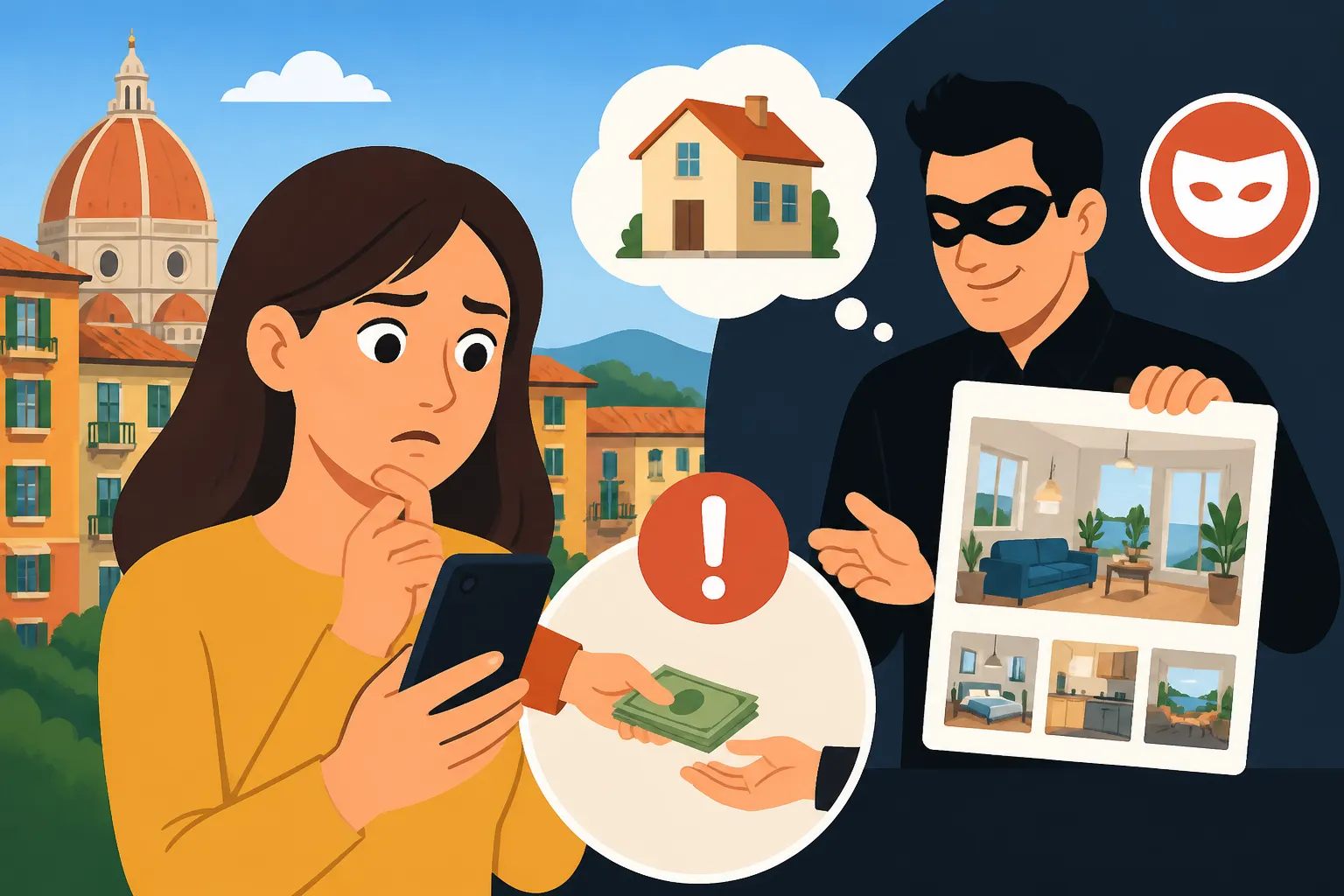
Finding an apartment in Milan or Rome often feels like a desperate race where the finish line keeps moving. I still remember the pit in my stomach when a "landlord" in Florence asked me to wire a deposit via Western Union because he was "traveling for work." This guide breaks down exactly how to identify, avoid, and report rental scams to keep your savings safe.
Disclosure: This post may contain affiliate links. We may earn a commission at no extra cost to you if you make a purchase through these links. Read full disclosure.
The Psychology of the Italian Rental Scam
The first thing you need to understand is that scammers in Italy prey on the high-pressure nature of the housing market. Whether you are looking for a studio in the heart of Brera or a room in San Giovanni, the demand always outstrips the supply. Scammers know you are anxious, likely operating in a second language, and perhaps even trying to secure a place before you arrive in the country. They use this urgency to bypass your natural skepticism.
Usually, a scam starts with a listing that looks just a little too perfect. The photos are professional—perhaps even looking like they belong in an interior design magazine—and the price is roughly 30% lower than anything else in the neighborhood. When you reach out, the "landlord" is incredibly polite, often claiming to be an expat themselves or a professional who has moved abroad for a family emergency. They will emphasize that they want a "trustworthy person" rather than the highest bidder, which is a classic tactic to make you feel special and lower your guard.
I have seen countless newcomers lose thousands of Euros because they were convinced that if they didn't pay the deposit right then, they would lose the "deal of a lifetime." In the Italian rental market, if it feels like a deal of a lifetime, it is almost certainly a fiction. Real Italian landlords are often quite bureaucratic and will ask for more documentation from you than you ever expected to provide.
Common Red Flags in Listing Descriptions
When you are browsing through Finding Rental Apartments in Italy: Websites and Tips, you need to develop a "scam-spotting" eye. Scammers often copy-paste text from real listings or hotel websites, leading to descriptions that feel slightly "off."
One major red flag is the refusal to meet in person. In Italy, the "visita" (viewing) is a sacred part of the process. If a landlord tells you they are currently in London, Dubai, or Berlin and cannot show you the apartment but will send the keys via a "reputable courier" once the deposit is paid, stop communicating immediately. No legitimate landlord in Italy operates this way. Even if they are abroad, they will have a local commercialista, an agency, or a trusted friend show the property.
Another sign is the language used in the communication. While many Italians speak excellent English, scammers often use highly formal, slightly archaic English that feels like a Google Translation of a legal document. They might use phrases like "I require a God-fearing tenant" or "the funds must be secured via an escrow agent." These are not phrases common to the Italian rental lexicon. To stay connected and research these shady characters on the go, I usually recommend grabbing an eSIM from a provider like Airalo so you can check forums and property values while you're standing outside a potential building.
The Trap of the Fake Booking Platform
A particularly sophisticated scam involves the use of "cloned" websites. You might be told that the transaction will be handled by a well-known brand like Airbnb or TripAdvisor to "guarantee" the safety of your funds. The scammer will send you a link that looks remarkably authentic, complete with reviews and a secure-looking checkout page.
However, if you look closely at the URL, it might be "airbnb-italy-secure-booking.com" instead of the actual domain. These sites are designed to harvest your credit card information and your deposit. Once you pay, the website disappears, and the "landlord" stops responding. If you want a verified experience without the risk of clones, using a reputable mid-term platform like Spotahome can be a lifesaver, as they actually send "homecheckers" to verify the existence and condition of the property before it ever goes live on their site.
How to Verify the Landlord and the Property
Before you even think about opening your banking app, you must perform your own due diligence. This goes beyond just looking at the photos.
- Reverse Image Search: Take the listing photos and run them through Google Images or TinEye. Scammers often steal photos from high-end hotels or real estate listings in other cities. If that "Rome apartment" shows up as a luxury rental in Barcelona, you've saved yourself a lot of heartbreak.
- Request the Codice Fiscale: In Italy, nothing happens without a tax code. Ask the landlord for their Codice Fiscale and a copy of their ID. A real landlord will understand this request, as you will need this information anyway for How to Register a Rental Contract in Italy (Registrazione). If they become defensive or refuse, walk away.
- Check the Cadastral Record (Visura Catastale): If you are truly suspicious but love the place, you can request a visura catastale through the Agenzia delle Entrate. This public record shows who actually owns the property. If the person claiming to be the owner isn't on that document, you are likely dealing with a scammer or an unauthorized subletter.
Knowing How to Get a Codice Fiscale in Italy (and Why You Need One) is the first step for any expat, and it serves as your primary shield. Without a valid tax code, a landlord cannot legally register your contract, and an unregistered contract (called a contratto in nero) offers you zero legal protection against scams or sudden evictions.
Payment Methods: The Ultimate Safety Test
How a landlord asks to be paid is the single most reliable indicator of their legitimacy. Italian law and banking culture have very specific norms. If a landlord asks for any of the following, it is a 100% certainty that you are being scammed:
- Western Union or MoneyGram: These are untraceable and used almost exclusively by scammers.
- International Wire to a Non-Italian Bank: If the apartment is in Naples but the bank account is in the UK or Cyprus, ask why. There is rarely a legitimate reason for this.
- Gift Cards: No real landlord wants to be paid in Amazon Italy vouchers or iTunes cards. This might sound obvious, but under pressure, people do strange things.
- Cryptocurrency: While Italy is becoming more tech-forward, the rental market is still firmly rooted in traditional banking.
The only safe way to pay a deposit in Italy is via a Bonifico Bancario (bank transfer) to an Italian IBAN (starting with "IT"). A bank transfer creates a paper trail that the Guardia di Finanza or the police can follow. Furthermore, you should never pay a cent until you have a signed Italian Rental Contracts Explained: 3+2, 4+4, Transitorio in your hands.
Understanding the Legal Deposit Limits
Scammers often try to "over-collect" by asking for six months of rent upfront as a deposit. Under Italian law, specifically Law 392/78, a security deposit (deposito cauzionale) cannot exceed three months' rent. If a landlord is pushing for significantly more without a valid reason (like a lack of an Italian guarantor), they are either breaking the law or trying to maximize their take before they disappear.
You should also be aware of the difference between a caparra (a down payment to hold the house) and the cauzione (the security deposit). Even for a caparra, you should receive a written receipt that includes the landlord’s details and the property address. If things go south later, you'll need this documentation to How to Handle a Deposit Dispute With an Italian Landlord.
Comparison of Rental Platforms and Safety Levels
To help you navigate where to look, I’ve put together a quick comparison of the most common places expats find housing and how likely you are to encounter a scam on each.
| Platform Type | Example | Risk Level | Protection Level |
|---|---|---|---|
| Classified Sites | Subito.it, Facebook Groups | High | Low – No verification of users. |
| National Portals | Idealista, Immobiliare.it | Medium | Medium – Mostly used by agencies, but fake private ads exist. |
| Verified Platforms | Spotahome | Low | High – They verify the property and hold funds until check-in. |
| Short-term Sites | Airbnb | Low (if on-site) | High – Strong refund policies, but expensive for long-term. |
| Local Agencies | Tecnocasa, Gabetti | Very Low | High – Physical offices and professional licenses. |
What to Do If You Have Been Scammed
If you realize you have sent money to a scammer, time is of the essence. While the chances of recovering the funds are slim, your actions can prevent others from falling into the same trap.
First, contact your bank immediately. If the transfer was recent, they might be able to initiate a "recall," though this is rarely successful once the funds have been withdrawn by the scammer. Next, you must file a formal report (denuncia) with the Polizia Postale (Postal Police) or the Carabinieri. You can start this process online, but you will eventually need to go to a station in person to sign the documents. Bring copies of all emails, the fake listing, and the proof of payment.
Don't be ashamed. These scammers are professionals who do this for a living. Even veterans who have lived here for years can occasionally be caught off guard during a stressful move. Once you finally secure a legitimate place, you can focus on the fun parts of expat life—like ordering home essentials from Amazon Italy to turn that empty apartment into a home.
Summary Checklist for a Safe Rental
Before you sign or pay anything, run through this mental checklist:
- Have I seen the apartment in person or via a live video call?
- Have I checked that the photos aren't stolen from another site?
- Does the landlord have a Codice Fiscale and a valid ID?
- Is the rental price realistic for the neighborhood?
- Am I paying via an Italian bank transfer?
- Is there a written contract that mentions the deposit amount?
By following these steps, you can navigate the Italian housing market with the confidence of a local. It’s a tough environment, but with a bit of patience and a healthy dose of skepticism, you’ll find that perfect Italian balcony without losing your shirt in the process.
Disclaimer
The information provided in this guide is for informational purposes only and does not constitute legal or professional real estate advice. Rental laws in Italy are subject to change, and individual circumstances vary. Always consult with a qualified legal professional or a licensed real estate agent before signing any contracts or transferring funds. No responsibility is taken for any financial loss or legal issues arising from the use of this information.