Mental Health Crisis Lines and Support Services
Navigating a mental health crisis in a foreign country can feel isolating and overwhelming. This comprehensive guide outlines Italy’s emergency psychiatric services, national crisis hotlines, community support centers, and specialized resources available to expats and English speakers in distress.
Disclosure: This post may contain affiliate links. We may earn a commission at no extra cost to you if you make a purchase through these links. Read full disclosure.
Introduction
Experiencing a mental health crisis is a frightening ordeal, and enduring one in a country where you do not fully speak the language or understand the healthcare infrastructure adds a heavy layer of vulnerability. In Italy, the approach to mental health care is deeply rooted in community-based support, a legacy of the country’s pioneering psychiatric reforms in the late 1970s that abolished traditional asylums. Today, the Italian public healthcare system integrates psychiatric emergencies directly into standard medical care, meaning that mental health crises are treated with the same medical urgency as physical traumas.
However, knowing that help exists is only half the battle; knowing how to access it swiftly and effectively is what truly matters. Whether you are dealing with active suicidal ideation, a severe panic attack, a manic episode, or an overwhelming sense of despair, you must have a clear action plan. Relying on search engines in the midst of a panic attack is not a viable strategy. You need a pre-established understanding of the emergency numbers to dial, the hotlines that offer English-speaking support, and the physical locations of walk-in psychiatric centers.
This comprehensive guide is designed to serve as your definitive resource for navigating mental health emergencies in Italy. We will thoroughly explore the immediate steps to take during a life-threatening crisis, provide a detailed directory of national and specialized crisis hotlines, explain how the Italian hospital triage system handles psychiatric emergencies, and outline resources specifically tailored for non-Italian speakers. By familiarizing yourself with these vital support services, you empower yourself to seek the help you deserve and ensure that you, or a loved one, remain safe during moments of acute psychological distress.
Immediate Life Threatening Emergencies
When a mental health crisis escalates to the point of immediate danger—such as active suicide attempts, severe self-harm, psychosis causing dangerous behavior, or an inability to keep oneself safe—rapid medical intervention is absolutely necessary. In these life-threatening scenarios, you must bypass hotlines and go straight to emergency medical responders.
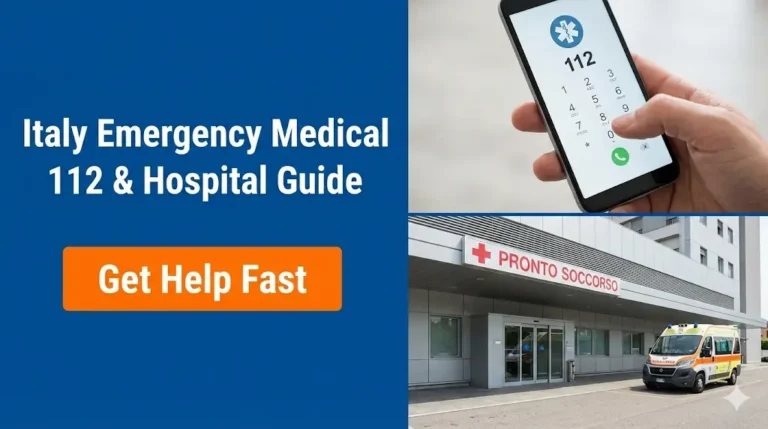
The single most important number to remember in Italy is 112. This is the Single European Emergency Number (Numero Unico Europeo per le Emergenze). Dialing 112 connects you to a central dispatch center that coordinates the police, fire department, and medical ambulance services.
When you dial 112, the operator will ask you to specify the nature of your emergency. You should state clearly that you require medical assistance for a psychiatric emergency. One of the greatest advantages of the 112 system for expatriates is that the dispatch centers are typically equipped to handle calls in multiple languages. If you do not speak Italian, immediately say “English, please,” and the operator will connect you with an English-speaking dispatcher or a translation service.
If you are in a region where the 112 system has not been fully consolidated (though this is increasingly rare), you can dial 118 directly to reach the national medical emergency and ambulance service. The paramedics dispatched to your location are highly trained medical professionals who will assess the situation, provide immediate stabilization, and transport the individual safely to the nearest hospital equipped to handle psychiatric emergencies. To fully understand how these dispatch systems operate and what to expect regarding ambulance protocols, you can review our dedicated guide on Emergency Medical Services in Italy: 112 and Hospitals.
National Mental Health Crisis Hotlines in Italy
If you are experiencing severe emotional distress, overwhelming anxiety, or thoughts of suicide, but you are not in immediate physical danger, reaching out to a crisis hotline can provide vital de-escalation and emotional support. Italy operates several national hotlines staffed by trained volunteers and mental health professionals who specialize in active listening and crisis intervention.
While the primary language for most national hotlines is Italian, it is crucial to know these numbers. Furthermore, some organizations have recognized the growing international population and offer specific services for English speakers.
Table of Primary Crisis Hotlines in Italy
| Service Name | Phone Number | Operating Hours | Primary Focus | Language |
| Telefono Amico Italia | 02 2327 2327 | 10:00 AM – Midnight (Daily) | Emotional support, loneliness, suicide prevention | Italian |
| Samaritans Onlus (Rome) | 06 77208977 | 1:00 PM – 10:00 PM (Daily) | General crisis, despair, suicidal thoughts | English / Italian |
| Telefono Azzurro | 114 or 1.96.96 | 24/7 | Crises involving children and adolescents | Italian (Multilingual upon request) |
| Anti-Violence and Stalking | 1522 | 24/7 | Domestic violence, gender-based violence, stalking | Multilingual (English available) |
| Progetto Itaca | 800 274 274 | Mon-Fri: 9:00 AM – 6:00 PM | Information and support for mental health disorders | Italian |
Telefono Amico Italia
Telefono Amico is the most prominent national listening service in Italy. It is designed to offer a safe, anonymous space for individuals suffering from profound loneliness, emotional crises, or suicidal ideation. The volunteers are rigorously trained in non-judgmental listening techniques. While the service operates primarily in Italian, individuals who speak conversational Italian can find immense relief in simply having a compassionate voice on the other end of the line. They also offer a WhatsApp chat service (number available on their website) and an email support system for those who find speaking on the phone too overwhelming.
Samaritans Onlus Rome
For English-speaking expatriates, the Samaritans Onlus branch based in Rome is an invaluable resource. Operating independently but sharing the ethos of the global Samaritans network, this hotline specifically caters to English speakers in Italy. They provide absolute confidentiality and a safe space to explore difficult feelings, despair, or suicidal thoughts without judgment. Because it is a localized number, it is accessible from Italian mobile phones without incurring international calling charges.
Navigating the Public Hospital System for Psychiatric Care
If a crisis requires in-person medical attention, the Italian public healthcare system is designed to provide acute psychiatric care through the hospital network. Understanding what happens when you arrive at an Italian hospital can significantly reduce the fear associated with seeking help.
When you go to the hospital, you must proceed to the Pronto Soccorso (Emergency Room). Upon arrival, you will undergo a triage process. The triage nurse will assess the severity of your psychological distress. In the Italian triage system, acute psychiatric emergencies—such as active suicidal plans, severe psychotic episodes, or profound agitation—are typically assigned a high-priority color code (usually Red or Yellow), meaning you will be seen by a doctor rapidly, bypassing patients with minor physical ailments.
Once assessed by the emergency room physician, you will likely be referred to the hospital’s Servizio Psichiatrico di Diagnosi e Cura (SPDC). The SPDC is the specialized psychiatric ward located within the general hospital. Here, a psychiatrist will conduct a thorough evaluation. Depending on the severity of the crisis, the psychiatrist may administer fast-acting medication to alleviate severe panic or psychosis, arrange for a brief period of observation, or recommend inpatient admission until you are stabilized.
Voluntary vs Involuntary Admission
The vast majority of psychiatric admissions in Italy are voluntary (Trattamento Sanitario Volontario). You consent to receive care and stay in the hospital until the medical team deems you stable enough to return home.
However, Italian law does have provisions for involuntary commitment if an individual poses an imminent, severe threat to their own life or the lives of others, and simultaneously refuses urgent medical treatment. This is known as a Trattamento Sanitario Obbligatorio (TSO). A TSO is a highly regulated legal and medical procedure. It requires the authorization of two separate medical doctors and validation by the local mayor. The commitment initially lasts for a maximum of seven days, though it can be extended if medically necessary. It is crucial to understand that a TSO is viewed as an absolute last resort, strictly utilized to save lives when a patient has lost the capacity to make rational decisions regarding their own safety.
Community Mental Health Centers Walk In Support
Not every mental health crisis involves an immediate threat to life. Sometimes, a crisis manifests as a sudden, overwhelming inability to cope with daily life, severe depressive paralysis, or the onset of terrifying anxiety that requires urgent, but not emergency room-level, intervention. For these sub-acute crises, the Italian public healthcare system relies on community centers.
Every local health district in Italy operates a Centro di Salute Mentale (CSM), or Community Mental Health Center. The CSM is the operational hub for public psychiatric and psychological care. They are staffed by multidisciplinary teams of psychiatrists, clinical psychologists, psychiatric nurses, and social workers.
If you are experiencing a severe psychological struggle and feel you are on the verge of a crisis, you can go to your local CSM during their operating hours. While regular therapy sessions at the CSM usually require a referral from your general practitioner and involve waiting lists, the CSM is equipped to handle urgent psychiatric walk-ins (visite urgenti). If you present yourself in a state of severe distress, the on-duty psychiatrist or intake nurse will evaluate you on the same day. They can provide immediate counseling, adjust or prescribe psychiatric medications to help stabilize your mood, and connect you with ongoing outpatient resources.
To access the CSM, you must be a registered resident enrolled in the public healthcare system. If you need a comprehensive understanding of how this community-based system fits into the broader spectrum of therapy and long-term psychiatric care, you should review our guide on Accessing Mental Health Care: Therapists and Psychiatrists.
Specialized Crisis Services and Support
Mental health crises are often intertwined with specific life circumstances, traumas, or behavioral disorders. Italy provides specialized hotlines and services tailored to address these unique challenges, ensuring that callers receive highly targeted, expert support.
Domestic and Gender Based Violence (1522)
If your mental health crisis is the result of domestic abuse, stalking, or gender-based violence, the 1522 hotline is your primary resource. This is a free, 24/7 public utility number promoted by the Italian Department for Equal Opportunities. The operators are specially trained to handle high-risk situations involving abuse. Crucially for expats, the 1522 service provides multilingual operators, including fluent English speakers. They can provide immediate psychological support, offer legal information regarding your rights, and coordinate with local law enforcement to arrange emergency extraction and placement in a safe house (centro antiviolenza) if you are in physical danger.
Substance Abuse and Addiction (SerD)
Substance abuse and mental health crises frequently co-occur. If your crisis involves a severe relapse, an overdose, or an overwhelming compulsion related to drugs, alcohol, or behavioral addictions (such as pathological gambling), the public health system operates specialized clinics known as Servizi per le Dipendenze (SerD).
Like the CSM, the SerD clinics are community-based and accept walk-ins for urgent evaluations. They provide absolute anonymity and do not require a referral. The medical teams at SerD clinics can administer emergency harm-reduction treatments, initiate outpatient detoxification protocols, and provide immediate psychological counseling to help you navigate the acute phase of an addiction crisis.
LGBTQ+ Support Services
Members of the LGBTQ+ community often face unique stressors that can precipitate mental health crises, particularly if they are living in foreign environments without their traditional support networks. In Italy, organizations like Arcigay operate local branches across the country, many of which provide dedicated psychological counseling services and peer support groups. Additionally, the Gay Help Line (800 713 713) is a national toll-free number offering listening, psychological support, and legal assistance for victims of homophobia and transphobia, operating as a vital lifeline for those experiencing identity-related distress or discrimination.
Overcoming the Language Barrier During a Crisis
For expatriates, the language barrier is undeniably the most significant hurdle when seeking mental health support in Italy. In the midst of a panic attack or severe depressive episode, the cognitive load required to translate complex emotions into a second language is often impossible to manage.
If you are facing a crisis and cannot find an English-speaking local resource, you are not out of options. Modern technology allows you to bypass geographical limitations and access home-country support networks from your Italian residence.
Utilizing International Hotlines via Wi-Fi
Many expats rely on crisis lines from their home countries. While you generally cannot dial a foreign toll-free number directly from an Italian mobile network without incurring massive charges or facing connection errors, you can easily bypass this using Voice over IP (VoIP) services like Skype, Viber, or Wi-Fi calling.
- For US Expats: The 988 Suicide & Crisis Lifeline can be reached via online chat through their official website, or by calling via a US-based Skype number.
- For UK Expats: The Samaritans UK can be contacted via email ([email protected]) for written support, or by calling their standard numbers using internet-based phone applications.
- For Australian Expats: Lifeline Australia offers an online crisis support chat service accessible internationally.
Connecting with an operator who understands your cultural background and speaks your native language fluently can provide immediate, profound comfort when you are feeling entirely disconnected from your host environment.
Digital and Teletherapy Options for Expats
If you are experiencing a sub-acute crisis—meaning you are safe, but your mental health is rapidly deteriorating, and you need professional intervention within days rather than minutes—digital therapy platforms are a highly effective resource.
The primary advantage of teletherapy is that it entirely eliminates the language barrier and the long waiting lists associated with the Italian public health system. There is a vast array of international platforms that cater to expats, connecting you with licensed psychologists and psychotherapists via secure video conferencing.
Furthermore, you can find specific applications and digital services that offer asynchronous text therapy, allowing you to message a therapist daily when you are feeling overwhelmed by the transition of living abroad. If you want to explore the specific platforms available and how to integrate digital tools into your wellness routine, checking our resource on Mental Health Apps and Services in Italy is highly recommended.
Preparing a Mental Health Safety Plan
The best time to figure out what to do in a crisis is before the crisis occurs. Expatriates who have a history of mental health struggles, or those who are feeling the initial, heavy strains of culture shock, should proactively create a Mental Health Safety Plan.
A safety plan is a personalized, written document that outlines your specific warning signs, coping strategies, and exact steps to take when you feel a crisis escalating.
- Identify Your Triggers: Note what specific aspects of your life in Italy (e.g., bureaucracy, language struggles, loneliness) trigger your anxiety or depression.
- List Your Coping Mechanisms: Write down activities that ground you, such as walking in a specific park, listening to familiar music from home, or practicing deep breathing.
- Save Emergency Numbers: Program 112, the Samaritans Rome number, and your local CSM number directly into your phone’s contacts. Do not rely on your memory during a panic attack.
- Identify a Local Support Person: Choose at least one friend, colleague, or fellow expat in Italy whom you trust. Have an honest conversation with them about your mental health, and ask if they are willing to be your emergency contact or accompany you to the hospital if necessary.
- Prepare Medical Documents: Keep a translated summary of your medical history, your current psychiatric medications, and your diagnostic history in a folder. If you end up in the Pronto Soccorso, handing this document to the triage nurse bridges the language gap instantly.
Supporting a Friend or Peer in Crisis
If you are not the one in crisis, but you notice a fellow expat, student, or colleague exhibiting signs of severe mental distress, your intervention can be life-saving. Recognizing the signs of a crisis—such as sudden social withdrawal, drastic changes in hygiene or appearance, talking about feeling hopeless, or giving away possessions—requires immediate, compassionate action.
Do not be afraid to ask direct questions. Asking someone, “Are you thinking about suicide?” does not plant the idea in their head; it provides them with a safe, desperately needed opportunity to talk about their pain.
If they are in immediate danger, stay with them. Do not leave them alone. Dial 112 on their behalf and explain the situation to the operator. If they are willing to go to the hospital, offer to accompany them to the Pronto Soccorso and act as their linguistic advocate if your Italian is stronger than theirs. If the crisis is not life-threatening but they are deeply struggling, help them navigate the resources listed in this guide. Sometimes, the simple act of dialing a hotline number for a friend and handing them the phone is the exact level of support they need to start receiving help.
Conclusion
A mental health crisis is an overwhelming, terrifying experience, and confronting one while living as an expatriate in Italy adds undeniable layers of complexity. However, it is crucial to understand that you are not invisible, and you are not without options. The Italian healthcare system recognizes psychiatric emergencies as critical medical events, offering robust public hospital interventions and community walk-in centers designed to protect and stabilize those in distress.
From the multilingual dispatchers at the 112 emergency service to the dedicated English-speaking volunteers at the Samaritans in Rome, there are lifelines available specifically for you. By familiarizing yourself with these crisis lines, understanding the hospital triage process, and proactively creating a safety plan, you take profound control over your well-being. Never allow the fear of a language barrier or cultural differences to prevent you from seeking help. Reaching out during your darkest moments is the ultimate act of courage, and the support services in Italy are ready and equipped to help you find your way back to stability, safety, and health.
References
Primary sources (official)
- Ministero della Salute: The official portal of the Italian Ministry of Health, detailing the structure of emergency psychiatric care, the Servizio Psichiatrico di Diagnosi e Cura (SPDC), and regulations regarding mandatory health treatments (TSO). https://www.salute.gov.it/
- Numero di Pubblica Utilità 1522: The official government website for the 1522 anti-violence and stalking hotline, outlining their multilingual services and emergency shelter coordination. https://www.1522.eu/
Other helpful sources
- Telefono Amico Italia: The premier national listening and emotional support charity in Italy, offering crisis intervention through phone, WhatsApp, and email services. https://www.telefonoamico.it/
- Samaritans Onlus Rome: The official site for the Rome-based branch of the Samaritans, providing free, confidential emotional support specifically dedicated to English speakers in Italy. https://www.samaritansonlus.org/
Disclaimer
The information provided in this article is intended for general educational and informational purposes only and does not constitute official medical, psychiatric, or psychological advice. Mental health laws, the availability of English-speaking staff at public hospitals, and hotline operating hours in Italy are subject to change. If you or someone you know is experiencing a life-threatening mental health emergency, severe psychological distress, or active suicidal ideation, please dial the universal European emergency number 112 immediately, or proceed to the nearest hospital emergency room (Pronto Soccorso). Always consult directly with a licensed mental health professional or registered medical doctor for personalized clinical care and crisis management.