How to Access Your Fascicolo Sanitario Elettronico Online
Navigating the Italian healthcare system often feels like trying to solve a Rubik’s cube while blindfolded, especially when you are buried under a mountain of paper prescriptions and diagnostic reports. I spent my first two years in Florence keeping a literal shoebox full of medical receipts because I had no idea a digital alternative existed. This guide will walk you through exactly how to access your Fascicolo Sanitario Elettronico (FSE) online, ensuring your medical history is always at your fingertips.
Disclosure: This post may contain affiliate links. We may earn a commission at no extra cost to you if you make a purchase through these links. Read full disclosure.
What Exactly is the Fascicolo Sanitario Elettronico
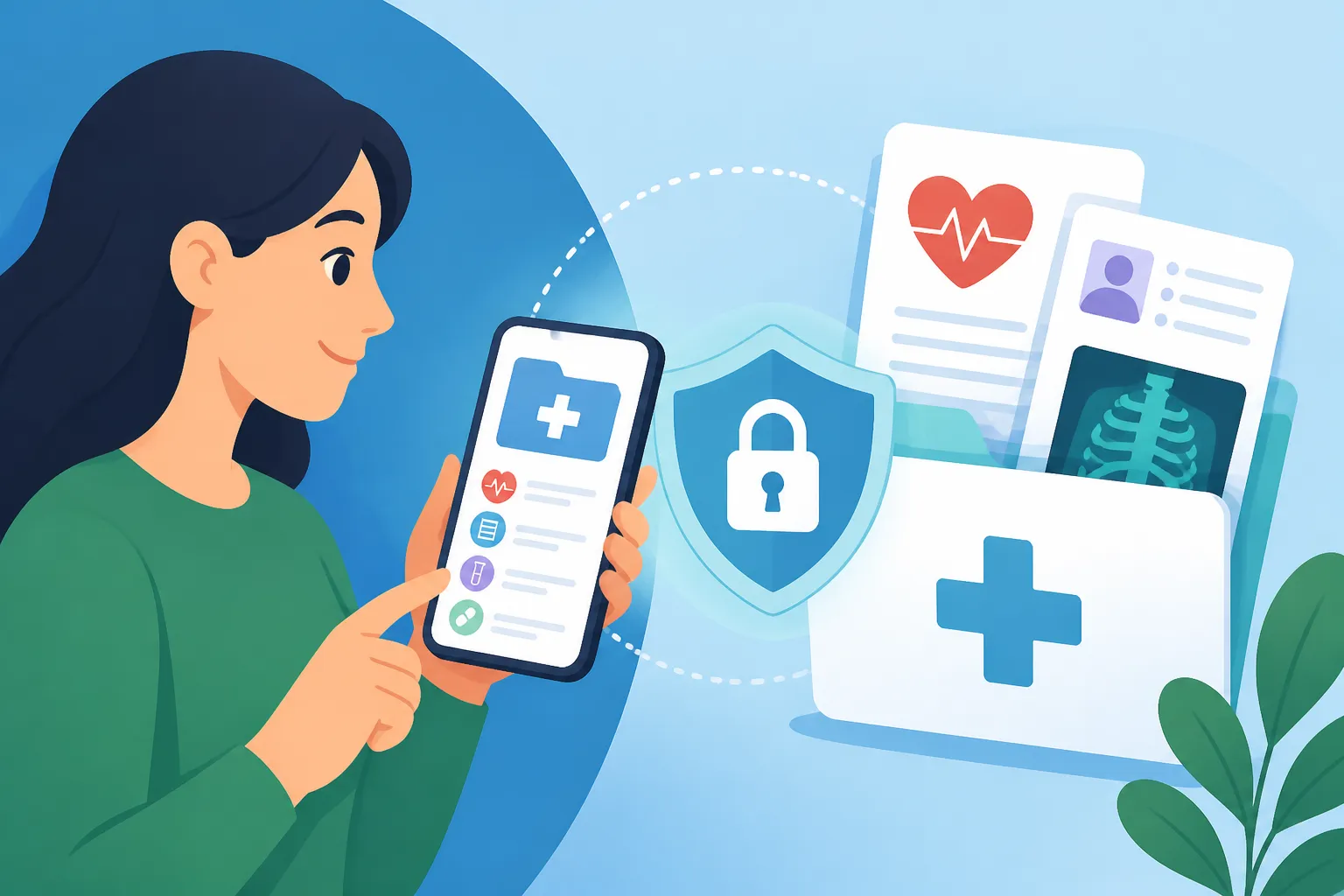
The Fascicolo Sanitario Elettronico, or FSE, is Italy's answer to the digital age of medicine. Think of it as a secure, online locker that contains your entire clinical history within the Italian National Health Service (SSN). It isn't just a list of your doctor visits; it is a comprehensive repository that includes laboratory test results, hospital discharge summaries, emergency room reports, and even your vaccination records. For an expat, this is a game-changer. Instead of carrying a folder of papers to every specialist appointment, you can simply show them your digital records or grant them temporary access to view your file.
One of the most significant hurdles for foreigners is Obtaining the Italian Health Card (Tessera Sanitaria), which is the primary key to this system. Without that plastic card and its associated tax code (Codice Fiscale), the FSE remains locked. Once you are officially in the system, the FSE allows you to track your health journey across different regions, though it is important to note that the system is managed at a regional level. This means the interface you see in Lombardy will look different from the one in Sicily, though the core data remains the same.
The benefits extend beyond just record-keeping. Through the FSE portal, you can often choose or change your family doctor, consult your digital prescriptions (ricette dematerializzate), and even pay for medical services (ticket) online. It eliminates the need to stand in long queues at the local ASL office, a frustration every veteran expat knows all too well. For those who are still in the transitional phase of moving and don't yet have full SSN access, specialized providers like SafetyWing can offer essential coverage while you navigate the bureaucracy of Registering for the SSN Without a Permanent Address in Italy.
The Essential Keys to Accessing Your Records
To open your FSE, you cannot simply create a username and password like you would for a social media account. Because it contains highly sensitive medical data, the Italian government requires "Level 2" or "Level 3" security authentication. For most expats, there are three main ways to get through the door.
The most common method is using SPID (Sistema Pubblico di Identità Digitale). If you plan on living in Italy for more than a few months, getting a SPID is non-negotiable. It is your digital "passport" for all things bureaucratic. Whether you are checking your taxes or How to Use SPID to Book Health Appointments in Italy, this digital ID is your best friend. You can obtain it through providers like Poste Italiane, Aruba, or Sielte. Once you have your SPID credentials on your smartphone, logging into the FSE is a simple matter of scanning a QR code and providing a fingerprint or face ID.
The second option is the CIE (Carta d’Identità Elettronica). This is the new electronic version of the Italian ID card. It contains a chip that can be read by NFC-enabled smartphones. While secure, it can be a bit finicky to use, often requiring you to hold the card against the back of your phone for several seconds while the app reads the data. The third option is the TS-CNS (Tessera Sanitaria-Carta Nazionale dei Servizi). This requires a physical card reader that plugs into your computer and a PIN code that you must request from your local ASL office. Most expats find this too cumbersome and stick with SPID.
For those who prioritize high-end service and may want to supplement their public records with private care, Public vs Private Health Insurance in Italy is an important topic to research. While the FSE handles your public data, companies like Cigna Global provide an additional layer of digital management for private consultations, which might not always automatically sync with the national system.
Step-by-Step Guide to Activating Your Fascicolo
Activating your FSE is a two-part process: authentication and consent. Many people manage to log in but find their folder empty because they haven't "turned on" the data collection. Here is how you do it correctly.
First, navigate to the specific FSE portal for your region. For example, if you live in Milan, you will go to the "Fascicolo Sanitario Lombardia" website. If you are in Rome, you will look for "Salute Lazio." Once there, select the "Accedi" (Access) button and choose your authentication method—ideally SPID. After you authorize the login on your phone, you will be redirected to your personal dashboard.
The most critical step follows: the "Consenso alla consultazione" (Consent for consultation). Italian privacy laws are incredibly strict. By default, your health data is collected, but it is "dark." You must explicitly check a box that allows healthcare professionals to view your records. I highly recommend ticking the boxes for both "Alimentazione" (allowing the system to collect your data) and "Consultazione" (allowing doctors to see it). If you don't do this, a doctor in the emergency room won't be able to see your allergy list or previous surgeries, which defeats the purpose of having an electronic record.
While navigating these steps, keep in mind that the language is almost exclusively Italian. If your language skills are still developing, it is helpful to have a browser translator active. However, be careful with technical medical terms. For those who are still getting their bearings, Healthcare in Italy: An Expats' Guide offers a broader look at how these digital tools fit into the physical reality of clinics and hospitals. If you find the public system's digital hurdles too high, Cigna Global offers a more streamlined, English-language interface for their private policyholders, which can be a massive relief during a medical crisis.
Managing Your Digital Prescriptions and Referrals
One of the most practical features of the FSE is the management of prescriptions. Gone are the days of the "Ricetta Rossa" (the physical red paper slip). Today, most doctors issue a "Ricetta Dematerializzata." When your doctor prescribes a medication or a blood test, it generates a NRE (Numero Ricetta Elettronica).
Inside your FSE, you will find a section usually labeled "Ricette" or "Prescrizioni." When you click on a prescription, it displays a barcode. When you go to the pharmacy, you don't need a piece of paper; you simply show the pharmacist the barcode on your phone screen. They scan it, and your medication history is updated. This is particularly useful for Refilling Chronic Prescription Drugs in Italy, as your family doctor can often renew your prescriptions digitally without you even needing to visit the surgery.
Furthermore, the FSE is linked to the CUP (Centro Unico di Prenotazione), the national booking system. If your doctor issues a referral for a specialist—known as an impegnativa—it will appear in your FSE. From there, you can often click a link to Booking Medical Appointments in Italy Through the CUP System. You can see available dates at various hospitals in your area and book the appointment instantly.
Comparison of Access Methods for FSE
| Feature | SPID (Digital ID) | CIE (Electronic ID Card) | TS-CNS (Health Card + PIN) |
|---|---|---|---|
| Ease of Use | Very High (App-based) | Medium (Requires NFC) | Low (Requires Card Reader) |
| Setup Time | 15-20 Minutes | Issued with ID Card | Requires ASL Visit for PIN |
| Hardware Needed | Smartphone | NFC Smartphone | Physical USB Reader |
| Reliability | High | High | High |
| Best For | Daily Use/Apps | Backup Method | Desktop Power Users |
Navigating Regional Differences and Mobile Apps
While there is a national framework for the FSE, the user experience varies wildly between regions. Northern regions like Emilia-Romagna and Lombardy have highly developed portals that include features like "Taccuino" (a personal health diary where you can upload private documents). Central regions like Tuscany have a very efficient app called "Toscana Salute" that consolidates everything into a mobile-friendly format.
If you are living in a region with a less-developed digital infrastructure, don't lose heart. The national government is currently working on a unified FSE 2.0 to standardize the experience. Regardless of the region, you should always check if there is a dedicated mobile app. Search the App Store or Google Play for "Fascicolo Sanitario" followed by your region's name. Having the app on your phone is much faster than logging into a website via a mobile browser.
For expats who move between regions—say, moving from a job in Turin to a new life in Naples—the data should follow you. However, you may need to register your new residency at the local "Anagrafe" and update your "Medico di Base" (Family Doctor) in the new region before the local FSE portal recognizes you. For those frequently on the move or working remotely, SafetyWing provides a consistent safety net that doesn't depend on regional Italian bureaucracy, making it an excellent companion to the SSN.
Troubleshooting Common FSE Issues
It wouldn't be an Italian administrative process without a few technical glitches. The most common issue expats face is the "Utente non trovato" (User not found) error. This usually happens if your Italian Health Card (Tessera Sanitaria) has expired or if there is a mismatch between the data on your SPID and the data at the Agenzia delle Entrate. If your physical card is expired, your digital access is often cut off immediately, even if you have already requested a renewal.
Another frequent problem is missing data. You might have had blood tests done last week, but they aren't appearing in your folder. This often happens if the laboratory is private and does not have an agreement to sync with the SSN, or if you forgot to provide your Codice Fiscale at the time of the test. Always ensure that every clinic you visit has your correct tax code on file; otherwise, the data will never find its way to your FSE.
If you find yourself stuck, most regional portals have a "Helpdesk" or "Assistenza" section. While they rarely speak English, they are surprisingly responsive to emails. Alternatively, your Registering with an Italian Family Doctor (Medico di Base) can sometimes help "push" the system from their end if a document is stuck in limbo. For comprehensive peace of mind, especially if you have complex medical needs that the public system is struggling to digitize, Cigna Global offers high-level support and coordination that bypasses many of these local technical headaches.
Final Thoughts for the Digital Expat
Mastering the Fascicolo Sanitario Elettronico is a major milestone in your journey to becoming a "local" in Italy. It represents a shift from being a confused outsider to a resident who understands the tools available to them. While the initial setup requires a bit of patience—and a SPID—the payoff in terms of reduced stress and better-organized healthcare is immense. No more lost papers, no more forgotten dates, and no more panic at the pharmacy.
Remember to keep your Understanding the Italian Health Ticket (Co-Payment) System knowledge up to date as well, as many of those payments can be handled directly through the FSE portal. Italy is a country that rewards those who take the time to learn its systems. Once you have your FSE active and your notifications turned on, you can spend less time worrying about bureaucracy and more time enjoying the dolce vita.
Disclaimer
The information provided in this guide is for informational purposes only and does not constitute legal or medical advice. Healthcare regulations and digital portal interfaces in Italy are subject to change. Always consult with official government sources, your local ASL, or a qualified legal professional regarding your specific residency and healthcare status.