Booking Medical Appointments in Italy Through the CUP System
Trying to navigate the Italian healthcare system for the first time often feels like being handed a complex puzzle without the box-art for reference. I remember standing in a pharmacy in Florence, clutching a crumpled piece of paper from my doctor, and feeling completely lost when the pharmacist asked me if I wanted to book through the CUP. This guide will demystify the booking process so you can access specialist care without the typical administrative headache.
Disclosure: This post may contain affiliate links. We may earn a commission at no extra cost to you if you make a purchase through these links. Read full disclosure.
What is the CUP System in Italy
The acronym CUP stands for Centro Unico di Prenotazione, which translates to the Unified Booking Center. Essentially, it is the centralized administrative backbone of the Italian National Health Service (SSN). It acts as the gatekeeper for almost all outpatient services, diagnostic tests, and specialist consultations provided by public hospitals and accredited private clinics. Without interacting with the CUP, you simply cannot access the subsidized public healthcare that Italy is famous for.
The Hub of Public Healthcare
The CUP system is designed to manage the massive flow of patients across the country. Instead of every single department in a hospital managing its own calendar, the CUP aggregates all available time slots into a single database. This allows an operator to see that while the main hospital in Milan might have a six-month wait for an MRI, a smaller clinic thirty minutes away might have an opening next week. For an expat, understanding this centralized nature is vital because it means you aren't tied to the hospital closest to your front door.
When I first arrived, I thought I had to visit the specific clinic where my doctor practiced. In reality, the CUP offers a bird's-eye view of the entire regional network. This is part of the broader framework of Healthcare in Italy: An Expats' Guide, where accessibility is balanced with a high volume of patients. The system is designed for efficiency, though as any veteran resident will tell you, "Italian efficiency" is often a relative term that requires a bit of patience and local know-how.
Why Navigating CUP Matters for Expats
For those of us living here, the CUP is the difference between paying 30 Euro for a specialist visit and paying 150 Euro privately. If you are registered with the SSN, you are entitled to these lower rates, known as the "ticket." However, the system is not automated; it requires proactive engagement from the patient. You cannot simply walk into a specialist's office and ask for an appointment. You must enter the system through the proper channels, usually starting with your primary care physician.
Navigating the CUP also requires a basic understanding of Italian bureaucracy. You will likely encounter phrases like "prima visita" (first visit) or "visita di controllo" (follow-up). Knowing these terms helps you communicate more effectively with operators who may or may not speak English. While some international providers like SafetyWing offer excellent support for travelers or those in transition, once you are a resident, the CUP becomes your primary tool for long-term health maintenance.
The Essential Paperwork Before You Book
Before you even think about calling the CUP or visiting a portal, you need your paperwork in order. The Italian system is famously document-heavy, and showing up at a booking window without the right slips of paper is a recipe for a wasted afternoon. I learned this the hard way after waiting an hour in line only to realize I didn't have my physical health card on me.
The Impegnativa Your Golden Ticket
The most important document is the "impegnativa," also frequently called the "ricetta" (prescription). This is the referral issued by your family doctor, or "medico di base." In the past, these were always physical red slips of paper, but today most are "dematerializzata" (electronic). Even if it is electronic, your doctor will usually give you a printed reminder slip containing two essential pieces of information: the NRE (Numero Ricetta Elettronica) and your Codice Fiscale.
This referral is what tells the CUP exactly what you need. It contains specific codes for the type of visit and, crucially, a priority code that determines how fast you need to be seen. If you are wondering How to Get a Referral to a Specialist Doctor, the process always starts with a visit to your GP, where you explain your symptoms. They then enter the request into the national system, which generates the digital referral that the CUP can "see" when you provide your tax code.
The Tessera Sanitaria Requirement
Your Tessera Sanitaria, or Italian Health Card, is your identity within the medical system. It contains your Codice Fiscale and confirms that you are currently covered by the SSN. When booking an appointment, the operator will use the chip or the barcode on this card to pull up your records. If your card has expired or if you are still in the process of Obtaining the Italian Health Card (Tessera Sanitaria), you may face significant hurdles in using the public booking system.
For expats who haven't yet received their physical card, the paper replacement issued by the ASL (Azienda Sanitaria Locale) is usually sufficient, provided it has your correct regional ID number. Keep this document or card with you at all times. I keep a high-quality photo of mine on my phone, which has saved me more than once when I've found myself at a pharmacy unexpectedly ready to book a follow-up. It is also helpful to have your ID or residency permit handy, just in case there is a discrepancy in the database.
Methods of Booking Your Appointment
One of the few areas where the Italian healthcare system offers a wealth of choices is in the actual booking method. You aren't restricted to just one way to get on the calendar. Depending on your comfort level with the Italian language and your proximity to local services, some methods will work much better than others.
Booking via the Pharmacy
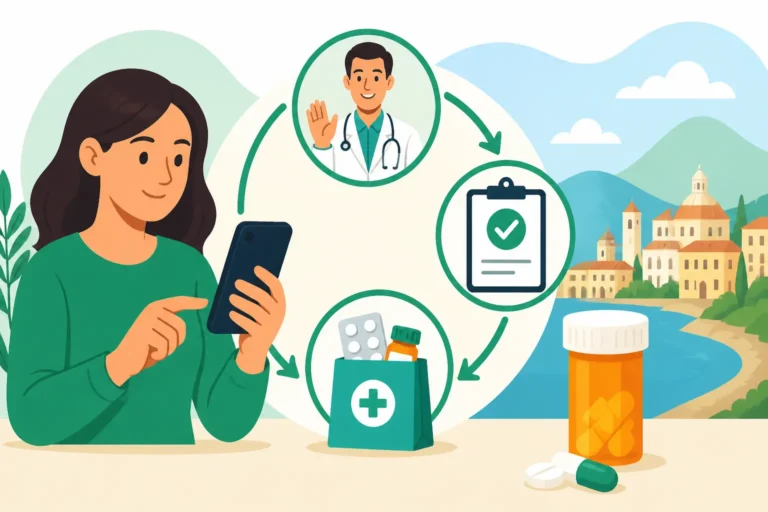
In my experience, the absolute "pro tip" for any expat is to book your medical appointments at a local pharmacy. Most pharmacies in Italy (marked by the glowing green cross) have a CUP terminal. You simply walk up to the counter, hand over your "impegnativa" and your "tessera sanitaria," and the pharmacist will look for available slots for you. They can see the same database as the hospital operators.
The beauty of the pharmacy route is the personal touch. If the first appointment offered is too far away or at an inconvenient time, the pharmacist can usually take a minute to look for alternatives in nearby towns. Once the appointment is set, they will print out a confirmation slip that includes the date, time, location, and the amount of the "ticket" you need to pay. This is much less stressful than trying to navigate a rapid-fire Italian phone conversation.
Using the Regional Online Portals
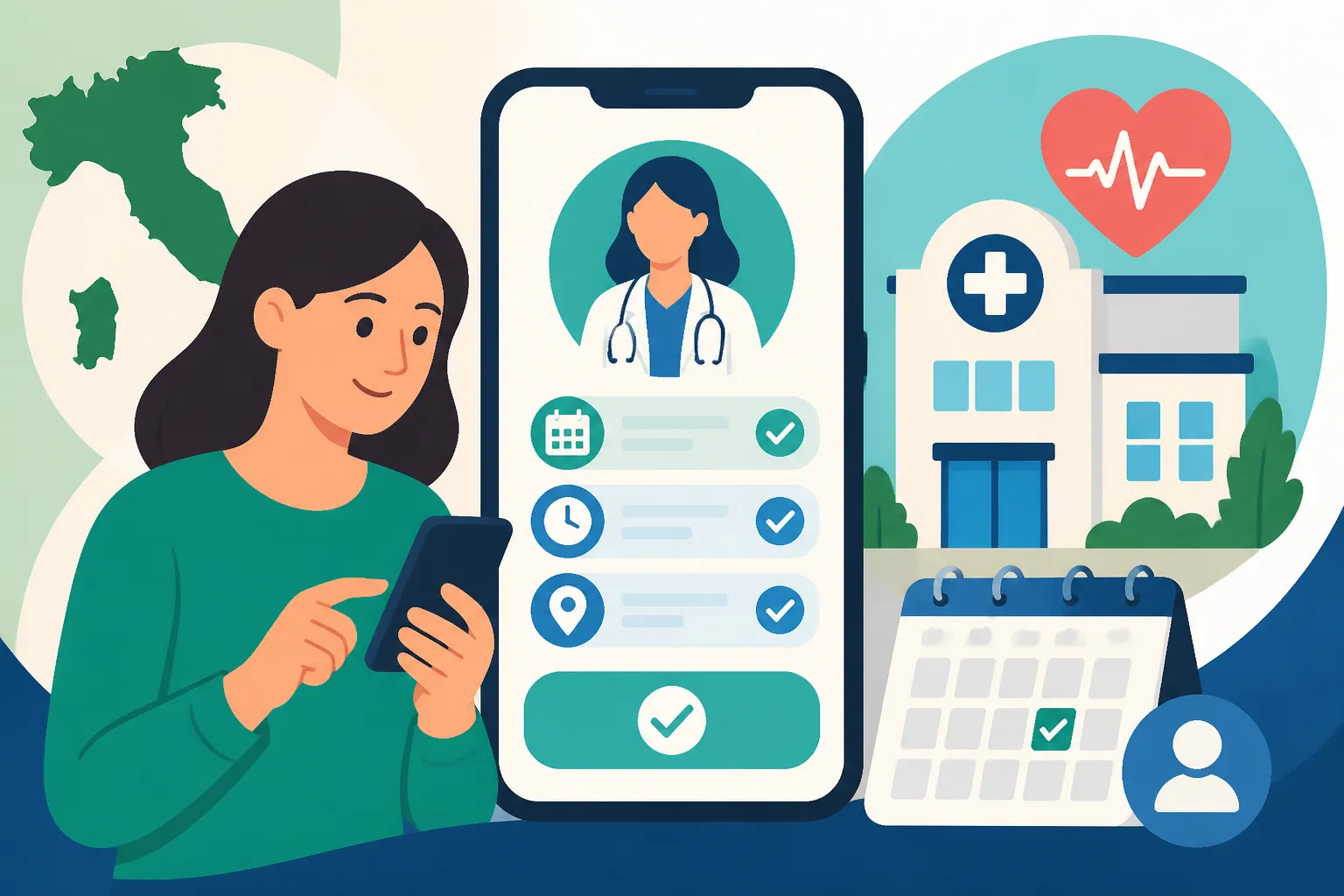
Every region in Italy—from Lombardy to Sicily—has its own online CUP portal. For those who prefer digital solutions, this is the most flexible option. You will typically need a SPID (Sistema Pubblico di Identità Digitale) or a CIE (Electronic Identity Card) to log in securely. Once inside, you enter the NRE code from your referral, and the system shows you a list of available clinics and hospitals.
The online system is great because it allows you to compare wait times across different facilities at your own pace. If you are Registering With Your Local ASL in Italy: A Practical Guide, you will likely be pointed toward these portals as the primary way to manage your health. However, be aware that the websites are almost exclusively in Italian. Using a browser with an auto-translate feature can help, but you should still double-check the addresses of the clinics, as some might be in suburbs that are difficult to reach without a car.
Calling the Call Center
Every region has a dedicated CUP toll-free number. While this might seem convenient, it is often the most challenging method for non-native speakers. The hold times can be long, and the operators often speak very quickly. However, if you have a specific question about a procedure or if you need to cancel an appointment, the call center is often the most direct route.
If you must call, I recommend having your paperwork spread out in front of you. Be ready to read out your Codice Fiscale letter by letter (using the Italian phonetic alphabet, like 'A' for Ancona, 'B' for Bologna). If your Italian is still a work in progress, having a local friend nearby can be a lifesaver. If you prefer to avoid this hassle entirely, international health plans like those from Cigna Global often provide their own concierge services to help you navigate these administrative hurdles.
| Booking Method | Best For | Language Difficulty | Required Documents |
|---|---|---|---|
| Pharmacy (Farmacia) | Ease of use and personal help | Low (Face-to-face) | Referral & Health Card |
| Online Portal | Tech-savvy users / Comparing dates | Moderate (Requires SPID) | NRE Code & Tax Code |
| Call Center | Urgent questions or cancellations | High (Italian fluency) | Referral & Health Card |
| Hospital Desk | Immediate booking after a visit | Moderate | Referral & Health Card |
Understanding Priority Codes and Waiting Times
When you look at your referral slip, you will notice a small box with a letter in it: U, B, D, or P. These are the priority codes assigned by your doctor, and they dictate exactly how much of a "wait" you are in for. Understanding these codes is essential for managing your expectations and knowing when to push back or seek private alternatives.
Urgent vs Deferred Decoding the Letters
The priority system is designed to ensure that those with life-threatening or acute conditions aren't stuck behind someone seeking a routine check-up. Here is how the codes break down:
- U (Urgente): This is for emergencies. The CUP must provide an appointment within 72 hours.
- B (Breve): Short-term priority. The appointment should be scheduled within 10 days.
- D (Differibile): Deferrable. This is for symptoms that need investigation but aren't urgent. The window is usually 30 days for visits and 60 days for diagnostic tests.
- P (Programmata): Programmed or routine. These are follow-ups or screenings that can wait up to 120 days.
If your doctor marks your slip with a 'U', don't wait to book. Go straight to the pharmacy or call immediately. If the CUP cannot find a slot within the legal timeframe for your code, you have the right to request the service privately while only paying the public "ticket" price, though exercising this right involves a fair bit of additional paperwork at the ASL office. This is a key part of Specialist Referrals in Italy: How the Impegnativa Works.
Dealing with Long Waiting Lists
One of the most common complaints among both locals and expats is the length of waiting lists for 'D' and 'P' categories. It is not unheard of to be offered an appointment for a routine scan eight months into the future. When this happens, you have a few options. First, ask the operator to check "strutture convenzionate"—private clinics that have an agreement with the state. They often have shorter lines.
Second, consider looking outside your immediate city. If you live in a major hub like Rome or Milan, the wait times are often much higher than in smaller, provincial towns. Sometimes a 40-minute train ride can save you four months of waiting. If the wait is simply unacceptable for your peace of mind, this is where having a plan with Cigna Global becomes invaluable, as it allows you to bypass the CUP entirely and see a private specialist within days.
The Cost Understanding the Health Ticket System
While the Italian healthcare system is "free" at the point of delivery for emergencies, specialist visits through the CUP require a co-payment known as the "ticket." The price is standardized but can vary slightly depending on the region and the complexity of the visit.
What You Will Pay
For a standard specialist consultation (like seeing a cardiologist or a dermatologist), the ticket usually ranges between 28 and 36 Euro. Diagnostic tests like blood work or X-rays have their own price scales. The maximum ticket for a single referral is generally capped (often around 36 to 46 Euro), meaning that even if you have five different blood tests on one slip, you won't pay for each one individually beyond that cap.
It is important to understand that this is not a "fee" you pay to the doctor, but a contribution to the national health system. You will receive a formal receipt which is actually tax-deductible. When you file your taxes in Italy, you can get a percentage of these medical costs back. This is part of the broader Cost of Healthcare in Italy: What Expats Need to Know that every resident should factor into their annual budget.
Payment Methods From PagoPA to Tabacchi
You generally do not pay at the time of the booking. Instead, you pay before the actual appointment takes place. When you book via the CUP, you will receive a "bollettino" or a payment notice, often through the PagoPA system. You can pay this online via your banking app, at a post office, or even at a "Tabacchi" (the little shops with the big 'T' sign).
Some hospitals still have "CUP Point" kiosks where you can pay by credit card on the day of your visit. However, I highly recommend paying in advance. Showing up at the hospital only to find the payment kiosk is broken is a stress you don't need. Keep your payment receipt; you will have to show it to the doctor or the nurse before they will begin the consultation. This ensures that you are fully integrated into Understanding the Italian Health Ticket (Co-Payment) System.
Alternatives When the CUP System Is not Enough
There are times when the public system's bureaucracy or waiting times just don't fit your life. Whether it's a language barrier or a time-sensitive health concern, you aren't strictly forced to use the CUP.
Intramoenia The Middle Ground
"Intramoenia" is a unique Italian concept where public hospital doctors see patients privately within the hospital facilities after their official shifts end. You still book these visits, but usually through a separate "Libera Professione" phone line or desk. The cost is higher (often 100-150 Euro), but the wait times are significantly shorter—usually just a few days.
The benefit of Intramoenia is that you get the high quality of a public hospital specialist but with the convenience of a private appointment. You don't need an "impegnativa" from your GP for these visits, which saves you a step. For many expats, this is the perfect compromise when the CUP tells them the next available appointment is next year. It’s a common tactic used when Finding Doctors and Hospitals in Italy that meet specific timeline needs.
Private Insurance and International Coverage
If you prefer to avoid the Italian bureaucracy altogether, private healthcare is the way to go. Private clinics like those in the San Donato group or various international centers offer world-class care with English-speaking staff. This is where providers like SafetyWing come in handy for those in the early stages of their move, or Cigna Global for long-term residents who want a higher level of service.
With private insurance, you don't use the CUP. You simply call the clinic of your choice, book an appointment, and either pay out of pocket or have the clinic bill your insurer directly. This is often the preferred route for mental health services or elective surgeries. Deciding between Public vs Private Health Insurance in Italy often comes down to how much you value your time and how comfortable you feel navigating the Italian language in a medical setting.
Troubleshooting and Tips for Success
Even with a guide, things can go wrong. The system is huge and sometimes data gets lost or an appointment is cancelled by the hospital. Being prepared for these small hiccups will make your experience much smoother.
Cancelling and Rescheduling
If you cannot make your appointment, you must cancel it at least 48 to 72 hours in advance (check your regional rules). If you fail to show up without cancelling (a "no-show"), the ASL will send you a bill for the full cost of the visit, even if you would have been exempt from paying the ticket. This is a strict rule designed to keep waiting lists moving.
To cancel, you can usually use the same online portal where you booked, or visit any pharmacy. I always keep the confirmation slip from my cancellation. The Italian system sometimes "forgets" a cancellation was made, and having that slip of paper is your only defense against an automated fine arriving in your mailbox six months later.
Finding English-Speaking Assistance
If you are struggling with the language, look for "Cup-Online" services that offer multi-language interfaces, though these are rare. Your best bet is always the pharmacy, where you can use a translation app on your phone to communicate with the pharmacist. Alternatively, look for Where to Find English-Speaking Doctors and Clinics in major cities; these private facilities often have their own internal booking systems that bypass the regional CUP.
Finally, remember that the "human element" still matters in Italy. Being polite, patient, and having all your documents organized in a folder will often prompt an operator or pharmacist to go the extra mile for you. The CUP system is a tool; once you learn how to wield it, the high-quality world of Italian medicine opens up to you.
Disclaimer
This guide is provided for informational purposes only and does not constitute legal or medical advice. Healthcare regulations and CUP procedures in Italy can change frequently and vary significantly between regions. Always verify current requirements with your local ASL or primary care physician.