Living in Milan: Neighborhoods and Practical Tips
Stepping off the train at Milano Centrale with three oversized suitcases and a vague Google Maps pin is a rite of passage that feels more like a trial by fire. I vividly remember standing under that massive steel canopy, feeling the city's frantic pace vibrate through the soles of my shoes while realizing I had no idea which "Porta" I actually belonged in. This guide dismantles the daunting mystery of the Milanese housing market, offering the hard-won wisdom you need to navigate neighborhoods, rental traps, and the city’s unique practical hurdles.
Disclosure: This post may contain affiliate links. We may earn a commission at no extra cost to you if you make a purchase through these links. Read full disclosure.
Understanding Milans Layout and the Ring System
Milan is often described as an onion, and not just because the bureaucracy can make you cry. The city is structured in concentric circles, or "cerchie," which dictate everything from your commute time to the price of your morning espresso. Understanding this geometry is the first step in deciding where to plant your roots. The innermost circle is the historic center, followed by the Cerchia dei Bastioni, and finally the outer ring road (Circonvallazione Esterna). Most expats find their sweet spot between the second and third rings, where the residential vibe balances out the commercial frenzy.
The city is officially divided into nine administrative zones, known as Municipi. Municipio 1 is the heart—the Duomo and its immediate surroundings—while Municipi 2 through 9 fan out like slices of a pie. Each slice has its own socioeconomic flavor. For instance, the northeast (Municipio 2) is a vibrant mix of student life and multicultural hubs, while the west (Municipio 7) offers more green spaces but a quieter, more family-oriented pace. When looking at a map, don't just look at the distance to the Duomo; look at the proximity to the nearest "circonvallazione" to understand how trapped you might feel by traffic or how accessible the metro lines are.
Beyond the rings, Milan’s neighborhoods are defined by their "Porte" or ancient gates. Porta Venezia, Porta Ticinese, Porta Romana—these aren't just metro stops; they are the anchors of distinct micro-cultures. In the past, these gates were the literal entry points into the city, and even today, they act as psychological boundaries. Living "inside" the gate usually implies a certain prestige and higher price point, while living "outside" often means larger apartments and a more authentic, gritty Milanese experience. Public Transportation in Italian Cities: A Guide is essential reading here, as your proximity to these gates usually dictates your access to the legendary yellow, red, and green metro lines.
Top Neighborhoods for Expats and Digital Nomads
Selecting a neighborhood in Milan is less about finding a place to sleep and more about choosing your daily aesthetic. If you’re a professional working in the financial district, your needs will be diametrically opposed to a student at Bocconi or a creative freelancer looking for inspiration in a repurposed industrial loft. The city is rapidly gentrifying, meaning neighborhoods that were considered "peripheral" five years ago are now the hottest tickets in town.
Brera and the Centro Storico
For those with a generous budget and a love for cobblestone streets, Brera is the dream. Often called the artistic heart of Milan, it is home to the Pinacoteca di Brera and endless narrow alleys filled with high-end boutiques and perfumeries. Living here means you are within walking distance of almost everything, but the trade-off is the noise of tourists and the lack of modern amenities like large supermarkets or easy parking. The apartments are often "old world charm," which is code for beautiful ceilings but potentially ancient plumbing.
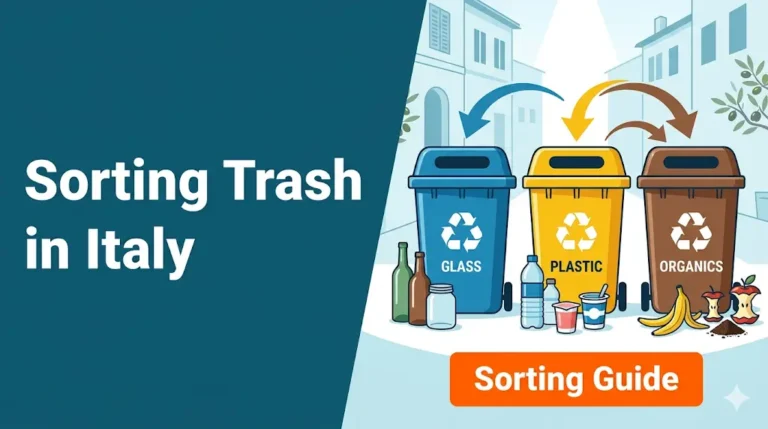
The Centro Storico is grand, imposing, and undeniably beautiful. However, it can feel a bit hollow after the shops close at 8:00 PM. Expats who choose this area usually do so for the prestige and the proximity to corporate headquarters. If you are moving here, be prepared for strict regulations regarding renovations and even trash disposal. Waste Sorting in Italy (Raccolta Differenziata): How It Works is particularly important in the center, where space for bins is limited and the "Amsa" inspectors are notoriously diligent.
Navigli and Porta Ticinese
If you want to be where the action is, Navigli is your neighborhood. Centered around the Naviglio Grande and Naviglio Pavese canals, this area is the epicenter of Milanese nightlife. It is young, vibrant, and loud. During the day, you’ll find antique markets and artists’ workshops; at night, the canals glow with the lights of a thousand aperitivo bars. It’s a fantastic place for younger expats and students who want to be immersed in the "Milano da bere" culture.
However, living in Navigli comes with a "summer warning." The canals attract mosquitoes like nowhere else in the city, and the noise from the bars can be relentless until 2:00 AM. If you value a quiet night’s sleep, look for an apartment that faces an internal courtyard (casa di ringhiera). These traditional Milanese houses feature walkways overlooking a central court, which acts as a sound buffer against the street-side chaos. Finding these gems often requires using specific platforms like Spotahome, which allow you to filter for "quiet" or "interior-facing" properties.
Isola and Porta Nuova
Isola used to be a working-class neighborhood literally "isolated" by the train tracks. Today, it is arguably the trendiest spot in the city. It sits in the shadow of the Bosco Verticale (Vertical Forest) and the gleaming skyscrapers of Porta Nuova. Isola has managed to maintain a village-like feel despite its proximity to the "Manhattan of Milan." You’ll find craft beer bars next to traditional butchers, and some of the best jazz clubs in Europe.
Porta Nuova, on the other hand, is for the lover of glass, steel, and luxury. It is one of the few areas in Milan where you can find high-rise living with 24-hour concierge services and modern climate control. It’s perfect for the high-flying expat who wants a seamless transition into Italian life without the headaches of a 19th-century building. Since you'll likely be moving into a modern, perhaps unfurnished space, you'll be spending a lot of time on Amazon Italy to get the essentials delivered quickly to your new doorstep.
The Practicalities of Finding an Apartment
Finding a flat in Milan is often described as a full-time job. The demand far outstrips the supply, and good apartments often disappear within hours of being posted. As a foreigner, you face the added hurdle of language barriers and the "foreign risk" factor that some traditional landlords are wary of. You need to be fast, prepared, and armed with a thick skin.
Navigating Rental Contracts
In Italy, you aren't just signing a piece of paper; you are entering a highly regulated legal relationship. The most common contract for long-term residents is the "4+4," which lasts for four years with an automatic renewal for another four. This offers great stability, but it can be difficult to break early without a "just cause" clause. For expats, the "Contratto Transitorio" (1 to 18 months) is often more appropriate, though it requires documented proof of your temporary status, such as a work contract with an end date.
Understanding the nuances of these agreements is vital to avoid being trapped in a lease that doesn't fit your life. Italian Rental Contracts Explained: 3+2, 4+4, Transitorio provides a deeper dive into the legalities you should know before you hand over a deposit. Always ensure your contract is registered with the Agenzia delle Entrate; if it isn't, you have zero legal protection, and you won't be able to use it to apply for your residency. Registering Residency in Italy (Residenza and Anagrafe) is a process that depends entirely on having a "regular" and registered housing situation.
Using Reliable Platforms and Avoiding Scams
The "scam" is a dark reality of the Milanese housing market. If a listing looks too good to be true—a renovated penthouse in Brera for €800—it is a scam. Never, under any circumstances, wire money before seeing an apartment or verifying the agency. To mitigate this risk, many expats prefer using verified platforms like Spotahome. They personally vet the properties and the landlords, providing a layer of security that "free" sites like Subito or Facebook Marketplace simply cannot offer.
When you do find a place, be ready to provide a "dossier." This usually includes your passport, your Italian work contract (or a guarantor’s), and your Codice Fiscale. If you haven't secured the latter yet, check out How to Get a Codice Fiscale in Italy (and Why You Need One) to get that sorted immediately. Without that little alphanumeric code, you are functionally invisible to the Italian administrative system and cannot sign a utility bill or a rental agreement.
Dealing with Agency Fees and Deposits
The cost of entry for a Milanese apartment is high. Standard practice is to pay three months of rent as a security deposit (deposito cauzionale) plus one month of rent in advance. If you use a traditional "agenzia immobiliare," you will also owe them a commission, which is typically 10% to 15% of the annual rent, or simply "one month's rent plus VAT." This means you might need the equivalent of five months' rent just to get the keys.
One tip I wish I’d known early on: negotiate the "spese condominiali." These are the building maintenance fees, and in Milan, they can be astronomical, especially if there is a "portinaio" (doorman) and central heating. Always ask if the quoted rent includes these fees (canone incluso) or if they are separate (più spese). Centralized heating (riscaldamento centralizzato) can add an extra €200 a month to your budget during the winter, so factor this into your "real" cost of living.
Daily Life and Logistics in the City
Once you have the keys, the real fun begins. Milan is a city that rewards those who understand its systems. From getting your first SIM card to figuring out which supermarket has the best "bocconcini," the first month is a steep learning curve.
Setting Up Your Digital Life
Don't wait until you move in to figure out your connectivity. The moment you land, you'll need data to navigate the metro and translate the rapid-fire Italian of your new landlord. I always recommend grabbing an eSIM from Airalo before you even clear customs. It gives you immediate data access without the need to find a physical store on day one. Later, you can look into more permanent solutions like Internet and Mobile Providers in Italy: TIM, Vodafone, and More to set up your home fiber optics.
Setting up utilities (voltura) is another hurdle. In Italy, the gas and electricity accounts stay with the property, but you must "transfer" the names. This requires your Codice Fiscale and a lot of patience on the phone. If your apartment is "non-arredato" (unfurnished), Amazon Italy will be your best friend. In Italy, "unfurnished" often means truly empty—no light bulbs, no appliances, sometimes not even a kitchen sink. Ordering your basic toolkit and initial home supplies from Amazon Italy can save you dozens of trips to the suburban hardware stores.
Public Transport and the ATM System
Milan has one of the best public transport systems in Europe, managed by ATM. You do not need a car in this city; in fact, having one is a massive liability due to the ZTL (Limited Traffic Zone) fines and the impossible parking situation. The metro lines (M1 Red, M2 Green, M3 Yellow, M4 Blue, and M5 Lilac) cover the city comprehensively. The newest addition, the M4, connects Linate Airport to the city center in under 15 minutes, which is a total game-changer for frequent travelers.
Invest in an annual ATM card as soon as you have your residency or a long-term address. It is significantly cheaper than buying daily tickets and covers all buses, trams, and the "Passante" (suburban trains) within the urban zone. The trams are the soul of the city—try to ride the historic "1928" wood-paneled trams on Line 1 at least once. They are slower than the metro but offer a beautiful, cinematic view of the city’s architecture that helps you get your bearings during those first few weeks.
Grocery Shopping and Local Markets
Milanese grocery stores range from the high-end (Esselunga and Eataly) to the budget-friendly (Lidl and Penny Market). Esselunga is a local institution; their "Fidaty" card is a must-have for discounts. For fresh produce, nothing beats the "mercato rionale"—the weekly open-air markets that rotate through different neighborhoods. Every neighborhood has its day (e.g., Saturday at Via Fauché or Tuesday at Via Eustachi). These markets are where you find the best seasonal vegetables, cheeses, and even surprisingly good clothing and household items at a fraction of boutique prices.
| Neighborhood | Vibe | Best For | Average Rent (1-Bed) |
|---|---|---|---|
| Brera | Elegant, Historic | Professionals, Luxury seekers | €1,800 – €2,500+ |
| Navigli | Lively, Nightlife | Students, Young Expats | €1,200 – €1,700 |
| Isola | Trendy, Village feel | Creatives, Tech workers | €1,400 – €1,900 |
| Porta Romana | Upscale, Residential | Families, Long-termers | €1,500 – €2,000 |
| Città Studi | Academic, Quiet | Students, Researchers | €1,000 – €1,400 |
| NoLo | Up-and-coming, Multi-culti | Budget-conscious, Artists | €900 – €1,300 |
Cost of Living Reality Check
Let's be honest: Milan is the most expensive city in Italy. While your "Dolce Vita" dreams might involve daily lunches in the piazza, your bank account might have other ideas. A realistic Cost of Living in Italy 2026: Budgeting for Expats needs to account for the "Milan Premium." You are paying for the career opportunities, the international networking, and the fact that you are two hours away from both the Alps and the Ligurian coast.
Beyond rent, your biggest expenses will be dining out and social events. An "aperitivo" will set you back €10 to €15, but it usually includes a buffet or a plate of snacks that can suffice as a light dinner. A "cena" (dinner) at a standard trattoria will be around €30-€40 per person. To save money, embrace the "pranzo di lavoro" (business lunch) menus offered by many restaurants, where you can get a pasta, a main, water, and coffee for €12-€15.
Don't forget the hidden costs of health and administration. While the public system is excellent, many expats choose to supplement it with private options for faster specialist appointments. Knowing The Italian Health Card (Tessera Sanitaria): Uses and How to Get One will help you access the public system, but you should budget at least €50-€100 per month if you want private insurance coverage for dental or specialist care.
Cultural Integration and Networking
Milan can feel cold at first. The people are "di fretta" (in a hurry) and the social circles can be hard to crack. However, once you break the ice, the Milanese are incredibly loyal and generous friends. The key to integration is showing up. Whether it’s at your local bar for a morning "caffè" or at the neighborhood "palestra" (gym), consistency is everything.
Join expat groups on social media, but don't get stuck in the "expat bubble." Attend local events, go to the "Sagra" (food festivals) in the surrounding towns, and try to learn at least basic Italian. Even if your grammar is terrible, the effort is deeply appreciated. Milan is a city of workers; if you show that you are hardworking and respectful of the local "ritmi" (rhythms), you will find that the city opens up to you in ways you never expected.
Disclaimer
The information provided in this guide is for general informational purposes only and represents the personal experiences and research of the author. While we strive to keep the information up to date and correct, laws, rental prices, and neighborhood dynamics in Milan can change rapidly. Always consult with legal and professional advisors before signing contracts or making significant financial commitments.