Waste Sorting in Italy (Raccolta Differenziata): How It Works
You are standing in your kitchen at midnight, staring intensely at a greasy pizza box and a half-empty bottle of chinotto, feeling a level of existential dread you never expected from household chores. I remember my first week in Florence, paralyzed by the fear that if I put a glass jar in the wrong bin, a stern nonna would jump out from behind a Vespa to scold me in rapid-fire Italian. This guide is your definitive roadmap to mastering the "raccolta differenziata" so you can stop stressing and start living your best Italian life.
Disclosure: This post may contain affiliate links. We may earn a commission at no extra cost to you if you make a purchase through these links. Read full disclosure.
The Emotional Reality of the Italian Trash System
Let’s be honest: moving to Italy is a dream, but the administrative reality of sorting your garbage can feel like a nightmare designed by a committee of bureaucratic sadists. In most of our home countries, recycling is a suggestion; in Italy, it is a civic religion with very real consequences. When you first arrive, perhaps after finding a great apartment through Spotahome, you will likely be handed a calendar that looks more complicated than a train schedule. Do not panic. Every expat goes through this "trash-induced" breakdown.
The frustration often stems from the hyper-local nature of the rules. What goes in the blue bin in Rome might go in the green bin in Milan. This lack of national uniformity is enough to make anyone want to give up and move back to a land of single-stream recycling. However, once you understand the logic behind the system, it becomes second nature. It’s part of the process of Settling In Italy: Daily Life Tips for Expats where you learn that the small details of daily life are just as important as the big ones.
The stakes are also higher than you might think. Many municipalities employ "ispettori ambientali" (environmental inspectors) who aren't afraid to rip open a rogue bag of trash to find a stray receipt with your name on it. Getting a 150-euro fine for a stray tuna can is a rite of passage no one actually wants. Validation is key here: it is hard, it is confusing, and yes, it is okay to be annoyed by it. But once you master it, you’ve truly earned your resident stripes.
Why It Feels Like a Full-Time Job
In many Italian cities, the "porta a porta" (door-to-door) system means you don't just take the trash out when the bin is full. You take it out on specific days at specific times. If you miss the "Carta" (paper) window on Tuesday night, you are stuck with a stack of Amazon Italy boxes in your hallway for another week. This requires a level of organizational foresight that many of us simply weren't prepared for.
The Social Pressure of the Neighborhood
Living in an apartment building (condominio) adds another layer of complexity. Your neighbors will notice if you are the one "contaminating" the communal bins. I once had a neighbor politely—but firmly—explain the difference between compostable bioplastic and regular plastic while we were both in our pajamas. It’s a community effort, and being a "good neighbor" starts at the trash bin. Learning How to Deal With Noisy Neighbors in an Italian Building is one thing, but avoiding being the "messy neighbor" is arguably more important for long-term peace.
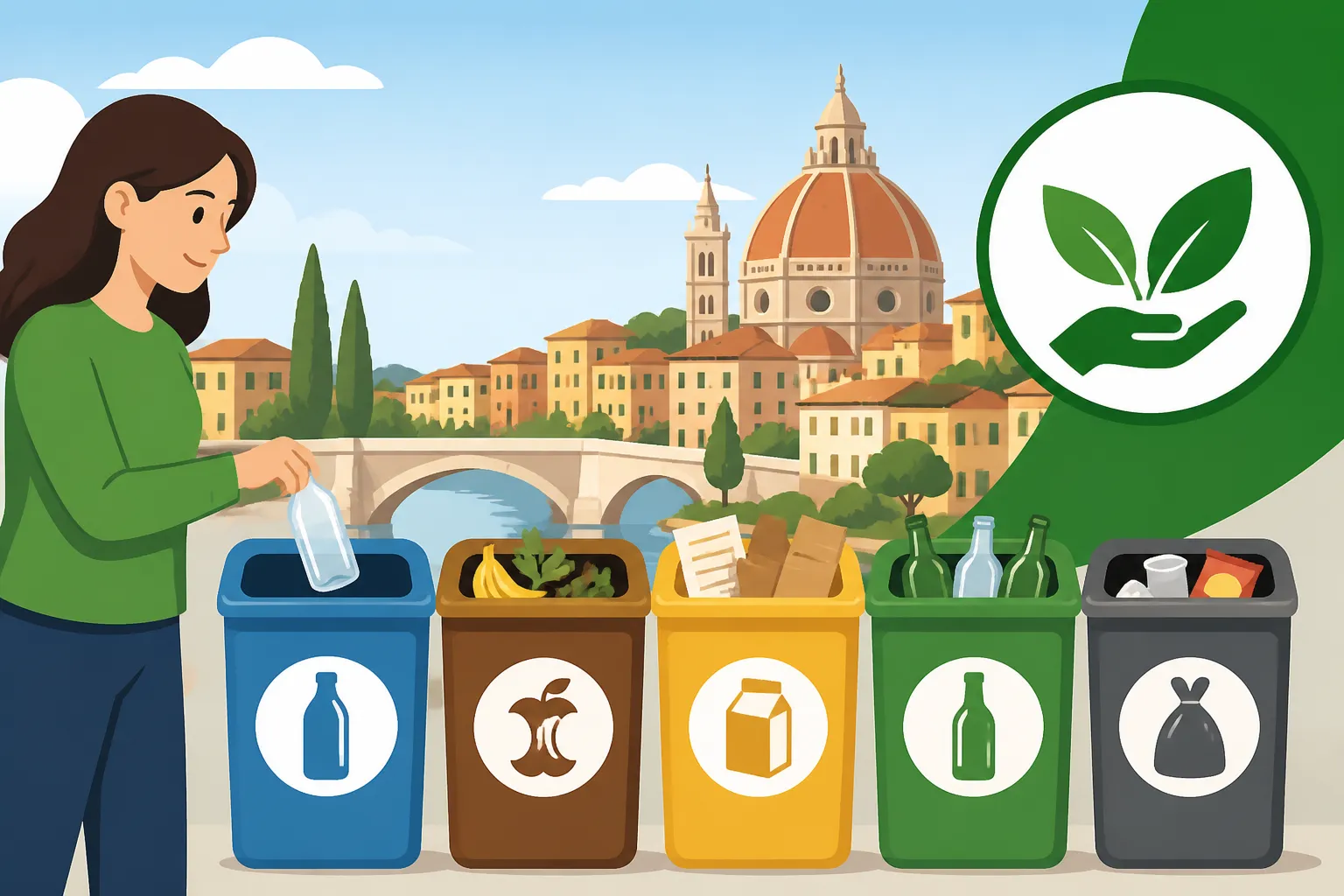
The Color-Coded Alphabet Soup: Decoding the Bins
While colors vary, the categories generally remain the same across the peninsula. The first thing you need to do is download a local app like Junker. Since you’ll need constant data to check these apps while you're out or in the basement, having a reliable connection through Airalo is a lifesaver during those first few weeks of transition. Here is a breakdown of the core categories you will encounter.
Organico: The Brown Bin
This is for your food scraps, coffee grounds, and biodegradable waste. In Italy, we take the "organico" very seriously because it’s often turned into high-quality compost for the very vineyards and farms that produce our food. You must use compostable bags—usually made of cornstarch—which you can find at any local supermarket or order in bulk from Amazon Italy.
The biggest trap here is "biodegradable" vs. "compostable." Only compostable bags go in here. If you use a regular plastic bag for your food scraps, the whole bin is considered contaminated. Pro tip: keep your organic bin small and empty it frequently, especially during the humid Italian summers, to avoid unwanted smells and fruit flies. This is a crucial part of general household hygiene.
Carta e Cartone: The Blue or Yellow Bin
Paper and cardboard are relatively straightforward, but there are two major "gotchas." First, pizza boxes. If the box is clean, it goes in the paper bin. If it’s covered in grease and cheese (as the best ones are), it actually belongs in the organico or the "indifferenziato" (unsorted) depending on your local rules.
Second, avoid putting thermal receipts—like those from the supermarket or pharmacy—into the paper bin. Most of them are made of heat-sensitive paper that isn't recyclable. They belong in the "secco residuo." This is one of those tiny details that the inspectors love to check.
Multimateriale: Plastic and Metal
Most regions in Italy combine plastic and metal (aluminum/tin) into one bin. This usually includes water bottles, detergent containers, soda cans, and even those little aluminum trays for your lasagna. The golden rule here is "empty and flattened." You don't need to scrub them with soap, but a quick rinse to remove food residue prevents odors and ensures the material can be processed.
Vetro: The Glass Bin
In some cities, glass is collected with plastic and metal; in others, it has its own dedicated bin, often green or blue. One of the most important things to remember is to remove the lids. Metal lids go in the metal/plastic bin, while the glass bottle stays in the glass bin. Never put mirrors, light bulbs, or Pyrex in the glass recycling; these are made of different materials and must be taken to a specialized "isola ecologica."
| Waste Category | Typical Color | Common Items | What to Avoid |
|---|---|---|---|
| Organico | Brown | Food scraps, coffee, tea bags | Plastic bags, diapers, pet litter |
| Carta | Blue/Yellow | Magazines, clean boxes, paper | Greasy pizza boxes, receipts |
| Plastica/Metallo | Yellow/Blue | Water bottles, cans, foil | Toys, medical waste, dirty tubs |
| Vetro | Green | Wine bottles, glass jars | Mirrors, ceramics, light bulbs |
| Secco Residuo | Grey/Black | Diapers, broken toys, gum | Anything recyclable |
Local Protocols and the "Porta a Porta" Logistics
The way your waste is actually collected depends heavily on where you live. If you are in a dense city center like Florence or Rome, you might use large communal bins on the street that require a "tessera" (an electronic card) to open. If you are in a more residential area or a smaller town, you will likely use the "porta a porta" system.
Understanding the Porta a Porta System
In this setup, you are responsible for placing your specific bin or bag on the sidewalk in front of your building during a narrow window of time (e.g., between 8:00 PM and 10:00 PM on Tuesday). The garbage trucks then come by in the middle of the night. If you put the wrong bin out on the wrong night, they simply won't pick it up, and you'll have to drag it back inside, defeated.
This system requires a physical space in your home to store five different types of waste. If you are still in the process of Finding Rental Apartments in Italy: Websites and Tips, make sure to look at the balcony or kitchen space. Most Italians keep their bins on a small balcony to keep the kitchen clear.
The Isola Ecologica (Eco-center)
For things that don't fit in the bins—like an old microwave, a broken chair, or used cooking oil—you cannot simply leave them on the street. You must take them to the "Isola Ecologica" or "Centro di Raccolta." Most municipalities also offer a "ritiro ingombranti" (bulky item pickup) service that you can book online or via phone. Doing this correctly is essential to avoid massive fines and is a key part of Navigating Italian Bureaucracy: Comune and Prefettura.
Regional Differences: North vs. South vs. Big Cities
It would be too simple if the rules were the same everywhere. As you travel or move between regions, you’ll notice the "vibe" of waste management changes. In the North, especially in cities like Trento or Milan, the system is notoriously efficient and strict. In Milan, the AMSA (the local waste authority) is very active, and their website is a goldmine of information for new residents.
In contrast, Rome has struggled with waste management for years. You might see overflowing bins or find that the rules are applied more inconsistently. However, even in Rome, the "raccolta differenziata" is mandatory. Don't let the local chaos tempt you into being sloppy; the fines still apply, and the environmental impact remains the same. If you are Living in Milan: Neighborhoods and Practical Tips, you’ll find that the "calendario" is your new best friend.
The Small Town Experience
In smaller villages, the rules can be even more specific. Some towns require you to use transparent bags so the collectors can see what's inside. Others use a "pay-as-you-throw" system where you are charged based on the weight of your "secco residuo" (non-recyclable waste). This is a great incentive to recycle as much as possible!
Pro Tips for Staying Compliant and Sane
Mastering the trash system is about building habits. Here are the survival tips I wish I had known when I first moved to Italy:
- The "Junker" App is Essential: This app allows you to scan the barcode of any product, and it tells you exactly which bin it goes in based on your specific GPS location. It’s a total game-changer.
- Wash Your Bins: Especially the organic and plastic bins. A quick rinse with vinegar and water once a week prevents the "trash smell" from taking over your apartment.
- Buy a Multi-Bin System: Don't try to manage with five separate grocery bags. Amazon Italy sells vertical sorting bins that take up very little floor space.
- Label Everything: If you have houseguests or are How to Find Roommates as an Expat in Italy, put labels on the bins in both Italian and English.
- Follow the "Vetro" (Glass) Rule: Never put the glass in a bag. Most municipalities want the glass loose in the bin to avoid plastic contamination in the glass furnace.
- Don't Forget the Batteries: Never throw batteries or light bulbs in the regular trash. Most supermarkets have small dedicated bins near the entrance specifically for these items.
When you are moving out of your place, perhaps transitioning after Terminating an Italian Lease Early: Procedures, the "ritiro ingombranti" service is your best friend for getting rid of old rugs or broken lamps. Plan this at least two weeks in advance, as the slots fill up quickly.
How to Get Your Trash "Identity"
To even use the bins in some cities, you need to be registered for the "TARI" (Tassa sui Rifiuti). This is the waste tax. If you are a legal resident, this is usually tied to your residency application. You will receive a bill in the mail once or twice a year. If you are Registering Residency in Italy (Residenza and Anagrafe), the TARI registration is a mandatory side-step.
In cities like Florence, once you pay your TARI, you get a "chiavetta" (a small electronic key) or a card that allows you to open the street bins. Without this, you literally cannot throw away your trash. If you are renting, check with your landlord or your agent from Spotahome to see if the TARI is included in your "spese condominiali" or if you need to set it up yourself. This is a common point of confusion in Italian Rental Contracts Explained: 3+2, 4+4, Transitorio.
Summary Table of Common "Confusing" Items
| Item | Where It Goes | Why? |
|---|---|---|
| Tetra Pak (Milk cartons) | Carta or Plastica | Varies by city; check your local app! |
| Polystyrene (Styrofoam) | Plastica | It's a plastic polymer. |
| Aluminum Foil | Metallo/Plastica | Even if it's crinkled, it's recyclable. |
| Wood Scraps | Isola Ecologica | Too big and dry for the compost bin. |
| Ceramics (Broken plates) | Secco Residuo | Not recyclable like glass. |
| Used Cooking Oil | Isola Ecologica | Pouring it down the drain destroys pipes and the environment. |
Important Disclaimer
This guide is intended for informational purposes and reflects the general practices of waste management in Italy. Because the "raccolta differenziata" is managed at the municipal level (Comune), rules, colors, and collection schedules can change frequently and vary significantly from one town to another. Always verify specific local regulations with your local waste authority (e.g., AMSA in Milan, AMA in Rome, Alia in Florence) or through the official "comune" website. Failure to follow local rules can result in significant fines and administrative penalties. This guide does not constitute legal or professional advice.