Lake Holidays in Italy: What to Expect
Italy has a way of stealing your heart, whether it's with its ancient cities, sun-drenched coastlines, or rolling hills of Tuscany. But sometimes, when you're caught between the allure of the Adriatic or Tyrrhenian Sea and the bustling crowds of Rome or Florence, you might overlook another equally enchanting option: a lake holiday. Choosing an Italian lake for your getaway offers a completely different, often more tranquil, slice of la dolce vita, but figuring out which lake, how to get there, and what to expect can feel like navigating a maze of regional differences and local quirks. This guide is here to unravel those complexities, helping you plan an unforgettable escape to Italy's stunning lacustrine landscapes.
Disclosure: This post may contain affiliate links. We may earn a commission at no extra cost to you if you make a purchase through these links. Read full disclosure.
Why Choose an Italian Lake Holiday?
Italy's lakes are not just bodies of water; they are entire worlds unto themselves, each with a distinct personality, rich history, and unique atmosphere. While the call of the coast is strong, the lakes offer a serene beauty and a blend of activities that can surprise even the most seasoned Italy traveler.
A Different Side of La Dolce Vita
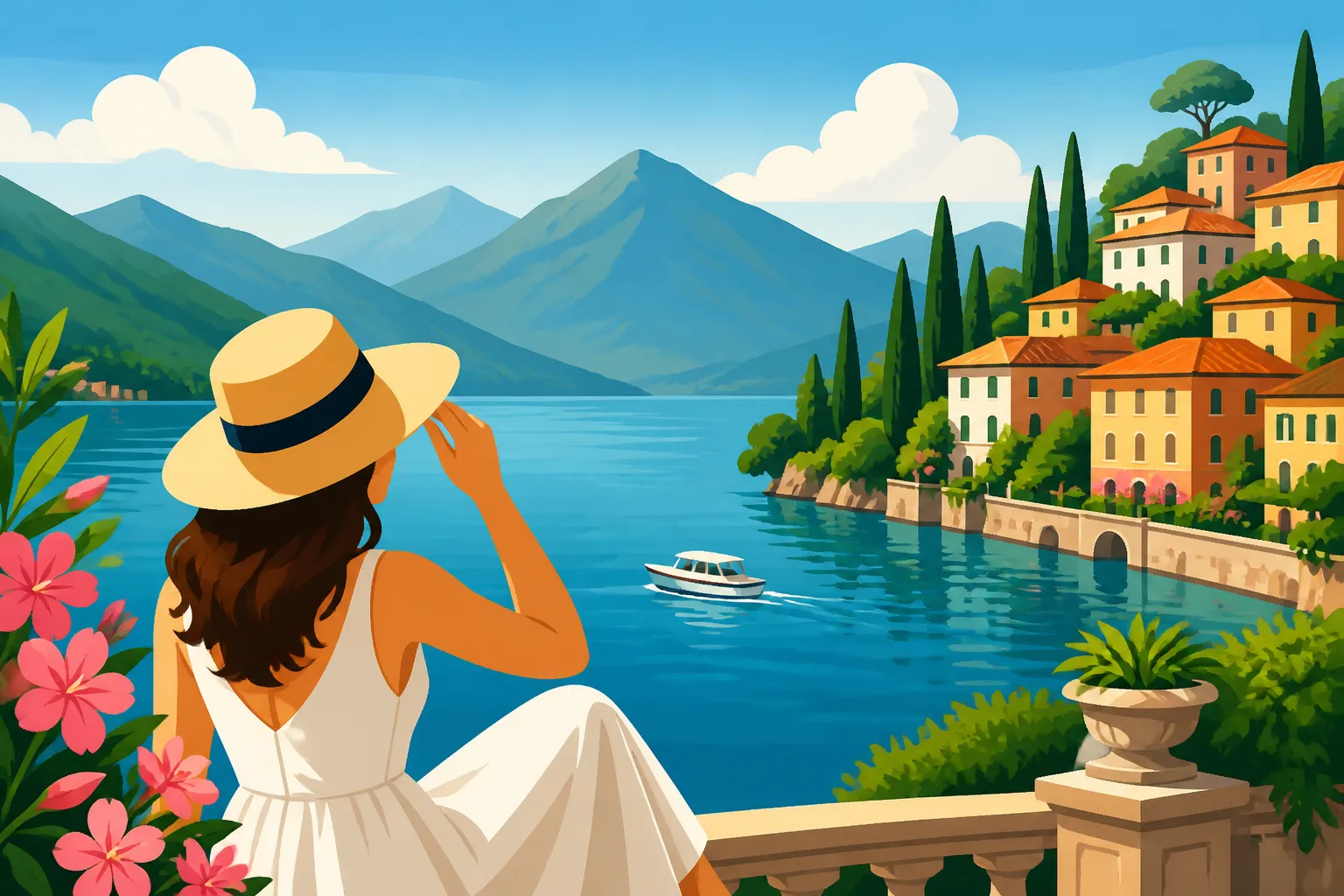
If you've spent your previous Italian adventures jostling through crowds in the Uffizi or elbowing your way to a photo op at the Colosseum, a lake holiday will feel like a breath of fresh air. The pace is inherently slower, more contemplative, and often more family-friendly. Imagine waking up to the gentle lapping of water against the shore, enjoying breakfast on a terrace overlooking sapphire blue waters framed by cypress trees and snow-capped peaks. It’s a far cry from the urban hustle.
The charm of lake life is its inherent tranquility. You're trading the frenetic energy of city tourism for a more relaxed rhythm, where the biggest decision of the day might be whether to take a leisurely boat ride, explore a lakeside village, or simply lounge by the water with a good book. This isn't just about relaxation; it’s about experiencing a different facet of Italian culture, one that values nature, long meals, and the simple pleasures of life. You'll find that people are often less rushed, more inclined to linger over an aperitivo, and deeply proud of their regional traditions. It’s an immersive experience that allows you to truly unwind and reconnect, whether with loved ones or with yourself.
Activities Beyond the Water's Edge
While the lakes themselves are the star, a lake holiday offers far more than just swimming and sunbathing. The surrounding areas are a treasure trove of cultural, historical, and adventurous pursuits. Most Italian lakes are flanked by picturesque towns, often with ancient roots, narrow cobblestone streets, and charming piazzas where you can savor local delicacies.
Take, for instance, Lake Garda. Beyond its vast expanse of water, you’ll find medieval castles like Sirmione’s Rocca Scaligera, Roman ruins, and vibrant markets brimming with regional produce. The hillsides are often dotted with vineyards and olive groves, inviting visitors to indulge in wine tastings and explore the local gastronomy, which varies wonderfully from one lake region to another. Hiking and cycling are incredibly popular, with trails ranging from gentle lakeside paths suitable for families to challenging mountain routes offering breathtaking panoramic views. You can wander through historic villas with impeccably manicured gardens, visit fascinating museums, or even take a cooking class to learn the secrets of the local cuisine. It's a holistic experience that blends natural beauty with rich cultural immersion, ensuring that every day brings a new discovery, whether you're exploring the charming towns around Lake Iseo or hitting the hiking trails above Lake Como.
Navigating Italy's Premier Lake Districts
Italy boasts a multitude of lakes, each offering a unique appeal. From the grand, world-famous Northern Lakes to the serene, often overlooked gems of Central Italy, there's a perfect lacustrine escape for every taste.
The Grandeur of the Northern Lakes (Como, Garda, Maggiore)
When most people picture an Italian lake holiday, they're likely envisioning the majestic Northern Lakes, nestled at the foot of the Alps. These are the giants, celebrated for their stunning scenery, elegant villas, and sophisticated atmosphere.
-
Lake Como (Lago di Como): Often considered the most glamorous, Lake Como is synonymous with luxury and breathtaking beauty. Its distinctive Y-shape is lined with charming, pastel-hued towns clinging to steep hillsides, such as Bellagio, Varenna, and Menaggio. The lake is famous for its opulent historic villas, like Villa Balbianello and Villa Carlotta, with their elaborate gardens perfect for a leisurely stroll. The deep, dark waters reflect the surrounding mountains, creating a dramatic, almost theatrical landscape. While it can be pricier, especially in the more famous towns, the sheer elegance and romantic appeal are undeniable. Think scenic boat trips, exquisite dining, and perhaps a sighting of a celebrity or two. The ferry network here is excellent, making it easy to hop between villages and explore. For those looking to arrive in style or simply seeking efficient travel from nearby airports, services like Omio can help you find train or bus connections to cities like Milan, from which the lake is easily accessible.
-
Lake Garda (Lago di Garda): As Italy's largest lake, Garda offers incredible diversity. Its northern tip is narrow and fjord-like, surrounded by towering mountains, making it a mecca for windsurfing and sailing enthusiasts in towns like Riva del Garda and Torbole. The southern end widens into a flatter, more Mediterranean landscape, adorned with olive groves, lemon trees, and popular family resorts like Sirmione, with its thermal baths and Scaliger Castle, and Gardaland, one of Italy’s largest theme parks. Lake Garda is fantastic for active holidays, with extensive cycling paths, hiking trails, and a vibrant atmosphere. You'll find a wide range of accommodation options, from luxury hotels to family-friendly campsites. The local food is a delicious blend of Mediterranean and Alpine influences.
-
Lake Maggiore (Lago Maggiore): Stretching into Switzerland, Lake Maggiore exudes a slightly more understated elegance than Como but is no less stunning. Its most famous attractions are the Borromean Islands – Isola Bella with its Baroque palace and elaborate gardens, Isola dei Pescatori, a charming fishing village, and Isola Madre, known for its botanical gardens. Towns like Stresa and Verbania offer beautiful promenades and grand hotels from a bygone era. Maggiore is a fantastic choice for those who appreciate natural beauty, historical villas, and botanical wonders, perhaps with fewer crowds than Como during peak season. You can easily spend days exploring the islands or taking a cable car up to Mottarone for incredible views of the lake and surrounding Alps.
Hidden Gems: Central and Southern Italian Lakes
While the Northern Lakes often steal the spotlight, Italy's central and southern regions also boast beautiful, often volcanic, lakes that offer a different, more authentically Italian experience, usually with fewer international tourists.
-
Lake Trasimeno (Lago Trasimeno): Located in Umbria, Italy’s green heart, Lake Trasimeno is the fourth-largest lake in Italy and a gentle, tranquil escape. It's much shallower than its northern counterparts, making its waters warmer and perfect for swimming. The lake is surrounded by charming medieval towns like Castiglione del Lago and Passignano sul Trasimeno, each with its own fortress and panoramic views. Trasimeno is famous for its history, notably the Battle of Lake Trasimene between Hannibal and the Romans, and its three small islands, one of which, Isola Maggiore, is accessible by ferry and hosts a small fishing village. This is an ideal destination for those seeking a peaceful, rustic Italian experience, with abundant local produce, delicious food, and a slower pace of life. It’s less about glamour and more about authentic rural charm.
-
Lake Bolsena (Lago di Bolsena): Europe's largest volcanic lake, Lake Bolsena in Lazio is known for its pristine waters and two picturesque islands, Bisentina and Martana. The lake is incredibly clean, making it a favorite for swimming, kayaking, and fishing. The town of Bolsena itself is crowned by a magnificent castle, the Rocca Monaldeschi della Cervara, offering superb views. The surrounding area is rich in Etruscan history and charming villages, providing plenty to explore beyond the water. The volcanic origins mean fertile soil, so you'll find excellent local wine and olive oil. It offers a more rugged, natural beauty compared to the manicured elegance of the northern lakes, appealing to those who love the outdoors and less touristy destinations.
-
Lake Bracciano (Lago di Bracciano): Also a volcanic lake, Lake Bracciano is conveniently located just north of Rome, making it an excellent day trip or weekend getaway from the capital. It's a protected area, ensuring its crystal-clear waters remain pristine and free from motorboat traffic (with some exceptions), making it perfect for swimming, canoeing, and sailing. The lake is dominated by the impressive Castello Odescalchi in Bracciano, a well-preserved medieval castle that's open to the public and often hosts events. Other charming towns like Anguillara Sabazia and Trevignano Romano offer lovely lakeside promenades and excellent restaurants. For a taste of nature and history without venturing too far from Rome, Lake Bracciano is a superb choice.
These central and southern lakes often provide a more budget-friendly alternative to their northern cousins, without sacrificing beauty or charm. They allow you to immerse yourself in regional Italian culture, enjoying authentic cuisine and slower rhythms of life.
Planning Your Lake Getaway: Logistics and Practicalities
Once you've picked your dream lake, it's time to iron out the details. Practical planning is key to a smooth and enjoyable Italian lake holiday, especially when it comes to where you'll lay your head and how you'll move around.
Accommodation Options for Every Budget
Italy's lake regions offer a vast array of accommodation, from luxurious grand hotels to charming family-run guesthouses and practical campsites. Your choice will largely depend on your budget, travel style, and the specific lake you choose, but you're bound to find something that fits.
-
Hotels: From opulent five-star establishments found around Lake Como and Lake Maggiore to more modest, comfortable options in every lakeside town, hotels are plentiful. Many offer stunning lake views, private beaches, or pools. If you're looking for that classic, romantic Italian experience, a hotel with a balcony overlooking the water is often the way to go. You can find a wide range of hotels on platforms like Booking.com, allowing you to filter by amenities, price, and location. It's always a good idea to check reviews, especially regarding noise levels or accessibility, as some charming old buildings might lack elevators.
-
Apartments and Villas: For longer stays, families, or groups, renting an apartment or an entire villa can be a fantastic option. This gives you more space, a kitchen for self-catering (perfect for exploring local markets!), and a taste of living like a local. Options range from modern flats in the heart of a village to rustic stone houses in the hills overlooking the lake. Websites like Booking.com offer numerous apartment and villa rentals, often with photos and detailed descriptions. Just be mindful of the "Italian rental contracts explained: 3+2, 4+4, and transitorio" if you're looking at very long-term stays, although for typical holidays, you'll be dealing with short-term tourist leases.
-
Agriturismi: Especially prevalent around Lake Trasimeno and the more rural lakes, agriturismi offer a unique farm-stay experience. These are working farms that provide accommodation, often with delicious homemade meals featuring their own produce. It's an excellent way to connect with the land, enjoy authentic regional cuisine, and experience genuine Italian hospitality in a peaceful setting. Many have pools and offer activities like cooking classes or farm tours.
-
Campsites: For budget-conscious travelers or those who love the outdoors, many of the larger lakes, particularly Lake Garda, have well-equipped campsites. These can range from simple tent pitches to mobile homes and bungalows, often with pools, restaurants, and direct lake access. They provide a lively, family-friendly atmosphere and are a great way to enjoy the natural beauty without breaking the bank.
Booking well in advance, especially for popular periods like summer and early autumn, is highly recommended, as the best spots get snapped up quickly.
Getting There and Getting Around
Navigating Italy’s lakes requires a bit of planning, but thankfully, there are excellent options whether you prefer public transport or the freedom of your own wheels.
-
By Air: The northern lakes are generally well-served by several major airports. Milan Malpensa (MXP), Milan Linate (LIN), and Bergamo Orio al Serio (BGY) are excellent gateways for Lakes Como, Maggiore, and Garda. Venice Marco Polo (VCE) and Verona Villafranca (VRN) are also convenient for Lake Garda. For the central lakes like Bracciano or Bolsena, Rome Fiumicino (FCO) is the primary airport. You can often find seamless connections to nearby train stations or bus terminals from these airports; for instance, you can find a guide on how to get from Milan Malpensa Airport to the city center, from which you can connect to the lakes.
-
By Train: Italy has an extensive and efficient train network. Major cities near the lakes (like Como for Lake Como, Desenzano del Garda or Peschiera del Garda for Lake Garda) are easily reachable by high-speed or regional trains. Websites like Omio are fantastic for comparing train, bus, and even flight options, allowing you to plan your journey and purchase tickets in advance. This is particularly useful for longer distances, ensuring you get the best price and seat. From the main train stations, local buses or ferries typically complete the journey to your specific lakeside town.
-
By Car: Renting a car provides the most flexibility, especially if you plan to explore multiple lakes or venture into the surrounding hills and villages. However, be aware of Italy’s ZTLs (Limited Traffic Zones) in historic city centers, which can incur hefty fines if entered unknowingly. Many lakeside towns also have narrow, winding roads and limited parking. Make sure you understand the rules of the road and consider full insurance coverage. Our guide on Renting a Car in Italy: ZTLs, Insurance, and Driving Tips is a must-read if you plan to drive. For central and southern lakes, a car is often the most practical way to explore, as public transport options can be less frequent.
-
Local Transport (Ferries & Buses): Once you're at the lake, ferries are often the most picturesque and enjoyable way to get around, offering stunning views from the water. All the major lakes have extensive ferry services connecting their various towns. Buses also serve lakeside communities, and a combination of both can get you almost anywhere you need to go. For example, for a deeper dive into Italy's rail system, check out our guide on High-Speed Trains in Italy: Trenitalia, Italo, Routes, and Savings.
Activities and Experiences on the Italian Lakes
A lake holiday in Italy is a multi-faceted gem, offering a perfect balance between relaxation and engagement. Whether you're a water baby or a culture vulture, there’s an activity waiting to captivate you.
On the Water: Boating, Swimming, and Water Sports
The lakes themselves are the primary playground, offering countless ways to enjoy their refreshing waters and stunning panoramas.
-
Boating: This is arguably the quintessential lake experience. You can take a public ferry to hop between picturesque towns, giving you constantly changing perspectives of the shoreline. For a more intimate experience, rent a private motorboat (often no license required for smaller vessels) and explore hidden coves, picnic on secluded beaches, or simply cruise at your own pace. Many towns offer boat rentals by the hour or day. You can also opt for guided tours, which often include visits to famous villas and landmarks. For a special treat, consider a sunset cruise with an aperitivo – pure magic.
-
Swimming: The waters of most Italian lakes are incredibly clean and inviting, especially during the warmer months. Public beaches (often rocky or pebbly, so water shoes are a good idea) are common, as are private lidos where you can rent sun loungers and umbrellas. Lake Garda is particularly popular for swimming, with designated beach areas that are well-maintained. Always check local signs for safety and designated swimming zones.
-
Water Sports: The Northern Lakes, especially Lake Garda, are hotspots for water sports. Windsurfing and kitesurfing thrive in the windy northern stretches of Garda. Kayaking, paddleboarding, and canoeing are popular on almost all lakes, offering a peaceful way to explore the shoreline at your own pace. Many lakeside towns have rental shops where you can hire equipment or even take lessons. If you're staying at a larger resort, they often have their own water sports centers. These activities are a fantastic way to stay active and make the most of the beautiful aquatic environment.
Off the Water: Gardens, Villas, and Local Flavors
The enchantment of an Italian lake holiday extends far beyond the water's edge, drawing you into a world of art, history, and exquisite local tastes.
-
Historic Villas and Gardens: The shores of lakes like Como and Maggiore are adorned with magnificent historic villas, many of which are open to the public. Places like Villa Balbianello on Lake Como, with its terraced gardens cascading down to the water, or the botanical paradise of Villa Carlotta, are architectural and horticultural masterpieces. Strolling through these elaborate gardens, filled with exotic plants, classical sculptures, and breathtaking views, is like stepping back in time. These villas often host cultural events, concerts, and art exhibitions, adding another layer to your visit. For those who enjoy connecting with historical grandeur, exploring these estates is a must-do.
-
Charming Lakeside Towns: Each town ringing the lakes has its own unique character. Bellagio, the "Pearl of Lake Como," is famous for its picturesque alleys and stunning promenades. Sirmione on Lake Garda enchants with its thermal springs and medieval castle. These towns are perfect for leisurely strolls, browsing local boutiques, or simply enjoying a gelato while people-watching in a piazza. Many have lively markets where you can find local crafts, fresh produce, and regional specialties. You might find yourself comparing these charming spots to the idyllic "villages" discussed in a guide on Choosing the Best Neighborhood in Italy’s Major Cities, realizing the small-town charm is equally captivating.
-
Culinary Delights: The gastronomy of the lake regions is distinct and delicious. Expect fresh lake fish (such as perch, trout, and whitefish) prepared in various ways, often grilled or fried simply. Olive oil from the surrounding groves is a staple, especially around Garda. You’ll also find mountain influences, with hearty polenta dishes, cured meats, and local cheeses. Don’t forget to indulge in the local wines; regions like Lugana (Lake Garda) produce excellent whites. Taking a cooking class, visiting a local winery, or simply savoring a long meal at a lakeside trattoria is an essential part of the experience. The "Italian food culture: eating well as a visitor" guide can offer more insights into the broader culinary landscape. To discover unique experiences like food tours or guided excursions to local markets, websites like GetYourGuide can be an invaluable resource, helping you unearth hidden culinary gems and cultural adventures that might not be immediately obvious.
-
Hiking and Cycling: The mountainous backdrop of many Italian lakes provides ample opportunities for outdoor adventures. Well-marked trails cater to all fitness levels, from gentle lakeside walks suitable for families to challenging mountain treks with rewarding views. Cycling is also incredibly popular, with dedicated paths and scenic routes. Renting a bike and exploring the perimeter of a smaller lake, or parts of a larger one, offers a wonderful sense of freedom and a chance to truly immerse yourself in the natural beauty.
Best Times to Visit and What to Pack
Timing your visit and packing smartly can significantly enhance your Italian lake holiday, ensuring you experience the best weather and activities for your preferences.
Seasonal Charms: Spring, Summer, and Autumn
Each season paints the Italian lakes in a different light, offering distinct advantages and considerations.
-
Spring (April-May): This is arguably one of the most beautiful times to visit. The weather is pleasantly mild, the gardens of the villas burst into bloom with vibrant colors, and the crowds are generally thinner than in summer. Daytime temperatures are comfortable for exploring and hiking, though evenings can still be cool. The ferry services are usually fully operational by mid-spring. This period is ideal for those who prefer tranquility, nature, and cultural sightseeing without the intense heat. It's a fantastic time for photography and enjoying the fresh, crisp air.
-
Summer (June-August): Summer is peak season, and for good reason: the weather is hot and sunny, perfect for swimming, sunbathing, and all water sports. All attractions, restaurants, and ferry services are fully operational. However, with the good weather come the crowds, especially in July and August. Popular towns can get very busy, and accommodation prices tend to be at their highest. If you're traveling in high summer, be prepared for hotter temperatures, especially in the central and southern lakes, and book everything well in advance. For those who love a lively atmosphere and don't mind the heat, summer is fantastic. Just remember to hydrate and seek shade during the hottest parts of the day.
-
Autumn (September-October): Similar to spring, autumn offers a wonderful blend of pleasant weather and fewer crowds. Early autumn still has warm enough temperatures for swimming, and the water remains enjoyable. The surrounding foliage begins to change color, creating a stunning backdrop of reds, oranges, and golds against the blue water. This is an excellent time for hiking, wine tasting, and enjoying the harvest festivals. By late October, many seasonal businesses may start to close, especially in smaller towns, so it's worth checking ahead. For a peaceful, picturesque, and gastronomically rich experience, early to mid-autumn is highly recommended. Our broader guide on Italy's best travel seasons also highlights the charms of these shoulder seasons.
Packing Essentials for a Lake Holiday
Packing for an Italian lake holiday requires versatility, as you'll likely be balancing relaxation, outdoor activities, and perhaps some fine dining.
-
Clothing:
- Layers are key: Even in summer, evenings can be cooler, especially by the water or in the mountains. Bring sweaters, cardigans, or a light jacket.
- Swimwear: Essential for enjoying the lakes or your hotel pool.
- Comfortable walking shoes: For exploring towns, gardens, and light hikes. If you plan serious hiking, bring appropriate hiking boots.
- Dressier outfits: For evenings out, as Italians tend to dress smartly for dinner, especially in the more elegant lakeside towns. Think sundresses, smart casual trousers, and collared shirts.
- Rain jacket or umbrella: Unexpected showers can happen in any season.
-
Essentials:
- Sunscreen, hat, and sunglasses: The sun can be intense, especially when reflected off the water.
- Insect repellent: Especially in the evenings, mosquitoes can be a nuisance.
- Water bottle: Stay hydrated. Tap water is safe to drink throughout Italy.
- Adapter: For charging your electronics (Italy uses Type F and L outlets).
- Small backpack/day bag: For day trips and carrying essentials.
- Basic first-aid kit: For minor scrapes or headaches. You might also want to consult a guide on using your European Health Insurance Card (EHIC) in Italy for broader medical considerations.
-
Optional but Recommended:
- Water shoes: Many lake beaches are pebbly.
- Binoculars: For enjoying the stunning panoramic views and spotting wildlife.
- Camera: To capture the breathtaking scenery.
- Italian phrasebook or translation app: While many tourist areas have English speakers, a few Italian phrases go a long way in showing respect and enhancing your interactions.
Comparing Italy's Major Northern Lakes
| Feature | Lake Como | Lake Garda | Lake Maggiore |
|---|---|---|---|
| Size | Medium-Large | Largest in Italy | Second Largest, extends to CH |
| Vibe | Glamorous, romantic, sophisticated | Diverse, active, family-friendly | Elegant, serene, botanical |
| Key Towns | Bellagio, Varenna, Menaggio | Sirmione, Riva del Garda, Malcesine | Stresa, Verbania, Cannobio |
| Key Attractions | Villas (Balbianello, Carlotta), ferry hopping, scenic views | Scaliger Castle, Gardaland, windsurfing, Monte Baldo cable car | Borromean Islands, botanical gardens, castles |
| Best For | Luxury travelers, couples, scenery lovers | Families, active holidays, water sports enthusiasts, diverse experiences | Nature lovers, culture enthusiasts, those seeking tranquility |
| Access (from Milan) | ~1 hr by train to Como town | ~1.5-2 hrs by train to Peschiera/Desenzano | ~1 hr by train to Stresa |
An Italian lake holiday isn't just an alternative; it's a destination in its own right, offering a rich tapestry of experiences that blend natural beauty, cultural immersion, and that inimitable Italian charm. From the dramatic vistas of Lake Como to the active shores of Lake Garda and the tranquil beauty of Lake Trasimeno, each lake promises a unique adventure. So, pack your bags, prepare to unwind, and let the gentle lapping of Italy's waters wash over you.
Disclaimer
Please note that travel information, including visa requirements, local regulations, and prices, can change rapidly. While we strive to provide the most accurate and up-to-date information, it is always recommended to verify details with official sources, such as government websites, embassies, and local tourism boards, before making any travel plans. This guide is for informational purposes only and does not constitute professional advice.