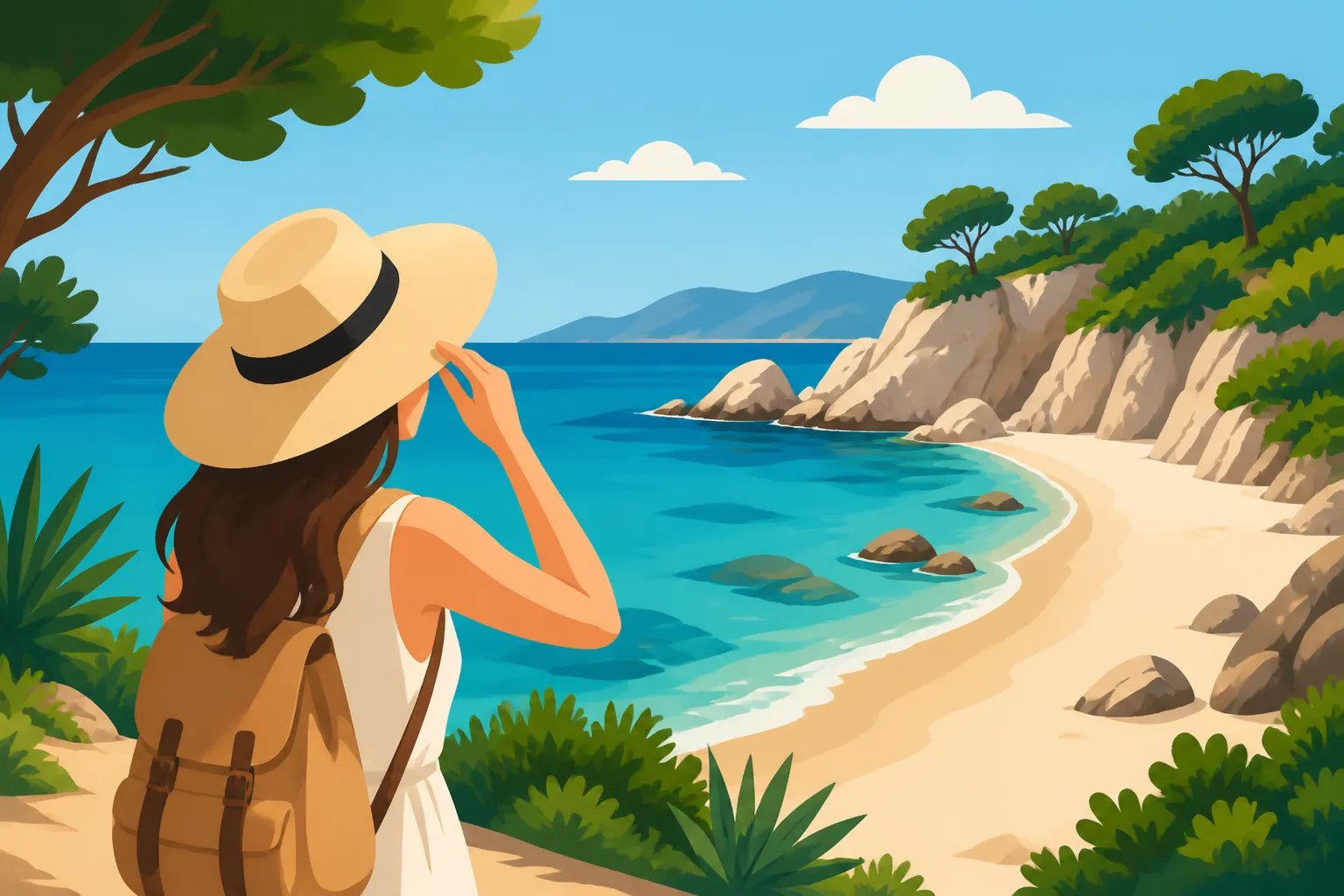
How to Find Uncrowded Beaches in Italy
Few experiences match the disappointment of stepping onto an Italian beach expecting idyllic turquoise waters and tranquility, only to be met with wall-to-wall plastic lounge chairs, blaring radio music, and barely an inch of open sand. Finding uncrowded beaches in Italy requires bypassing tourist cliches and navigating local administrative setups. This guide provides actionable strategies, regional insider recommendations, and practical steps to help you escape the crowds and discover Italy’s peaceful coastal gems.
Disclosure: This post may contain affiliate links. We may earn a commission at no extra cost to you if you make a purchase through these links. Read full disclosure.
Understanding Italy’s Coastal Layout and Beach System
To find quiet coastal escapes in Italy, you must first understand how Italian beaches are structured. The Italian coast operates under a unique legal and cultural framework that dictates who gets access to the sand, how much it costs, and where the crowds naturally congregate. If you show up at a popular seaside town without a plan, you will almost certainly end up surrounded by thousands of holidaymakers.
The Divide Between Free Beaches and Paid Lidos
In Italy, shoreline management is broadly split into two categories: private concessions known as stabilimenti balneari (lidos) and public sections known as spiagge libere (free beaches).
The stabilimento balneare is an entrenched Italian institution. Private operators rent stretches of land from the maritime state, filling the beach with orderly rows of colorful umbrellas (ombrelloni) and sunbeds (lettini). These establishments offer amenities like hot showers, changing cabins, restaurants, and lifeguard services. While convenient, they are also ground zero for high density. When asking Are Italy’s Beaches Free, or Do You Pay for a Lido? it helps to realize that while the sea itself is public, the land directly behind it is often commercialized.
On the other end of the spectrum is the spiaggia libera. These are unmanaged, free public beaches where anyone can set up a towel and an umbrella. The catch? Because they are free, public beaches near city centers, train stations, or popular boardwalks are often even more packed than the private lidos. To find an uncrowded free beach, you have to target wilder stretches—often categorized as spiaggia libera attrezzata (free beach with basic facilities nearby) or completely untouched coastal nature reserves—that require effort to reach.
How Timing and Geography Dictate Crowd Control
Italian vacation culture follows predictable rhythms. The vast majority of domestic tourists take their beach holidays during July and August, reaching an absolute boiling point around the middle of August. Understanding What Happens in Italy on Ferragosto (August 15)? helps explain why even the most secluded cove can suddenly fill with families having picnic lunches on public holidays.
Furthermore, daily timing plays a massive role. The typical beachgoer in Italy arrives between 10:30 AM and 11:30 AM, stays until about 1:00 PM for lunch, and returns around 4:00 PM. If you adjust your daily routine to arrive at sunrise or during the late afternoon, you can experience popular beaches in near-total solitude.
Geography is equally decisive. Italy has over 7,500 kilometers of coastline, yet international tourists tend to cluster along small, highly publicized segments like the Amalfi Coast, Positano, and the Cinque Terre villages. Simply shifting your geographic focus by twenty miles can transform your experience from chaotic to pristine.
Regional Strategies for Finding Quiet Coastal Spots
Every Italian coastal region has its own personality, geography, and hidden corners. Finding peace and quiet along the Tyrrhenian, Adriatic, or Ionian seas means tailoring your search strategy to the specific landscape of the region you are visiting.
Skipping Famous Hotspots for Neighboring Hidden Coves
If your itinerary centers around famous postcard destinations, you do not necessarily have to abandon the region entirely; you just need to look at the map with a sharper eye. When analyzing The Amalfi Coast and Cinque Terre: Choosing Your Coast for a peaceful getaway, recognize that both areas suffer from severe overcrowding at primary town beaches. However, both coastlines are jagged and cliff-lined, hiding dozens of tiny inlets that can only be reached by steep walking paths or small boats.
Instead of staying in the middle of Positano or Monterosso, consider using neighboring, quieter towns as your base. In Campania, look south toward the Cilento Coast (Cilento National Park). Located just an hour south of Salerno, the Cilento features pristine blue-flag beaches, sweeping marine protected areas, and a fraction of the visitor volume seen on the Amalfi Coast. You can easily compare regional transport connections across Italy on platforms like Omio to map out regional train lines that head past the main tourist stops.
Similarly, if you are drawn to the island allure of Sardinia, stay away from the main strips of the Costa Smeralda in August. Explore Sardinia for Travelers: Beaches and the Interior to uncover the island’s wilder coastlines, such as the Costa Verde in the southwest or the steep cliffs of the Gulf of Orosei, where secluded coves like Cala Goloritzé require a dedicated trek to access.
Leveraging Off-Grid Access and Coastal Hikes
The single most effective filter against beach crowds is physical effort. Most beachgoers prefer parking within a two-minute walk of the sand. If a beach requires a 25-minute walk down a dirt track or a steep coastal staircase, 90% of potential visitors are automatically filtered out.
In Tuscany, skip the organized resort strips of Viareggio and venture into the Maremma Regional Park (Parco Naturale della Maremma). Here, beaches like Spiaggia di Collelungo require walking or cycling through several kilometers of pine forest and coastal marshes. The reward is miles of wide, golden sand backed by wild dunes, completely devoid of sunbed rentals and beach bars.
In Puglia, while the sandy beaches of Gallipoli and Polignano a Mare overflow in summer, the rocky coastlines of the Salento Peninsula offer natural swimming holes, flat rock platforms (scogli), and hidden sea caves. Exploring Hiking in Italy: Popular Trails and How to Prepare can help you locate mapped coastal paths that lead down to these rocky inlets, where you can swim in crystal-clear waters with only a few locals around.
Practical Steps to Plan an Uncrowded Beach Escape
Finding quiet coastal spots requires deliberate planning, flexible scheduling, and a willingness to venture off the main transport routes.
Timing Your Visits and Mastering Off-Peak Hours
If you are traveling during peak summer, your schedule is your best tool for avoiding crowds.
- The Early Morning Window (7:00 AM – 10:00 AM): The sea is at its calmest, the air is comfortably cool, and you will have entire stretches of sand to yourself. This is ideal for swimming, reading, and taking photos.
- The Lunchtime Dip (1:00 PM – 3:30 PM): When local families retreat to seaside trattorie or home rentals for lunch and a midday rest, public beaches temporarily empty out. Ensure you have proper sun protection, as the UV rays are at their strongest.
- The Late Afternoon / Aperitivo Hour (5:30 PM – 8:30 PM): As day-trippers head home to shower and prepare for dinner, the light softens and the crowds disperse. Bringing a light picnic and watching the sunset from a quiet beach is one of the most rewarding ways to end the day.
If your calendar allows for flexibility, plan your coastal trips during the shoulder seasons. Consulting a guide on When Is the Best Time for a Beach Holiday in Italy? reveals that late May, June, and September offer warm sea temperatures, open seasonal businesses, and dramatically lower visitor numbers. Even October can deliver glorious beach days in southern regions like Sicily, Puglia, and Calabria.
Navigating Local Transport and Boat Rentals
Public transport in Italy is efficient between major hubs, but it rarely drops you directly at isolated beaches. To reach true hidden gems, you need to combine transport methods strategically.
For longer trips across regions, check options on Omio to coordinate train arrivals at smaller regional stations. Once you arrive at a coastal base, consider renting a small scooter or car for ultimate flexibility. Reading through Renting a Car in Italy: ZTLs, Insurance, and Driving Tips is essential before hitting the road, as coastal towns often feature strict limited traffic zones (ZTL) and tight parking spaces.
Another incredible way to access uncrowded waters is by sea. In almost every coastal region, you can rent a small rubber dinghy known as a gommone. In Italy, small motorboats with engines up to 40 horsepower can be rented without a boat license (senza patente). Renting a gommone for a half-day or full day allows you to drop anchor in tiny, uninhabited coves that are completely inaccessible by land. If you prefer a guided experience or an organized boat excursion, you can browse verified local operators on GetYourGuide to find small-group sailing tours that skip the major commercial stops.
When planning where to stay near these remote coastal entry points, using Booking.com helps you filter for small bed-and-breakfasts, agriturismos, or holiday apartments located outside major resort centers, placing you closer to wild coastal trails.
Coastal Comparison and Secluded Beach Toolkit
Choosing the right region depends heavily on your mobility, comfort level with rugged terrain, and travel style. Below is a practical breakdown of several Italian coastal regions, detailing crowd dynamics and accessibility to help you choose the best target area.
| Region / Area | Peak Season Crowd Level | Terrain & Accessibility | Type of Uncrowded Experience | Best Approach to Escape Crowds |
|---|---|---|---|---|
| Cilento (Campania) | Low to Moderate | Rolling hills, wide sandy bays, rocky coves | Pristine nature reserve beaches, quiet fishing villages | Base in Santa Maria di Castellabate; drive south to wild bays |
| Maremma (Tuscany) | Moderate | Pine forests, flat sand dunes, dirt tracks | Protected coastal parkland, wide open beaches | Hike or bike through the national park trails from Alberese |
| Gargano (Puglia) | Moderate to High | White limestone cliffs, pebble coves, thick pine forests | Dramatic sea caves, secluded pebble bays | Rent a gommone from Vieste or Mattinata to reach sea-only coves |
| Costa Verde (Sardinia) | Low | High wind-swept sand dunes, open ocean beaches | Wild, rustic, dramatic coastal landscapes | Rent a 4×4 or sturdy car; prepare for unpaved dirt roads |
| Calabria (Ionian Coast) | Low | Long stretches of sand and gravel, clear water | Unspoiled, non-commercialized wide beaches | Travel by car along the SS106 highway; stop at rural stretches |
| Conero Riviera (Marche) | Moderate | Steep cliffs dropping into turquoise Adriatic waters | Pebble coves backed by Mediterranean greenery | Take local shuttle buses or hike down steep paths (stradelli) |
Packing Essentials for Remote Beaches
When visiting a wild beach (spiaggia libera) far from town centers, you cannot rely on seaside kiosks or rental shops. You must bring everything you need for the day and be prepared to pack out all your trash.
- Hydration and Food: Bring significantly more water than you think you need, especially if reaching the beach involves a sun-exposed hike. Pack high-energy snacks or a simple lunch, as there will be no bars nearby.
- Shade Protection: Wild beaches lack fixed umbrellas. Carry a lightweight UV-blocking beach umbrella or a pop-up sun shelter, along with broad-spectrum sunscreen and a hat.
- Footwear for Scogli: Italian coastal wild spots frequently feature sharp rocks, pebble shores, or sea urchins. Sturdy water shoes or sea sandals are crucial for getting in and out of the water safely. Regular hiking shoes or trail runners are recommended for coastal access paths.
- Trash Bags: Always practice leave-no-trace principles. Bring durable bags to carry home all waste, including food scraps.
- Safety Gear: Cell phone reception can be spotty under steep sea cliffs. Inform someone of your destination if heading out on isolated coastal hikes, and keep a small first-aid kit stocked with bandages and antiseptic wipes. Reviewing What to Pack for a Beach Trip in Southern Italy will give you a complete rundown on how to prepare for hot, sunny days on the coast.
By shifting your travel calendar, putting in a bit of physical effort on coastal paths, and taking advantage of boat rentals or local transport, you can easily leave the crowded lidos behind and discover the peaceful, authentic side of Italy’s stunning coastlines.
Disclaimer
This article is for general informational purposes only and does not constitute professional advice. Laws, prices and regulations vary by location and change over time. Consult a qualified professional for guidance on your specific situation.