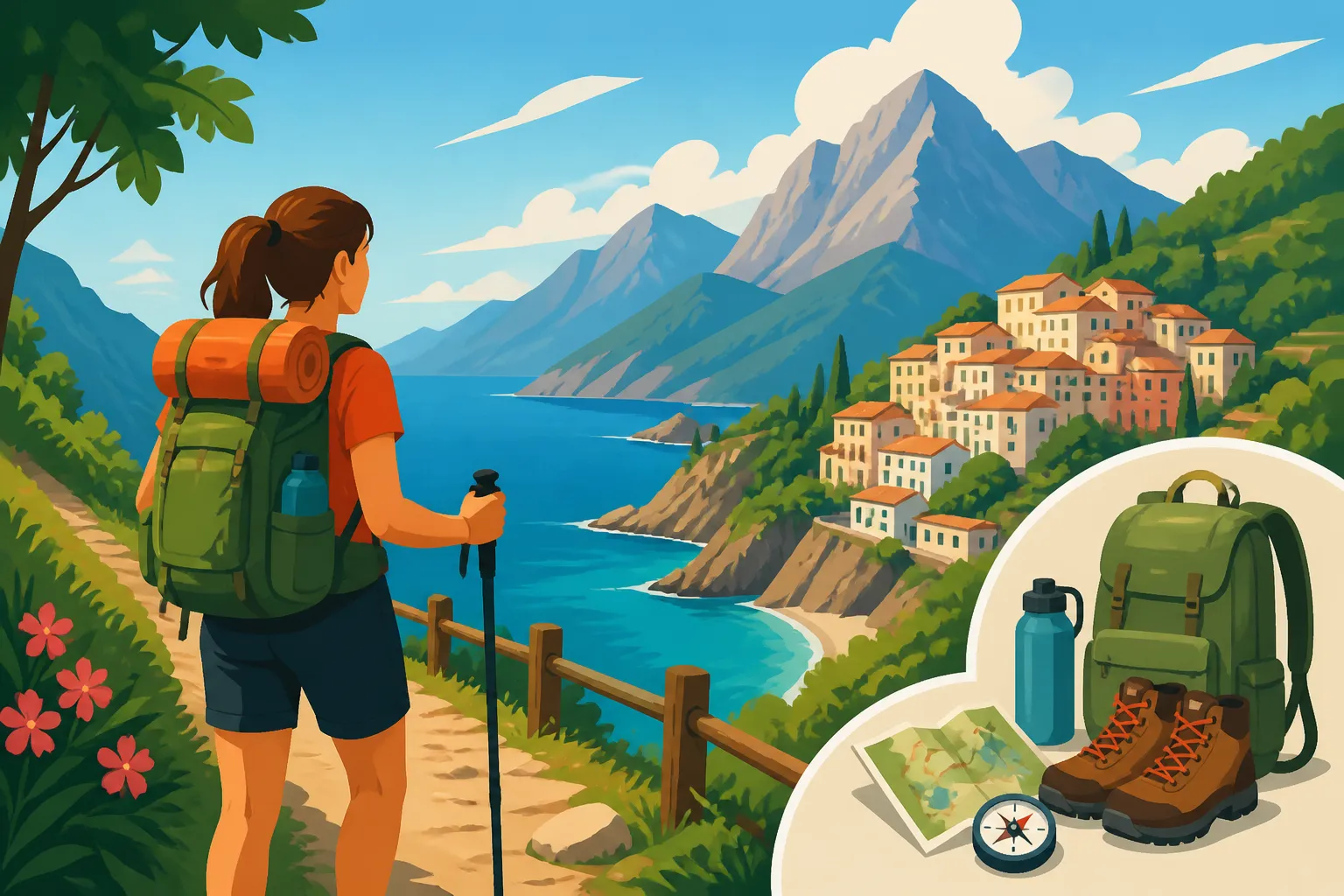
Hiking in Italy: Popular Trails and How to Prepare
Italy, with its captivating blend of history, culture, and natural beauty, often beckons us with promises of ancient ruins, bustling piazzas, and endless plates of pasta. But for those of us who yearn for something more, for the quiet embrace of nature and the challenge of a winding path, the thought of deciphering Italy's vast hiking landscape can feel like trying to read a train schedule in a language you don't fully grasp. This guide is here to untangle that knot, offering practical advice and insider tips so you can lace up your boots and confidently explore Italy's most breathtaking trails.
Disclosure: This post may contain affiliate links. We may earn a commission at no extra cost to you if you make a purchase through these links. Read full disclosure.
Why Hike in Italy? More Than Just Mountains
When you think of Italy, your mind might first jump to Rome's Colosseum or Venice's canals. But trust me, as someone who's spent years traversing this incredible country, Italy's natural side is equally, if not more, stunning. It offers a hiking experience unlike anywhere else, seamlessly blending rugged wilderness with centuries of history and culture. You’re not just walking through nature; you're walking through a living museum.
From Alpine Peaks to Coastal Paths
The sheer geographical diversity of Italy is astounding, making it a hiker's paradise. Up north, you have the dramatic, jagged peaks of the Dolomites, part of the Southern Limestone Alps, where glaciers have carved out valleys and vertiginous rock faces challenge even the most seasoned climbers. These trails offer breathtaking panoramas, crisp mountain air, and a network of rifugi (mountain huts) where you can rest, refuel, and soak in the majestic views. Imagine trekking through meadows dotted with wildflowers, passing crystal-clear alpine lakes, and ascending to viewpoints that make you feel like you're on top of the world. It’s a completely different world from the bustling cities, a true escape into wild beauty.
Then, sweep down to the coast, and you'll find an entirely different hiking experience. From the pastel-colored villages clinging to cliffsides in Cinque Terre to the lemon-scented trails of the Amalfi Coast, coastal hikes in Italy offer dazzling Mediterranean views, the scent of salt and wild herbs, and the promise of a refreshing dip in the sea at the end of your trek. These paths often connect charming towns, allowing you to immerse yourself in local life, sampling fresh seafood and sipping Aperol Spritz after a day of strenuous but incredibly rewarding walking. The change in scenery, from the cool, silent mountains to the sun-drenched, vibrant coastline, is one of Italy's greatest charms for hikers.
Historical Routes and Cultural Immersion
What truly sets hiking in Italy apart is the historical and cultural tapestry woven into every path. Many trails follow ancient Roman roads, medieval pilgrimage routes, or old mule tracks that once connected isolated villages. As you walk, you might stumble upon an ancient ruin, a crumbling castle, or a tiny, centuries-old church hidden away in the hills. These aren't just scenic walks; they are journeys through time.
Take, for example, parts of the Via Francigena, an ancient pilgrimage route that stretched from Canterbury to Rome. Sections of this path wind through Tuscany and Lazio, offering hikers a chance to follow in the footsteps of pilgrims, passing through vineyards, olive groves, and charming hamlets where time seems to have stood still. You might find yourself pausing at a roadside shrine, a fountain that has quenched thirsts for hundreds of years, or an agriturismo that welcomes travelers with rustic charm and delicious, homemade food. This deep connection to history and local traditions makes Italian hiking profoundly enriching, turning a simple walk into a profound cultural experience. It’s not just about the physical exertion; it’s about absorbing the stories and spirit of the land.
Popular Hiking Regions and Iconic Trails
Italy's diverse geography means there's a trail for every preference and skill level. Whether you dream of scaling rugged peaks or meandering along sun-drenched coastal paths, the country delivers. Here’s a rundown of some of the most celebrated regions and their unmissable trails.
The Majestic Dolomites
Ah, the Dolomites! These are truly a sight to behold, a UNESCO World Heritage site that boasts some of Europe's most dramatic mountain scenery. Known for their distinctive pale, jagged peaks that glow pink at sunset (a phenomenon called enrosadira), the Dolomites offer a vast network of well-maintained trails, ranging from gentle strolls through alpine meadows to multi-day treks that challenge your endurance.
One of the most iconic areas is the Tre Cime di Lavaredo (Three Peaks of Lavaredo). The classic loop trail around these three colossal rock formations is moderately challenging but rewards you with absolutely legendary views. You'll pass rifugi like Rifugio Auronzo and Rifugio Lavaredo, perfect for a coffee or a hearty lunch amidst incredible scenery. For those seeking even more adventure, the Alta Via long-distance trails (there are several, Alta Via 1 and Alta Via 2 being the most famous) offer multi-day hut-to-hut trekking experiences. These routes require good physical condition and proper planning, but they are an unparalleled way to immerse yourself in the high alpine environment, staying in cozy mountain refuges where the camaraderie among hikers is palpable. Remember to check the best season for these high-altitude treks, typically from late June to early September.
Coastal Gems: Cinque Terre and Amalfi Coast
If your idea of a perfect hike involves sparkling azure waters and charming seaside villages, then Italy's coastlines will steal your heart. Both the Cinque Terre and the Amalfi Coast offer world-renowned trails that combine stunning natural beauty with postcard-perfect towns.
The Cinque Terre, a collection of five colorful fishing villages perched on the Ligurian cliffs, is famous for its Sentiero Azzurro (Blue Path). This path connects all five villages – Riomaggiore, Manarola, Corniglia, Vernazza, and Monterosso al Mare – with varying levels of difficulty. The section between Monterosso and Vernazza, and then Vernazza to Corniglia, tends to be more challenging with steep ascents and descents, but the views of the terraced vineyards and the sea are simply magnificent. Unfortunately, some sections, like the famous Via dell'Amore, are often closed due to landslides, so always check trail status before you go. You’ll need a Cinque Terre Card to access some of the popular paid trails. Given the popularity, especially in peak season, you might find trails quite busy, so consider an early start.
Further south, the Amalfi Coast presents another breathtaking option. The Sentiero degli Dei (Path of the Gods) is arguably the most famous trail here, offering panoramic views from Agerola down to Nocelle, a small village above Positano. This moderate walk truly lives up to its name, providing vistas that stretch across the glittering Mediterranean, Capri, and the entire coastline. While the path itself isn't overly strenuous, it can be uneven in places, and the final descent into Nocelle involves many steps. From Nocelle, you can either take a local bus or continue hiking down a seemingly endless stairway to Positano, where a well-deserved gelato or a dip in the sea awaits. Both coastal regions offer a unique blend of physical activity and profound relaxation, making them truly unforgettable.
Central Italy's Rolling Hills and Ancient Paths
Beyond the dramatic coasts and mountains, Central Italy offers a different kind of hiking allure: rolling hills, cypress-lined avenues, ancient Etruscan paths, and serene forests. Think less adrenaline, more meditative strolls through landscapes steeped in history and rural charm.
Tuscany, of course, is a prime example. While many visit for its wine and art, its countryside offers beautiful hiking opportunities. The trails around Chianti are fantastic, winding through vineyards and olive groves, often leading to charming medieval villages like Greve in Chianti or Castellina in Chianti. These hikes are generally moderate and can be combined with wine-tasting experiences. Umbria, often called Italy’s "Green Heart," also provides lovely routes, such as those around Lake Trasimeno or through the Monti Sibillini National Park, which offers a more rugged, mountainous experience than the typical Tuscan hills. Even Lazio, the region surrounding Rome, has hidden gems like the trails in the Castelli Romani area, offering cooler air and lake views just a short trip from the Eternal City. These regions are perfect for those who want to combine gentle hiking with gastronomic delights and cultural exploration.
Southern Italy and the Islands: Volcanic Vistas and Island Trails
Southern Italy and its islands offer a unique blend of hiking experiences, from active volcanoes to rugged island trails. This is where nature feels raw, powerful, and often untamed.
Sicily, the largest island, is home to Mount Etna, one of the world's most active volcanoes. Hiking on Etna is an otherworldly experience, traversing lunar landscapes of black lava fields, steaming craters, and occasional bursts of volcanic activity. You can choose from guided tours that take you close to the summit craters (weather and activity permitting) or explore the lower, more accessible trails independently. The Aeolian Islands, just north of Sicily, also offer fantastic volcanic hikes. On Stromboli, for instance, you can take an evening hike up to a safe viewpoint to witness spectacular eruptions from its active crater, a truly mesmerizing experience. You will typically need a guide for these more adventurous volcanic excursions.
On the mainland, regions like Campania boast trails around Mount Vesuvius, offering insights into the volcano that buried Pompeii and Herculaneum, along with incredible views of the Bay of Naples. Puglia, in the heel of Italy, also has some lovely coastal walks, particularly in the Gargano National Park, with its dramatic sea cliffs and ancient pine forests. These southern trails often come with fewer crowds than their northern counterparts, providing a more solitary and profound connection with Italy's powerful natural forces.
Essential Gear and Packing List for Italian Trails
Embarking on a hiking adventure in Italy means being prepared. The trails can vary wildly, from smooth, well-trodden paths to rocky, exposed mountain routes. Having the right gear isn't just about comfort; it's about safety, especially when you're far from urban centers and potentially navigating language barriers if an issue arises.
Footwear and Clothing: Comfort is Key
Your feet are your most important asset on any hike, so prioritize good footwear. For most Italian trails, especially in the Dolomites or more rugged coastal areas, sturdy hiking boots with good ankle support and a reliable grip are essential. Look for waterproof or water-resistant options, as weather in the mountains can change rapidly. If you're sticking to lighter, well-maintained paths in Tuscany, robust hiking shoes or trail runners might suffice, but always ensure they are broken in to avoid blisters.
When it comes to clothing, layers are your best friend. Even on a sunny day, temperatures can drop quickly in the mountains, and coastal winds can be deceiving.
- Base Layer: Moisture-wicking material (not cotton!) to keep sweat away from your skin.
- Mid-Layer: A fleece or light insulated jacket for warmth.
- Outer Layer: A waterproof and windproof jacket. This is non-negotiable for mountain and coastal hikes. Even a light drizzle can make a long day uncomfortable, and strong winds can quickly sap your body heat.
- Hiking Pants or Shorts: Choose quick-drying, durable fabric. Convertible pants (that zip off into shorts) are a versatile option.
- Socks: High-quality hiking socks made from wool or synthetic blends. Bring an extra pair or two, especially for multi-day treks.
- Hat: A wide-brimmed hat for sun protection and a warm hat for colder conditions.
Don't forget sunglasses, even if it's overcast, as UV radiation can be strong, particularly at higher altitudes.
Navigation and Safety Tools
While many popular Italian trails are well-marked, it's always wise to have your own navigation tools.
- Map and Compass: Even if you prefer digital navigation, a physical map and compass are crucial backups, especially in areas with poor phone signal. Learn how to use them before you go!
- GPS Device or Smartphone App: Apps like AllTrails, Komoot, or even Google Maps (with offline maps downloaded) can be incredibly useful. Just ensure your phone is fully charged and consider a portable power bank.
- Headlamp or Flashlight: For unexpected delays that might lead to hiking in the dark, or for early morning starts.
- Whistle: For signaling in an emergency.
- First-Aid Kit: Stock it with blister plasters, antiseptic wipes, pain relievers, bandages, any personal medications, and insect repellent.
- Pocket Knife or Multi-tool: Always handy for various situations.
Don't underestimate the importance of reliable information about your chosen route. Check local tourism offices or park websites for up-to-date trail conditions.
Food, Water, and Emergency Supplies
Staying hydrated and fueled is paramount, especially on longer or more strenuous hikes.
- Water: Carry plenty of water. In the mountains, some rifugi or springs might offer refills, but don't rely solely on them. A water filter or purification tablets can be a good idea for remote areas.
- Snacks: High-energy snacks like nuts, dried fruit, energy bars, and chocolate are perfect for keeping your energy levels up.
- Lunch: If you're planning a full-day hike, pack a substantial lunch, especially if there are no rifugi or towns along your route.
- Emergency Blanket/Shelter: A lightweight emergency blanket or bivvy bag can be life-saving if you get caught out overnight or need to wait for rescue in bad weather.
- Fire Starter: Waterproof matches or a lighter for emergency situations, though open fires are often prohibited on trails.
- Sunscreen: High SPF sunscreen is crucial, even on cloudy days, to prevent sunburn.
Remember, the lighter your pack, the more enjoyable your hike will be, but never compromise on essentials. Carefully consider the length, difficulty, and remoteness of your chosen trail when packing.
Planning Your Italian Hiking Adventure
A successful hiking trip in Italy isn't just about showing up with the right boots; it's about meticulous planning. From understanding the seasons to securing your overnight stays, a little foresight goes a long way in ensuring a memorable and hassle-free experience.
Best Time to Go and Weather Considerations
Choosing the right season is crucial, as Italy's climate varies dramatically from north to south and between mountains and coasts.
- Spring (April-May): Generally an excellent time for hiking. Wildflowers are blooming, temperatures are pleasant, and crowds are thinner, especially in early spring. Coastal paths (Cinque Terre, Amalfi) are beautiful, and lower-altitude mountain trails become accessible. However, high alpine routes in the Dolomites may still have snow until late May or early June. Be prepared for occasional rain showers.
- Summer (June-August): The prime season for high-altitude trekking in the Dolomites. The weather is generally stable and warm. However, coastal areas can be extremely hot and crowded, making hiking uncomfortable. If hiking on the coast in summer, start very early in the morning. Book accommodations and mountain huts well in advance if you're traveling during this period, especially in August when many Italians are on holiday.
- Autumn (September-October): Another fantastic time. The oppressive summer heat has subsided, leaving crisp air and beautiful fall foliage, particularly in Tuscany and the northern mountains. Crowds lessen, and coastal paths are still enjoyable. Higher mountain rifugi may start to close by mid-October, so check opening dates. Late autumn can bring cooler temperatures and increased chances of rain.
Always check the local weather forecast a few days before your hike and adjust your plans accordingly. Mountain weather is notoriously unpredictable and can change quickly, so be prepared for all conditions.
Accommodation and Booking Tips
Where you lay your head after a long day of hiking is just as important as the trail itself. Italy offers a range of options, from charming B&Bs to rustic mountain refuges.
- Mountain Refuges (Rifugi): In the Dolomites and other alpine areas, rifugi are a quintessential part of the hiking experience. These mountain huts offer basic accommodation (dormitory-style beds are common), hearty meals, and often stunning views. They are incredibly popular and book up months in advance, especially during peak summer season. You can often book directly through their websites or sometimes through regional hiking association sites. They provide an incredible sense of community among hikers.
- Hotels and B&Bs: For coastal towns or valley hikes, a traditional hotel or a cozy bed and breakfast provides more comfort and privacy. You can find a vast array of options on sites like Booking.com. Make sure to check reviews for proximity to trailheads and public transport.
- Agriturismi: If you're hiking in a rural region like Tuscany or Umbria, staying at an agriturismo (farm stay) is an authentic Italian experience. You'll often enjoy homemade meals using local produce and a tranquil setting. They can be a little further from trailheads, so consider if you'll have a car or access to local transport.
When planning multi-day hikes, especially hut-to-hut treks, always confirm your bookings and have contingency plans. Access to Wi-Fi can be spotty in remote areas, so have your booking confirmations printed or saved offline.
Transportation to Trailheads
Getting to your starting point can be half the adventure in Italy, and understanding the transport options is key.
- Trains and Buses: Italy has an extensive public transport network. For popular regions like Cinque Terre, regional trains are the easiest and most scenic way to hop between villages and access trailheads. For mountain areas, buses often connect larger towns to smaller villages or even directly to certain trailheads. Sites like Omio can be incredibly helpful for planning and booking train and bus tickets, allowing you to compare different routes and operators like Trenitalia and Italo. Don't forget to validate your regional train tickets before boarding to avoid fines! You can find more detailed information on Getting Around Italy: Trains, Buses, Flights, and Car Hire and Regional Trains in Italy: How to Use Them and Save.
- Rental Cars: For more remote trailheads, or if you prefer flexibility, renting a car might be your best bet. However, be aware of ZTLs (Limited Traffic Zones) in many Italian towns, especially historical centers, which can incur hefty fines if entered without permission. Parking can also be a challenge in popular areas. Make sure to understand the nuances of Renting a Car in Italy: ZTLs, Insurance, and Driving Tips.
- Shuttles and Taxis: In some tourist-heavy areas, local shuttle services or taxis can take you to specific trailheads, which might be convenient but also more expensive.
Always research the specific transport options for your chosen trail in advance. Services might be less frequent on Sundays or public holidays.
Permits, Guides, and Local Regulations
Navigating the rules and regulations can sometimes be tricky, but it's essential for a safe and responsible trip.
- Trail Permits: Some popular trails, like sections of the Cinque Terre path, require a permit or a "Cinque Terre Card" to access. These contribute to trail maintenance and park services. You can usually purchase them at visitor centers or train stations in the area.
- Guided Tours: For challenging routes (e.g., via ferratas in the Dolomites, active volcano hikes on Etna or Stromboli) or if you're a less experienced hiker, hiring a certified local guide is highly recommended. They provide invaluable safety, local knowledge, and can enhance your experience significantly. Websites like GetYourGuide offer various hiking tours, from gentle cultural walks to strenuous mountain ascents. A guided tour can alleviate the stress of navigation and ensure you're aware of local hazards.
- Park Regulations: Italy has numerous national and regional parks, each with its own rules. These often include restrictions on camping, open fires, drone usage, and even where you can collect wildflowers. Always check the park's official website or visitor center for specific regulations. Respecting these rules helps preserve the natural beauty for everyone.
- Leave No Trace: Always practice Leave No Trace principles. Pack out everything you pack in, stay on marked trails, and avoid disturbing wildlife.
Understanding these details ensures not only your safety but also a harmonious interaction with Italy's beautiful natural environment.
Safety on the Trails: What Every Expat Needs to Know
Hiking in Italy is generally safe and incredibly rewarding, but like any outdoor activity, it comes with its own set of risks. As an expat or tourist, being aware of specific Italian nuances and being prepared for potential challenges is paramount. It’s not just about the beauty; it’s about respect for the environment and knowing how to protect yourself.
Understanding Trail Markings and Difficulty Levels
Italian trails are generally well-marked, but the system might differ slightly from what you're used to. The Club Alpino Italiano (CAI), the national alpine club, is responsible for marking most mountain trails.
- CAI Markings: Look for red and white stripes, often with a trail number in black. These are usually painted on rocks, trees, or wooden posts. A single red stripe over a white stripe indicates a wrong turn or closed path.
- Other Markings: In some regional parks or local networks, you might find different color codes or symbols. Always check the local trail map at the trailhead.
- Difficulty Levels: Maps and signposts will often indicate difficulty using an international scale or specific Italian terms:
- T (Turistico): Easy, well-maintained paths, suitable for everyone.
- E (Escursionistico): Moderate, generally well-marked paths, some steeper sections, suitable for most hikers.
- EE (Escursionisti Esperti): For experienced hikers, these trails can be steep, exposed, or require some scrambling.
- EEA (Escursionisti Esperti con Attrezzatura): Expert hikers with equipment, often referring to via ferrata routes that require harnesses, helmets, and ropes.
Never overestimate your abilities, especially in mountainous terrain. If a trail is marked beyond your comfort level, choose an alternative. Pay close attention to these markings; they're not just suggestions, they're critical safety information.
Dealing with Wildlife and Local Hazards
While Italy isn't known for highly dangerous wildlife, there are still a few things to be aware of:
- Wildlife Encounters: You might encounter wild boar, deer, foxes, or various birds. In protected areas like national parks, brown bears and wolves exist, but encounters are extremely rare as they typically avoid humans. The general rule is to observe from a distance, never feed wild animals, and keep your distance, especially from mothers with young.
- Shepherd Dogs (Cani da Pastore): In rural and mountainous areas, particularly where sheep or goats graze, you might encounter large Maremma sheepdogs or similar breeds. These dogs are working animals, fiercely protective of their flocks. They are not usually aggressive towards humans unless they perceive you as a threat. The best strategy is to stay calm, avoid direct eye contact, and give them a wide berth. Do not try to pet them or approach the flock. Walk slowly and deliberately, allowing them to assess you.
- Vipers: Italy is home to a few species of vipers, which are venomous snakes. Bites are rare and usually not fatal but require immediate medical attention. They tend to be shy and avoid humans, but be mindful where you step, especially in rocky or overgrown areas. Wear appropriate footwear.
- Ticks and Mosquitoes: Depending on the region and season, ticks can be a concern, especially in grassy or wooded areas. Check yourself thoroughly after hikes. Mosquitoes can also be annoying, so bring repellent.
- Weather Hazards: Sudden thunderstorms, fog, or unexpected snow (even in summer at high altitudes) can be major hazards. Always pack rain gear and extra layers. If a storm rolls in, seek shelter and avoid exposed ridges or peaks. Flash floods can occur in narrow canyons during heavy rain.
Having adequate Emergency Medical Services in Italy: 112 and Hospitals information on hand is crucial. Know how to call for help (112 is the pan-European emergency number).
Emergency Procedures and Contacts
Knowing what to do in an emergency can make all the difference.
- Emergency Number: 112. This is the unified emergency number in Italy (and across the EU) for police, ambulance, and fire services. When you call, be prepared to give your exact location, the nature of the emergency, and any relevant details. If you're in a remote area, use landmarks or GPS coordinates to pinpoint your position. If you don't speak Italian, try to find someone who does, or speak slowly and clearly in English; increasingly, operators have some English proficiency.
- Inform Someone of Your Plans: Always tell someone (a friend, hotel reception, or a family member back home) your hiking route, estimated return time, and who to contact if you don't check in.
- Mobile Phone Signal: Don't rely solely on your mobile phone for communication. Signal can be nonexistent in many mountainous or remote areas.
- Mountain Rescue: In alpine regions, specific mountain rescue services (often volunteers from CAI) are highly trained. Calling 112 will connect you to the appropriate service.
- Travel Insurance: Make sure your travel insurance covers hiking and any adventurous activities you plan to undertake, including helicopter rescue if necessary. This can save you from significant out-of-pocket expenses. Review your Travel Insurance for Trips to and Within Italy coverage before you depart.
- Heatstroke/Dehydration: Especially in summer, ensure you carry enough water and understand the symptoms of heatstroke. Rest in the shade and rehydrate regularly.
Being prepared for the unexpected ensures that your hiking adventure remains a positive and safe experience.
Embracing the Local Hiking Culture
Hiking in Italy isn't just about the physical act; it's about soaking in the unique local culture that surrounds the trails. From the camaraderie in mountain huts to understanding local customs, these elements enhance the entire experience, making you feel less like a tourist and more like a part of the Italian outdoors community.
Mountain Refuges (Rifugi) and Trailside Etiquette
The rifugi are a cornerstone of Italian mountain hiking, particularly in the Dolomites. They are more than just places to sleep; they are social hubs, providing shelter, food, and a warm welcome to weary hikers.
- Rifugio Culture: Expect a lively, communal atmosphere. Dinners are often shared affairs, sometimes at long tables, where stories and trail tips are exchanged over hearty, traditional meals. Don't be surprised if the menu offers local specialties, often reflecting the region's unique culinary heritage. It’s a great opportunity to practice your Italian, even if it’s just ordering a glass of wine or asking about the next day’s weather.
- Reservations are a Must: Especially during peak season (July and August), rifugi book up months in advance. Always reserve your spot. Many require a deposit.
- What to Expect: Accommodations are usually dormitory style, with shared bathrooms. Bring a sleeping bag liner (often mandatory) and toiletries. Expect limited electricity and Wi-Fi, which is part of the charm of disconnecting.
- Trail Etiquette: Italians generally respect nature and fellow hikers. Greet other hikers with a "Ciao" or "Buongiorno" on the trail. If you encounter people going uphill, it's customary to yield to them. Pack out all your trash, and avoid loud music or disruptive behavior. If you're passing through private property or farmland, stay on marked paths.
Embracing the rifugio experience is a highlight for many hikers, offering a taste of genuine Italian hospitality in stunning natural settings.
Italian Hiking Associations and Resources
For comprehensive planning and connecting with local enthusiasts, several Italian organizations are invaluable.
- Club Alpino Italiano (CAI): The CAI is Italy's primary mountaineering and hiking organization. They maintain trails, publish maps, and offer guided excursions. Their local sections (sezioni) across Italy are fantastic resources for up-to-date trail conditions, weather information, and local expertise. Many CAI sections also have volunteer guides who lead group hikes, which can be an excellent way to explore safely and meet local hikers.
- Local Tourism Boards: Regional and local tourism boards often have dedicated sections on their websites for hiking and outdoor activities. They can provide maps, brochures, and information on specific trails, parks, and local events. Websites for areas like Alto Adige (South Tyrol) or Cinque Terre are particularly well-developed for hikers.
- Park Visitor Centers: If you're hiking in a national or regional park, visiting the park's visitor center is highly recommended. Staff can provide detailed maps, explain current trail conditions, point out specific hazards, and offer insights into the park's unique flora and fauna.
- Online Forums and Expat Groups: Joining online forums or local expat groups in Italy can be a great way to get firsthand recommendations, ask questions, and even find hiking buddies. These communities often share invaluable tips based on their personal experiences. For wider travel planning, consider checking resources like Seasonal Italy: When to Visit and What's On to align your hiking plans with other cultural events or ideal weather.
By leveraging these resources, you'll not only plan a safer and more informed hike but also deepen your appreciation for Italy's rich outdoor culture. It's a journey, not just a destination.
Regional Trail Characteristics at a Glance
To help you quickly decide where to begin your Italian hiking adventure, here's a quick comparison of some popular regions:
| Region | Typical Terrain | Difficulty Range | Best Season | Highlights |
|---|---|---|---|---|
| Dolomites | Steep, rocky peaks; alpine meadows; glacial valleys | Moderate to Expert | Late June – Early Sep | Tre Cime di Lavaredo, Alta Vie, Rifugio experience |
| Cinque Terre | Coastal paths; terraced vineyards; cliffside villages | Easy to Moderate | Spring & Autumn | Sentiero Azzurro, sea views, village hopping |
| Amalfi Coast | Coastal paths; lemon groves; steep descents | Moderate | Spring & Autumn | Path of the Gods, Mediterranean vistas, coastal towns |
| Tuscany/Umbria | Rolling hills; vineyards; olive groves; forests | Easy to Moderate | Spring & Autumn | Ancient routes, rural charm, food & wine |
| Mount Etna | Volcanic ash; lava fields; craters | Moderate to Expert | May – Oct | Lunar landscapes, active volcano, guided tours |
| Sardinia | Rugged coastline; Mediterranean scrub; hidden coves | Easy to Moderate | Spring & Autumn | Coastal trails, pristine beaches, Gennargentu peaks |
This table provides a general overview, but remember that specific trails within each region can have unique characteristics. Always consult detailed trail descriptions and local information before setting out.
Hiking in Italy is an experience that will challenge you, inspire you, and connect you deeply with the country's unparalleled natural beauty and rich history. From the towering Dolomites to the sun-drenched Amalfi Coast, there’s a path waiting for every kind of adventurer. So, grab your backpack, pack your sense of wonder, and prepare for an Italian journey you'll never forget!
Disclaimer
The information provided in this guide is intended for general informational purposes only. While we strive to offer accurate and up-to-date advice, hiking conditions, regulations, and services in Italy can change. Always consult official sources, local tourism boards, and professional guides for the most current information before embarking on any hike. Hiking carries inherent risks, and personal safety is your responsibility. Ensure you are adequately prepared, have appropriate gear, and assess your physical capabilities before attempting any trail.