How to Find Family Rooms and Apartments in Italy
Ah, the dream of bringing the whole family to Italy! It's utterly magical, isn't it? But then reality bites: finding a place that actually fits everyone comfortably, doesn't break the bank, and feels like a true Italian experience can quickly turn into a monumental headache. Forget those tiny hotel rooms with an extra cot crammed in; as an expat who's been here a while, I know the real challenges. This guide is here to walk you through the labyrinth of Italian family accommodation, ensuring your trip is filled with joy, not logistical despair.
Disclosure: This post may contain affiliate links. We may earn a commission at no extra cost to you if you make a purchase through these links. Read full disclosure.
Understanding Family Accommodation Types in Italy
When you start planning your Italian adventure with kids in tow, the first hurdle is often figuring out what kind of "family accommodation" actually means here. It's not always as straightforward as a "family suite" you might find back home. Italy offers a charming, if sometimes complex, array of options, each with its own quirks and benefits. Understanding these can make all the difference between a cramped holiday and a truly relaxing stay.
Hotels and Aparthotels: The Classic Choice with a Twist
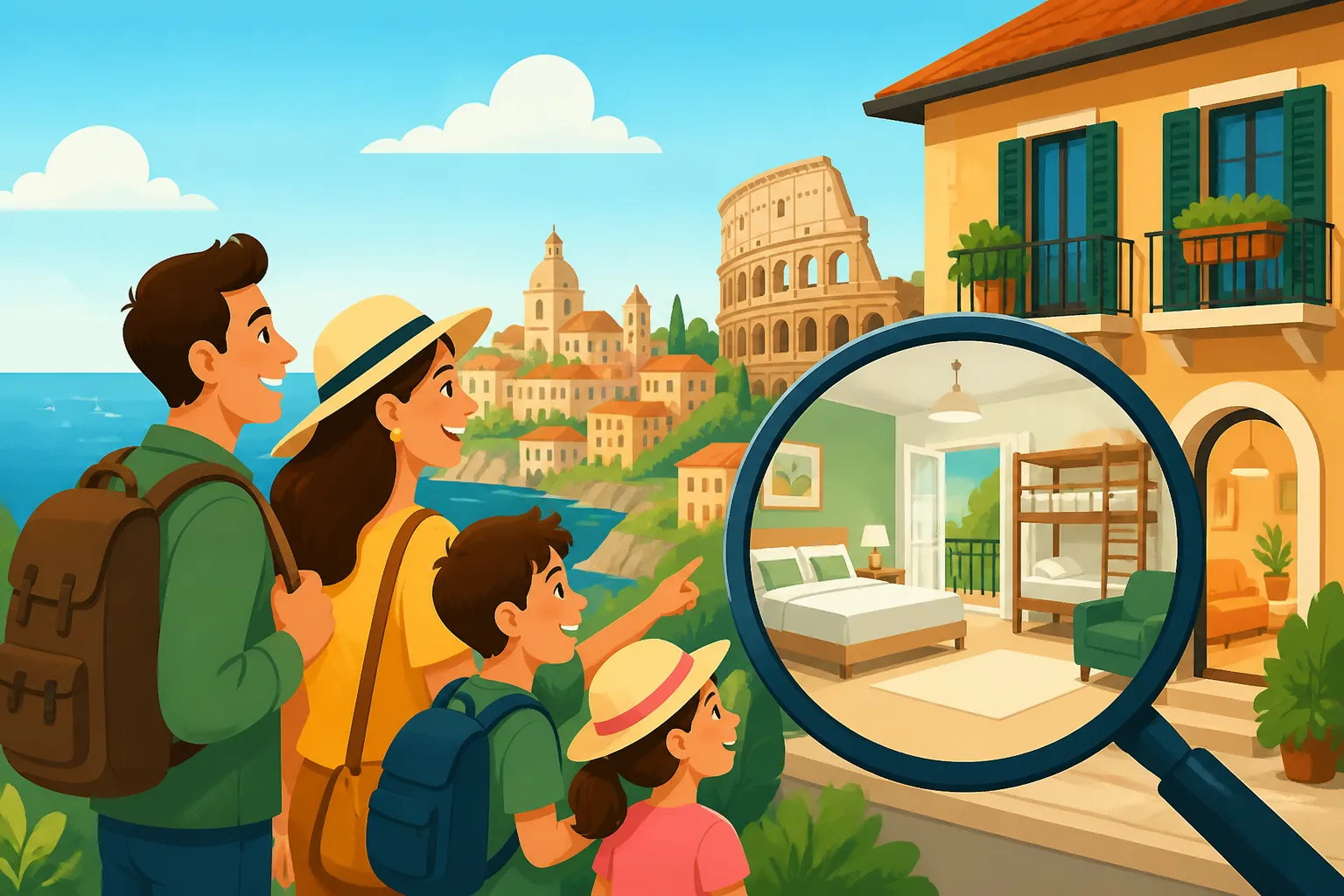
Let's be honest, for many families, the idea of a hotel is comforting. Daily cleaning, a concierge, maybe even a breakfast buffet – it's all about convenience. However, Italian hotel rooms, especially in older, central city locations, can be notoriously compact. What's marketed as a "triple" might just be a standard double with a tiny cot squeezed in, leaving very little floor space for lively children or all their gear. This is where you need to be really diligent in your research.
Aparthotels or hotel residences, on the other hand, are often a fantastic compromise. They combine the services of a hotel with the added space and facilities of an apartment. You'll typically find a kitchenette, separate sleeping areas, and sometimes even a small living space. This means you can prepare simple meals, store snacks, and have a bit more room for everyone to spread out after a day of sightseeing. Don't be shy about asking hotels directly about their actual room dimensions, or if they offer interconnecting rooms – sometimes two smaller rooms side-by-side can be more comfortable and surprisingly affordable than one large "family suite." Many major platforms, like Booking.com, now clearly list these options, but always double-check the details.
Vacation Rentals and Apartments: Your Home Away From Home
For many expat families and seasoned travelers, vacation rentals are the absolute hero of family accommodation in Italy. The allure is obvious: more space, a private kitchen, separate bedrooms, and a living area where you can actually relax without tripping over suitcases. This is where you truly get to live like a local, whether you're in a bustling city or a serene countryside village. You can grocery shop at the local mercato, cook up a storm, and enjoy leisurely breakfasts without worrying about restaurant bills or rushing the kids.
Platforms like Booking.com, Airbnb, and Vrbo offer a vast selection of apartments, from cozy one-bedrooms that can still somehow accommodate a family of four (don't ask me how, but they manage!) to sprawling villas perfect for larger groups. The key here is meticulous research. Read all the reviews, especially those left by other families. Pay close attention to photos of every room, particularly the kitchen and bathroom, and look for mentions of amenities like washing machines – a lifesaver with kids! Communicating clearly with the host before booking is crucial. Ask about bed configurations, child-friendly features, and accessibility. You might also find apartments offered directly by local agencies, which can sometimes provide a more personalized touch and deeper local knowledge.
Agriturismi and Farm Stays: Rural Charm for Families
If your family is craving a slice of authentic, tranquil Italy away from the city bustle, an agriturismo is an absolute must-consider. An agriturismo is essentially a working farm that also offers accommodation, often including meals prepared with produce grown right there on the property. These aren't just quaint B&Bs; they're immersive experiences.
Imagine your kids waking up to the sound of farm animals, running freely in vast open spaces, maybe even helping collect eggs or pick fruit. Many agriturismi have swimming pools, playgrounds, and offer cooking classes or guided tours of the farm. They are particularly fantastic for families with younger children who need space to burn off energy and might appreciate the novelty of farm life. You'll often find apartments or small cottages with kitchenettes on these properties, giving you the best of both worlds: self-catering flexibility and the charm of a rural Italian stay. While they might be a bit out of the way, often requiring a car, the trade-off is unparalleled relaxation and genuine Italian hospitality. For an immersive experience that caters to children's natural curiosity, an agriturismo is simply unbeatable.
Where to Look: Platforms and Local Secrets
Alright, so you’ve got a handle on the types of places. Now, where do you actually find them? The internet has made the world a smaller place, but navigating the sheer volume of options, especially when looking for family-specific needs in Italy, still takes a bit of savvy. You want reliable information, good value, and peace of mind.
Online Booking Platforms: The Go-To Starting Point
For most travelers, the journey to finding family accommodation begins on major online booking platforms. Sites like Booking.com are invaluable because they offer a vast inventory of hotels, aparthotels, and even many vacation apartments and agriturismi. The trick, however, is knowing how to effectively use their filters.
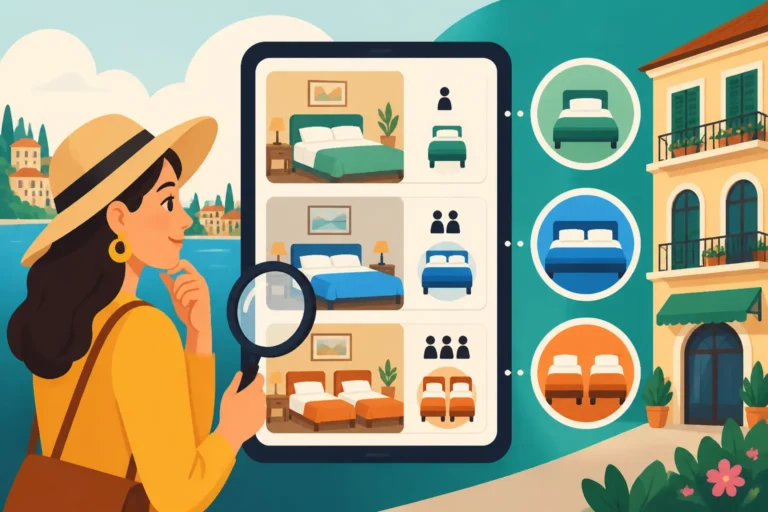
When you're searching, don't just put in your dates and destination. Immediately apply filters for the number of adults and children, and crucially, their ages. Look for options like "family rooms," "suites," or "apartments" in the accommodation type. Many platforms also allow you to filter for specific amenities such as "kitchenette," "washing machine," "pool," or even "children's playground." Remember that photos can be deceiving, so always read the "Room Details" section very carefully to understand the exact bed configuration. Is that sofa a pull-out? Is the bunk bed really suitable for your older child? Reading reviews from other families who have stayed there is paramount. They often share practical insights that photos and descriptions miss, like how far it really is to the nearest park or if the hot water runs out quickly after two showers. These platforms are a great starting point, but they require your keen eye for detail.
Specialized Family Travel Sites and Agencies
While the big players are good for breadth, sometimes you need a more curated approach. There are specialized travel websites and agencies dedicated solely to family holidays. These platforms often pre-screen properties for child-friendliness, ensuring they have appropriate amenities, safety features, and often even offer activities for kids. They might list places with dedicated kids' clubs, babysitting services, or those located in car-free zones perfect for little ones to roam.
While their inventory might be smaller than the giants, the quality and relevance of their listings are usually much higher, saving you hours of sifting through unsuitable options. For example, some sites focus on larger villas perfect for multi-generational travel, or properties with extensive outdoor spaces. Using a service like GetYourGuide, for instance, could then help you find kid-friendly tours or activities after you've secured your family-friendly accommodation, allowing you to build a cohesive, enjoyable itinerary. These specialized sites often come with a slightly higher price tag or a booking fee, but for the peace of mind and time saved, many families find it well worth the investment.
Connecting with Local Expertise and Expat Groups
Beyond the algorithms and booking engines, there's a treasure trove of information hiding in plain sight: local expat groups and community forums. Platforms like Facebook host countless groups for "Expats in Rome," "Florence Families," or "Americans in Italy." Joining these groups and posting your specific accommodation needs can yield incredible results.
You'll often find long-term residents, or even those who run small rental businesses, offering direct advice, recommending trusted landlords or local agencies, or even posting their own rental properties. This is where you might uncover unique apartments that aren't listed on major platforms, potentially saving you money by avoiding commission fees. Moreover, these communities can provide hyper-local insights into neighborhood safety, proximity to good schools or parks, and the realities of living in a specific area with children. Be specific about your needs – number of bedrooms, budget, desired location, and any non-negotiable amenities (like a lift, if you have a stroller). This approach offers a human touch, often leading to more authentic and suitable finds, though it requires a bit more active participation and patience.
Key Considerations for Family-Friendly Stays
Finding a place is one thing, but finding the right place for your family in Italy means drilling down into what truly makes a stay comfortable and stress-free. As a veteran expat parent, I can tell you it's often the little things that make the biggest difference when you're traveling with children. It's about more than just a roof over your head; it's about creating a temporary home base that supports your family's rhythm.
Location, Location, Location: Proximity to Essentials
This cannot be stressed enough when traveling with kids. A charming apartment in a quiet, residential area might sound lovely, but if it's a 30-minute walk with two tired toddlers to the nearest gelato shop or public transport, that charm quickly wears thin. Consider how close your accommodation is to essential amenities: a pharmacy, a grocery store for daily supplies (especially if you plan to self-cater), and a park or public square where kids can run free without you constantly worrying about traffic.
Proximity to public transportation is also key if you're exploring cities. Many Italian city centers have ZTLs (Limited Traffic Zones), which restrict car access and parking, so relying on buses, trams, or metros is often essential. Staying near a major transport hub can save you immense hassle. For inspiration on where to aim, check out guides like What Are the Best Cities in Italy for Traveling With Kids?. Also, knowing where to grab supplies is paramount, so consider Grocery Shopping in Italy: Supermarkets vs Markets for local tips. Think about your daily routine and how easily your chosen location integrates with it – an extra five minutes to the supermarket might not seem like much, but with a stroller and bags, it feels like a marathon.
Amenities and Features: What Truly Matters with Kids
Beyond the basics, certain amenities transform a good stay into a great one for families. Top of the list for many is a washing machine. After a day of exploring ancient ruins or splashing in a fountain, clothes quickly get dirty, and having the ability to do a quick load is a sanity saver. Reliable Wi-Fi is another unspoken essential – for entertainment, planning, and staying connected. If you have babies or toddlers, inquire about a crib/cot and high chair availability. Don't assume they'll be there; always ask!
Outdoor space, even a small balcony, can be a huge bonus, allowing kids a safe place to play or for parents to enjoy an aperitivo after bedtime. Look for child-safe environments: are there open staircases, accessible balconies, or delicate decorations at toddler height? While most Italian homes are built with sturdy, traditional materials, it never hurts to ask for specifics. For longer stays, having a full kitchen is a non-negotiable for many families, offering flexibility with meals and catering to picky eaters or dietary restrictions. Also, consider noise levels – an apartment above a bustling piazza might be atmospheric, but not ideal for light sleepers.
Budgeting and Value: Getting the Most for Your Euros
Let's face it, traveling with a family can be expensive, and accommodation often takes the biggest bite out of the budget. Italian prices vary wildly depending on the region, city, and season. High season (summer, major holidays like Easter and Christmas) will always be pricier. Consider traveling during the shoulder seasons (spring or fall) when the weather is still lovely, crowds are thinner, and prices are generally more reasonable. For more on this, check out What's the Best Time of Year for a City Break in Italy?.
Vacation rentals with kitchens generally offer the best value for families, as they significantly cut down on restaurant costs. Cooking some of your meals can save a substantial amount over a week or two. When comparing options, always look at the total cost, including any cleaning fees, tourist taxes (tassa di soggiorno), and security deposits. Sometimes a seemingly cheaper nightly rate can skyrocket with added fees. Don't forget to factor in transportation costs to and from your accommodation – a cheaper place far out might end up costing more in transit time and tickets. While it's tempting to find the absolute lowest price, balancing cost with convenience and family-friendly amenities usually offers the best overall value for a truly enjoyable trip. For a broader perspective on costs, you might find Cost of Living in Italy 2026: Budgeting for Expats helpful.
Navigating the Booking Process and Avoiding Pitfalls
You’ve found a few promising options, your family is excited, and you’re ready to hit "book." But hold your horses for just a moment! The booking process itself, especially for apartments or smaller independent accommodations, can have its own set of unique Italian quirks and potential pitfalls. As an expat who’s signed more than a few contracts here, I can tell you that a little extra caution and clear communication upfront can save you a world of trouble later.
Reading the Fine Print: Deposits, Cancellations, and Hidden Fees
This is perhaps the most crucial step. Before you commit to anything, take the time to thoroughly read the entire listing and, if provided, the terms and conditions or a sample rental agreement. In Italy, it's common for a caparra (security deposit) to be required, which is separate from your payment and held against damages. Understand exactly when and how this will be returned.
Also, be aware of tourist taxes (tassa di soggiorno), which are almost never included in the quoted price on booking platforms. These are typically paid in cash directly to the host or hotel upon arrival and vary by city and duration of stay. Cancellation policies can range from highly flexible to extremely strict, so make sure you understand the implications if your plans change. Pay attention to check-in/check-out times and any potential fees for late arrivals or departures. Sometimes, what looks like a great deal can be laden with small, cumulative charges that add up. Being informed and clarifying these points beforehand will prevent any unpleasant surprises during your trip. If you're looking at more formal rentals, understanding Italian Rental Contracts 101: 4+4, 3+2, and Transitorio might give you an idea of the legalese involved, even if it's for longer terms.
Communicating Your Needs: Asking the Right Questions
When you’re dealing with private hosts or smaller establishments, communication is key. Don't be afraid to ask specific, detailed questions before you book. If you need a crib, confirm it's available, if there's an extra charge, and what type it is. If you're traveling with a stroller, ask about stairs or elevator access, especially in charming but often vertical Italian buildings. Inquire about heating/air conditioning (it's not always standard in older properties, particularly in the south for AC), hot water capacity, and noise levels.
It’s often best to phrase your questions clearly and politely, perhaps even using a little Italian courtesy if you can manage it (even "grazie mille!" goes a long way). Many hosts are incredibly helpful and want to ensure a good stay, but they can't address concerns they don't know about. If English isn't their strong suit, try a simple online translator, but keep your questions concise. This proactive approach ensures that your expectations align with what the accommodation truly offers, avoiding disappointment upon arrival. For tips on basic communication, have a look at Italian Language and Everyday Communication for Visitors.
Safety and Security for Your Family
Finally, safety should always be a top priority when traveling with your loved ones. Before booking, do a quick online search of the neighborhood. While Italy is generally safe, like any country, certain areas might be more bustling or less comfortable than others, especially at night. Look for well-lit streets, active areas, and proximity to main roads if you'll be out late.
When you arrive, familiarize yourself with the locks, fire exits (if applicable), and how to contact the host or emergency services. Teach older children the emergency numbers (112 for general emergencies). Check if windows and balconies have secure locks, especially if you have curious little ones. Reputable booking platforms and hosts usually prioritize guest safety, but your own vigilance is your best friend. Read reviews specifically for mentions of safety or security concerns. For broader travel safety advice, consult Staying Safe in Italy: Common-Sense Tips for Travelers. By taking these precautions, you can ensure that your family's Italian home base is not only comfortable and convenient but also a secure haven throughout your adventure.
| Accommodation Type | Pros for Families | Cons for Families | Ideal for |
|---|---|---|---|
| Hotels/Aparthotels | Daily cleaning, amenities (pool, gym), often central, room service, interconnecting rooms | Can be cramped, expensive for multiple rooms, less authentic, limited kitchen facilities | Short stays, city breaks, desire for services, minimal self-catering |
| Vacation Apartments | More space, full kitchen for self-catering, local feel, privacy, laundry facilities | Less service, potential for scams, can require more planning, varying quality | Longer stays, budget-conscious, desire for home comfort, picky eaters, multi-generational travel |
| Agriturismi | Rural charm, open spaces, animals, fresh food, often pools, authentic experience, relaxed vibe | Can be remote (car often needed), limited nightlife, not ideal for city explorers | Relaxation, nature lovers, families with young children, foodies, authentic experiences |
Disclaimer
The information provided in this guide is intended for general informational purposes only and does not constitute professional advice. While we strive to provide accurate and up-to-date information, rules and regulations in Italy can change frequently. It is always recommended to verify specific details with official sources, relevant authorities, or professional consultants before making any decisions related to accommodation, travel, or immigration.