The Aeolian and Other Small Italian Islands
Navigating Italy's vast and captivating landscape can be a dream, but for many, the sheer number of breathtaking islands beyond Sicily and Sardinia can feel a bit overwhelming, leaving you wondering where to even begin. This guide is here to cut through the confusion, offering a deep dive into Italy's smaller, yet utterly enchanting islands – from the volcanic drama of the Aeolians to the colorful charm of Procida, ensuring you uncover the perfect escape for your Italian adventure.
Disclosure: This post may contain affiliate links. We may earn a commission at no extra cost to you if you make a purchase through these links. Read full disclosure.
Unveiling the Aeolian Islands: Italy's Volcanic Jewels
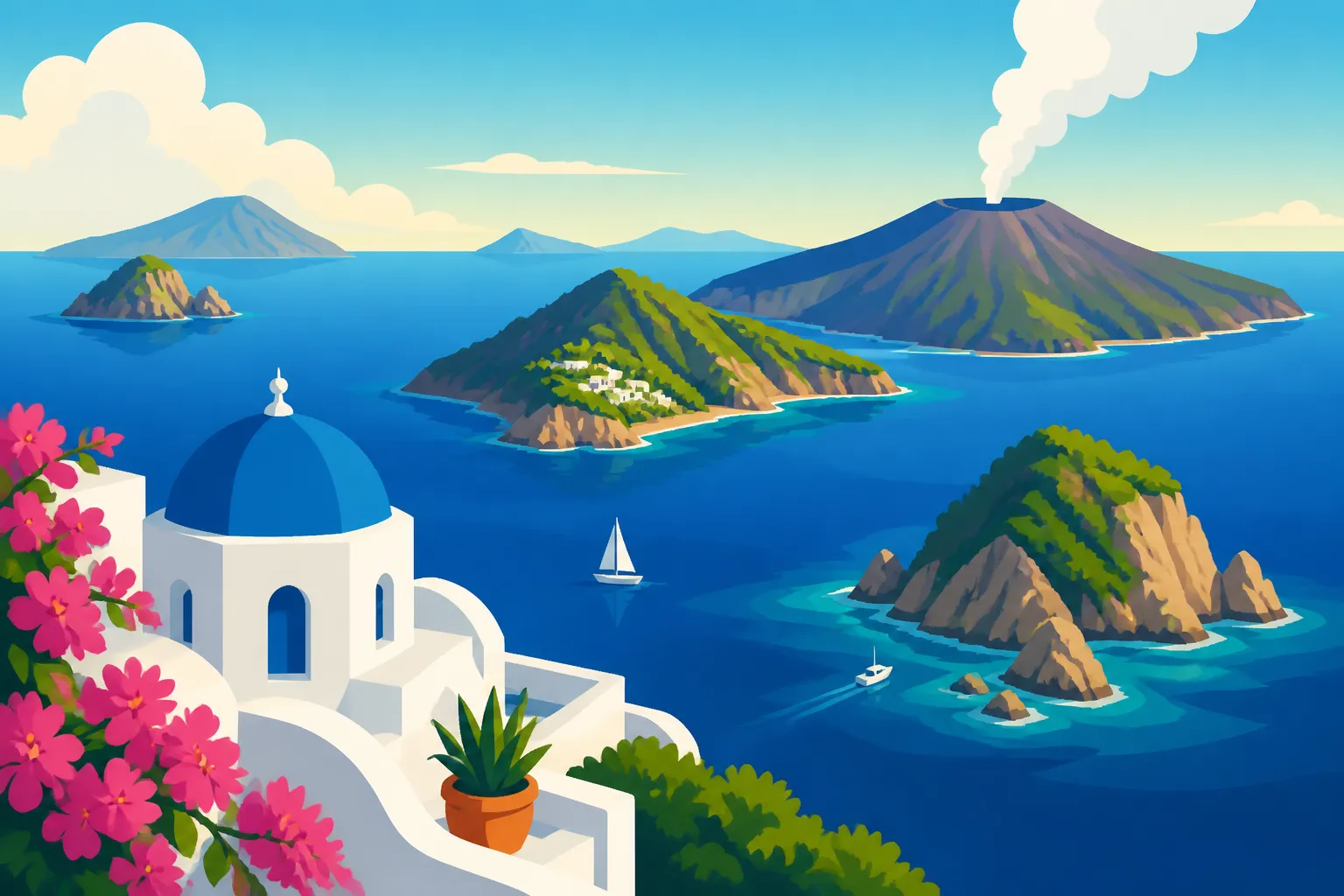
Ah, the Aeolian Islands! If you've never heard of them, prepare to be captivated. This UNESCO World Heritage site, just north of Sicily, is a chain of seven magnificent islands, each born from volcanic activity and boasting its own distinct personality. Forget the hustle and bustle of mainland cities; here, life moves at a different pace, dictated by the sea and the simmering earth beneath. These islands are not just pretty faces; they are a geological marvel, offering everything from black sand beaches to active volcanoes.
Lipari: The Heartbeat of the Aeolians
Lipari is the largest and most populated of the Aeolian Islands, often considered its vibrant hub. When you arrive, you'll immediately notice the bustling port of Marina Lunga and the picturesque Marina Corta, both brimming with life. Unlike some of its more rugged siblings, Lipari offers a wonderful balance of natural beauty, historical intrigue, and modern amenities. The town itself is a charming labyrinth of narrow streets, pastel-colored houses, and lively piazzas where locals and tourists mingle over espresso or a glass of Malvasia wine.
The island's main town is crowned by a dramatic castle complex, the Castello di Lipari, which houses an archaeological museum showcasing artifacts spanning thousands of years, from Neolithic tools to Greek and Roman pottery. Exploring the castle grounds feels like walking through an open-air history book, with stunning views of the sea and neighboring islands as your backdrop. Beyond the town, Lipari boasts beautiful beaches like Canneto and Porticello, famous for their white pumice quarries that create an almost Caribbean-like turquoise water effect. While the quarries are no longer active, their legacy adds a unique touch to the landscape. You can easily spend days here, exploring ancient ruins, relaxing on sun-drenched shores, or simply enjoying the relaxed pace of island life.
Stromboli and Vulcano: Living with Active Volcanoes
For those who crave a bit of drama, Stromboli and Vulcano offer an unparalleled experience: the chance to live alongside active volcanoes. Stromboli is perhaps the most iconic, famous for its nearly continuous, small-scale eruptions visible after dusk. Imagine hiking up its slopes (with a guide, of course, for safety and regulations) and watching molten lava spill into the "Sciara del Fuoco" (Stream of Fire) against the inky blackness of the night sky. It's an absolutely mesmerizing and unforgettable spectacle, a raw display of nature's power. The island village itself is charmingly simple, with whitewashed houses and a few restaurants, all living under the watchful eye of Iddu, "Him" – as the locals affectionately call the volcano.
Vulcano, on the other hand, offers a different kind of volcanic experience. Upon arrival, you might catch the distinct scent of sulfur, a reminder of the island's fiery heart. Here, you can hike to the Gran Cratere, the main crater, for panoramic views of the entire Aeolian archipelago. The real draw for many, however, are the natural thermal mud baths (fanghi) and warm sulfuric waters. Slathering yourself in the therapeutic mud, then rinsing off in the sea or a natural hot spring, is an ancient ritual believed to have rejuvenating properties. While the mud baths sometimes close for environmental or safety reasons, the overall experience of Vulcano is deeply rooted in its geological marvels, making it a unique stop for wellness and adventure seekers alike.
Salina, Panarea, Filicudi, and Alicudi: Diverse Charms
Each of the other Aeolian islands contributes its own distinct flavor to the archipelago. Salina, known as the "Green Island," is the most fertile, famous for its capers and sweet Malvasia wine. It's a tranquil haven, boasting lush vegetation, rolling hills, and two prominent volcanic peaks. The small fishing village of Pollara, nestled in a semi-submerged crater, offers breathtaking sunsets, especially famous for being featured in the film "Il Postino." Salina is perfect for those seeking a peaceful retreat amidst nature, with opportunities for hiking and enjoying superb local gastronomy.
Panarea, by contrast, is the smallest and arguably the most glamorous of the Aeolians. During the summer months, it transforms into a chic hotspot, attracting yachts, celebrities, and a vibrant nightlife scene. Despite its fashionable reputation, Panarea retains a pristine charm, with picturesque white houses, bougainvillea-draped alleys, and stunning coves accessible by boat. It's a place for relaxing in style, exploring hidden beaches, and enjoying an aperitivo at sunset.
Further west, Filicudi and Alicudi offer an even more remote and untouched experience. Filicudi is characterized by its dramatic coastline, sea caves like the Grotta del Bue Marino (Cave of the Sea Ox), and the ancient rock formation of La Canna. It's a haven for divers and hikers, with well-preserved traces of prehistoric settlements. Alicudi, the most western and least developed, is a step back in time. There are no roads, just mule tracks, and donkeys are the primary mode of transport. Life here is incredibly simple, peaceful, and wonderfully slow-paced, appealing to those who truly want to disconnect from the modern world and embrace untouched nature.
Sicily's Satellite Wonders: Egadi, Pelagie, and Ustica
Sicily, as magnificent as it is, acts as a gateway to several other incredible island groups, each offering a distinct slice of Mediterranean paradise. These islands often get overshadowed by the main island, but they hold treasures that are well worth the detour. They are typically less crowded than the more famous destinations, offering a chance to experience authentic Sicilian island life.
The Egadi Islands: Favignana, Levanzo, and Marettimo
Just off the western coast of Sicily, near Trapani, lie the Egadi Islands: Favignana, Levanzo, and Marettimo. Each possesses a unique allure. Favignana, shaped like a butterfly, is the largest and most developed, famous for its stunning turquoise coves like Cala Rossa and Cala Azzurra, perfect for swimming, snorkeling, and sunbathing. Historically, it was a major tuna fishing center, and you can still visit the old Tonnara di Favignana, a former tuna processing plant that now serves as a museum. Renting a bicycle is the most popular way to explore the island's flat terrain and discover its many hidden beaches and grottos.
Levanzo, the smallest of the Egadi, offers a tranquil escape. Its only inhabited village is a charming cluster of white houses around a small harbor. Life here is beautifully slow, centered around fishing and enjoying the clear waters. The main draw is the Grotta del Genovese, a prehistoric cave adorned with incredible Paleolithic and Neolithic drawings, accessible by boat or a guided trek. Marettimo, the most remote and mountainous of the three, is a paradise for hikers and nature lovers. Its rugged coastline is dotted with numerous sea caves, many of which can only be explored by boat. The interior boasts challenging hiking trails leading to ancient Roman houses and offering spectacular views. Marettimo's protected marine reserve is also a diver's dream, teeming with vibrant underwater life. All three are easily reachable by ferry or hydrofoil from Trapani, making them a fantastic addition to any trip exploring Sicily for Travelers: Cities, Coast, and Volcanoes.
The Pelagie Islands: Lampedusa and Linosa
Venturing further south, almost halfway to Africa, you'll find the Pelagie Islands: Lampedusa and Linosa. These islands are truly remote, offering a wilder, more untamed beauty. Lampedusa, the largest, is famous for its crystal-clear waters and stunning beaches, particularly Spiaggia dei Conigli (Rabbit Beach), often cited as one of the most beautiful beaches in the world. It's a protected nesting site for loggerhead sea turtles, and the calm, shallow waters make it ideal for swimming and snorkeling. The island's position has also made it a significant point of entry for migrants, a complex reality that adds a layer of poignant cultural significance to its undeniable natural beauty.
Linosa, Lampedusa's smaller neighbor, is a truly unspoiled volcanic gem. With its distinctive black and red volcanic rock and lush green interior, it feels wonderfully untouched. There are fewer tourists here, and the atmosphere is incredibly relaxed. The island is part of a marine protected area, making it another fantastic spot for diving and observing marine life. Linosa also hosts a smaller loggerhead turtle nesting site. Getting to the Pelagie Islands usually involves a flight from Palermo or Catania to Lampedusa, followed by a ferry to Linosa, emphasizing their secluded charm.
Ustica: Black Pearl of the Tyrrhenian
Just off the coast of Palermo, Ustica stands out as a "Black Pearl" in the Tyrrhenian Sea, a small, dark volcanic island. Its dramatic cliffs, sea caves, and a charming main village with vibrant murals make it incredibly picturesque. However, Ustica's true treasure lies beneath the waves. It was Italy's first marine protected area (Riserva Marina Protetta Isola di Ustica), established in 1986, and as such, it's a world-renowned destination for diving and snorkeling. The rich volcanic seabed supports an incredible diversity of marine life, from schools of barracuda and amberjack to colorful corals and ancient shipwrecks.
The clear waters offer fantastic visibility, making every dive an unforgettable experience, whether you're a seasoned pro or a beginner taking your first plunge. Even without diving, you can explore the coastline by boat, visiting famous grottoes like the Grotta Azzurra (Blue Grotto) and Grotta Verde (Green Grotto), where the light plays magical tricks on the water. The island's small town, with its charming piazzas and local restaurants serving fresh seafood, provides a welcoming base. Ferries and hydrofoils connect Ustica directly to Palermo, making it an accessible yet wonderfully distinct island escape.
Gems of the Bay of Naples: Ischia, Procida, and Capri
The Bay of Naples isn't just about Pompeii and Vesuvius; it's also home to a trio of islands that have captivated travelers for centuries. Each offers a completely different experience, ranging from thermal luxury to rugged, authentic charm. These islands are easily accessible from Naples or Sorrento, making them popular choices for day trips or longer stays when exploring the Campania region.
Ischia: Thermal Paradise
Ischia, the largest island in the Bay of Naples, is often referred to as the "Green Island" due to its lush vegetation and fertile volcanic soil. But its true superpower lies beneath the surface: a wealth of natural thermal springs. For centuries, people have flocked to Ischia to bathe in its healing waters, which are believed to alleviate various ailments. The island is dotted with magnificent thermal parks, such as Giardini Poseidon Terme and Negombo, where you can spend an entire day hopping between pools of varying temperatures, therapeutic mud baths, and private coves. These aren't just spas; they're beautifully landscaped gardens designed for ultimate relaxation and rejuvenation.
Beyond its thermal wonders, Ischia boasts a rich history and stunning landscapes. The Aragonese Castle, perched majestically on a volcanic rock and connected to the main island by a causeway, is an unmissable sight. Exploring its ancient walls, churches, and prisons offers a fascinating glimpse into the past, along with panoramic views of the entire bay. The island also offers charming towns like Sant'Angelo, a car-free fishing village, and Ischia Ponte, with its lively streets. You can hike up Mount Epomeo, the island's highest point, for incredible vistas, or simply relax on one of the many beautiful beaches. It’s a wonderful option for those looking for a blend of wellness, history, and natural beauty.
Procida: Colorful Charms and Authentic Life
If you’re looking for a quieter, more authentic Italian island experience, then Procida is your answer. In 2022, it proudly held the title of Italian Capital of Culture, and it's easy to see why. This small, intensely colorful island is a living postcard, with houses painted in vibrant hues of pink, yellow, blue, and green, seemingly stacked one on top of the other along the harbor of Marina Corricella. Unlike its more glamorous neighbors, Procida has largely maintained its traditional fishing village charm, resisting mass tourism.
Wandering through its narrow alleys, you'll encounter local fishermen mending nets, children playing in the piazzas, and the scent of fresh seafood wafting from tiny trattorias. There are no grand sights or luxury boutiques here; instead, Procida offers an immersive experience into genuine island life. Explore the fortified medieval village of Terra Murata, with its impressive Palazzo d'Avalos, a former prison, and enjoy breathtaking views from its highest point. Visit the serene abbey of San Michele Arcangelo, or simply find a quiet spot to watch the boats bobbing in the harbor. Procida is a place to slow down, soak in the atmosphere, and appreciate the simple, vibrant beauty of Italian coastal living. It provides a wonderful contrast to the more bustling experiences you might find on the Amalfi Coast and Cinque Terre.
Capri: Iconic Beauty, Glamour, and Grottoes
No discussion of the Bay of Naples islands is complete without mentioning Capri, an island synonymous with iconic beauty, glamour, and natural wonders. This legendary island has attracted emperors, artists, and jet-setters for centuries, and its allure remains undiminished. From the moment you arrive, you're enveloped in an atmosphere of sophisticated elegance and breathtaking scenery. The famous Piazzetta in the town of Capri is the social hub, bustling with people enjoying a coffee or aperitivo. Above, Anacapri offers a slightly more relaxed pace and stunning views, especially from Monte Solaro, accessible by chairlift.
Capri's natural highlights are truly spectacular. The Blue Grotto (Grotta Azzurra), a sea cave where sunlight passes through an underwater cavity, illuminating the water with an ethereal blue glow, is a must-see, although it can get very crowded. The Faraglioni rock formations, towering dramatically out of the sea, are another iconic symbol of the island. Exploring the coastline by boat is highly recommended, allowing you to discover hidden coves and marvel at the island's rugged beauty from a different perspective. While Capri can be expensive and crowded, especially during peak season, its undeniable charm, stunning vistas, and the sheer joy of wandering its flower-filled lanes make it an unforgettable destination.
Lazio, Tuscany, and Sardinia's Lesser-Known Islands
Beyond the famous archipelagos of Sicily and Naples, Italy harbors several other captivating islands, often overlooked but equally rich in history, natural beauty, and unique local cultures. These offer a chance to explore parts of Italy that feel genuinely off the beaten path, providing serene escapes or historical adventures.
The Pontine Islands (Lazio): Ponza and Palmarola
Just off the coast of Lazio, the Pontine Islands offer a dazzling escape from the Eternal City's crowds. Ponza, the largest and most developed, is a crescent-shaped island famous for its picturesque harbor, colorful houses carved into the cliffs, and a vibrant nightlife scene in the summer. Its rugged coastline is punctuated by stunning grottoes and natural arches, best explored by boat. Cala Feola with its natural swimming pools, and Chiaia di Luna beach (though access can be restricted due to cliff erosion) are particularly popular. Ponza is a paradise for sailing, snorkeling, and diving, with crystal-clear waters revealing ancient Roman ruins and diverse marine life.
Palmarola, a mere ferry ride away from Ponza, is often considered one of the most beautiful islands in the world. It’s largely uninhabited, save for a few seasonal restaurants, and its natural, wild beauty is truly breathtaking. Dramatic cliffs, sea caves, and a vibrant blue-green sea make it perfect for a day trip focused on swimming, sunbathing, and simply marveling at the untouched landscape. If you're looking for an unspoiled natural sanctuary, Palmarola fits the bill perfectly.
Giglio and Elba (Tuscany): History and Nature
Tuscany, primarily known for its rolling hills and art cities, also boasts an often-forgotten archipelago. Isola del Giglio, a small but enchanting island, lies off the Tuscan coast. It's famous for Giglio Castello, a beautifully preserved medieval walled village perched high on a hill, offering stunning views and a fascinating glimpse into the past. The island also has charming beaches like Cala delle Cannelle and Campese, where you can relax or try some local seafood. The waters around Giglio are incredibly clear, making it another excellent spot for snorkeling and diving.
Elba, the largest island of the Tuscan Archipelago and Italy's third-largest island overall, is much more diverse. It’s perhaps most famous as the place of Napoleon Bonaparte's first exile, and his residences – Villa San Martino and Palazzina dei Mulini – are popular historical sites. Beyond history, Elba boasts an incredible variety of landscapes, from pristine white pebble beaches like Sansone and Cavoli to rugged mountains ideal for hiking and mountain biking. The island is also rich in minerals, with old iron mines open for visits. With numerous charming towns, excellent wine, and abundant nature, Elba offers something for every type of traveler. You can easily reach both Giglio and Elba by ferry from Porto Santo Stefano or Piombino respectively.
San Pietro and Sant'Antioco (Sardinia): Unique Cultures
While Sardinia for Travelers: Beaches and the Interior is an island marvel in itself, its two smaller southwestern satellites, San Pietro and Sant'Antioco, offer distinctly different cultural experiences. San Pietro, a small island, is home to Carloforte, a unique town founded by Ligurian coral fishermen who had lived for centuries on the Tunisian island of Tabarka. This "Tabarchino" culture is evident in the local dialect, cuisine, and traditions, which are a fascinating blend of Ligurian and North African influences. Carloforte is also renowned for its annual tuna festival, the Girotonno, celebrating the ancient tradition of tuna fishing. The island boasts beautiful coves, like Cala Fico and La Caletta, perfect for swimming in clear, uncrowded waters.
Sant'Antioco, connected to mainland Sardinia by an artificial causeway, is much larger and steeped in ancient history. It was once a major Phoenician and later Roman settlement, and you can explore impressive archaeological sites, including a Punic Tophet (a sacred burial ground for children) and ancient catacombs. The main town of Sant'Antioco has a charming harbor and a lively promenade. The island also offers rugged coastline, beautiful beaches, and a more rustic, wild feel compared to some of Italy’s more manicured islands. Both islands provide a wonderful insight into Sardinia’s diverse heritage and are perfect for those seeking historical depth alongside natural beauty.
Planning Your Island Escape: Logistics and Tips
Embarking on an island adventure in Italy requires a bit of savvy planning, especially if you’re venturing beyond the more established tourist routes. From understanding ferry schedules to knowing when to visit, a little preparation goes a long way to ensure your trip is as smooth and enjoyable as possible.
Getting There: Ferries, Hydrofoils, and Connections
The primary way to reach most of Italy's smaller islands is by sea. You'll typically find two main types of boats: ferries (traghetti) and hydrofoils (aliscafi). Ferries are slower, often larger, and can usually transport cars, which is useful if you plan to explore an island extensively (though check island restrictions on cars). Hydrofoils are much faster, passenger-only vessels, cutting down travel time significantly. Your departure port will depend on the island group you're targeting. For the Aeolians, you'll depart from Milazzo, Messina, or Naples. For the Egadi, it's Trapani or Marsala. The Bay of Naples islands (Capri, Ischia, Procida) are served by ferries and hydrofoils from Naples and Sorrento.
Booking in advance, especially during peak season (July and August), is highly recommended, particularly if you're traveling with a car. Websites like Omio allow you to compare prices and schedules for various ferry and hydrofoil companies, making it easy to plan your journey. Alternatively, you can book directly through major operators like Liberty Lines (for hydrofoils) or Siremar and SNAV (for ferries and some hydrofoils). Always check the latest schedules close to your travel date, as times can change due to weather conditions or seasonal adjustments. For more general advice on navigating the country, see Getting Around Italy: Trains, Buses, Flights, and Car Hire.
Best Time to Visit and Avoiding Crowds
Choosing the right time to visit these islands can dramatically impact your experience. The peak season runs from mid-June through August, when the weather is hottest, and the islands are bustling with both Italian and international tourists. While the atmosphere is lively, beaches can be crowded, prices are higher, and accommodation fills up quickly. If you thrive on energy and don't mind the crowds, this can be a fantastic time.
However, for a more relaxed and often more authentic experience, consider the shoulder seasons: May, early June, and September. The weather is still beautiful and warm, perfect for swimming and exploring, but the crowds are significantly thinner, and prices for ferries and Booking.com accommodations are generally lower. October can also be lovely, especially in the south, with pleasant temperatures, though some services might start winding down. If you're planning around specific Festivals, Holidays, and Traditions in Italy, be aware that these can also draw larger crowds, even in the shoulder seasons. Avoiding the peak summer months allows you to truly appreciate the tranquility and natural beauty of these islands without feeling rushed or overwhelmed.
Accommodation and Local Transport
Accommodation on Italy's small islands ranges from charming family-run B&Bs and apartments to boutique hotels. You won't find many large, impersonal resorts, which contributes to their authentic feel. Booking in advance is crucial, especially for the smaller islands or during popular times. Platforms like Booking.com are invaluable for finding a wide range of options to suit various budgets. Staying in an apartment or a smaller guest house often provides a more immersive experience, allowing you to interact with local hosts and get insider tips. For more information on finding a place to stay, check out Accommodation in Italy: Hotels, B&Bs, and Agriturismi.
Once on the island, local transport usually consists of small public buses that connect the main towns and beaches. On islands like Favignana or Procida, renting a scooter or an e-bike is a popular and fun way to get around and discover hidden corners at your own pace. On car-free islands like Alicudi or Levanzo, walking is the primary mode of transport, contributing to their tranquil charm. Many islands also offer boat excursions that circumnavigate the coast, allowing you to access secluded coves and sea caves that are otherwise unreachable. Consider using a service like GetYourGuide for easily booking such local tours and activities.
What to Expect: Practicalities and Cultural Nuances
Venturing to Italy's small islands isn't just about changing scenery; it's about embracing a different pace of life and a unique set of cultural nuances. Knowing what to expect regarding daily life, food, and local interactions will enrich your journey immensely.
Food, Drink, and Local Specialties
Prepare your taste buds for an absolute feast! Island cuisine in Italy is, unsurprisingly, dominated by incredibly fresh seafood. Expect daily catches like swordfish, tuna, anchovies, and shellfish prepared simply but exquisitely – grilled, baked with local herbs, or tossed with pasta. Each island often has its own specialties. In the Aeolians, look for pasta dishes with capers and olives (especially from Salina), or fresh fish all'eoliana. On San Pietro, you'll find strong Ligurian influences, with unique tuna preparations. On Ustica, black lentil soup is a must-try.
Beyond seafood, don't forget the incredible produce grown in the fertile volcanic soil. Juicy tomatoes, fragrant herbs, and sweet fruit are staples. And, of course, there's wine! Many islands, particularly Salina, produce their own local wines, most notably Malvasia delle Lipari, a fragrant sweet wine perfect with dessert. And as anywhere in Italy, the aperitivo ritual is a beloved part of the day, offering a chance to unwind with a drink and small bites before dinner. For a deeper dive into Italy's gastronomic delights, explore Italian Food Culture: Eating Well as a Visitor and Italian Wine, Coffee, and Aperitivo Culture.
Language, Etiquette, and Connecting with Locals
While English is spoken in more tourist-centric areas, particularly on islands like Capri, venturing to the smaller, less-frequented islands means that a few basic Italian phrases will go a very long way. Locals genuinely appreciate the effort. Even a simple "Buongiorno" (Good morning), "Grazie" (Thank you), or "Per favore" (Please) can open doors and create warmer interactions. Italians, especially islanders, are generally friendly and welcoming, but a little politeness and respect for local customs are key. See Italian Language and Everyday Communication for Visitors for useful phrases.
Island life often moves at a slower pace, and punctuality might be a bit more fluid than you're used to. Embrace the "dolce vita" rhythm! When visiting churches or religious sites, remember to dress respectfully (shoulders and knees covered). Also, be mindful of noise, especially in residential areas, and always ask before taking photos of people. Engaging in conversation, even with hand gestures, can lead to delightful connections and authentic experiences. These cultural nuances are essential for Italian Customs, Etiquette, and Social Life. Always be aware of your surroundings and take precautions to ensure Staying Safe in Italy: Common-Sense Tips for Travelers.
Budgeting and Unexpected Costs
Budgeting for an Italian island trip can vary significantly depending on the island and the season. Glamorous Panarea or Capri will naturally be more expensive than a quieter island like Alicudi or Levanzo. Accommodation, especially during peak season, will be your biggest expense. Food costs can be managed by eating at local trattorias (which are usually more affordable than tourist traps) and enjoying local markets.
Unexpected costs can include tourist taxes (tassa di soggiorno), which are small fees per person per night, typically paid directly to your accommodation. Boat trips to grottoes or secluded beaches can also add up, though they are often well worth it for the experience. Some islands might have restrictions or fees for private cars. Always carry some cash, as smaller establishments, especially on more remote islands, might not always accept card payments. While some luxury destinations might seem daunting, it is entirely possible to enjoy Italy's smaller islands on a reasonable budget by choosing your island and timing wisely.
Island Comparison Table: A Quick Glance
| Island Group | Island | Main Appeal | Key Activities | Typical Budget Level | Accessibility (from mainland) |
|---|---|---|---|---|---|
| Aeolian | Lipari | Hub of activity, history, diverse beaches | Explore castle, Canneto beach, archaeological museum | Medium-High | Ferry/Hydrofoil (Milazzo, Naples) |
| Stromboli | Active volcano, dramatic eruptions | Guided volcano hike, night boat tours | High | Ferry/Hydrofoil (Milazzo, Naples) | |
| Salina | Green oasis, Malvasia wine, tranquility | Hiking, wine tasting, Pollara sunsets | Medium | Ferry/Hydrofoil (Milazzo, Naples) | |
| Egadi | Favignana | Stunning coves, cycling, tuna history | Bicycle tours, Cala Rossa, Tonnara museum | Medium | Ferry/Hydrofoil (Trapani) |
| Marettimo | Rugged nature, hiking, marine caves | Hiking trails, boat tours to grottoes, diving | Medium | Ferry/Hydrofoil (Trapani) | |
| Bay of Naples | Ischia | Thermal parks, lush gardens, Aragonese Castle | Spa treatments, castle visit, Sant'Angelo | Medium-High | Ferry/Hydrofoil (Naples, Sorrento) |
| Procida | Colorful charm, authentic fishing village | Wander Corricella, Terra Murata, local food | Medium | Ferry/Hydrofoil (Naples, Sorrento) | |
| Capri | Glamour, iconic views, Blue Grotto | Blue Grotto, Faraglioni, Piazzetta, shopping | High | Ferry/Hydrofoil (Naples, Sorrento) | |
| Tuscan | Elba | Napoleonic history, varied beaches, hiking | Napoleonic residences, Sansone beach, mountain biking | Medium-High | Ferry (Piombino) |
Disclaimer
The information provided in this guide is intended for general informational purposes only and may not always be completely up-to-date due to frequent changes in local regulations, schedules, or prices. We recommend verifying all critical information, such as ferry times, opening hours, and entry requirements, with official sources prior to your trip. We do not assume any liability for any errors or omissions.