What Is a ZTL in Italy and How to Avoid Fines
Oh, the infamous ZTL! If you've spent any time driving or even just contemplating driving in Italy, chances are you've heard whispers, or perhaps outright wails, about the Zona a Traffico Limitato. It's one of those uniquely Italian bureaucratic hurdles that can catch even the most seasoned expat or well-prepared tourist completely off guard, often resulting in hefty fines appearing in your mailbox months after you've returned home, leaving you scratching your head, muttering "What was that?" This guide is here to shed some much-needed light on what ZTLs are, why they exist, and most importantly, how to avoid those frustrating fines.
What Exactly is a ZTL?
Let's start with the basics. ZTL stands for Zona a Traffico Limitato, which translates to "Limited Traffic Zone." Imagine the historic heart of Florence, Rome, or Verona – beautiful, ancient streets, often narrow, sometimes pedestrianized, bursting with history and charm. Now imagine thousands of cars trying to navigate them daily. It would be utter chaos, not to mention a disaster for air quality and the preservation of these precious areas. That's where ZTLs come in. They are designated areas, usually within city centers, where vehicle access is restricted at certain times, or sometimes, entirely.
Disclosure: This post may contain affiliate links. We may earn a commission at no extra cost to you if you make a purchase through these links. Read full disclosure.
The Concept and Purpose Behind ZTLs
The core idea behind ZTLs is a noble one: to protect Italy's historic city centers, reduce pollution, and enhance the quality of life for residents and visitors by making these areas more pedestrian-friendly. Cities like Milan, Bologna, and even smaller, incredibly picturesque towns have implemented these zones to control the flow of traffic, particularly private vehicles. Without ZTLs, these areas would be gridlocked, noisy, and frankly, far less enjoyable. Think of it as a protective bubble around the most valuable and vulnerable parts of a city.
For those of us living here, or even just visiting, it means we need to be acutely aware of where these zones are and how they operate. It's not just about avoiding a ticket; it's about respecting the urban fabric and the environment of these beautiful places. While it can feel like a labyrinth of rules, understanding the why can help soften the blow of the how. Many a time, I've seen tourists drive straight past a sign, oblivious, only to learn their mistake much, much later.
How to Identify a ZTL
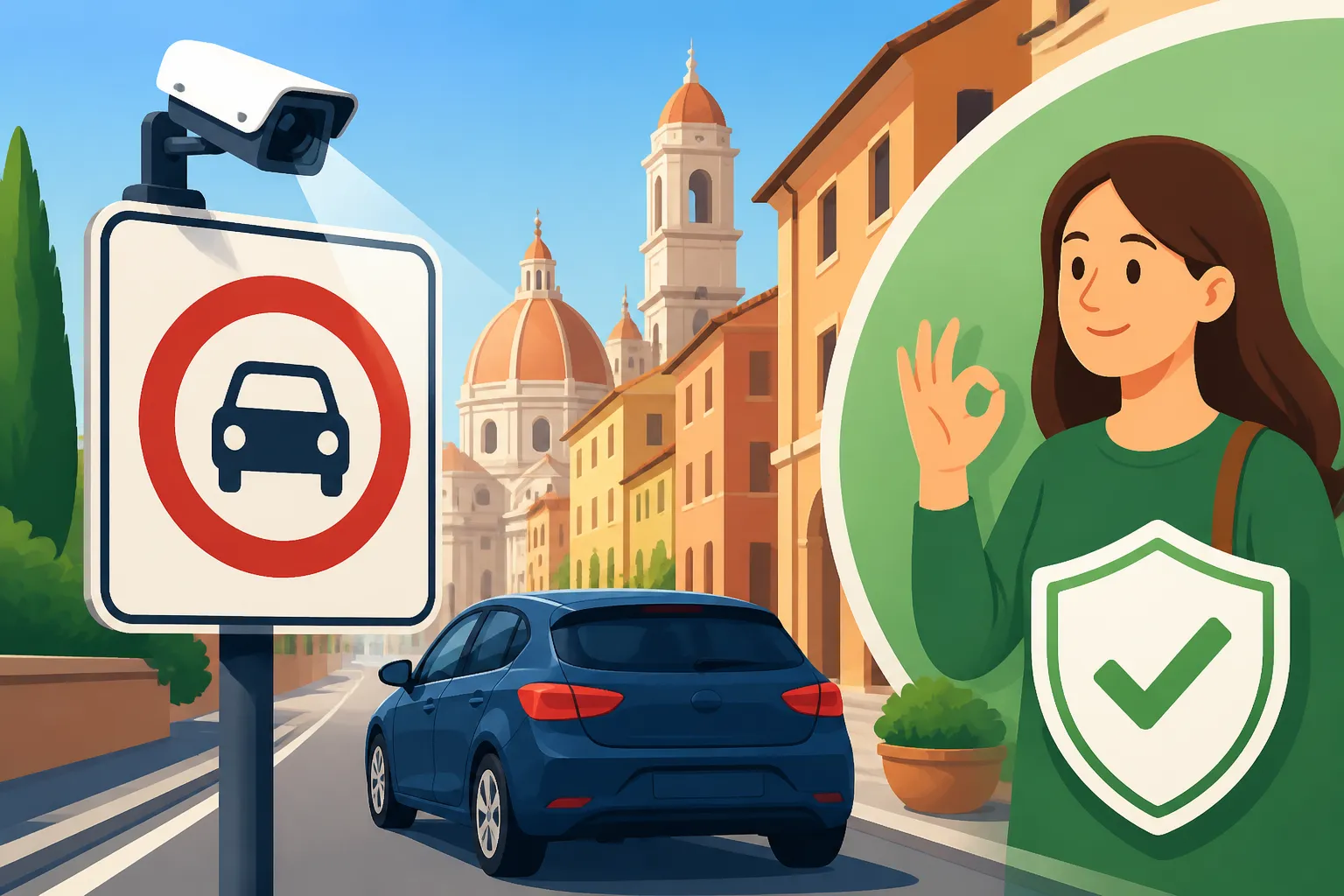
This is where the real challenge often lies for foreigners. Unlike a clear "No Entry" sign that you might be used to, ZTL signs can be surprisingly subtle and, if you're not looking for them, easily missed, especially when you're focusing on navigating unfamiliar streets and Italian drivers! The standard ZTL sign is a white circular sign with a red border, depicting a white car on a blue background. Below this main sign, you'll often find crucial information on a supplementary panel.
This panel specifies the hours of operation for the ZTL (e.g., "7:30-19:30" indicating the zone is active from 7:30 AM to 7:30 PM), the days of the week it's enforced, or any specific exemptions. Some ZTLs are active 24/7, others only during certain weekdays, and some only at night. What makes it tricky is that these signs aren't always directly at the point of entry. Sometimes, they're slightly off to the side, or obscured by tree branches, or simply blend into the visual clutter of an urban street. And remember, unlike a gate, most ZTL entry points are monitored by cameras, so there's no physical barrier to stop you. The cameras silently record license plates, and if yours isn't on the approved list, basta, a fine is on its way.
The Financial Pain: Understanding ZTL Fines
The sting of a ZTL fine isn't just about the monetary cost; it's often compounded by the delayed arrival of the notification. You might be happily sipping an Aperol Spritz back home, reminiscing about your Italian adventure, when suddenly, a formal-looking letter arrives, usually in Italian, informing you of a transgression from months prior. This delay can make it feel particularly unfair, as you have no immediate chance to rectify the situation or even remember the exact moment of the infraction.
How ZTL Fines are Issued and Received
ZTLs are typically enforced by automatic cameras (telecamere) placed at every entry point. These cameras capture the license plates of all vehicles entering the zone during its active hours. If your vehicle's license plate isn't registered on the municipal whitelist (which includes residents, public transport, emergency services, and sometimes hotel guests), a fine is automatically issued.
The administrative process can be slow. Fines are usually processed by the local Comune (municipality) and then forwarded to foreign addresses, often through collection agencies. This can take anywhere from three months to over a year. The letter will usually detail the date, time, and location of the infraction, and often include a photo of your vehicle. It's important to understand that each entry into a ZTL during restricted hours counts as a separate offense. So, if you enter, leave, and re-enter the same ZTL multiple times in one day, you could receive a fine for each instance! This is a common pitfall and can lead to multiple fines quickly accumulating.
The Cost of a ZTL Fine and Payment Process
A standard ZTL fine typically ranges from €80 to €100, but can be higher depending on the city and the specifics of the local regulations. What's more, administrative fees and international processing charges can be added on top, increasing the final amount. If you pay within a certain timeframe (often 5-60 days), you might be eligible for a reduced rate, which will be specified in the fine notification. However, if you ignore it, the amount can increase significantly due to penalties for late payment.
Payment instructions are usually included in the letter. You'll often be able to pay online through a specific portal, via bank transfer, or at a post office in Italy if you happen to be there. Ignoring a ZTL fine from Italy is not advisable. While the enforcement mechanisms for foreign residents can be complex, many countries have agreements with Italy for the collection of traffic fines. It's better to address it promptly, even if it means seeking translation assistance. The financial impact can be surprising, making it crucial to factor such potential costs into your overall Cost of Living in Italy 2026: Budgeting for Expats if you plan to drive frequently.
Here’s a quick overview of typical ZTL signs and potential fines:
| Sign Description | Meaning | Typical Fine Range | Key Action for Drivers |
|---|---|---|---|
| White circle, red border, car on blue background | Standard ZTL – Restricted Access | €80 – €100+ | Do NOT enter unless explicitly authorized. |
| Below ZTL sign: "7:30 – 19:30" (or similar) | ZTL Active during these hours, Mon-Fri (or specific days listed) | €80 – €100+ | Check days/times carefully. Avoid during active hours. |
| Below ZTL sign: "Escluso Autorizzati" | "Except Authorized" – only registered vehicles allowed | €80 – €100+ | Unless your license plate is registered, do not enter. |
| ZTL sign with "Telecamera Attiva" | Camera active – you are being monitored electronically | €80 – €100+ | Confirms automatic enforcement is in operation. |
| Red light over ZTL sign / "ZTL Attiva" | ZTL currently active (if electronic display is present) | €80 – €100+ | If illuminated, do not enter. |
Navigating ZTLs: Practical Strategies to Avoid Fines
The good news is that avoiding ZTL fines is entirely possible with a bit of planning and awareness. It mostly boils down to knowing where you're going, how you're getting there, and what the local rules are. Don't let the fear of ZTLs deter you from experiencing Italy, but do be smart about it!
Public Transportation: Your Best Friend in Italian Cities
Honestly, this is often the simplest and most enjoyable solution, especially in major cities like Rome, Florence, and Milan. Italian public transport networks are generally efficient and comprehensive. Trains, buses, trams, and metros can get you to virtually all key attractions, often dropping you off right where you want to be, without the headache of parking or ZTLs. Using services like Omio can help you easily book High-Speed Trains in Italy: Trenitalia, Italo, Routes, and Savings between cities, and then you can switch to local transport upon arrival.
In places like Venice, it’s obviously all about walking and vaporetti. Even in sprawling cities like Rome, the metro and extensive bus network are far more practical than trying to drive and park. For a detailed guide, check out Public Transportation in Italian Cities: A Guide. You’ll save on fuel, parking fees, and the ever-present anxiety of driving into a ZTL. Plus, it’s a great way to experience daily Italian life!
Parking Outside ZTLs
If you absolutely must drive, perhaps you're on a road trip through Tuscany or exploring the Dolomites, the key is to park outside the ZTL boundaries. Most major cities have designated parking lots or garages on the periphery of their historic centers, often clearly signed. From there, you can easily walk or take a short bus or tram ride into the ZTL-protected area.
Look for signs indicating "Parcheggio" (parking) and check a map to ensure you're well outside the ZTL limits before you commit. Often, these parking areas are clearly marked on tourist maps or can be found using navigation apps (though be cautious, as not all apps are perfectly up-to-date with ZTL boundaries). It's a small inconvenience for the peace of mind of not receiving a fine later. Remember, even legal parking often requires payment, so be prepared with coins or a credit card for parking meters. You can learn more about general parking rules in Parking Regulations: How to Park Legally in Italy.
Hotel Access and Special Permissions
This is a critical point for many tourists. If you've booked a hotel within a ZTL, don't panic! Many hotels in these areas have procedures in place to allow their guests temporary access for drop-off and pick-up, and crucially, to register your vehicle's license plate with the local authorities.
Here's how it typically works:
- Inform your hotel in advance: When booking or as soon as possible, let your hotel know you'll be arriving by car and require ZTL access.
- Provide your license plate: Upon arrival (or even before), your hotel will ask for your vehicle's license plate number. They will then submit it to the Comune to temporarily whitelist your car for the duration of your stay.
- Follow their instructions precisely: Your hotel will tell you the specific route to take to reach their property within the ZTL. Stick to it! Even if you have temporary authorization, driving around aimlessly within the ZTL outside of reaching your hotel might still trigger a fine.
- Confirm registration: Don't be shy about confirming with the front desk that your license plate has indeed been registered. Getting a confirmation number or email can add an extra layer of security.
When searching for accommodation, especially if you plan to drive, it's wise to use platforms like Booking.com and explicitly check for "parking" or "ZTL access" information in the hotel's description or by contacting them directly. This proactive step can save you a lot of grief.
Essential Apps and Resources
Technology can be a huge help here, but it's not foolproof. Several navigation apps, like Google Maps, Waze, and TomTom, do integrate ZTL information into their routing. However, their accuracy can vary by city and update frequency. Always treat them as a guide, not a definitive authority.
- Google Maps/Waze: Useful for initial routing, but always double-check against actual signage. Some users report success with these apps warning about ZTLs, but others have been caught out.
- Local Municipality Websites: For the most up-to-date and official information, check the website of the specific Comune you plan to visit (e.g., "ZTL Roma," "ZTL Firenze," "ZTL Milano"). These sites often have maps and detailed schedules. While usually in Italian, a browser's translate function can help.
- Rental Car Company Advice: When you pick up your rental car, ask the agency specifically about ZTLs. They often have maps or can give you verbal warnings about major ZTLs in the area. Keep in mind that rental companies often pass on ZTL fines (plus an administrative fee) directly to you, so it's in everyone's best interest to be informed.
Common ZTL Scenarios and What to Do
The unexpected can always happen, but knowing how to react or what to expect can mitigate the damage.
What if you accidentally entered a ZTL?
It happens. One minute you're navigating a busy street, the next you realize you've driven past that tell-tale white sign with the red circle. If you realize immediately, and you can safely turn around before passing the camera, do so. However, once you've passed the camera point during active hours without authorization, the deed is done.
There's no "call this number" or "fill out this form" to immediately retract a ZTL entry. Your best course of action is to try and exit the ZTL as soon as safely possible, without making multiple turns that could lead to multiple infractions. Then, cross your fingers and mentally prepare for a potential fine in the mail. If you were truly lost, you might have a slim chance to appeal a fine, but this is a long, bureaucratic process, often requiring documented proof of your argument, and often unsuccessful for simple tourist errors.
Rental Cars and ZTLs
Driving a rental car adds another layer of complexity to ZTL fines. When a rental car enters a ZTL without authorization, the fine is initially issued to the rental car company, as they are the registered owner of the vehicle. The rental company will then identify the driver (you) from their records and forward the fine, along with an administrative fee, which can be anywhere from €20-€50 per fine. This fee is often automatically charged to the credit card you used for the rental.
It's absolutely essential to be vigilant about ZTLs when driving a rental car. Many travelers only become aware of ZTLs after receiving several fines from their rental company, sometimes months after their trip has ended. Before you even set off, make sure you understand the basics of Renting a Car in Italy: ZTLs, Insurance, and Driving Tips to avoid these unpleasant surprises.
Delivery and Loading Zones
Even if you're not a tourist or expat, but perhaps a local business owner or someone moving house, ZTLs can be a challenge. Designated delivery and loading zones often fall within ZTL areas, and access for these purposes is usually highly restricted and requires specific permits. These permits are typically issued by the local Comune and are time-sensitive.
For private citizens, this means you generally cannot just drive into a ZTL to drop off luggage or furniture unless you have explicit permission. If you're staying in an apartment within a ZTL, your best bet is still to park outside and walk, or arrange for a licensed delivery service that has the necessary permits. This also applies to services like taxis or private car services, which usually do have ZTL access, making them a good option for getting directly to your accommodation if it's deep within a restricted zone. For larger moves, engaging a professional moving company that is familiar with Italian regulations and permits is paramount.
Understanding and respecting ZTLs might seem like a daunting task, but it's a fundamental part of driving in Italy. With a little foresight, reliance on public transport, and clear communication with hotels, you can navigate Italy's stunning cities without the unwelcome surprise of a ZTL fine. Enjoy the journey, but always keep an eye out for that round white sign with the red border!
Disclaimer
The information provided in this guide is for general informational purposes only and does not constitute legal advice. ZTL regulations in Italy can vary significantly by municipality and are subject to change. Always consult official local Comune websites or legal professionals for the most accurate and up-to-date information regarding ZTLs and related traffic laws. We are not responsible for any fines or penalties incurred.