How to See Da Vinci’s Last Supper in Milan
Oh, the sheer delight of dreaming about seeing Leonardo da Vinci's The Last Supper in person, only to be met with the cold, hard reality of its elusive tickets. Many an expat or tourist, myself included, has spent countless hours fruitlessly refreshing a website, feeling utterly defeated by the demand for this iconic masterpiece. It’s not just a popular attraction; it’s one of the most protected and sought-after art experiences in the world, and getting in can feel like winning the lottery. But don't despair! This guide is here to cut through the confusion, validate your frustration, and lay out every possible strategy to help you secure a viewing of this unparalleled work of art in Milan.
Disclosure: This post may contain affiliate links. We may earn a commission at no extra cost to you if you make a purchase through these links. Read full disclosure.
The Harsh Reality: Why Tickets Are So Hard to Get
Before we dive into the "how," it's crucial to understand the "why." You might be thinking, "It's just a painting, why is it so difficult?" But The Last Supper isn't just any painting; it's a fragile fresco that has survived centuries of neglect, war, and environmental damage. Its delicate nature dictates an incredibly strict viewing protocol, making tickets a rare commodity. This isn't bureaucracy for bureaucracy's sake – it's all about preservation.
Understanding the Preservation Challenges
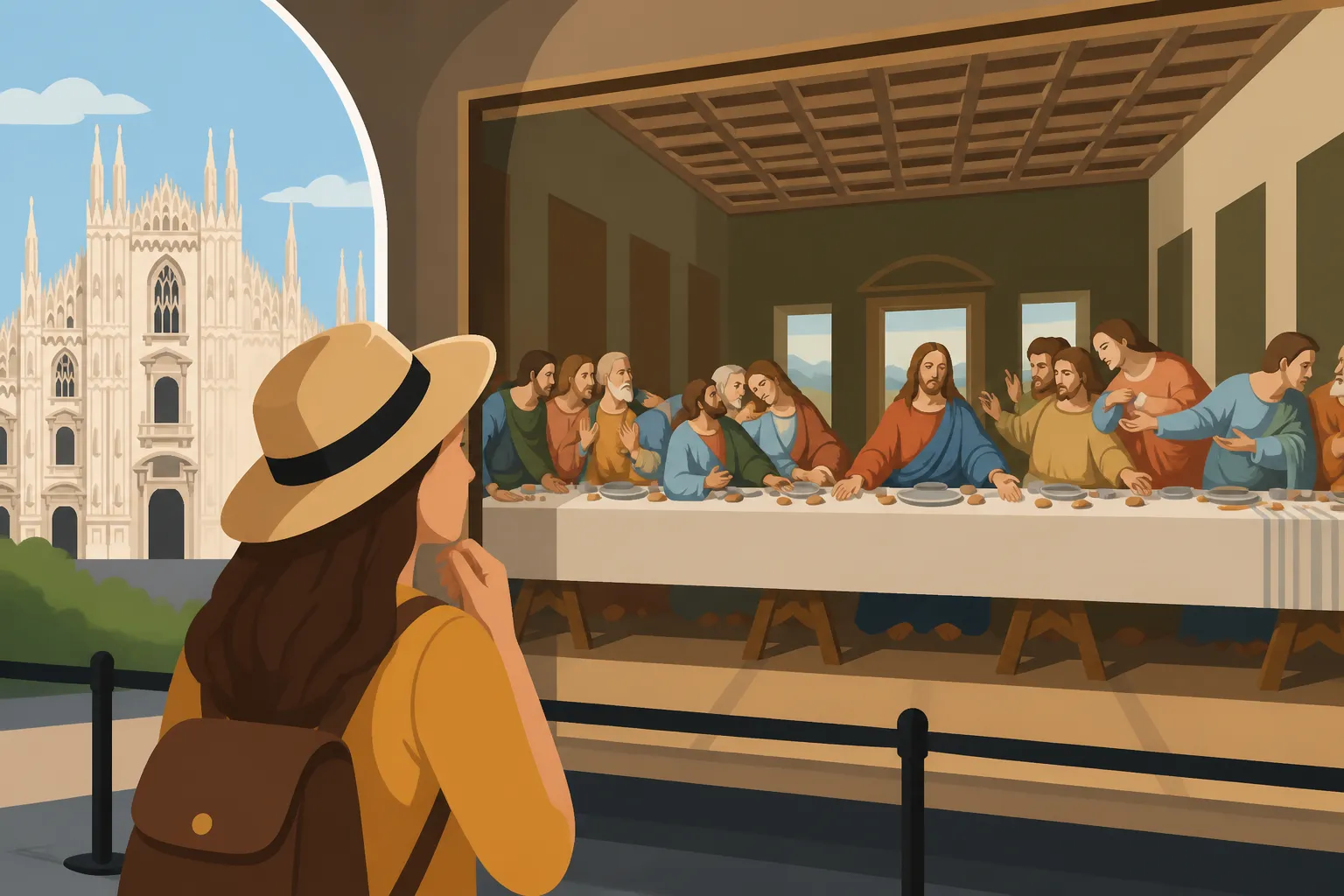
Unlike a canvas painting that can be moved or viewed in various conditions, The Last Supper is a fresco, technically a dry fresco or secco mural, painted directly onto a wall in the refectory of the Santa Maria delle Grazie convent. Da Vinci chose an experimental technique that, while allowing for more detail and depth than traditional wet fresco, also made it incredibly vulnerable to humidity, temperature fluctuations, and deterioration from the moment it was finished. This fragile state means the artwork requires an exceptionally stable and controlled environment to prevent further damage.
The viewing chamber itself is equipped with sophisticated climate control systems. Every aspect – humidity, temperature, air quality, and even the number of people inside at any given time – is meticulously monitored and adjusted. Imagine trying to keep an ancient manuscript from crumbling; it's a similar, highly sensitive operation. This is why you'll often pass through several sets of doors before entering the actual viewing room, each acting as an airlock to maintain the perfect conditions.
The Limited Entry System
Because of these stringent preservation needs, access to The Last Supper is severely restricted. We're talking about small groups of visitors, typically no more than 30-35 people at a time, allowed into the refectory. Even then, your viewing experience is limited to a mere 15 minutes. Yes, you read that right – 15 minutes to take in one of the world's most profound artworks. This brevity is essential to minimize the cumulative impact of human breath, body heat, and even the subtle vibrations that a larger, longer-staying crowd would generate.
Tickets are released in batches, usually several months in advance, and they disappear almost instantaneously. It's like trying to get concert tickets for a super-popular band, but with far fewer seats and a much longer fanbase. The official booking website for The Last Supper is the primary point of sale, and when tickets drop, they are scooped up by individuals, tour operators, and agencies within minutes. This rapid sell-out means that by the time many tourists start planning their trips, direct tickets are already gone, leading to that all-too-familiar feeling of panic and frustration.
Your Best Bets for Securing Tickets
Given the extreme demand and limited supply, you can't just show up and expect to get in. Planning well in advance is paramount, and being flexible with your approach is key. You'll need a combination of persistence, strategy, and sometimes, a little luck (or willingness to pay a premium).
The Official Website: The Elusive Holy Grail
Your first, and frankly, often most frustrating, port of call should always be the official website for The Last Supper, which is managed by the booking system for Milan's cultural heritage sites. This is where tickets are sold at face value, typically €15 per person (plus a small booking fee). The challenge here isn't the price; it's the timing and the speed. Tickets for upcoming months are usually released in blocks, often three to four months ahead, and there's no fixed schedule for these releases. You have to keep checking, sometimes daily, like a hawk.
When a batch of tickets is released, it's often announced a few days in advance on the website itself, or through their newsletter. Being subscribed to their email updates is a good idea. Once they go live, you need to be lightning-fast. Have your credit card ready, your dates and times pre-selected, and be prepared for the website to be slow or even crash under the immense traffic. I've had many mornings trying to snag a ticket, only to see "Sold Out" messages before I even got past the captcha. It's truly disheartening, but for those who succeed, it's the most economical way to see the masterpiece.
Reputable Third-Party Resellers and Tour Operators
When the official website leaves you staring at "esaurito" (sold out) messages, don't throw in the towel just yet. This is where reputable third-party resellers and tour operators become your best friend. Companies like Omio, Booking.com, and GetYourGuide often secure blocks of tickets far in advance, packaging them as part of a larger tour. This usually means you won't just get access to The Last Supper; you'll get a guided walking tour of Milan, or entry to other attractions like the Duomo or Sforza Castle.
Yes, these options are undeniably more expensive than buying directly from the official site. You might pay anywhere from €50 to €150 or more for a package that includes The Last Supper. But consider it this way: you're not just paying for the ticket; you're paying for guaranteed access, often with an expert guide who can provide invaluable context to Da Vinci's work and the history of Milan. For many, especially those on a tight schedule or those who've failed to get direct tickets, this premium is a small price to pay for the chance to see the fresco. These tours can also be a fantastic way to see more of Milan if your schedule allows, tying together different historical and cultural threads. For those interested in exploring Milan beyond the Duomo, a comprehensive Milan City Guide: Fashion, Art, and the Duomo could offer additional insights.
Last-Minute & Desperate Measures
If you're still empty-handed, don't give up hope, especially if you're already in Milan. There are a few Hail Mary options you can try:
- Check Daily for Cancellations: Keep an eye on the official website. Sometimes, very rarely, cancelled tickets reappear. These are usually snatched up within seconds, but if you're persistent and lucky, you might just grab one.
- Local Tour Agencies and Hotels: Some high-end hotels or specialized local tour agencies might have last-minute allocations or cancellations. It's worth asking your hotel concierge if they have any connections or know of any reputable local operators with availability. This is often the most expensive route, but it's an option when all else fails.
- Guided Tours on Arrival: Occasionally, you might find guides outside the Santa Maria delle Grazie offering last-minute spots on their tours. Exercise caution here, as prices can be inflated, and you'll want to ensure they are legitimate. Look for guides with official badges and clear signage.
- The Amici della Brera Option: A lesser-known route is through becoming a member of the Associazione Amici di Brera e dei Musei Milanesi (Friends of Brera and Milanese Museums). Membership can grant you access to special viewing slots or priority booking. This is more of a long-term strategy for those who visit Milan frequently or want to support Italian cultural institutions, but it's an interesting alternative.
| Booking Method | Pros | Cons | Price Range (Estimate) | Availability |
|---|---|---|---|---|
| Official Website | Cheapest price, direct booking | Extremely difficult to secure, sells out instantly, no fixed release | €15 – €20 | Very low, requires constant monitoring |
| Third-Party Resellers | Guaranteed access, bundled with other tours | More expensive, often includes unwanted extras | €50 – €150+ | Moderate to good, check well in advance |
| Local Agencies/Hotels | Possible last-minute access, personalized | Very expensive, less transparency | €80 – €200+ | Low, unpredictable |
| Friends of Brera (Membership) | Exclusive access, supports art, longer-term | Requires membership commitment, not instant solution | Membership fee + ticket | Specific member-only slots |
Preparing for Your Visit to Santa Maria delle Grazie
So, you've battled the booking system, overcome the odds, and actually have a ticket in hand – felicitazioni! Now, let's talk about making the most of your precious 15 minutes and ensuring a smooth experience at the site itself. Remember, this isn't just a museum visit; it's an encounter with history and artistic genius in a sacred space.
What to Expect During Your 15 Minutes
Upon arrival at Santa Maria delle Grazie, you'll go through a series of security checks and airlock chambers designed to maintain the stable environment crucial for The Last Supper's preservation. This process can take a few minutes, so don't be alarmed; it's all part of the carefully managed system. Once inside the refectory, you'll be among a small group of fellow awe-struck visitors. The fresco is located on the far wall, incredibly vibrant and imposing despite its age and delicate state.
During your 15 minutes, resist the urge to immediately snap photos (which are usually allowed without flash, but always double-check current rules upon entry). Instead, take a few moments to simply look. Let your eyes adjust, take in the scale, the detail, the perspective that Da Vinci so masterfully created. The emotional intensity of the apostles' reactions to Christ's announcement, the way the light seems to emanate from the scene – it’s truly breathtaking. You'll likely find yourself drawn to different figures, tracing their expressions and gestures. This fleeting but profound experience is why so many people go to such lengths to see it.
Getting There
Santa Maria delle Grazie is conveniently located in central Milan, making it accessible by various modes of transport. The address is Piazza Santa Maria delle Grazie, 2, 20123 Milano MI.
- Metro: The closest metro stops are Cadorna (MM1 Red line, MM2 Green line) and Conciliazione (MM1 Red line). From Cadorna, it's about a 10-minute walk. From Conciliazione, it's slightly shorter. Milan's public transportation is generally efficient and easy to navigate for visitors. For more detailed information on navigating the city, consult a guide on Getting Around Italian Cities: Metro, Tram, and Buses.
- Tram: Several tram lines also pass near the church. Trams 18 and 24 stop at Corso Magenta/Santa Maria delle Grazie.
- Walking: If you're staying in the city center, it might be a pleasant walk, allowing you to take in other sights along the way, such as the Sforza Castle or some of Milan's elegant shopping streets.
- Arriving from out of Milan: If you're traveling to Milan specifically for this, train is often the best way to arrive. Companies like Trenitalia and Italo offer high-speed services into Milano Centrale or Porta Garibaldi stations. You can then use the metro to reach the church. To explore train options, Omio is a great platform to compare routes and book tickets efficiently.
Etiquette and Practical Tips
A few practical pointers can make your visit even smoother:
- Arrive Early: Aim to arrive at least 15-20 minutes before your scheduled entry time. This gives you ample time for security checks, finding the right entrance, and using the restrooms without feeling rushed. Missing your timed entry slot means losing your ticket – and trust me, you don't want that heartache after all the effort!
- Dress Code: While The Last Supper itself is not strictly within the active church (it's in the former refectory), Santa Maria delle Grazie is a UNESCO World Heritage site and an active place of worship. It's always respectful to dress modestly when visiting churches in Italy. This generally means covering your shoulders and knees. You won't be denied entry for bare shoulders at the fresco, but it's good practice for wandering into the church itself. Learn more about appropriate conduct in Italy in guides like Italian Customs, Etiquette, and Social Life.
- Bags and Backpacks: Large bags, backpacks, and sometimes even umbrellas are usually not allowed inside the refectory and must be left in lockers provided at the entrance. Factor this into your arrival time.
- Photography: As mentioned, flash photography is strictly prohibited. Non-flash photography is generally permitted for personal use, but rules can change, so always check the signage upon entry. Honestly, the light inside is often too dim for good phone photos anyway, and you'll find it more rewarding to soak in the moment rather than fiddling with your camera.
- Combine with Other Sights: Since your visit to The Last Supper is relatively short, consider combining it with other nearby Milan attractions. The beautiful Santa Maria delle Grazie church itself is worth exploring, with its stunning Bramante sacristy. The magnificent Duomo di Milano, the grand Galleria Vittorio Emanuele II, and the historic Sforza Castle are all within a reasonable distance and easily reachable via public transport. You can even plan your entire Milan itinerary around these key sights to maximize your time.
Beyond the Fresco: Appreciating Da Vinci's Genius
While the 15 minutes with The Last Supper are intense and unforgettable, truly appreciating Da Vinci's masterpiece involves understanding its historical context and the revolutionary impact it had. It's more than just paint on a wall; it's a window into the mind of a genius.
The Historical Context and Significance
The Last Supper was painted by Leonardo da Vinci between 1495 and 1498 for his patron Duke Ludovico Sforza, the Duke of Milan. It depicts the dramatic moment when Jesus announces to his twelve apostles that one of them will betray him. Before Da Vinci, depictions of this scene often showed Judas isolated or easily identifiable. Da Vinci, however, chose to capture the immediate, human reactions of each apostle, creating a psychological drama that was entirely new for its time.
His innovative use of perspective draws the viewer directly into the scene, making you feel as though you are sitting at the table with them. The composition is a masterclass in balance and storytelling, with Christ at the calm, central point of a swirling maelstrom of human emotion. Each group of apostles reacts in a unique way, revealing their individual personalities and struggles. This fresco represents a pinnacle of Renaissance art, blending artistic skill with scientific observation and profound human insight. Its fragile beauty is a testament to Da Vinci's experimental spirit, and our collective efforts to preserve it speak to its enduring power. You can gain further insight into the broader artistic movements of the country by exploring Art, History, and Architecture in Italy.
Exploring Santa Maria delle Grazie
Many people arrive, see The Last Supper, and then promptly leave, not realizing they're missing out on another gem right next door. The Basilica di Santa Maria delle Grazie, the church itself, is a stunning example of Renaissance architecture and is also part of the UNESCO World Heritage Site. While Da Vinci was working on the fresco in the refectory, Donato Bramante, another titan of the Renaissance, was busy redesigning parts of the church, including its impressive tribune (the space under the dome at the back of the church).
Take some time to wander through the church, admire the beautiful dome, and explore the cloisters if they are open. The quiet beauty of the church provides a wonderful contrast to the intense experience of viewing The Last Supper. It's a peaceful space for reflection and a reminder that Milan holds many layers of history and artistic beauty, often just a short walk or metro ride away from each other. If you're planning on staying in Milan, consider exploring different parts of the city with a guide on Living in Milan: Neighborhoods and Practical Tips to truly immerse yourself in the local culture.
Disclaimer
The information provided in this guide is for general informational purposes only and is subject to change. While we strive to keep the content up-to-date, ticket release schedules, pricing, and entry requirements for The Last Supper can vary at the discretion of the cultural site management. Always check the official website and any third-party booking platforms for the most current and accurate information before making travel plans.