Art, History, and Architecture in Italy
Oh, Italy! The very name conjures images of ancient ruins, breathtaking frescoes, and architectural wonders that have stood the test of time. But let's be real, diving into the sheer volume of history, art, and architecture here can feel utterly overwhelming, especially when you're navigating a new country and a foreign language. I know, because I've certainly felt that delightful mix of awe and bewilderment on countless occasions. This guide is here to untangle that beautiful mess for you, helping you explore Italy's incredible past, from its formidable empires to its modern design marvels, with a sense of understanding and connection.
Disclosure: This post may contain affiliate links. We may earn a commission at no extra cost to you if you make a purchase through these links. Read full disclosure.
The Enduring Legacy of Ancient Rome
Stepping into Rome is like walking onto a movie set that's been around for millennia, only it's all real. The sheer scale of what the Romans achieved, how they shaped an empire, and how their innovations still influence us today is nothing short of mind-boggling. It’s easy to get lost in the romance, but also easy to feel dwarfed by the ruins.
Architectural Marvels of the Empire
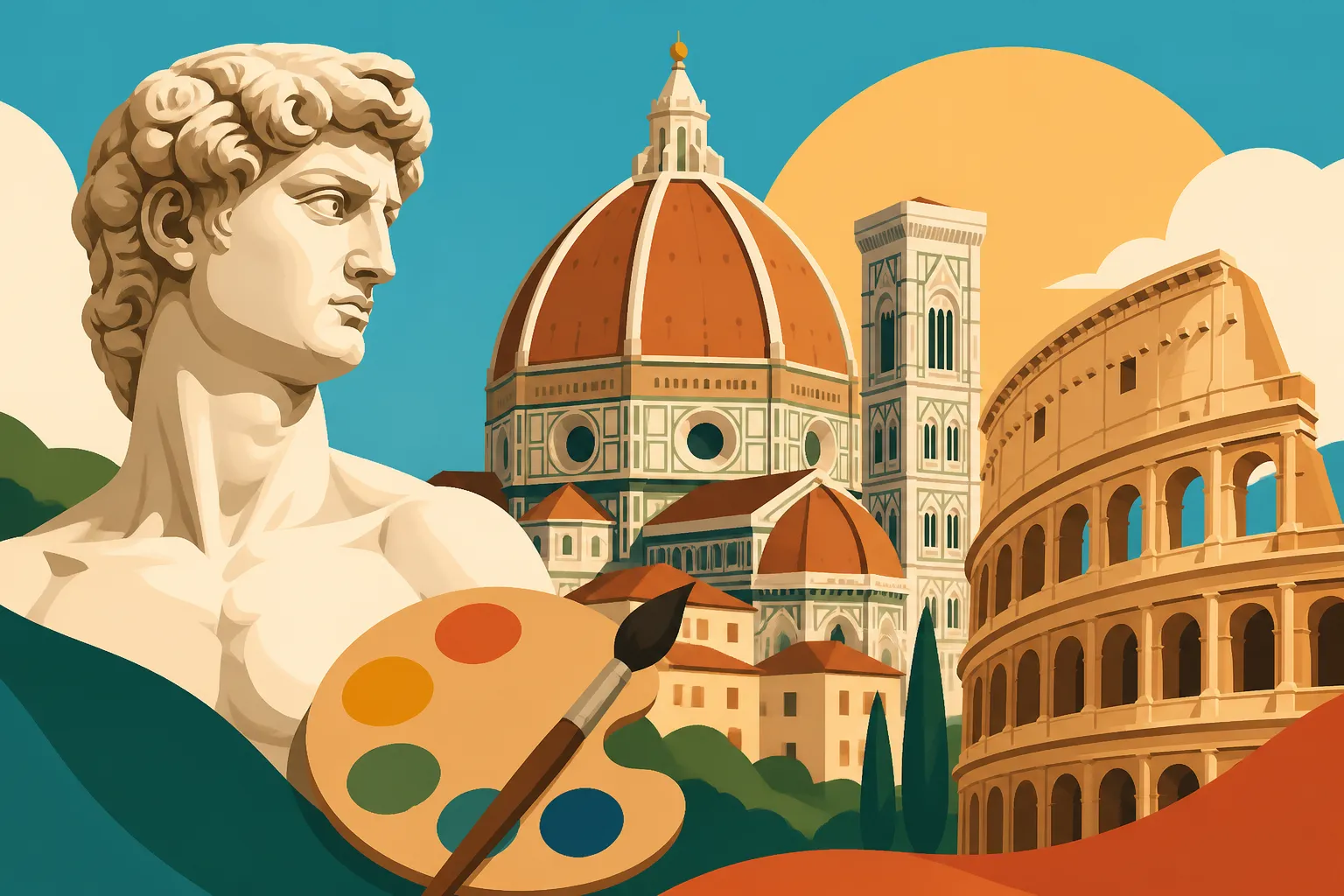
When we talk about Roman architecture, we're not just discussing pretty buildings; we're talking about feats of engineering that were centuries ahead of their time, designed to project power, serve the populace, and endure. Take the Colosseum, for example. You’ve seen it in pictures, but standing inside that gargantuan amphitheater, imagining the roar of the crowds and the spectacle of gladiator games, is an entirely different experience. It's not just a stone shell; it's a testament to Roman ingenuity in managing crowds and creating grand public spaces. The intricate system of trapdoors and elevators used to bring animals and gladiators into the arena showcases an astonishing level of planning and execution. It makes you wonder how they pulled it off without modern machinery, doesn't it?
Then there's the Pantheon, a truly bewildering structure. Its massive unreinforced concrete dome, with that iconic oculus open to the sky, still amazes architects and engineers today. It's a space that feels sacred, regardless of your beliefs, precisely because of its perfect proportions and the way light floods in. The precision with which it was built, the understanding of concrete and structural integrity, still leaves many scratching their heads. You can literally feel the weight of history pressing down, yet the space itself feels light and eternal. And don't forget the Roman Forum and Palatine Hill, the very heart of ancient Rome. Wandering through these ruins, picturing senators debating, emperors parading, and daily life unfolding, requires a good imagination, but the foundations are all there. It's a sprawling open-air museum where every crumbling column and arch has a story, revealing layers of political intrigue, religious devotion, and everyday commerce. For an in-depth look at these incredible sites, consider our guide on Ancient Rome: Sites and Ruins to Visit.
Beyond the city centers, the Roman aqueducts crisscross the landscape, silent giants reminding us of their mastery of water management. These weren't just functional; they were often beautifully designed, demonstrating a blend of utility and aesthetic sensibility. The Pont du Gard, while in France, is a prime example of this Roman engineering prowess, but countless smaller aqueducts and bridges dotted across Italy served as the lifeblood of Roman settlements. They ensured that cities, even those far from natural water sources, could thrive, a monumental undertaking that sustained a vast population and allowed for luxurious public baths and fountains. The sheer audacity of transporting water over vast distances, through valleys and over rivers, with such precision, truly highlights the Romans' commitment to public works and their advanced understanding of hydraulics.
The Art of Power and Propaganda
Roman art wasn't just about beauty; it was a potent tool for projecting power, reinforcing imperial ideology, and immortalizing leaders. Their sculptures, for instance, evolved from the more idealized Greek forms to highly realistic, often unflattering, portraits of emperors and significant figures. These weren't just statues; they were statements, distributed throughout the empire to remind everyone who was in charge and what their values were. The famous Augustus of Prima Porta, with its clear message of military victory and divine favor, is a textbook example of this artistic propaganda. You can see the meticulous details in his armor, depicting historical scenes and allegories, all designed to legitimize his rule.
Mosaics and frescoes adorned public buildings and the homes of the wealthy, offering glimpses into daily life, mythology, and celebratory scenes. These vibrant, intricate artworks served not only as decoration but also as a narrative, communicating stories and values to a largely illiterate populace. Think of the stunning frescoes unearthed in Pompeii and Herculaneum, which capture a vivid snapshot of domestic life, religious beliefs, and artistic tastes of the Roman elite. They tell a story of Roman society in exquisite, almost photographic detail, from grand mythological scenes to humble still lifes. Every tile, every brushstroke, was deliberate.
Even the coinage, adorned with imperial busts and symbolic imagery, was a form of mass communication, ensuring that the emperor's face and message reached every corner of the vast Roman world. This comprehensive approach to art and architecture as instruments of state power demonstrates a sophisticated understanding of public relations and image-making, proving that the Romans were masters not just of conquest, but of cultural influence too. They built a visual language that spoke volumes, and much of it still resonates today.
Renaissance Masterpieces: The Birthplace of a Revolution
Fast forward about a thousand years, and Italy once again became the epicenter of a cultural explosion: the Renaissance. This period, roughly from the 14th to the 17th century, marked a "rebirth" of classical ideals, pushing humanity, art, and science into an extraordinary new era. It’s where many of the iconic images of Italy truly come to life.
Florence: The Cradle of the Renaissance
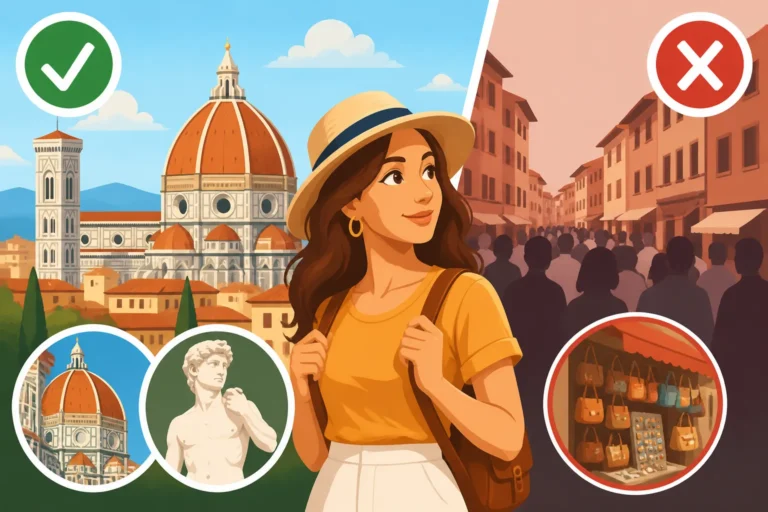
Florence, a city that practically breathes Renaissance, is where much of this incredible movement began. Walking its cobblestone streets, you can almost feel the presence of artistic giants like Leonardo da Vinci, Michelangelo, and Botticelli. The city itself is a masterpiece. Brunelleschi's magnificent Duomo, with its revolutionary dome, still dominates the skyline and is a marvel of architectural ingenuity. Trying to figure out how he built that dome without modern scaffolding is truly mind-boggling, and it fundamentally changed what architects believed was possible. Climbing to the top offers not just incredible views but also a close-up appreciation of this structural wonder.
The Uffizi Gallery is an absolute must-see, home to an unparalleled collection of Renaissance art, including Botticelli's "Birth of Venus" and "Primavera." It's one of those museums where you need to pace yourself, or you’ll get "art fatigue" halfway through. The sheer concentration of masterpieces under one roof is intense. Similarly, the Accademia Gallery houses Michelangelo's iconic "David," a sculpture that truly transcends its marble form. Seeing "David" in person, feeling the power and humanism it embodies, is a profoundly moving experience. It’s larger and more imposing than you might expect, a true symbol of Florentine republicanism and artistic perfection. The Medici family's patronage was instrumental in funding these artistic and architectural endeavors, transforming Florence into a vibrant hub of creativity and intellectual pursuit. Their wealth and influence weren't just about power; they were about cultivating an environment where genius could flourish, leaving an indelible mark on the city and the world. For those planning their visit, our guide Florence for First-Time Visitors: What to See and Skip offers valuable insights.
Rome and Venice: Papal Patronage and Artistic Innovation
While Florence ignited the flame, Rome and Venice quickly became major centers of the Renaissance, each adding its unique flavor to the movement. In Rome, papal patronage led to some of the most ambitious and grand artistic projects, transforming the Eternal City. The Vatican City is essentially a vast Renaissance and Baroque museum. The Sistine Chapel, with Michelangelo's breathtaking ceiling and "Last Judgment," is an experience that words can barely capture. The scale, the detail, the sheer emotional intensity – it’s overwhelming in the best possible way. Looking up at those frescoes, you can almost feel the artist's struggle and triumph. This, along with the incredible works found in the Vatican Museums, represents a monumental achievement of human creativity and spiritual devotion. Our detailed guide on Visiting the Vatican: St. Peter's and the Museums is highly recommended for planning your visit.
Venice, with its unique maritime empire and distinctive light, fostered a different kind of artistic innovation. Venetian masters like Titian, Tintoretto, and Veronese were renowned for their vibrant use of color, dramatic compositions, and rich textures, often exploring themes of luxury, sensuality, and grand narratives. Their works often reflected Venice's opulence and its connections to the East, creating a visual language that was distinct from the Florentine emphasis on drawing and form. The Doge's Palace and the various scuole (fraternities) throughout the city house incredible examples of this Venetian School, where light plays a crucial role in enhancing the drama and emotion of the paintings. The architecture of Venice itself, with its intricate canal system and Gothic-Renaissance palaces, is a work of art, defying traditional city planning and creating a magical, almost theatrical, urban landscape.
Baroque Grandeur and Splendor
Following the Renaissance, Italy ushered in the Baroque era (roughly 17th to mid-18th century), a period characterized by dramatic movement, elaborate ornamentation, and intense emotion. It was a reaction to the classical restraint of the Renaissance, designed to awe and inspire.
Rome: Bernini, Borromini, and the Baroque City
Rome once again became a focal point, especially with figures like Gian Lorenzo Bernini and Francesco Borromini, who literally sculpted the city into a Baroque masterpiece. Bernini's work is everywhere, from the spectacular colonnades embracing St. Peter's Square, designed to symbolize the Church's welcoming arms, to the incredible "Ecstasy of Saint Teresa" in the Cornaro Chapel, a theatrical display of spiritual passion. His sculptures are dynamic, full of emotion, and seem to burst out of the marble. His fountains, like the iconic Trevi Fountain (though completed later), are complex narratives in stone, bringing life and drama to public spaces and making water itself an artistic medium. Standing before the Trevi Fountain, you're not just looking at a fountain; you're witnessing a theatrical performance where every figure and ripple tells a story.
Borromini, often seen as Bernini's rival, pushed architectural boundaries with his innovative use of concave and convex forms, creating buildings that seemed to undulate and breathe. His churches, like San Carlo alle Quattro Fontane, are masterpieces of complex geometry and illusion, creating spaces that are both grand and intimate, constantly surprising the viewer with their interplay of light and shadow. The details in Baroque architecture are staggering—rich frescoes, gilded stucco, dramatic lighting, all working together to create an immersive and emotionally charged experience designed to inspire devotion and wonder. It's an art form that demands attention and rewards close inspection.
The Spread of Baroque Across Italy
The Baroque style wasn't confined to Rome; it spread throughout Italy, taking on regional variations and flourishes. In Lecce, in the southern region of Puglia, you'll find "Lecce Baroque," characterized by its incredibly elaborate and whimsical stone carvings made from the soft, golden local limestone. Churches and palaces here are adorned with fantastical creatures, fruits, and allegorical figures, making the city a joyful and unique example of the style. It feels less imposing than Roman Baroque and more celebratory, a true feast for the eyes as the sunlight hits the intricate facades.
Naples also boasts a rich Baroque heritage, with its grand churches, palazzi, and theatrical streetscapes. The city's Spanish influence often blended with the Baroque, resulting in a dramatic and sometimes darker aesthetic, yet always captivating. The Certosa di San Martino, perched above the city, offers a magnificent panorama and features stunning Baroque interiors, from its elaborate marble decorations to its impressive art collection. Meanwhile, in Turin, the Baroque took on a more restrained, yet still opulent, character, often seen in the elegant squares and palaces designed by architects like Guarino Guarini and Filippo Juvarra, who worked for the House of Savoy. Their work introduced a sense of regal sophistication, creating grand avenues and monumental structures that gave Turin a distinctly European Baroque feel. Each region embraced the Baroque in its own way, demonstrating the incredible artistic vitality and regional diversity of Italy.
Medieval Marvels: Castles, Cathedrals, and Communes
Before the dazzle of the Renaissance and the drama of the Baroque, Italy was home to a rich and complex medieval period, characterized by the rise of city-states, the construction of formidable castles, and the enduring power of the Church. This era, often stereotyped, actually laid much of the groundwork for later developments.
Romanesque and Gothic Architecture
The transition from the Roman Empire to the medieval period saw new architectural styles emerge. Romanesque architecture, prevalent from the 10th to 12th centuries, is known for its sturdy, massive qualities, round arches, thick walls, small windows, and often beautiful relief sculptures. It's a style that conveys solidity and spiritual fortitude. The Duomo di Pisa, part of the famous Piazza dei Miracoli, is a prime example, showcasing the distinctive Pisan Romanesque style with its multi-tiered arcades and intricate facade. The Baptistery and the Leaning Tower itself also belong to this period, forming a harmonious architectural complex that is truly unique. You can feel the weight and history of those structures as you approach them.
As Europe moved into the High Middle Ages, Gothic architecture began to appear, characterized by its soaring heights, pointed arches, ribbed vaults, and large stained-glass windows designed to flood interiors with divine light. While not as dominant as in France, Italy has stunning examples, often with a more restrained, horizontal emphasis compared to their northern European counterparts. The Siena Cathedral, with its breathtaking black and white marble stripes and elaborate facade, is an unforgettable masterpiece of Italian Gothic. Its interior is equally stunning, featuring intricate marble floors and exquisite sculptures. Even the Milan Duomo, while taking centuries to complete and incorporating later styles, started as a Gothic cathedral and showcases incredible intricacy and scale, a veritable forest of spires and statues. These cathedrals weren't just places of worship; they were symbols of civic pride and faith, towering over their cities as beacons of medieval ingenuity and artistic devotion.
Fortified Towns and Medieval Castles
The turbulent political landscape of medieval Italy, marked by constant conflicts between city-states, feudal lords, and imperial powers, led to the widespread construction of fortified towns and impressive castles. These structures were not just defensive strongholds but also centers of governance, economy, and social life. San Gimignano, the "Manhattan of the Middle Ages" in Tuscany, is a spectacular example of a well-preserved medieval hill town, famous for its numerous towers that once symbolized the wealth and power of its rival families. Walking through its ancient gates and narrow streets, you are transported back in time, imagining the rivalries and daily lives of its inhabitants. It's a testament to the era's blend of civic ambition and defensive necessity.
Further south, in Puglia, stands the enigmatic Castel del Monte, a unique octagonal castle built by Emperor Frederick II. Its precise geometric design and symbolic significance continue to fascinate historians and architects. It's unlike any other castle in Italy, blending military architecture with classical and Islamic influences, reflecting Frederick II's intellectual curiosity. Throughout Italy, from the rugged fortresses in the Alps to the coastal watchtowers, these medieval castles and fortified villages tell a story of resilience, conflict, and community, each with its own tales of sieges, chivalry, and daily life behind fortified walls. They remind us that history isn't just about grand empires but also about the enduring human need for security and community in uncertain times.
Modern and Contemporary Italian Art & Architecture
Italy's artistic and architectural journey didn't end with the Baroque; it continued to evolve through fascinating periods, embracing modernity and adapting to changing societal landscapes. While perhaps less globally recognized than its ancient or Renaissance periods, these contributions are equally vital to understanding Italy's creative spirit.
Futurism and Early 20th-Century Movements
The early 20th century saw Italy contribute a groundbreaking movement to the avant-garde: Futurism. Spearheaded by Filippo Tommaso Marinetti, Futurism celebrated speed, technology, youth, and violence, seeking to break entirely with the past and embrace the dynamism of the modern industrial world. While controversial, its impact on art, literature, and even politics was profound. Artists like Umberto Boccioni captured movement and energy in their sculptures and paintings, striving to depict the fleeting nature of experience and the excitement of urban life.
In architecture, this period also saw the rise of Rationalism, particularly during the Fascist era, which ironically sought a stripped-down, functional, and monumental style that was both modern and classical. Architects like Giuseppe Terragni, with his Casa del Fascio in Como, created buildings characterized by clean lines, geometric forms, and a sense of imposing clarity. This era's architecture, while often tied to a problematic political regime, is a significant part of Italy's modern urban fabric, reflecting a desire for order and grandeur through streamlined aesthetics. These buildings often evoke a sense of stark power and a departure from the elaborate ornamentation of previous eras, making a strong statement about modernity and state control.
Post-War to Present Day Innovations
After the devastation of World War II, Italy experienced a period of remarkable reconstruction and economic boom, which also fueled innovation in design and architecture. Italian design, from furniture to fashion, became globally celebrated for its elegance, functionality, and inherent style. Architects like Pier Luigi Nervi (known for his innovative use of reinforced concrete, such as the Palazzetto dello Sport in Rome) and Gio Ponti (creator of the Pirelli Tower in Milan) shaped the post-war landscape, blending structural ingenuity with aesthetic flair.
In contemporary art, Italy continues to be a vibrant hub. Museums like MAXXI (National Museum of 21st Century Arts) in Rome, designed by Zaha Hadid, showcase cutting-edge architecture and host exhibitions of contemporary Italian and international artists. The building itself is a work of art, with its fluid lines and dynamic spaces, truly embodying the spirit of 21st-century architecture. Even beyond the grand museums, Italy is home to numerous galleries and art foundations that foster experimental and conceptual art, demonstrating that the country's artistic spirit is far from confined to its glorious past. From sustainable urban planning to groundbreaking interior design, Italy's contemporary architects and artists are still pushing boundaries, proving that innovation is deeply ingrained in its cultural DNA.
Unearthing Hidden Gems: Beyond the Big Three
While Rome, Florence, and Venice rightly command attention, Italy is brimming with countless other places where art, history, and architecture tell equally compelling, though perhaps less familiar, stories. Venturing beyond the well-trodden paths offers incredibly rich rewards and a deeper understanding of Italy's regional diversity.
Sicily's Greco-Roman and Arab-Norman Heritage
Sicily, the largest island in the Mediterranean, is a cultural melting pot where millennia of invasions and influences have left an astonishingly diverse architectural and artistic legacy. Here, you can witness the grandeur of ancient Greece in the stunning Valley of the Temples in Agrigento, a UNESCO World Heritage site featuring some of the best-preserved Greek temples outside of Greece. Standing amidst these colossal Doric structures, you're reminded that Sicily was once Magna Graecia, a vital part of the ancient Greek world.
But Sicily's story doesn't end there. The island also boasts an incredible Arab-Norman architectural style, a unique fusion of Norman, Byzantine, and Islamic elements that emerged after the Norman conquest. Palermo's Cappella Palatina, within the Norman Palace, is a breathtaking example, adorned with shimmering Byzantine mosaics that tell biblical stories, alongside intricate Islamic-style carvings. The Cefalù and Monreale Cathedrals are also magnificent examples of this syncretic style, with their vast, gilded mosaic cycles, showcasing a remarkable period of cultural exchange and artistic innovation. Exploring Sicily's layers of history is like peeling back an onion, each layer revealing a new, fascinating chapter.
Pompeii and Herculaneum: A Glimpse into Daily Life
No discussion of Italy's ancient history would be complete without a deep dive into Pompeii and Herculaneum, two Roman towns tragically buried by the eruption of Mount Vesuvius in 79 AD. What makes these sites so extraordinary isn't just their preservation, but the incredibly intimate glimpse they offer into the daily lives of ordinary Romans. It's not just temples and grand public buildings; it's homes, shops, bakeries, and even graffiti.
Walking through the streets of Pompeii is a profoundly moving experience. You can see the ruts from chariot wheels, peer into ancient kitchens, and imagine conversations in taverns. The frescoes adorning the walls of villas, though fragile, retain their vibrant colors, depicting mythological scenes, landscapes, and portraits. Herculaneum, though smaller, was buried by a different kind of volcanic material, resulting in even better preservation of organic materials, including wooden structures, furniture, and even food. It offers an even more detailed snapshot, revealing intricate details of Roman domestic life. These sites are not just archaeological wonders; they are time capsules that allow us to connect with the past on a deeply human level, making the ancient Romans feel incredibly close and real. For travelers looking to explore these ancient ruins with a knowledgeable guide, platforms like GetYourGuide offer a range of tours that can bring the stories of these cities to life.
Preserving Italy's Heritage: Challenges and Efforts
Italy's incredible wealth of art, history, and architecture comes with a weighty responsibility: its preservation. This isn't just about keeping old buildings standing; it's a continuous, complex battle against natural forces, human impact, and the sheer passage of time.
Natural Threats and Urbanization
Italy's unique geography, while beautiful, also poses significant challenges to its heritage. The country is seismically active, and earthquakes have historically devastated cultural sites, from ancient Roman structures to medieval churches. Think of the damage inflicted on Umbria and Marche by earthquakes, requiring immense, multi-year restoration efforts. Coastal cities and sites, particularly Venice, are increasingly vulnerable to rising sea levels and flooding, which slowly but surely erodes foundations and delicate artworks. The MOSE project in Venice, a complex system of flood barriers, is a testament to the colossal effort required to protect this unique city from the forces of nature.
Beyond natural disasters, urbanization and modern development pressures often clash with the need to preserve historical integrity. Expanding cities, new infrastructure projects, and even the everyday wear and tear from millions of tourists can take a toll. Air pollution, for example, slowly degrades ancient marble and frescoes, necessitating constant monitoring and intervention. Finding a balance between accommodating modern life and protecting irreplaceable cultural assets is an ongoing, often contentious, struggle. It's a reminder that these treasures aren't static; they require active and vigilant guardianship.
Restoration, Conservation, and UNESCO's Role
Fortunately, Italy has a long and proud tradition of restoration and conservation, often leading the world in innovative techniques. Specialized teams of art historians, conservators, and architects work meticulously to repair damage, prevent further decay, and understand the original methods used to create these masterpieces. These efforts are often painstaking, involving years of delicate work, whether it's piecing together fragmented frescoes or stabilizing ancient foundations. The restoration of the Colosseum or specific sections of the Vatican Museums, for example, represents a vast investment of time, expertise, and resources, ensuring these sites can be enjoyed by future generations.
International cooperation also plays a crucial role. UNESCO (United Nations Educational, Scientific and Cultural Organization) recognizes and protects many of Italy's most significant sites, designating them as World Heritage Sites. Italy boasts the most UNESCO World Heritage Sites in the world, a testament to its unparalleled cultural richness. This designation brings international recognition, funding, and a shared responsibility for preservation. Organizations like the Getty Foundation and World Monuments Fund also contribute expertise and financial support to critical projects across Italy, helping to safeguard vulnerable sites. For a deeper understanding of these protected areas, you might find our guide on Italy's UNESCO World Heritage Sites: A Visitor's Guide particularly illuminating. These ongoing efforts highlight a global commitment to ensuring that Italy's incredible past remains vibrant and accessible, not just for Italians, but for all of humanity.
Experiencing Italy's Art and History: Practical Tips for Travelers
So, how do you actually soak up all this incredible art, history, and architecture without feeling completely overwhelmed? It requires a bit of planning, a dash of patience, and a willingness to embrace the experience fully. Trust me, it’s worth every bit of effort.
Navigating Museums and Archaeological Sites
Visiting Italy's world-renowned museums and archaeological sites can be an amazing experience, but it also requires a strategy. My number one tip is always: book your tickets in advance! Especially for popular attractions like the Uffizi Gallery, the Colosseum, or the Vatican Museums, trying to buy tickets on the day can mean hours-long queues, eating precious time you could be spending exploring. Many sites offer timed entry slots, which helps manage crowds and ensures a smoother visit. Websites and apps like GetYourGuide are excellent for not just pre-booking tickets but also finding guided tours, which I highly recommend for major archaeological sites like Pompeii or the Roman Forum. A knowledgeable guide can truly bring those ruins to life, providing context and stories that you might otherwise miss.
When inside museums or sacred spaces, remember Italian etiquette. Dress respectfully (shoulders and knees covered for churches and the Vatican), keep your voice down, and be mindful of other visitors. Photography rules vary, so always check if flashes are permitted or if photos are allowed at all. It's also wise to wear comfortable shoes; you’ll be doing a lot of walking on uneven surfaces, especially at ancient sites. Don't try to see everything in one go; pick a few highlights and savor them rather than rushing through countless rooms.
Planning Your Itinerary and Getting Around
Planning your route through Italy to maximize your exposure to art, history, and architecture is key. Consider grouping sites geographically to minimize travel time. For instance, focusing on Florence and Siena for the Renaissance, or Rome and Naples for ancient Roman and Baroque wonders, makes a lot of sense. Don't be afraid to utilize Italy's excellent public transportation network. High-speed trains connect major cities like Rome, Florence, and Milan efficiently, making day trips or multi-city itineraries quite feasible. Websites and apps like Omio are fantastic for booking train and bus tickets across Italy, making travel between different historical sites a breeze.
For accommodations, think about staying in centrally located areas if you want to be within walking distance of major attractions, or consider options a bit further out if you prefer a quieter experience and don't mind a short public transport ride. Booking.com offers a vast selection of hotels, B&Bs, and apartments, allowing you to filter by proximity to specific historical centers or cultural districts. Factor in travel time between cities and within cities, and remember that many attractions close on Mondays or have specific opening hours, so double-check before you go. Building in some downtime is also crucial; Italy is meant to be savored, not rushed!
Disclaimer
Please note that while every effort has been made to provide accurate and up-to-date information, details regarding opening hours, ticket prices, and specific regulations for historical sites and museums in Italy can change. We recommend checking the official websites of individual attractions for the most current information before your visit. Travel requirements and local guidelines are subject to change, so always consult official sources closer to your travel dates.