Ancient Rome: Sites and Ruins to Visit
Navigating the sprawling, magnificent ruins of Ancient Rome can feel overwhelming. You arrive, full of anticipation, only to be met with countless options, confusing entry points, and the sheer scale of history demanding your attention. This guide is here to cut through the noise and help you truly experience the monumental sites and hidden gems that tell the story of one of the greatest civilizations the world has ever known.
Disclosure: This post may contain affiliate links. We may earn a commission at no extra cost to you if you make a purchase through these links. Read full disclosure.
The Colosseum and Roman Forum: A Grand Entrance
When you first land in Rome, the Colosseum often beckons like a siren song, and for good reason. It’s the quintessential symbol of imperial power and ancient spectacle. But truly understanding it, and the vast archaeological area it anchors, means diving a bit deeper than just a quick selfie. This whole zone is an open-air museum, a testimony to millennia of history, and it absolutely demands your time and attention.
The Colosseum: Gladiator Games and Imperial Power
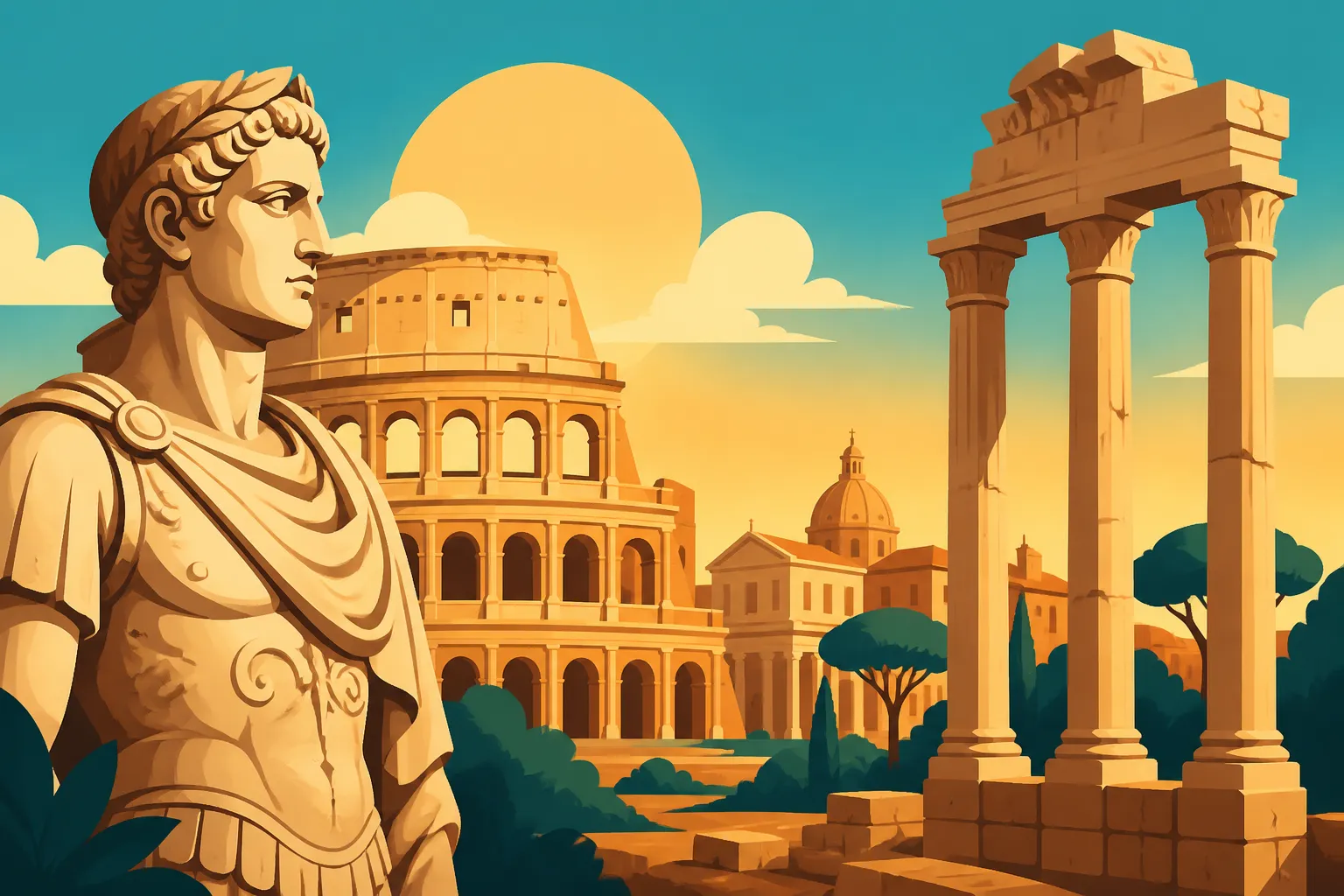
Ah, the Colosseum. You’ve seen it in movies, on postcards, and probably dreamt of standing within its ancient walls. Let me tell you, it lives up to the hype. This iconic amphitheater, officially known as the Flavian Amphitheatre, was commissioned by Emperor Vespasian and completed by his son Titus in 80 AD. It's a marvel of Roman engineering, capable of seating an estimated 50,000 to 80,000 spectators, all eager to witness gladiatorial contests, animal hunts, mock sea battles, and public executions. Imagine the roar of the crowd, the clash of steel, the sheer spectacle – it was designed to awe and intimidate.
Walking through the Colosseum today, you can almost hear the echoes of those ancient cheers. While much of its original structure has been lost to earthquakes and centuries of stone pilfering (many Renaissance palaces were built with Colosseum stones!), what remains is breathtaking. You can explore the various levels, gaze down into the arena floor, and peer into the hypogeum, the intricate underground network of tunnels and cages where gladiators and wild animals awaited their gruesome fate. Don't rush this part; take time to absorb the engineering and the sheer history. Many tours, especially those booked through platforms like GetYourGuide, offer access to these restricted areas, which is highly recommended for a truly immersive experience. Just be prepared for crowds, especially in peak season; booking tickets well in advance is non-negotiated.
The Roman Forum: The Heart of Ancient Rome
Directly adjacent to the Colosseum, the Roman Forum is less about a single grand structure and more about a sprawling archaeological landscape. This was the vibrant epicenter of daily life in Ancient Rome – the marketplace, the seat of justice, the bustling hub of political, religious, and commercial activity. It's where emperors paraded, senators debated, and citizens gathered. When you step into the Forum, you’re not just seeing ruins; you’re walking through the very foundations of Western civilization.
The Forum can feel like a jumble of broken columns and scattered stones at first glance, but with a good map or a knowledgeable guide, it truly comes alive. You'll see the Vestal Virgins' House, where sacred fires were tended, the imposing remains of the Basilica of Maxentius and Constantine, and the Arch of Septimius Severus, a grand monument to military triumph. Don't miss the Curia Julia, the ancient Senate House, or the Temple of Saturn, whose imposing columns still stand. It's a place where every crumbled brick has a story, a testament to the rise and fall of empires. The beauty of the Forum is in its openness; you can wander for hours, letting your imagination reconstruct the vibrant city that once stood here.
Palatine Hill: Where Rome Began
Overlooking the Roman Forum and the Circus Maximus, Palatine Hill is a deeply significant site, often included in the same ticket as the Colosseum and Forum. This is widely considered to be the most ancient part of Rome, the very place where, according to legend, Romulus founded the city after slaying his brother Remus. Later, it became the exclusive residential area for Rome’s emperors and elite. The word "palace" itself derives from "Palatine."
As you ascend the hill, you'll find panoramic views that are simply unparalleled. From here, you can gaze down upon the vastness of the Roman Forum on one side and the immense oval of the Circus Maximus on the other. The Palatine is dotted with the remnants of grand imperial residences, such as the Domus Augustana and the Flavian Palace, whose foundations and intricate brickwork hint at their former splendor. You can still see fragments of stunning frescoes and ornate floor mosaics. It's a quieter, more contemplative space than the bustling Forum, offering a chance to escape the crowds while immersing yourself in history. It's also a fantastic spot for a picnic with a view, if you plan your visit right. For more insights into planning a trip, be sure to check out our guide on Travel Logistics in Italy: Money, Safety, and Connectivity.
Beyond the Forum: Imperial Power and Daily Life
Ancient Rome wasn't just about the Forum and Colosseum. The city was a vast metropolis, filled with public buildings, sprawling markets, opulent baths, and residential complexes that showcased the power and ingenuity of its rulers. Stepping away from the most famous landmarks reveals equally fascinating layers of history, often with fewer crowds. These sites offer a glimpse into the everyday lives of Romans, from their shopping habits to their bathing rituals.
Trajan's Forum and Market: A Shopping Mall of Antiquity
Just north of the Roman Forum lies Trajan's Forum, the last and grandest of Rome's Imperial Fora, built by Emperor Trajan with the spoils of his Dacian wars. It was an astonishing complex, featuring a vast public square, a magnificent basilica (Basilica Ulpia), two libraries, and Trajan's Column, which still stands tall today, depicting the emperor's military victories in intricate detail. This forum was not merely a political space; it was a testament to Rome's engineering prowess and imperial wealth.
Adjacent to the forum is Trajan's Market, often considered the world's first shopping mall. This multi-level complex housed over 150 shops and offices, selling everything from exotic spices to fresh produce. Imagine a bustling Roman version of your local market, but grander. Walking through its arched brick passages and vaulted halls, you can envision vendors hawking their wares and citizens going about their daily errands. The market structure itself is remarkably well-preserved, showcasing advanced architectural techniques that allowed for natural light and air circulation. It’s a wonderful place to explore, giving you a tangible sense of ancient Roman urban life that can be harder to grasp in the more fragmented ruins of the main Forum.
Domus Aurea: Nero's Golden House
Ah, Emperor Nero, a figure as infamous as he was flamboyant. After the Great Fire of Rome in 64 AD, Nero seized a massive portion of the devastated city center to construct his extravagant personal residence, the Domus Aurea, or "Golden House." This wasn't just a house; it was a sprawling palace complex with gardens, vineyards, artificial lakes, and even wild animals, all beneath elaborate golden ceilings. Its sheer opulence and scale infuriated the Roman populace and contributed to Nero's downfall.
Today, the Domus Aurea is largely underground, having been deliberately filled in and built over by subsequent emperors seeking to erase Nero's memory. This act of condemnation ironically preserved its stunning frescoes and architectural features. Visits are often limited and require guided tours, which are well worth it for the opportunity to see the lavish decorations and learn about the advanced engineering and artistic techniques used. The immersive experience, sometimes augmented with virtual reality, allows you to glimpse the grandeur of Nero's vision. It’s a fascinating, slightly eerie experience to walk through the subterranean halls of what was once the most decadent palace in the world. Always check current visiting restrictions and book far in advance for this unique site.
Baths of Caracalla: Ancient Spa and Social Hub
The Baths of Caracalla, completed in the early 3rd century AD, were far more than just a place to bathe. They were a sprawling public recreation and social complex, a true testament to the Roman obsession with hygiene, leisure, and community. Covering an area of roughly 33 acres, these baths could accommodate up to 1,600 bathers at a time and featured a full range of facilities: hot and cold baths, swimming pools, gymnasiums, libraries, gardens, art galleries, and even shops. It was a place to see and be seen, to exercise, socialize, read, and relax.
Even in their ruined state, the Baths of Caracalla are incredibly impressive. The sheer scale of the remaining brick walls and arches gives a powerful sense of the massive vaulted ceilings and grand halls that once stood. Imagine the marble cladding, the intricate mosaics (some of which are now in museums like the Museo Nazionale Romano), and the magnificent statues that adorned this space. Walking through the ruins, you can trace the path of a Roman citizen’s daily routine – from the frigidarium (cold bath) to the tepidarium (warm bath) and the caldarium (hot bath). It’s a peaceful, evocative site, especially beautiful at sunset, and it offers a powerful connection to the sophisticated public life of ancient Romans. Consider booking accommodations nearby on platforms like Booking.com if you want to explore this area thoroughly.
Temples, Pantheon, and Sacred Spaces
Religious devotion was a cornerstone of ancient Roman life, influencing everything from politics to daily rituals. The city was dotted with countless temples, shrines, and sacred sites dedicated to a vast pantheon of gods and goddesses. Exploring these places offers a window into the spiritual beliefs and architectural ingenuity of the Romans, showcasing their reverence for the divine and their mastery of construction.
The Pantheon: A Dome of Divine Engineering
The Pantheon is, without a doubt, one of Ancient Rome's most perfectly preserved and awe-inspiring structures. Originally built as a temple to all gods (Pan for 'all', theon for 'gods'), it was later consecrated as a Christian church, which is largely responsible for its incredible state of preservation. Stepping inside, you’re immediately struck by the massive, unreinforced concrete dome – a feat of engineering that remained unsurpassed for over a millennium. The central oculus, an open circular hole at the dome's apex, is the building's only source of natural light, creating a dramatic, ethereal beam that moves across the interior throughout the day.
This temple showcases Rome's innovative use of concrete and its understanding of geometry. The diameter of the dome is exactly equal to the height of the interior, meaning a perfect sphere could fit within its walls. The effect is profoundly moving, inviting contemplation and wonder. Despite its name, the Pantheon feels less like a traditional temple and more like a sacred, cosmic space. It stands as a testament not only to Roman architectural genius but also to the enduring power of human creativity. Remember, it's still an active church, so dress respectfully, and be aware of mass schedules. Our guide on Italian Customs, Etiquette, and Social Life provides more tips on appropriate behavior in sacred sites.
Temples of Hercules Victor and Portunus: Early Roman Architecture
While the grandeur of the Colosseum and Pantheon often steal the spotlight, the temples in the Forum Boarium (ancient cattle market) offer a glimpse into an earlier phase of Roman architecture and religious practice. Here you’ll find two particularly notable and well-preserved structures: the Temple of Hercules Victor and the Temple of Portunus. These temples stand out for their distinct styles and historical significance, contrasting with the later, more massive imperial constructions.
The Temple of Hercules Victor, a circular structure dating back to the 2nd century BC, is often mistaken for a Vestal Temple due to its shape. Built of Greek marble, it reflects Hellenistic influences in its design, with graceful Corinthian columns encircling its cella. Nearby, the Temple of Portunus, dedicated to the god of harbors, is a rectangular temple from the 1st century BC. It showcases a blend of Greek and Etruscan architectural elements, with its Ionic columns and a frontal staircase leading to a deep portico. Both temples were later converted into Christian churches, saving them from ruin and offering a fascinating insight into Rome's evolving religious landscape. They are a stark, beautiful reminder of Rome's earliest monumental structures, standing proudly in a city that continually rebuilt itself over centuries.
Largo di Torre Argentina: Cat Sanctuary and Republican Ruins
Largo di Torre Argentina is one of those wonderfully Roman surprises that blends ancient history with quirky modern life. Right in the heart of the city, this sunken archaeological area is home to the ruins of four Republican-era temples and the remnants of Pompey's Theatre. More famously, however, it is now a beloved sanctuary for hundreds of Rome’s stray cats. It’s a delightful sight to see feline residents lounging atop ancient altars, adding a unique charm to the historical site.
Historically, this site holds a chilling significance: it’s believed to be the exact spot where Julius Caesar was assassinated on the Ides of March in 44 BC, near the Curia of Pompey’s Theatre. While you can't walk among the ruins (it’s fenced off for preservation and, well, the cats), viewing it from the street level offers a fantastic perspective. Information boards explain the history of each temple and the theater complex. It's a perfect spot for a break, to watch the cats, and to contemplate a pivotal moment in Roman history. It’s a vivid example of how history and daily life intersect so profoundly in Rome, where past and present coexist in unexpected harmony.
Engineering Marvels and Public Works
Ancient Rome wasn't just about grand buildings and powerful rulers; it was also a city built on an unparalleled understanding of engineering. The Romans mastered infrastructure, creating systems that supported a massive urban population and enabled their empire to thrive. From intricate water supply networks to expansive road systems and colossal entertainment venues, their public works were true testaments to their ingenuity and organizational skills.
Aqua Claudia and Roman Aqueducts: Bringing Water to the City
One of the most impressive feats of Roman engineering was their vast network of aqueducts, designed to supply the city with fresh water from distant springs and rivers. The Aqua Claudia, begun by Emperor Caligula and completed by Emperor Claudius in 52 AD, is a prime example of this genius. Stretching over 69 kilometers, with significant portions running on impressive arched structures, it brought vast quantities of clean water to Rome's public baths, fountains, and private homes.
Today, you can still see the magnificent arches of the Aqua Claudia, particularly in the Parco degli Acquedotti (Aqueduct Park) on the outskirts of Rome. Walking among these colossal stone structures, some reaching over 27 meters in height, gives you a profound appreciation for the scale of Roman ambition and their practical approach to urban planning. These aqueducts weren't just functional; they were also aesthetically grand, a visible symbol of Rome's power and ability to tame nature. It's a fantastic place for a leisurely walk or bike ride, offering a different perspective on Roman engineering away from the city center's hustle and bustle. Getting to the park might require a bit of local public transport, so brush up on Public Transportation in Italian Cities: A Guide.
Circus Maximus: Chariot Races and Mass Entertainment
Nestled between the Palatine and Aventine Hills, the Circus Maximus was Rome's largest and most famous chariot racing stadium. While today it appears as a vast, grassy oval depression, in its heyday, it was a colossal entertainment venue, capable of seating an estimated 150,000 to 250,000 spectators. Imagine the roar of the crowd, the thundering hooves of the horses, the vibrant colors of the chariots, and the intense rivalry between the different factions (Greens, Blues, Reds, and Whites). This was the ultimate mass entertainment in Ancient Rome.
While no original structures remain standing, the sheer size and shape of the Circus Maximus still evoke its past glory. You can walk along the ancient track, envisioning the races that took place there, and climb the Palatine Hill for an incredible panoramic view of the entire site. It's a popular spot for locals to jog, picnic, or simply relax. During major events or concerts, it occasionally transforms back into a modern-day arena. It’s a space where you truly feel the echoes of massive crowds and the imperial desire to keep the populace entertained, reminding us that even in ancient times, the power of spectacle was undeniable.
Via Appia Antica: The Queen of Roads
The Appian Way, or Via Appia Antica, is one of the oldest and most strategically important Roman roads, often called the "Regina Viarum" or "Queen of Roads." Begun in 312 BC by Appius Claudius Caecus, it connected Rome to Brindisi on the southeastern coast, serving as a vital military and trade route. Today, a significant portion of the original cobblestone road remains remarkably preserved, lined with ancient tombs, catacombs, and monuments.
Exploring the Via Appia Antica offers a unique experience, a journey back in time through a tranquil, green landscape just outside the bustling city. You can rent a bike or simply walk along the ancient stones, passing by the Tomb of Cecilia Metella, the Catacombs of Callixtus and Domitilla, and the remains of imperial villas. It's a stark contrast to the urban ruins, providing a sense of how Rome connected its vast empire. Visiting the Via Appia can easily fill half a day or more, especially if you combine it with a visit to one of the catacombs. It's a genuinely immersive way to connect with Rome's engineering, funerary customs, and its expansive reach. Consider an Omio connection for travel to other parts of Italy after your Roman adventures.
Tips for Visiting Ancient Rome: Navigating the Past
Okay, so you’re geared up to explore these incredible sites. But let’s be real, navigating Rome's ancient wonders can be a bit of a labyrinth. From dodging crowds to deciphering ticket options and simply getting from one historical gem to the next, a little planning goes a long way. This section is all about arming you with the practical know-how to make your ancient Roman adventure as smooth and enjoyable as possible.
Planning Your Visit: Tickets, Tours, and Timing
The key to a stress-free visit to Ancient Rome lies in meticulous planning. First off, for the Colosseum, Roman Forum, and Palatine Hill, always book your tickets online and in advance. Seriously, do not show up without them, especially during peak season (spring, summer, and early autumn). Waiting in line can easily eat up hours of your precious vacation time. Many official sites and reputable tour operators, like GetYourGuide, offer skip-the-line options, combined tickets, and guided tours, which can be invaluable. A good guided tour can bring the ruins to life, providing context and stories that you might miss otherwise.
Consider purchasing the Roma Pass or OMNIA Vatican & Rome Pass if you plan to visit multiple attractions and use public transport extensively; do your math to see if it makes economic sense for your itinerary. As for timing, try to visit the outdoor sites like the Roman Forum and Palatine Hill early in the morning or late in the afternoon to avoid the midday sun and the thickest crowds. The Colosseum, being partially enclosed, can be visited at any time, but again, earlier is always better. Also, remember that many museums and sites close on Mondays, so plan accordingly. For more guidance on optimizing your trip, explore Seasonal Italy: When to Visit and What's On.
Getting Around: Public Transport and Walking
Rome is a very walkable city, especially in the historic center, but Ancient Rome is vast, and you’ll be covering significant distances. Comfortable shoes are an absolute must – those cobblestones are charming but unforgiving! For longer distances or when your feet need a break, Rome’s public transport system is your friend. The Metro (lines A and B) is efficient for connecting major hubs. The Colosseo Metro stop (Line B) drops you right at the Colosseum. Buses and trams also crisscross the city, though they can be slower due to traffic.
Using a navigation app like Google Maps or Citymapper is highly recommended for real-time public transport information. Taxis are available but can be expensive. Ride-sharing apps like Uber operate but are often limited to higher-end services. For those looking for a different experience, electric scooters and bike rentals are increasingly popular ways to explore. Just be mindful of Rome’s notorious traffic and sometimes narrow sidewalks. Always have some coins for bus tickets if you haven't purchased a pass, and remember to validate your ticket once on board. For city-to-city travel, train booking apps like Omio are a lifesaver for navigating Italy's extensive rail network.
Where to Stay and What to Expect
When it comes to accommodation, Rome offers a huge range of options. If your primary focus is Ancient Rome, staying in areas like Monti, Celio, or even near Termini Station (for convenience and transport links) puts you within easy walking distance or a short metro ride to many key sites. These neighborhoods also offer a great mix of local charm, excellent restaurants, and evening buzz. Use platforms like Booking.com to compare hotels, B&Bs, and apartment rentals that suit your budget and preferences.
Expect crowds, especially at the major sites. Rome is a popular destination, and ancient history draws visitors from all corners of the globe. Patience is a virtue, and maintaining a good sense of humor will serve you well. Be prepared for security checks at major attractions, particularly at the Colosseum and Vatican. It’s also wise to stay vigilant against pickpockets, especially in crowded tourist areas and on public transport. Always carry a small backpack or cross-body bag securely. Finally, remember to stay hydrated, especially during the hotter months – there are plenty of nasoni (public drinking fountains) throughout the city, offering fresh, cold water. For a deeper dive into finding the perfect place to lay your head, our guide on Choosing the Best Neighborhood in Italy’s Major Cities can be helpful.
| Ancient Rome Site | Location/Area | Avg. Visit Time | Best Time to Visit | Key Highlight | Typical Cost (Entry) |
|---|---|---|---|---|---|
| Colosseum | Central Rome | 2-3 hours | Early morning/Late afternoon | Gladiator Arena, Imperial History | €18 (Standard) |
| Roman Forum | Adjacent to Colosseum | 2-4 hours | Early morning/Late afternoon | Heart of Ancient Rome, Political & Commercial Hub | Included with Colosseum |
| Palatine Hill | Overlooking Forum & Circus Maximus | 1-2 hours | Early morning/Late afternoon | Imperial Residences, Panoramic Views | Included with Colosseum |
| Trajan's Market & Forum | Via dei Fori Imperiali | 1.5-2.5 hours | Mid-morning | World's First Shopping Mall, Trajan's Column | €14 (Market Museum) |
| Baths of Caracalla | South of Colosseum | 1.5-2.5 hours | Late afternoon | Grand Imperial Baths, Scale of Roman Leisure | €10 (Standard) |
| The Pantheon | Piazza della Rotonda | 0.5-1 hour | Early morning | Unreinforced Concrete Dome, Oculus | Free |
| Via Appia Antica | Southeastern Outskirts of Rome | 3-5 hours (with travel) | Morning/Late afternoon | Ancient Roman Road, Tombs, Catacombs | Free (site), Catacombs extra |
Note: Prices are approximate and subject to change. Always check official websites for the most current information and booking details.
Disclaimer
Please note that while we strive to provide the most accurate and up-to-date information, circumstances in Italy, including opening hours, ticket prices, and local regulations, can change without prior notice. We recommend checking official websites and resources before making any definitive plans for your visit. This guide is for informational purposes only and does not constitute official advice.