Choosing the Best Neighborhood in Italy’s Major Cities
Discover how to choose the perfect neighborhood in Italy’s major cities. From the historic streets of Rome and Florence to the bustling districts of Milan and Naples, explore the best areas for expats based on budget, lifestyle, and transportation.
Disclosure: This post may contain affiliate links. We may earn a commission at no extra cost to you if you make a purchase through these links. Read full disclosure.
Introduction
In Italy, a neighborhood is much more than just a collection of streets and apartment buildings. Known locally as a “quartiere” or “rione,” a neighborhood is a distinct community with its own unique identity, local traditions, and daily rhythms. The area you choose to call home will dictate where you buy your morning espresso, how you commute to work or language classes, and the overall pace of your everyday life.
Many expatriates make the mistake of renting an apartment based solely on beautiful photos or proximity to famous tourist attractions, only to realize later that living next to a major monument means dealing with relentless crowds, inflated grocery prices, and late-night noise. The reality of living in Italy requires a careful balance between romantic aesthetics and practical necessities. You need a neighborhood that aligns with your budget, offers convenient access to public transportation, and provides the lifestyle you desire—whether that is a vibrant nightlife scene, a quiet family-friendly park, or a bohemian artistic enclave.
Navigating the local real estate market from afar can be incredibly daunting, especially when every city has dozens of distinct districts. This comprehensive guide will explore the most popular and livable neighborhoods across Italy’s major cities, including Rome, Milan, Florence, Naples, Turin, and Bologna. We will break down the pros and cons of each area, helping you make an informed decision and ensuring your transition to the Italian lifestyle is as seamless and enjoyable as possible.
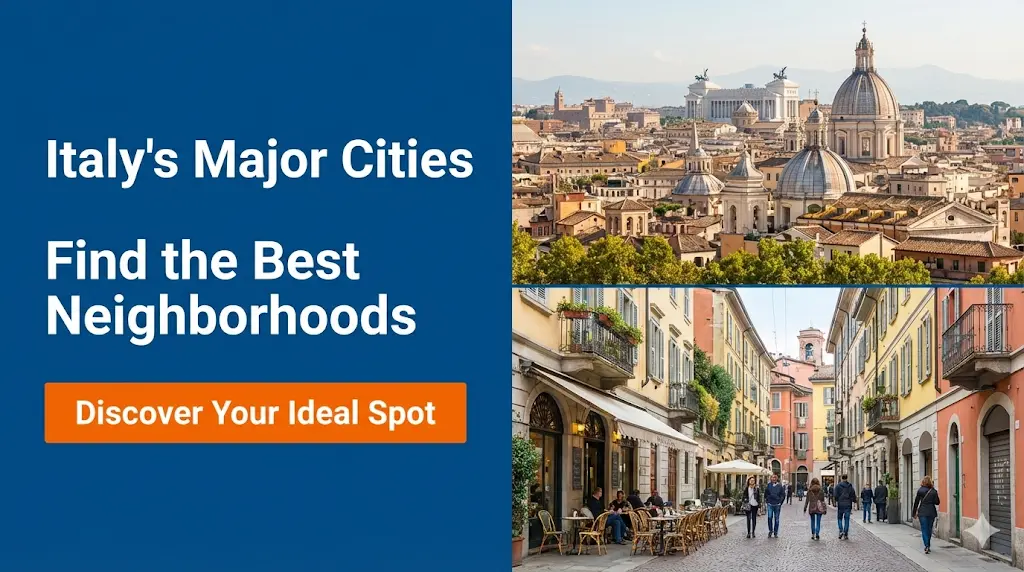
Crucial Factors to Consider When Selecting an Area
Before diving into the specific cities and their respective districts, it is essential to establish a framework for your neighborhood search. What works perfectly for a young digital nomad might be a nightmare for a family relocating with young children. Consider the following factors carefully before signing a lease.
Budget and Rental Costs
Your monthly housing budget will be the primary filter for your neighborhood search. In major Italian cities, rent prices fluctuate wildly depending on how close you are to the historic center. Areas favored by expats and tourists command premium prices, while residential neighborhoods just a few metro stops away offer significantly better value for money. When calculating your budget, remember to factor in condominium fees and utility costs, which can vary based on the age and energy efficiency of the building. For a deep dive into forecasting your expenses, review our detailed guide on Cost of Living in Italy 2026: Budgeting for Expats.
Commute and Public Transit
Italy’s urban centers were built centuries before the invention of the automobile. Consequently, driving and parking in city centers can be incredibly stressful, and many historic areas enforce strict Limited Traffic Zones. Your proximity to reliable public transportation is paramount. When evaluating a neighborhood, check its distance to metro stations, tram lines, or major bus routes. A beautiful apartment located on a picturesque but isolated hill might quickly lose its charm if you face a grueling daily commute. To understand how to navigate these systems, consult our article on Public Transportation in Italian Cities: A Guide.
Lifestyle and Atmosphere
Are you looking for a quiet, tree-lined street where you can sleep soundly with the windows open, or do you prefer stepping out your front door directly into a bustling piazza filled with cafes and wine bars? The atmosphere of a neighborhood dictates your social life. University districts offer cheap eats and energetic nightlife, whereas upscale residential areas offer manicured parks and high-end boutiques.
Safety and Expat Communities
Italy is generally a very safe country with low rates of violent crime, but like any major global destination, certain areas around central train stations can feel gritty or be prone to petty theft. Additionally, consider how deeply you want to immerse yourself in the local culture versus having an established expat community nearby. Some neighborhoods have a high concentration of international residents, making it easier to make English-speaking friends and find familiar amenities.
Rome The Eternal City and Its Distinct Districts
Rome is a sprawling, magnificent metropolis divided by the Tiber River. Its neighborhoods range from chaotic, history-drenched alleys to elegant, modern avenues.
Trastevere
Located across the river from the historic center, Trastevere is perhaps Rome’s most famous neighborhood. Characterized by ivy-draped terracotta buildings, narrow cobblestone streets, and a vibrant bohemian energy, it is a favorite among expats, students, and tourists.
- The Vibe: Energetic, artistic, and deeply romantic. It comes alive at night with countless trattorias, pubs, and street performers.
- The Drawbacks: It can be extremely noisy at night, and it lacks a direct metro connection, meaning you must rely on trams and buses to reach other parts of the city.
Prati
Situated just north of the Vatican, Prati offers a stark contrast to the winding streets of the historic center. It was built in the late 19th century and features wide, tree-lined boulevards laid out in a grid pattern.
- The Vibe: Elegant, professional, and affluent. It is a hub for lawyers and corporate professionals, offering high-end shopping on Via Cola di Rienzo and excellent dining.
- The Drawbacks: It is more expensive and lacks the quintessential “ancient Rome” aesthetic, feeling more modern and European.
Testaccio
Historically the working-class meatpacking district of Rome, Testaccio has evolved into the city’s undisputed culinary heart while retaining its authentic, gritty charm.
- The Vibe: Authentic Roman. It is less touristy than Trastevere but offers an incredible local food market, traditional Roman restaurants, and a thriving nightlife scene built into the side of an ancient artificial hill of discarded pottery.
- The Drawbacks: The architecture is more utilitarian, and the nightlife can still bring weekend noise.
Parioli
If you are moving to Rome with a family or seeking absolute tranquility, Parioli is the premier choice. Located north of the center, it is Rome’s most exclusive residential neighborhood.
- The Vibe: Quiet, green, and luxurious. It borders the massive Villa Borghese park and is home to numerous foreign embassies and international schools.
- The Drawbacks: It is expensive, highly residential, and disconnected from the metro system. A car or reliance on slower buses is often necessary here.
Monti
Monti is the trendy, hipster neighborhood located incredibly close to the Colosseum and the Roman Forum.
- The Vibe: Chic and central. It is filled with vintage clothing stores, artisan boutiques, and hip wine bars. It attracts a young, creative crowd and well-heeled expats.
- The Drawbacks: Because of its extreme centrality, apartments are often small, expensive, and tucked into older buildings without elevators.
Milan The Modern Metropolis of the North
Milan operates at a completely different pace than the rest of Italy. It is the financial and fashion capital, known for its efficiency, modernity, and international outlook. The city is laid out in concentric ring roads radiating from the iconic Duomo.
Brera
Often described as the Montmartre of Milan, Brera is the historic artistic quarter, home to the famous Pinacoteca di Brera art gallery.
- The Vibe: Sophisticated, pedestrian-friendly, and breathtakingly beautiful. It is filled with design showrooms, upscale cafes, and cobblestone streets.
- The Drawbacks: It is one of the most expensive neighborhoods in Italy. Securing a long-term rental here requires a substantial budget.
Navigli
Named after the historic canal system designed with the help of Leonardo da Vinci, the Navigli district is the epicenter of Milanese nightlife and youth culture.
- The Vibe: Lively, picturesque, and social. It is the best place in the city for the traditional Milanese “aperitivo.” The area attracts young professionals, models, and international students.
- The Drawbacks: The weekends bring massive crowds to the canal banks, making it noisy and crowded. Additionally, the dampness from the canals can increase the summer humidity and winter fog.
Porta Venezia
Porta Venezia is arguably Milan’s most diverse and dynamic neighborhood. It blends historic 19th-century architecture with a modern, inclusive culture.
- The Vibe: Cosmopolitan, LGBTQ+ friendly, and bustling. It features the beautiful Indro Montanelli public gardens, excellent international cuisine, and great shopping along Corso Buenos Aires.
- The Drawbacks: The main thoroughfares are heavily congested with traffic, though the side streets remain relatively peaceful.
Isola
Isola, meaning “island,” was historically isolated from the rest of the city by train tracks. Today, it has undergone massive urban regeneration and is the symbol of modern Milan, sitting in the shadow of the Bosco Verticale (Vertical Forest) skyscrapers.
- The Vibe: Trendy, futuristic, and rapidly gentrifying. It blends a working-class history with ultra-modern architecture, offering great restaurants, jazz clubs, and an easy commute to the corporate headquarters in Porta Nuova.
- The Drawbacks: Rent prices have skyrocketed due to the area’s newfound popularity, making it less affordable than it was a decade ago.
Città Studi
As the name suggests, this is the “City of Studies,” home to the Politecnico di Milano and numerous science faculties.
- The Vibe: Academic, green, and affordable. It is a fantastic option for students and young expats on a tighter budget. It has a localized, neighborhood feel with plenty of affordable pizzerias and casual bars.
- The Drawbacks: It is farther from the city center and lacks the glamorous aesthetics of neighborhoods like Brera.
Florence The Renaissance Capital
Florence is much smaller and more walkable than Rome or Milan. The city is bisected by the Arno River, and deciding which side of the river you want to live on is the primary choice for any prospective resident.
Centro Storico Duomo and Signoria
This is the heart of the Renaissance, encompassing the areas immediately surrounding the Duomo, Piazza della Signoria, and the Uffizi Gallery.
- The Vibe: Visually stunning and historically unparalleled. You live among the greatest masterpieces of Western art.
- The Drawbacks: This area is completely overrun by tourists year-round. Everyday amenities like standard grocery stores are scarce, replaced by expensive tourist traps. It is incredibly difficult to live here long-term due to the crowds and high rents.
Oltrarno Santo Spirito and San Frediano
The Oltrarno, literally “across the Arno,” is the artisan heart of Florence and the most highly recommended area for expats looking for an authentic Florentine experience.
- The Vibe: Bohemian, local, and incredibly charming. Neighborhoods like Santo Spirito are filled with traditional workshops, fantastic local eateries, and a vibrant piazza culture where locals gather every evening.
- The Drawbacks: Rents have increased as the area has become trendier, and some streets can be noisy late at night.
Campo di Marte
Located just outside the historic center to the east, Campo di Marte is a highly sought-after residential district.
- The Vibe: Peaceful, spacious, and family-oriented. This area features wider streets, modern apartment buildings with elevators, and proximity to parks and the city’s main sports stadium.
- The Drawbacks: It lacks the historic, cobblestone charm of the center, and you will need to take a bus or bike to reach the main cultural attractions.
San Marco and San Lorenzo
Located in the northern part of the historic center, this area borders the university and several major museums.
- The Vibe: Intellectual and lively. It strikes a good balance between historic charm and local livability, with an abundance of students, affordable cafes, and local markets like the Mercato Centrale.
- The Drawbacks: The areas closest to the central train station (Santa Maria Novella) can feel slightly chaotic and less clean at night.
Naples The Soul of the South
Naples is intense, passionate, and beautifully chaotic. It offers an incredibly affordable cost of living compared to the north, but requires a neighborhood that provides a sanctuary from the bustling streets.
Vomero
Vomero is a wealthy, residential neighborhood perched on a hill overlooking the city and the Bay of Naples.
- The Vibe: Upscale, relaxed, and elegant. It offers wide pedestrian shopping streets, tree-lined avenues, and a distinctly calmer pace than the city below. It is connected to the center by three funicular railways and the metro.
- The Drawbacks: It is completely removed from the gritty, raw authenticity of street-level Naples, and the commute down the hill can take time if public transit is delayed.
Chiaia
Chiaia is the affluent seaside district of Naples, stretching along the waterfront.
- The Vibe: Luxurious and scenic. It features high-end boutiques, beautiful historic palazzos, and the picturesque Caracciolo seafront promenade. It is widely considered one of the safest and most beautiful areas in the city.
- The Drawbacks: It is the most expensive neighborhood in Naples, with rental prices rivaling those in central Rome.
Centro Storico
The historic center of Naples is a UNESCO World Heritage site, famous for its narrow alleys, hanging laundry, and the best pizza on earth.
- The Vibe: Utterly vibrant, loud, and steeped in tradition. Living here means immersing yourself in the rawest, most authentic version of Southern Italy.
- The Drawbacks: It is incredibly chaotic. The streets are narrow, dark, and often noisy. Scooters weave through pedestrian areas constantly, which can be exhausting for those seeking peace and quiet.
Turin and Bologna Northern Gems
While Rome, Milan, Florence, and Naples dominate the expat imagination, mid-sized northern cities like Turin and Bologna offer an exceptional quality of life, often with less tourist congestion and more authentic integration opportunities.
Turin An Elegant Grid
Turin, the former royal capital of Italy, features wide boulevards and a grid layout reminiscent of Paris.
- Crocetta: The most prestigious and elegant residential neighborhood, characterized by Art Nouveau architecture, quiet streets, and a famous local market. Perfect for families and professionals.
- San Salvario: Located near the main train station and Valentino Park, this is a highly diverse, energetic neighborhood known for having the best nightlife and international dining in the city. It is ideal for young expats.
- Quadrilatero Romano: The historic heart of Turin, featuring pedestrian-only streets, Roman ruins, and a chic, sophisticated atmosphere.
Bologna The Culinary Capital
Bologna is renowned for its food, its left-leaning politics, and its massive student population driven by the oldest university in the Western world.
- Centro Storico: The walled city center is defined by miles of covered porticoes. Living here means being surrounded by incredible architecture and vibrant student energy.
- Bolognina: Located just behind the train station, Bolognina (Little Bologna) is a rapidly gentrifying, multicultural district that is becoming the hip, alternative heart of the city, offering excellent value for rent.
- Colli (The Hills): The affluent residential area nestled in the green hills just south of the city center. It offers sprawling villas, incredible views, and absolute silence, but requires a car for daily life.
To explore how these cities compare on a macro level regarding climate, geography, and overall economic opportunities, read our comprehensive overview on Living in Italy: Finding Your Ideal City or Region.
Understanding the Italian Real Estate Market
Regardless of which city or neighborhood you choose, renting an apartment in Italy involves navigating specific bureaucratic procedures. Most leases are heavily regulated by the government, offering strong tenant protections but requiring significant upfront commitments.
When viewing apartments, pay close attention to whether the property is arredato (furnished) or vuoto (unfurnished). In Italy, an unfurnished apartment often means it lacks a kitchen entirely—no cabinets, no sink, and no appliances. Furthermore, always ask the real estate agent about the spese condominiali (condominium fees), which can add hundreds of euros to your monthly budget for building maintenance and central heating.
To ensure you understand the legal terminology, lease durations, and the role of real estate agencies, we strongly advise reading The Ultimate Guide to Renting and Buying a Home in Italy before you begin scheduling property viewings.
Table Comparing Major Italian Neighborhoods
To help you synthesize your options, use this quick-reference table comparing the distinct vibes and ideal demographics of the neighborhoods discussed above.
| City | Neighborhood | Primary Vibe | Relative Cost | Best Suited For |
| Rome | Trastevere | Bohemian, vibrant, historic | High | Young expats, digital nomads, creatives |
| Rome | Parioli | Quiet, elegant, green | Very High | Families, diplomats, retirees |
| Milan | Navigli | Social, energetic, scenic | High | Students, young professionals |
| Milan | Città Studi | Academic, localized, practical | Moderate | University students, budget-conscious expats |
| Florence | Oltrarno | Artisan, authentic, charming | High | Culture lovers, long-term expats |
| Naples | Vomero | Upscale, panoramic, calm | Moderate-High | Professionals, families seeking safety |
| Turin | San Salvario | Diverse, nightlife-heavy | Moderate | Young adults, nightlife enthusiasts |
| Bologna | Bolognina | Hip, multicultural, changing | Moderate | Creatives, budget-conscious expats |
Conclusion
Choosing the right neighborhood in Italy is a delicate balancing act between your romantic dreams of the Mediterranean lifestyle and the practical requirements of your daily routine. A neighborhood that is perfect for a weekend vacation might be exhausting to live in year-round, while a quiet residential district might feel too isolated if you are hoping to build a vibrant social life.
The best strategy for any prospective expat is to rent a temporary Airbnb or short-term apartment upon arrival. Spend your first few weeks walking the streets of different quartieri at various times of the day. Visit the local markets, observe the morning coffee rush, test the commute to your office or university, and listen to the ambient noise levels at night. By immersing yourself in the physical reality of these districts, you will intuitively discover the neighborhood that feels most like home, ensuring your transition to life in Italy is a resounding success.
References
Primary sources (official)
- ISTAT (Italian National Institute of Statistics) – Demographic data and urbanization statistics: https://www.istat.it/en/
- Agenzia delle Entrate – Guidelines on residential rental contracts and taxation for foreigners: https://www.agenziaentrate.gov.it/portale/web/english
Other helpful sources
- Idealista – Italian real estate portal with neighborhood price trends and rental listings: https://www.idealista.it/en/
- Wanted in Rome – Expat community news, neighborhood guides, and housing tips for the capital: https://www.wantedinrome.com/
Disclaimer
The information provided in this article is for educational and informational purposes only and does not constitute official real estate, financial, or legal advice. Rental prices, neighborhood dynamics, and public transportation routes in Italian cities are subject to continuous change. Always conduct your own independent research, visit neighborhoods in person if possible, and consult with licensed Italian real estate professionals before signing a lease or committing to a property purchase.