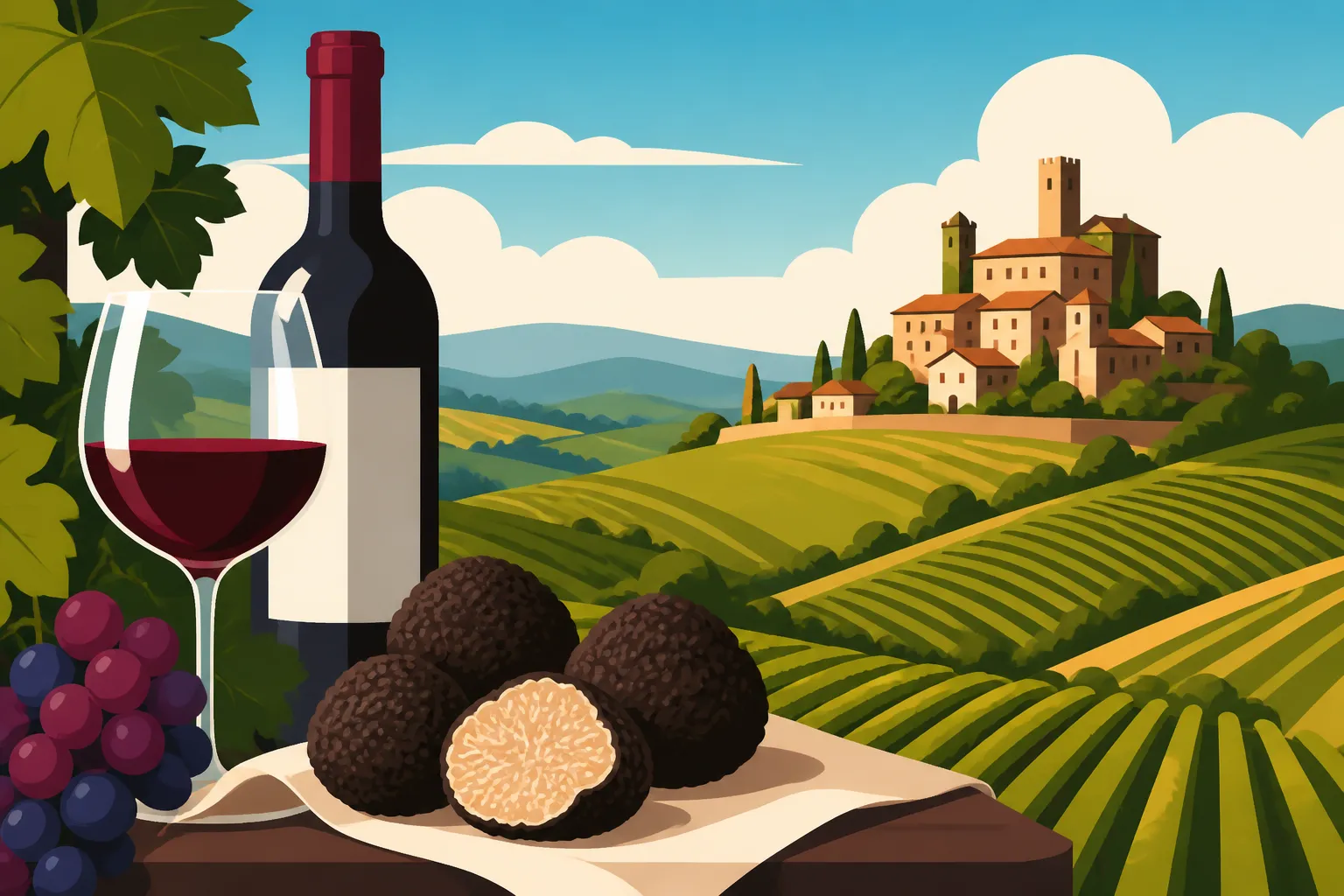
Piedmont: Wine, Truffles, and the Langhe
Ah, Piedmont! If you're anything like I was when I first moved to Italy, you might have heard whispers of Tuscany or the Amalfi Coast, but Piedmont, tucked away in the northwest, often remains a beautiful mystery to many. It's easy to get swept up in the more "Instagrammmed" regions, but in doing so, you'd be missing out on a truly sophisticated, earthy, and utterly delicious slice of Italy. This guide is here to pull back the curtain and show you why this region, with its rolling Langhe hills, world-class wines, and elusive truffles, deserves a top spot on your Italian discovery list.
Disclosure: This post may contain affiliate links. We may earn a commission at no extra cost to you if you make a purchase through these links. Read full disclosure.
Why Piedmont Should Be on Your Italian Itinerary
For years, Piedmont has been the quiet, elegant cousin in the boisterous Italian family, often overshadowed by the more flamboyant regions. But let me tell you, this understated charm is precisely what makes it so special. It’s a place that rewards those who seek depth over dazzle, authenticity over tourist traps.
A Region of Subtle Charms and Rich History
Imagine soaring Alpine peaks providing a dramatic backdrop to gentle, vineyard-clad hills, interspersed with medieval castles and sophisticated baroque cities. That's Piedmont. Unlike the sun-drenched, rustic allure of, say, Umbria, Piedmont possesses a more refined, almost French-influenced elegance. This is, after all, where the House of Savoy reigned for centuries, eventually unifying Italy. You'll feel this regal history in the grand boulevards of Turin, the region's capital, with its stately palaces and arcaded streets, a stark contrast to the more chaotic, ancient beauty of Rome. There's a certain quiet dignity here, a sense that things are done with care and tradition. You won't find bustling crowds pushing for selfies; instead, you'll encounter locals savoring their aperitivo with a knowing smile, proud of their region's bounty. It’s a place that invites you to slow down, to appreciate the details, and to truly live like a local, even if just for a few days. The air itself feels crisp, clean, often carrying the scent of rich earth and fermenting grapes.
The history here isn't just in the grand architecture; it's woven into the very fabric of daily life. From the resilient farming traditions that have shaped the landscape for generations to the slow food movement that originated in Bra, Piedmont is a region that respects its past while embracing a thoughtful, sustainable future. This commitment to quality and heritage is evident in every bite of food, every sip of wine, and every interaction with the people. You'll quickly discover that Piedmont isn't about being seen; it's about experiencing the good life, authentically and without pretension.
The Allure of the Langhe: A UNESCO Landscape
Now, if there's one part of Piedmont that truly steals the show, it's the Langhe. Trust me, even if you’re not a hardcore wine aficionado, the Langhe region will captivate you. Picture this: endless undulating hills, meticulously cultivated with rows of grapevines that change color with the seasons, from vibrant green in spring to fiery reds and golds in autumn. Dotted across this breathtaking panorama are ancient villages, each crowned with a castle or a campanile, seemingly frozen in time. It's so stunning, in fact, that it's been designated a UNESCO World Heritage site, and for very good reason. The UNESCO recognition specifically highlights the cultural landscapes of vineyards, cellars, and villages that demonstrate the deep traditional relationship between man and nature.
The Langhe is not just a pretty face; it’s the heartland of some of Italy's most prestigious wines, particularly Barolo and Barbaresco. But beyond the grape, this area is also legendary for its white truffles, those aromatic subterranean treasures that send gourmands into a frenzy. Visiting the Langhe isn't just about tasting wine or eating truffles; it's an immersive experience in a landscape shaped by centuries of passionate cultivation and an unwavering dedication to gastronomic excellence. The views alone are worth the trip, especially at sunset, when the sky explodes in hues of orange and purple over the vineyards. You can easily spend days simply driving through these hills, stopping at panoramic viewpoints, and letting the beauty wash over you. It's an escape from the frantic pace of modern life, offering a profound connection to the land and its timeless rhythms.
Uncorking Piedmont: A Deep Dive into its Legendary Wines
Piedmont is, without a doubt, one of the world's greatest wine regions. Forget what you think you know about Italian wines; this is where sophistication meets centuries of tradition, resulting in truly extraordinary bottles. Whether you're a seasoned sommelier or just enjoy a good glass, the wines of Piedmont will leave an indelible mark on your palate.
Barolo and Barbaresco: The Kings and Queens of Wine
When we talk about Piedmontese wine, the names Barolo and Barbaresco immediately come to mind. These two are the undisputed royalty, both crafted from the noble Nebbiolo grape. Think of them as complex, powerful, and deeply aromatic wines that demand respect and, often, a good few years in the cellar before they truly shine. Barolo, often called "the King of Wines and the Wine of Kings," hails from a specific area around the town of Barolo. It’s known for its robust tannins, high acidity, and intense aromas of roses, tar, licorice, and cherry. It’s a wine that needs time, often 10-20 years, to fully develop its velvety texture and intricate layers of flavor. Trying a young Barolo can be an exercise in patience; its tannins can be quite aggressive, but with age, it transforms into something truly magnificent. The aging requirements for Barolo are strict, mandating at least 38 months of aging, with 18 of those in wood, before release. For a Riserva, it's even longer, at 62 months, including 18 in wood.
Barbaresco, on the other hand, is often referred to as the "Queen" – slightly more elegant and approachable in its youth, though still incredibly complex and age-worthy. It comes from vineyards in the vicinity of the town of Barbaresco, a bit closer to the Tanaro River, which influences its terroir. While sharing many characteristics with Barolo, Barbaresco tends to have softer tannins and can be enjoyed a bit earlier, though it also benefits greatly from aging. Its aromatic profile often includes similar notes of red fruit and floral tones, but with a nuanced minerality. The aging requirements are slightly less stringent than Barolo, with 26 months of aging required, including 9 in wood, for a standard Barbaresco, and 50 months with 9 in wood for a Riserva. These wines aren't just beverages; they are a profound expression of the land, the climate, and the dedication of generations of winemakers. If you're keen to understand more about the wider world of Italian viticulture, our guide on Italian Wine Regions: A Beginner's Guide offers a fantastic overview.
Beyond Nebbiolo: Barbera, Dolcetto, and Sparkling Surprises
While Nebbiolo might steal the headlines, Piedmont is far from a one-grape region. In fact, some of my favorite everyday Italian wines come from here! Barbera is a fantastic red grape that produces wines with bright acidity, soft tannins, and vibrant cherry and berry fruit flavors. It's much more versatile than Barolo or Barbaresco, often enjoyed young, and pairs beautifully with a wide range of food. You'll find Barbera d'Asti and Barbera del Monferrato, each offering slightly different expressions based on their specific appellation. These are the kinds of wines you'll find on nearly every table in Piedmont, from a humble trattoria to a Michelin-starred restaurant. They offer incredible value and embody the joyful, everyday drinking culture of the region.
Then there's Dolcetto, a grape whose name means "little sweet one," although the wines it produces are typically dry. Dolcetto wines are known for their deep ruby color, soft tannins, and flavors of blackberry, plum, and often a hint of almond on the finish. They're usually consumed relatively young and are perfect for lighter meals. While perhaps less "famous" globally, they are staples locally and offer a delightful contrast to the more robust Nebbiolos.
But wait, there's more! Piedmont is also famous for its sparkling wines. Moscato d'Asti, a lightly sparkling, sweet white wine with low alcohol, is absolutely delightful as an aperitif or with dessert. It bursts with aromas of peach, apricot, and orange blossom. And for something truly celebratory, Asti Spumante offers a fully sparkling, often sweeter, experience. These wines are a testament to the region's diverse viticultural prowess, proving that Piedmont can produce everything from brooding, age-worthy reds to light, frothy, and fun sparkling wines.
Experiencing Wine Country: Tastings, Cellar Tours, and Enotecas
Visiting Piedmont without indulging in a wine tasting is like going to Rome and skipping the Colosseum – simply unthinkable! The region is dotted with hundreds of wineries, from small, family-run operations to larger, more modern estates, each offering a unique experience. My advice? Don't just show up. Always book your tastings and cellar tours in advance, especially during peak seasons like harvest (September-October) or truffle season (October-November). Many smaller producers have limited staff and operate by appointment only. You can often find contact details on their websites or through local tourism offices.
When you book a tasting, you'll typically be guided through the vineyards, delve into the cool, atmospheric cellars to see where the magic happens, and finally, sit down to sample a selection of their wines. Some wineries offer basic tastings, while others provide more in-depth experiences, sometimes even paired with local cheeses or charcuterie. Don't be shy to ask questions; the winemakers are usually incredibly passionate and eager to share their knowledge. Expect a tasting fee, which can range from €15-€50 or more, often waived if you purchase a few bottles. If you're looking for a more formal or curated experience, you might even consider booking a tour through a service like GetYourGuide, which often partners with local experts. Beyond the wineries themselves, you'll find charming enoteche (wine shops) in every town. These are fantastic places to browse a wide selection of local wines, get recommendations from knowledgeable staff, and perhaps discover a hidden gem from a smaller producer. They are also excellent for buying bottles to take home, often at better prices than you'd find outside the region. For further tips on where to go and what to expect when visiting, our article Wine Tasting in Italy: Cantine and Enoteche provides even more detailed guidance.
| Wine Name | Grape Variety | Characteristics | Typical Food Pairing |
|---|---|---|---|
| Barolo | Nebbiolo | Full-bodied, high tannin/acidity, complex, ages well, notes of cherry, tar, rose, licorice. | Red meats, rich stews, truffle dishes, aged cheeses. |
| Barbaresco | Nebbiolo | Medium-full bodied, elegant, often approachable younger than Barolo, notes of red fruit, flowers, spice. | Roast poultry, pasta with meat sauce, medium-aged cheeses. |
| Barbera | Barbera | Bright acidity, soft tannins, vibrant red fruit (cherry, berry), versatile, easy-drinking. | Pasta, pizza, cold cuts, roasted vegetables. |
| Dolcetto | Dolcetto | Deep color, low acidity, soft tannins, notes of plum, blackberry, almond. | Antipasti, lighter pasta dishes, white meats. |
| Moscato d'Asti | Moscato Bianco | Sweet, lightly sparkling (frizzante), low alcohol, aromatic with peach, apricot, orange blossom. | Desserts, fresh fruit, aperitif. |
The Earth's Hidden Treasure: Truffles and Gastronomic Delights
If there's one thing that rivals Piedmont's wine in terms of prestige and passion, it's the truffle. This isn't just about food; it's a centuries-old tradition, a cultural phenomenon, and a sensory experience unlike any other.
The Mystique of the White Truffle (Tartufo Bianco d'Alba)
Forget black truffles; in Piedmont, the white truffle reigns supreme. The Tartufo Bianco d'Alba, specifically from the Alba area, is considered the most precious and aromatic truffle in the world. Its season is brief and highly anticipated, typically from late September to late December, peaking in October and November. These subterranean fungi are notoriously fickle, growing spontaneously in specific soil conditions and forming symbiotic relationships with the roots of certain trees, such as oaks, poplars, and willows. Their aroma is intoxicating – earthy, garlicky, musky, with hints of honey and hay. It's a smell that, once experienced, you'll never forget.
What makes them so mystical? They cannot be cultivated, making every find a gift from nature. Their scarcity, combined with their incredible fragrance and flavor, drives their exorbitant prices, often reaching thousands of euros per kilogram. Chefs around the world eagerly await the season, and foodies flock to Alba to indulge in this delicacy. When served, white truffles are typically shaved raw over simple, warm dishes like tajarin (a thin egg pasta), risotto, or fried eggs, allowing their delicate aroma to take center stage. The heat of the dish helps release their complex fragrance. It’s an experience that transcends mere dining; it’s a moment of pure gastronomic bliss.
Truffle Hunting: An Unforgettable Experience
Want to truly understand the allure of the white truffle? You absolutely must go on a truffle hunt. This isn't some staged tourist show; it's a genuine, age-old tradition led by a trifolao (truffle hunter) and their specially trained dog. Unlike pigs, which famously love to eat truffles, dogs are trained to locate them and then delicately indicate their presence, allowing the trifolao to carefully unearth the treasure. This ensures the truffle is intact and the truffle bed isn't damaged. The hunt typically takes place in the early morning or late evening, as the dogs are most effective when the ground is damp and the air is cool.
You'll trek through dense woods, guided by the trifolao who shares fascinating insights into the history, traditions, and secrets of truffle hunting. Watching the dog intently sniff the ground, then dig with excited precision, is truly mesmerizing. When a truffle is found, there's a tangible thrill in the air. Many local agencies and even some agriturismi offer organized truffle hunts, especially during the peak season. It's a truly hands-on, authentic experience that connects you directly to the source of this legendary ingredient. If you’re looking to immerse yourself in unique local experiences, platforms like GetYourGuide often list reputable truffle hunting tours, making it easy to book this unforgettable adventure. Just remember to wear comfortable shoes and be prepared for a bit of walking!
Piedmontese Cuisine: More Than Just Truffles
While truffles are undoubtedly the superstar, Piedmontese cuisine is a treasure trove of rich, comforting, and incredibly flavorful dishes. It’s a hearty, earthy cuisine, reflecting the region's agricultural bounty and cooler climate. Pasta here is often egg-yolk rich and thinly rolled, like the aforementioned tajarin, typically served with simple butter and sage, or a rich meat sauce (ragù). Another must-try pasta is agnolotti del plin, small pinched pasta pockets traditionally filled with roasted meat, often served "al sugo d'arrosto" (with the roasting juices).
Meat dishes are prominent, none more famous than Brasato al Barolo, slow-braised beef cooked in Barolo wine until it's melt-in-your-mouth tender. For appetizers, don’t miss vitello tonnato, thinly sliced veal served with a creamy tuna sauce – a classic, surprisingly delicious combination. Another staple is bagna càuda, a warm, savory dip made from garlic, anchovies, and olive oil, served with an array of raw and cooked vegetables. It's a communal dish, perfect for sharing.
And for dessert? Piedmont is the land of hazelnuts, and you’ll find them in everything from creamy gianduja chocolate (the precursor to Nutella!) to hazelnut cakes. Of course, the iconic panna cotta, a silky, sweetened cream dessert, also originated here. To truly appreciate the culinary landscape, understanding Italian Regional Cuisine: How Food Changes Across Italy can provide a broader context, while our guide on How to Eat Like a Local in Italy: Meal Structure and Timing will help you navigate meal times and customs. Eating in Piedmont is a journey for the senses, a celebration of simple, high-quality ingredients transformed into extraordinary dishes.
Exploring the Langhe and Beyond: Towns, Castles, and Scenic Drives
The Langhe is not just a region of flavors; it's a land of breathtaking landscapes and charming villages, each with its own story and character. Getting out and exploring these towns and scenic routes is an absolute must.
Alba: The Truffle Capital and a Charming Hub
Alba is often referred to as the "capital of the Langhe" and, more famously, the "White Truffle Capital." While it truly comes alive during the International White Truffle Fair (Fiera Internazionale del Tartufo Bianco d'Alba) in autumn, it’s a delightful town to visit any time of year. Its historic center is a maze of narrow cobblestone streets, elegant piazzas, and medieval towers, offering a pleasant stroll. You’ll find charming boutiques, artisanal food shops selling local products, and, of course, countless enoteche and restaurants where you can sample the region's culinary delights. The Duomo di San Lorenzo, with its impressive bell tower, is worth a visit, as is the bustling Piazza Risorgimento.
During truffle season, the town becomes a vibrant hub, with the aroma of truffles filling the air and pop-up markets dedicated to the prized fungi. It's an energetic, festive atmosphere, but also very busy, so be prepared for crowds. Outside of this season, Alba retains its charm but offers a more relaxed pace, allowing you to truly soak in the local life. It's an excellent base for exploring the surrounding wine country, with many top wineries just a short drive away.
Hilltop Towns and Castles: Barolo, La Morra, Monforte d'Alba
The true magic of the Langhe lies in its countless hilltop towns, each perched strategically to offer stunning panoramic views of the surrounding vineyards. A visit here demands time to wander through these ancient settlements.
Barolo: Of course, no trip to this region would be complete without visiting the town of Barolo itself. Dominated by the impressive Castello Falletti, which now houses the WiMu (Wine Museum), it's a small but significant village. The museum offers an engaging, multi-sensory journey through the culture and history of wine, and the castle itself provides a grand backdrop. You can stroll through the quiet streets, pop into local wine shops, and enjoy a meal at one of the traditional trattorias. The views from just outside the castle grounds are already spectacular, giving you a taste of the iconic Langhe landscape.
La Morra: Often called the "Balcony of the Langhe," La Morra offers perhaps the most breathtaking panoramic views in the entire region. From its central belvedere (viewpoint), you can see a sweeping expanse of vineyards, towns, and even the Alps on a clear day. It’s a perfect spot for photography and simply taking in the majesty of the landscape. The town itself is charming, with a few excellent restaurants and wine bars where you can enjoy the view with a glass of local Nebbiolo. Don't miss the colorful Barolo Chapel (Cappella del Barolo), a vibrant, art-installation church in the vineyards below, near the village of Brunate.
Monforte d'Alba: This picturesque village is built on a steep hillside, with winding streets leading up to a beautiful central piazza. It boasts a more bohemian, artistic vibe than some of its neighbors, with an open-air amphitheater that hosts summer jazz festivals. Monforte d'Alba offers another fantastic perspective of the Langhe, with its unique tiered structure. It's a great place to find unique crafts, enjoy a relaxed meal, and explore its charming corners. Many of these towns offer superb accommodation options, from cozy B&Bs to luxurious boutique hotels. I often recommend checking Booking.com for a wide range of choices, allowing you to find the perfect stay, whether you prefer the bustling atmosphere of Alba or the serene quiet of a hilltop village.
Scenic Drives and Cycling Routes
The Langhe is tailor-made for scenic drives and, for the more adventurous, cycling. The roads wind through gentle hills, past vineyards, hazelnut groves, and picturesque farms, offering incredible views at every turn. There's no single "best" route; rather, the joy is in the exploration. I highly recommend picking up a detailed map (or using a reliable GPS with offline capabilities, as signal can be patchy in some areas) and simply setting off. Some popular routes include driving the "Strada del Barolo e Grandi Vini di Langa" which connects many of the main wine-producing villages.
For cyclists, the rolling hills present a challenging yet rewarding experience. You'll encounter many fellow cyclists, especially on weekends. There are numerous designated cycling routes, often starting and ending in towns like Alba or La Morra. If you plan to drive, remember that Italy has ZTLs (Limited Traffic Zones) in many city centers, which can result in hefty fines if you enter without proper authorization. Our guide on What is a ZTL in Italy and How to Avoid Fines is essential reading if you’re planning on getting behind the wheel. Also, ensure you’re familiar with local driving rules; our article Driving in Italy: Obtaining an Italian Driver’s License covers all the essentials for foreign drivers. The sense of freedom you get exploring this region at your own pace, with the windows down and the scent of the countryside in the air, is truly incomparable.
Practicalities for Your Piedmont Adventure
Planning a trip to Piedmont doesn't have to be complicated, but a little preparation goes a long way to ensure a smooth and enjoyable experience. From getting there to knowing when to visit, here’s what you need to keep in mind.
Getting There and Around
Piedmont is well-connected, but getting around once you're there often requires your own wheels.
Arrival by Air: The most convenient airport for Piedmont is Torino Caselle (TRN). However, Milan's Malpensa (MXP) and Linate (LIN) airports are also excellent options, especially if you're flying internationally, as they offer more direct flights. From Milan, you can easily take a train to Turin and then proceed into the Langhe region.
Trains and Buses: Turin is well-served by Italy's excellent train network. You can reach Turin Porta Nuova or Porta Susa stations from major cities like Milan, Rome, or Florence. Services like Omio are incredibly useful for finding and booking train and bus tickets across Italy, making your journey planning much easier. Once in Turin, while there are regional buses that connect some of the larger towns in the Langhe (like Alba), public transport can be infrequent and doesn't reach many of the smaller villages or wineries. For detailed information on train travel, consult our guide on High-Speed Trains in Italy: Trenitalia, Italo, Routes, and Savings.
Renting a Car: This is almost a necessity for truly exploring the Langhe. The beauty of the region lies in its smaller, winding roads and hilltop villages, many of which are inaccessible by public transport. Renting a car gives you the flexibility to stop at panoramic viewpoints, visit remote wineries, and explore at your own pace. Major car rental agencies are available at airports and in larger cities like Turin. Just a heads up, fuel can be expensive, and Italian roads, while generally good, can be narrow and winding in the countryside. Make sure you understand the insurance options and any specific driving regulations before you set off. Our comprehensive guide to Renting a Car in Italy: ZTLs, Insurance, and Driving Tips will walk you through everything you need to know.
Best Time to Visit and What to Pack
Choosing the right time to visit Piedmont can significantly impact your experience, depending on what you’re looking for.
Autumn (September-November): This is arguably the most popular and magical time to visit. The grape harvest (vendemmia) is in full swing in September and October, filling the air with the sweet scent of fermenting grapes. The vineyards turn brilliant shades of red, orange, and gold, creating a spectacular backdrop. Crucially, this is also white truffle season, culminating in the International White Truffle Fair in Alba. Expect vibrant festivals, crowded restaurants, and higher prices for accommodation and truffles. Temperatures are generally mild during the day, but evenings can be crisp. Pack layers, including sweaters, a light jacket, and comfortable walking shoes.
Spring (April-June): Spring brings lush greenery to the vineyards and hills, vibrant wildflowers, and generally pleasant weather. It’s an excellent time for cycling, hiking, and enjoying the region before the peak summer crowds. Temperatures are comfortable, ideal for outdoor activities and exploring towns without feeling rushed. You'll find many wineries open for tastings, and the food scene is vibrant with fresh seasonal produce. Pack layers, light jackets, and comfortable shoes.
Summer (July-August): While beautiful, summer can be hot, especially in July and August. However, the evenings are often pleasant, and you can still enjoy al fresco dining. Many Italians take their holidays in August, so some smaller, family-run establishments might be closed. It's a great time to enjoy the countryside, perhaps combining your trip with a visit to the nearby Alps for cooler temperatures. Pack light clothing, sunscreen, and a hat.
Winter (December-March): Winter is quieter, offering a serene and often misty landscape. While truffle season extends into December, the crowds thin out considerably afterward. Many restaurants and wineries might have reduced hours or close for a short break. It's a good time for cozy meals by the fireplace, city breaks in Turin (which offers winter sports nearby), and enjoying the region at a more contemplative pace. Pack warm clothing, including a heavy coat, scarf, and gloves.
Accommodation Options for Every Style
Piedmont, especially the Langhe, offers a diverse range of accommodation to suit every taste and budget.
Agriturismi: For an authentic, immersive experience, an agriturismo is your best bet. These are working farms that offer accommodation, often including meals prepared with their own produce. They range from rustic and simple to luxurious boutique options with pools and spas. Staying at an agriturismo allows you to truly connect with the rural rhythm of the region, often offering breathtaking views of the vineyards. It's an unparalleled way to experience local hospitality and cuisine.
Boutique Hotels and Charming B&Bs: In the larger towns like Alba, Barolo, La Morra, and Monforte d'Alba, you’ll find a selection of elegant boutique hotels and cozy bed & breakfasts. These often offer personalized service, beautifully decorated rooms, and prime locations within walking distance of shops and restaurants. They provide a comfortable and convenient base for exploring.
Vacation Rentals: If you're traveling with family or a group, or simply prefer more space and the option to self-cater, vacation rentals (apartments or houses) are a popular choice. This can be a cost-effective option and allows you to live like a local, perhaps even cooking with fresh ingredients from local markets. Many expats find this a great way to settle in and immerse themselves.
When looking for accommodation, I highly recommend using Booking.com. It offers a vast selection, from rustic agriturismi nestled in the hills to chic city hotels, and the reviews from other travelers are invaluable. You can filter by location, amenities, and price, ensuring you find exactly what you're looking for. For a more general overview of types of lodging in Italy, our article on Accommodation in Italy: Hotels, B&Bs, and Agriturismi provides helpful context. No matter where you choose to rest your head, the warm hospitality of Piedmont is sure to make your stay memorable.
Disclaimer
Please remember that while I strive to provide accurate and up-to-date information, circumstances in Italy, particularly concerning regulations, operating hours, and local customs, can change. Always verify specific details such as opening times for wineries, fair dates, or public transport schedules closer to your travel dates. This guide is for informational purposes only and does not constitute official travel or legal advice.