South Tyrol (Alto Adige): Where Italy Meets the Alps
Are you planning a trip to Italy, perhaps envisioning a canvas of sun-drenched vineyards, ancient Roman ruins, and bustling piazzas? If so, prepare for a delightful, albeit surprising, journey when you venture north to South Tyrol (Alto Adige). This region, tucked away in the majestic Alps, often challenges preconceived notions of la dolce vita, offering instead a unique fusion of Alpine efficiency and Mediterranean warmth. It’s a place that will charm you with its dual language signs, pristine mountain air, and a culture that feels distinctly Italian, yet wonderfully… something else. This guide is here to unravel the magic of South Tyrol, showing you exactly what to expect from this extraordinary corner of Italy.
Disclosure: This post may contain affiliate links. We may earn a commission at no extra cost to you if you make a purchase through these links. Read full disclosure.
A Tale of Two Cultures: The Heart of South Tyrol's Uniqueness
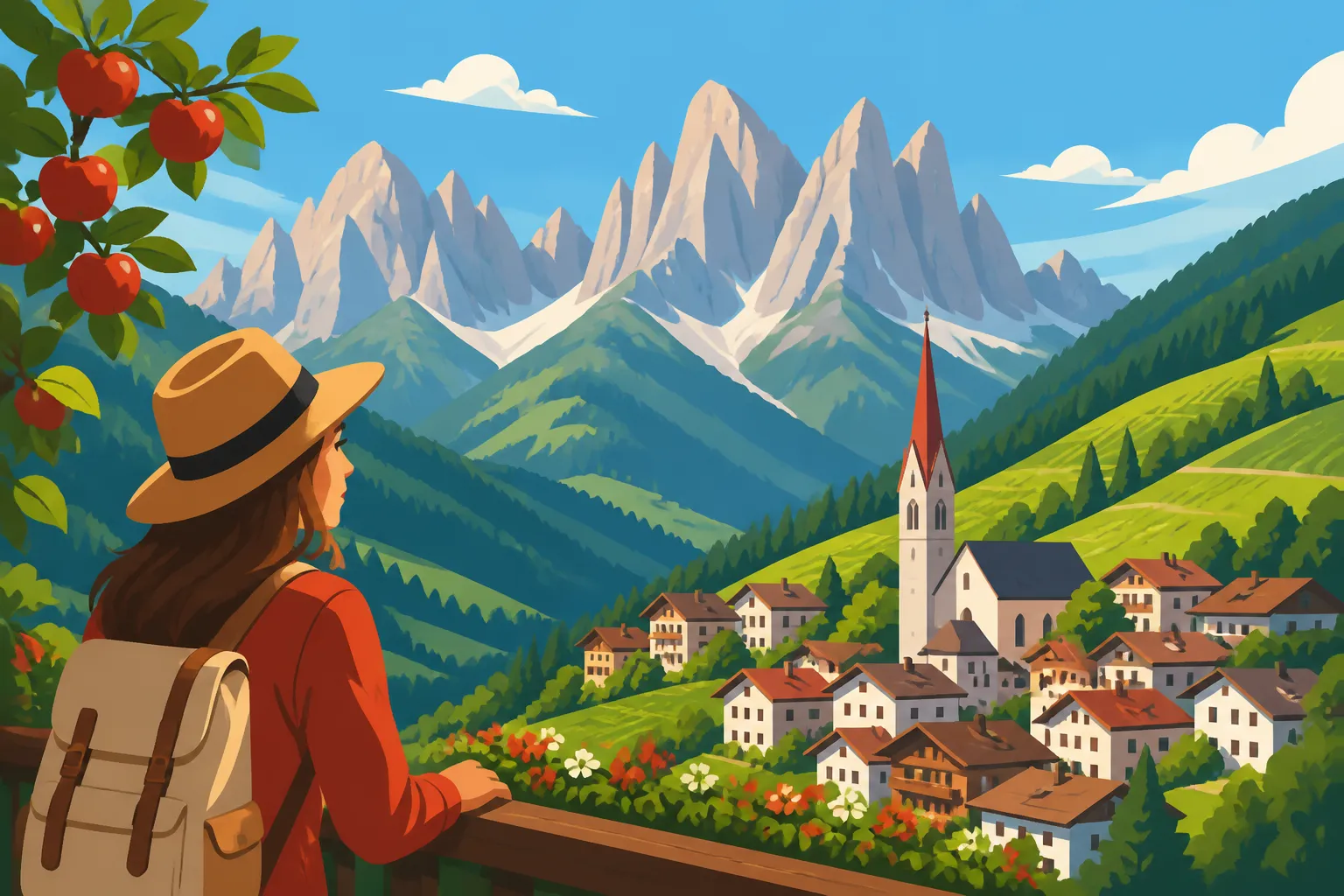
Stepping into South Tyrol feels like crossing an invisible border, even though you’re firmly within Italy. It's a land of striking contrasts where jagged Dolomite peaks meet rolling apple orchards, and a hearty Tyrolean Kaiserschmarrn might be served alongside a delicate Italian risotto. This fascinating duality isn't just a quirky tourist attraction; it's the very fabric of life here, born from centuries of intertwined history.
German and Italian Influences: More Than Just Language
The most immediate thing you'll notice upon arrival is the language. German is spoken by the majority here, often alongside Italian, and sometimes even a local dialect called Ladin. Street signs, menus, and even government documents are typically bilingual, a clear indication of the region's unique identity. Don't be surprised to hear more "Guten Tag" than "Buongiorno" in the villages, or to find local newspapers printed predominantly in German. This linguistic tapestry extends to everyday life, influencing everything from the architecture, which often features charming Alpine chalets with flower-filled balconies, to the punctuality and organizational style that can feel wonderfully efficient compared to other parts of Italy. It's a cultural blend that fosters a sense of being both deeply rooted and wonderfully international, a testament to its past.
This biculturalism isn't just superficial; it shapes the local mindset. You'll find a strong emphasis on tradition, community, and an appreciation for the outdoors, often combined with a certain Italian flair for good food and hospitality. For expats, this can be a refreshing change of pace, offering a structured environment while still providing access to all the benefits of living in Italy. It’s not uncommon to witness a vibrant mix where traditional German folk music festivals might take place just a short drive from a lively Italian sagra celebrating local produce. The key is to embrace this unique blend rather than expect one culture to dominate the other.
A Rich History: From Austria to Italy
The history of South Tyrol is a complex, often contested, narrative that explains its present-day character. For centuries, this region was an integral part of the Austro-Hungarian Empire, known as Südtirol. Following World War I, it was annexed by Italy in 1919, a decision that has shaped its destiny ever since. The Fascist regime’s attempts to Italianize the region in the 20th century, including suppressing the German language and culture, led to significant tensions and a strong sense of unique identity among the local population.
After World War II, a series of autonomy agreements were established, granting South Tyrol significant legislative and administrative powers, protecting its linguistic minorities, and allowing it to retain much of its unique cultural heritage. This autonomy is crucial to understanding why the region feels so distinct. It manages much of its own affairs, from education and healthcare to public transport, often leading to services that are incredibly well-organized and efficient. This historical journey, marked by shifts in power and strong cultural resilience, has forged a region proud of its heritage, fluent in two languages, and deeply committed to preserving its unique way of life. It’s a powerful example of how distinct identities can thrive within a larger national framework, and a fascinating chapter in the broader story of Italy's regions. For those interested in the broader context of Italy's administrative landscape, understanding these regional differences is key, much like exploring the varying approaches to healthcare across the country, as discussed in our guide to Healthcare in Italy: An Expats' Guide.
Getting There and Getting Around: Navigating the Alpine Landscape
South Tyrol's unique geographic position, nestled in the Dolomites, means that while it feels far from typical Italian bustle, it's remarkably well-connected. Planning your journey here involves understanding the best ways to reach its charming towns and how to then explore its stunning mountain passes and valleys.
Reaching South Tyrol: Trains, Buses, and Driving
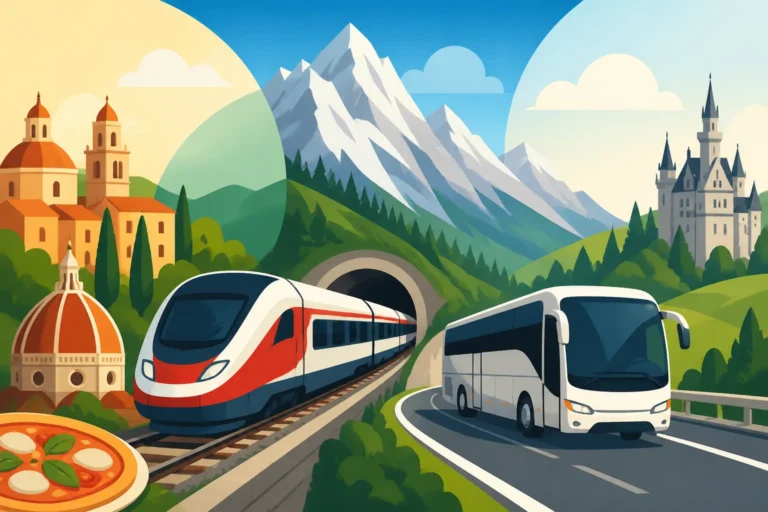
For many, arriving in South Tyrol by train offers a breathtaking introduction to the region. Major towns like Bolzano (Bozen), Merano (Meran), and Bressanone (Brixen) are well-served by both Italian (Trenitalia) and Austrian/German (ÖBB/Deutsche Bahn) train networks. You can easily catch a high-speed train from Verona, Venice, or Milan, making the journey seamless. These trains often offer stunning views as they wind through valleys and past vineyards, slowly giving way to the dramatic Alpine scenery. Booking your tickets in advance, especially during peak season, is always a good idea. Online platforms like Omio can be incredibly useful for comparing routes and prices across different operators, saving you a good deal of hassle.
If you prefer the flexibility of driving, South Tyrol is readily accessible by car, particularly via the A22 Brenner motorway, which runs north-south through the region, connecting it to Verona and Innsbruck. Be aware that driving in the mountains requires a bit more caution, especially in winter. Snow chains or winter tires are often mandatory during colder months. While having a car offers unparalleled freedom to explore remote valleys and panoramic mountain roads, remember that Italian cities, even smaller ones, often have ZTLs (Limited Traffic Zones) that can result in hefty fines if you're not careful. Consider researching Renting a Car in Italy: ZTLs, Insurance, and Driving Tips before you hit the road.
Exploring the Region: Public Transport and Scenic Drives
Once you’re in South Tyrol, you’ll find that getting around is surprisingly efficient, thanks in large part to the region’s excellent public transport network. The "Südtirol Pass" (Alto Adige Pass) is a fantastic investment, offering unlimited travel on all public buses, regional trains, and even some cable cars throughout the province. This pass makes it incredibly easy to hop between towns, access hiking trails, and enjoy the scenery without the stress of parking or navigating winding roads. The buses are clean, punctual, and often connect even the smallest villages to larger hubs.
For those who love a good road trip, driving through South Tyrol offers some of the most spectacular scenic routes in Europe. The Great Dolomite Road, for instance, takes you through stunning mountain passes like the Passo Pordoi and Passo Sella, offering postcard-perfect views at every turn. Remember that these mountain roads can be challenging, with sharp bends and steep inclines, but the rewards are truly unforgettable. Whether you choose public transport or your own wheels, exploring this region is an adventure in itself, allowing you to immerse yourself in the natural beauty of the Dolomites, a UNESCO World Heritage site.
Where to Stay: Finding Your Perfect Alpine Base
South Tyrol offers a diverse range of accommodation options, from bustling city hotels to cozy mountain retreats. Your choice of where to lay your head will significantly shape your experience of the region, so it’s worth considering what kind of atmosphere you're seeking.
Charming Towns and Villages: Bolzano, Merano, Bressanone, Ortisei
Bolzano (Bozen): As the capital of South Tyrol, Bolzano offers the most urban experience. It’s a vibrant hub where Italian and German cultures visibly intertwine. The city boasts a beautiful historic center with colorful arcades (the Laubengasse/Via dei Portici), bustling markets, and excellent museums, including the South Tyrol Museum of Archaeology, home to Ötzi the Iceman. It's a great base for those who want easy access to shops, restaurants, and cultural sights, while also being well-connected by public transport to the surrounding mountains. You'll find a wide array of hotels and guesthouses here, often with Booking.com offering competitive rates.
Merano (Meran): Known for its mild climate and Belle Époque charm, Merano is a resort town famous for its thermal baths (Terme Merano) and beautiful promenades along the Passirio River. With its Mediterranean flair—palm trees growing alongside Alpine peaks—it offers a unique blend of relaxation and elegance. It’s perfect for those seeking a more tranquil, spa-focused getaway, with opportunities for gentle walks and enjoying the serene atmosphere. The Tappeinerweg promenade is a must-do for its stunning views.
Bressanone (Brixen): One of the oldest towns in Tyrol, Bressanone is a charming medieval gem nestled in the Isarco Valley. Its historic center is a delight to explore on foot, with its magnificent cathedral, picturesque squares, and lively cafes. It serves as an excellent base for exploring the Plose ski area in winter and hiking trails in summer. Bressanone offers a more intimate, historic town experience compared to Bolzano, ideal for those who appreciate old-world charm and a slower pace.
Ortisei (St. Ulrich): If you're coming for the Dolomites, Ortisei is a fantastic gateway. Located in Val Gardena, it's a picturesque village renowned for its woodcarving traditions and direct access to some of the most spectacular hiking and skiing areas. Cable cars depart directly from the village, whisking you up to high-altitude pastures and breathtaking viewpoints. Ortisei is perfect for active travelers who want to be right in the heart of the mountains, with plenty of opportunities for outdoor adventure right on their doorstep. This area is a prime example of where you'll find extensive options for mountain sports, as detailed in our guide to Hiking in Italy: Popular Trails and How to Prepare.
Mountain Huts and Agriturismi: Authentic Alpine Stays
Beyond the towns, South Tyrol excels in offering truly immersive rural accommodations. For an authentic taste of Alpine life, consider staying in a rifugio (mountain hut) or an agriturismo.
Rifugi (Mountain Huts): These are dotted throughout the Dolomites and offer basic, rustic accommodation, usually dormitory-style, though some have private rooms. Staying in a rifugio is an unforgettable experience, especially if you're hiking or climbing. You'll enjoy hearty South Tyrolean meals, breathtaking sunrise and sunset views, and the camaraderie of fellow adventurers. Many are accessible by cable car or a relatively short hike, making them an option even if you're not embarking on a multi-day trek. These huts are typically open during the summer hiking season and the winter ski season.
Agriturismi (Farm Stays): An agriturismo offers a chance to stay on a working farm, providing a deeper connection to the land and local traditions. Often family-run, these establishments provide comfortable rooms or apartments and serve delicious, homemade meals featuring fresh produce from their own farm or local suppliers. Many agriturismi in South Tyrol are surrounded by apple orchards or vineyards, offering serene views and a peaceful atmosphere. They are ideal for families, couples, or anyone looking for a quiet escape and an opportunity to savor authentic local cuisine in a tranquil setting. Websites like Booking.com often have a dedicated filter for agriturismi, making it easier to find these gems.
| Town/Area | Primary Vibe | Best For | Key Attractions |
|---|---|---|---|
| Bolzano | Urban, cultural, vibrant | City breaks, museums, shopping, transport hub | Ötzi the Iceman Museum, Waltherplatz, Laubengasse |
| Merano | Relaxed, spa, elegant | Wellness, gentle walks, mild climate | Terme Merano, Tappeinerweg, Trauttmansdorff Gardens |
| Bressanone | Historic, charming, medieval | Cultural immersion, quiet exploration | Bressanone Cathedral, Hofburg (Prince-Bishops' Palace), Old Town |
| Ortisei | Mountain adventure, picturesque | Hiking, skiing, woodcarving, Dolomites access | Seceda, Alpe di Siusi, Val Gardena cable cars |
| Rural Agriturismo | Authentic, peaceful, nature-focused | Families, foodies, relaxation, farm experience | Local produce, stunning views, quiet walks |
| Rifugio | Rustic, adventurous, scenic | Hikers, climbers, unique mountain experience | Panoramic views, hearty food, camaraderie |
Culinary Delights: A Fusion of Alpine and Mediterranean Flavors
The food in South Tyrol is, perhaps unsurprisingly, a delicious reflection of its bicultural heritage. It’s where the hearty, comforting flavors of Alpine cuisine meet the fresh, vibrant ingredients of Italy, creating a truly unique gastronomic experience. Forget your typical Italian fare; here, you're in for a treat that blends the best of both worlds.
South Tyrolean Specialties: From Speck to Strudel
When you sit down to eat in South Tyrol, prepare for portions that are often more generous than what you might find further south. The region is famous for its Speck Alto Adige PGI, a distinctively cured ham that's smoked and then air-dried. It's often served in thin slices as an appetizer or incorporated into dishes. You'll likely encounter it on a traditional Brettljause, a platter of cold cuts, cheeses, and pickles, perfect for sharing after a long hike. Another staple is Knödel (dumplings), which come in various forms – from savory speck or cheese dumplings served in broth or with melted butter, to sweet fruit dumplings (like apricot or plum).
Pasta might not be the star here, but you'll find plenty of delicious alternatives like Schlutzkrapfen, delicate half-moon-shaped ravioli typically filled with spinach and ricotta, and often served with melted butter and Parmesan. For meat lovers, Goulash (yes, a nod to its Austrian heritage) is a common, comforting dish, as are various roasted meats. And, of course, no meal is complete without dessert. The Apfelstrudel (apple strudel), often served warm with vanilla sauce or ice cream, is a must-try, showcasing the region's abundant apple production. The combination of these dishes truly exemplifies the fascinating culinary landscape, offering a hearty and satisfying experience that diverges from what you might expect from other parts of the country, as explored in our broader guide to Italian Food Culture: Eating Well as a Visitor.
Wine and Apple Roads: Local Produce and Traditions
South Tyrol is not just about hearty food; it's also a significant wine-producing region. Despite its Alpine location, the sunny valleys provide ideal conditions for viticulture. The region boasts several indigenous grape varieties, most notably Lagrein (a full-bodied red) and Gewürztraminer (a aromatic white), alongside other internationally recognized grapes like Pinot Grigio and Chardonnay. You can explore picturesque "Wine Roads" that wind through vineyards, offering opportunities for tastings at local cantine (wineries). Many wineries also offer tours, where you can learn about the unique terroir and winemaking traditions of the region.
Beyond wine, South Tyrol is Italy's leading apple producer. Vast orchards blanket the valleys, especially in spring when they burst into pink and white blossoms. Many farms offer direct sales of apples, apple juice, and other apple products, including Apfelmost (cider) and fruit brandies. The region is committed to sustainable agriculture, and the quality of its produce is evident in every bite. Exploring the local markets, especially in towns like Merano or Bolzano, is a delightful way to discover these fresh, seasonal ingredients and truly taste the essence of the South Tyrolean landscape. You might even find opportunities to pick your own apples or visit distilleries producing local spirits.
Activities and Adventures: Exploring the Dolomites and Beyond
South Tyrol is an outdoor enthusiast's paradise, offering a diverse range of activities that change dramatically with the seasons. Whether you visit in the sun-drenched summer or the snow-covered winter, adventure awaits amidst the stunning backdrop of the Dolomites.
Hiking and Cycling: Summer in the Alps
When the snow melts, South Tyrol transforms into a hiker's dream. Thousands of kilometers of marked trails crisscross the landscape, ranging from gentle valley walks suitable for families to challenging multi-day treks high in the Dolomites. You can explore lush Alpine pastures, pristine forests, and dramatic rocky peaks. The Alpe di Siusi (Seiser Alm), Europe’s largest high-alpine meadow, is particularly popular for its panoramic views and easy-to-moderate trails, often accessible by cable car. Don't forget to stop at a traditional Alm (mountain dairy farm) for a refreshment and some local cheese.
Cycling is equally popular, with dedicated bike paths running along river valleys and more strenuous mountain biking trails winding through the hills. You can rent e-bikes, making the climbs much more manageable, or tackle challenging routes like the Sella Ronda, a circuit that can be done by mountain bike in summer and skis in winter. Many hotels offer bike rental services, and you'll find plenty of repair shops in towns and villages. For those who want to tackle more ambitious routes, our article on Cycling in Italy: Routes and Bike-Friendly Areas offers great insights. Even if you're not an extreme athlete, a leisurely stroll along a scenic path, taking in the crisp mountain air and stunning vistas, is an essential South Tyrolean experience.
Skiing and Winter Sports: A Winter Wonderland
As winter descends, South Tyrol becomes a magical snow-covered wonderland, drawing skiers and snowboarders from around the globe. The Dolomites offer some of the best skiing in Europe, with extensive interconnected resorts that are part of the Dolomiti Superski area, one of the world's largest ski carousel networks. Val Gardena, Alta Badia, and Plan de Corones (Kronplatz) are among the most famous, boasting perfectly groomed slopes, state-of-the-art lift systems, and breathtaking scenery. The Sella Ronda circuit, mentioned earlier, is a legendary ski tour that connects four Dolomite passes and five ski areas, offering a full day of exhilarating skiing.
Beyond downhill skiing, the region offers abundant opportunities for cross-country skiing, snowshoeing, ice skating, and tobogganing. Many resorts cater to families with dedicated children's areas and ski schools. The Christmas markets in towns like Bolzano and Merano add a festive charm, offering local crafts, mulled wine, and traditional treats, transforming the region into a true winter fairy tale. Remember to check conditions and book accommodations well in advance during peak winter holiday periods.
Cultural Experiences and Wellness
While the outdoors are a major draw, South Tyrol also offers rich cultural experiences. Explore the charming castles and fortresses that dot the landscape, such as Trauttmansdorff Castle Gardens near Merano or Reifenstein Castle. Many towns host traditional festivals and markets throughout the year, celebrating everything from wine and apples to ancient Tyrolean customs. These events offer a wonderful opportunity to experience local traditions firsthand, enjoy traditional music, and sample regional delicacies. You can find out more about these local events and how they fit into the broader calendar of Italy's Biggest Festivals: A Year-Round Calendar.
For those seeking relaxation, the region's strong focus on wellness and natural remedies is a major draw. The Terme Merano, with its modern spa facilities, is a highlight, offering pools, saunas, and a range of treatments. Many hotels also feature excellent spa areas, often incorporating local ingredients like hay, apples, and herbs into their therapies. Whether it's unwinding in a thermal bath after a day on the slopes or enjoying a calming massage with mountain essences, South Tyrol provides ample opportunities to rejuvenate both body and mind. You might even find local workshops or classes for traditional crafts like woodcarving, especially in areas like Val Gardena. Platforms like GetYourGuide can be excellent for discovering local tours, cooking classes, or unique cultural experiences, making it easy to enrich your trip beyond just the physical activities.
Practical Tips for Your South Tyrolean Adventure
Embarking on a South Tyrolean adventure requires a few practical considerations to ensure your trip is as smooth and enjoyable as possible. Being prepared for its unique blend of cultures and geography will certainly enhance your experience.
Language and Communication
As we've mentioned, South Tyrol is largely bilingual, with German being the dominant language in many areas, particularly in the villages and smaller towns, while Italian is more prevalent in cities like Bolzano. Most tourist-facing staff in hotels, restaurants, and attractions will speak at least some English, especially in the more popular tourist areas. However, learning a few basic phrases in both German (Guten Tag, Danke, Bitte) and Italian (Buongiorno, Grazie, Prego) will go a long way. Locals genuinely appreciate the effort, and it can open doors to warmer interactions. Don't be shy to try! You might find it easier than you expect to navigate, as many systems are set up to accommodate both languages.
Online translation tools are always a good backup, but don't solely rely on them; sometimes, a smile and a gesture can communicate more effectively than a perfectly translated phrase. If you're a long-term expat considering living here, investing in language classes for both Italian and German would be a wise decision. For tourists, a willingness to immerse yourself in this linguistic duality is part of the fun.
Best Time to Visit and Packing Essentials
South Tyrol is a year-round destination, but the "best" time to visit truly depends on what you want to do.
- Summer (June-September): Ideal for hiking, cycling, and exploring the valleys. The weather is generally warm and sunny, but evenings can be cool, especially at higher altitudes. Pack layers, sturdy hiking shoes, sun protection, and a rain jacket. This is also peak season, so expect more crowds and higher prices.
- Autumn (October-November): A beautiful time for Törggele (harvest festival) traditions, featuring roasted chestnuts, new wine, and hearty meals. The foliage turns brilliant shades of gold and red. The weather is crisp but generally pleasant. Pack warm layers and waterproof outerwear.
- Winter (December-March): Perfect for skiing, snowboarding, and enjoying festive Christmas markets. Expect cold temperatures and plenty of snow. Essential packing includes warm winter clothing, thermal layers, waterproof ski gear, and appropriate footwear.
- Spring (April-May): The valleys burst with apple blossoms, making it a picturesque time for gentle walks and cycling. Hiking trails at higher elevations may still be closed due to snow. Temperatures are mild, but it can be unpredictable, so layers are key.
No matter the season, bringing comfortable walking shoes is a must. The terrain, even in towns, often involves cobblestones or inclines. Consider bringing a reusable water bottle, as the tap water is safe and delicious.
Respecting Local Customs
South Tyroleans are proud of their heritage and generally very welcoming. A few points of etiquette can help you fit in seamlessly:
- Greetings: A simple "Grüß Gott" (pronounced groos got) is a common greeting in the German-speaking areas, equivalent to "hello." In Italian areas, "Buongiorno" or "Buonasera" are appropriate.
- Punctuality: While perhaps not as rigid as in Germany, there's a greater appreciation for punctuality compared to some other parts of Italy, especially for appointments or tours.
- Dress Code: In towns and villages, especially when visiting churches or more formal establishments, dressing respectfully is appreciated. For outdoor activities, functional wear is perfectly acceptable.
- Environment: The region is fiercely proud of its pristine natural environment. Always stick to marked trails, avoid littering, and respect local regulations regarding protected areas.
- Dining: When dining, it's polite to wait for the host or server to seat you. Tipping is not mandatory but appreciated for good service, usually by rounding up the bill or leaving a small amount.
Embracing the unique rhythm and traditions of South Tyrol will undoubtedly make your visit more enriching. It's a place that truly offers a different side of Italy, one that combines rugged mountain beauty with a distinct cultural identity that's both captivating and welcoming.
Disclaimer
Please note that while this guide provides comprehensive information based on current knowledge and typical experiences, regulations, opening hours, and local conditions can change. It is always advisable to check the latest official information and local advisories when planning your trip. We aim to keep our content as up-to-date as possible, but we cannot guarantee the absolute accuracy of all details at all times.