Italy’s Biggest Festivals: A Year-Round Calendar
Feeling a bit overwhelmed by the sheer number of Italian festivals and wondering how to even begin experiencing them beyond the major tourist traps? Trust me, I've been there, staring at endless local posters I couldn't fully decipher, longing to dive into the vibrant heart of Italian culture. This guide is your personal compass, charting Italy's biggest and most enchanting festivals throughout the year, so you can stop missing out and start celebrating like a local.
Disclosure: This post may contain affiliate links. We may earn a commission at no extra cost to you if you make a purchase through these links. Read full disclosure.
The Heartbeat of Italy: Understanding Festivals and Their Significance
Italy isn't just a country; it's a living tapestry woven with centuries of tradition, passion, and faith, and nowhere is this more evident than in its festivals. These aren't just mere events on a calendar; they are profound expressions of identity, historical memory, and community spirit. From the smallest village sagra celebrating a local food item to the grand, internationally renowned spectacles, each festival offers a unique window into the Italian soul. For an expat or a curious traveler, understanding this depth is key to truly appreciating the spectacle unfolding before your eyes.
More Than Just a Party: Cultural and Historical Roots
Many of Italy's most cherished festivals trace their origins back centuries, often blending ancient pagan rituals with deeply entrenched Christian traditions. Take, for instance, the famous Palio di Siena, which is far more than a horse race; it's a dramatic reenactment of medieval rivalries, a fierce display of neighborhood pride that dates back to the 13th century. Every banner, every costume, every chant carries the weight of history, passed down through generations. These events are not staged for tourists; they are vital, living traditions that bind communities together. Participating, even as an observer, means stepping into a continuous historical narrative, one that shapes the modern Italian identity.
Beyond the grand historical pageants, you'll find countless religious processions and feasts that have remained unchanged for hundreds of years. Think of the solemn beauty of Holy Week processions in Sicily or the vibrant, celebratory atmosphere of a local saint's day, complete with marching bands and elaborate floats. These are moments where the sacred and the secular intertwine, where faith is not just observed but truly embodied by the community. It's a reminder that beneath the surface of modern Italy lies a profound respect for heritage and an unwavering connection to the past.
Regional Variations and Local Pride
One of the most captivating aspects of Italian festivals is their incredible regional diversity. What might be a quiet religious observance in the rolling hills of Umbria could be an explosive, firework-laden celebration on the coast of Puglia. This diversity reflects Italy’s long history as a collection of independent city-states and regions, each with its own distinct customs, culinary traditions, and even dialects. Every town, every village, takes immense pride in its unique way of celebrating, often claiming their festival to be the most authentic or spectacular.
This intense local pride means that even if you attend a "Carnevale" celebration, the experience in Venice will be vastly different from the one in Viareggio, or even a smaller town like Acireale in Sicily. Venice boasts elegant masked balls and gondola parades, while Viareggio is famous for its colossal, satirical paper-mâché floats. This isn't a competitive rivalry in a negative sense, but rather a joyful affirmation of identity, a way for each locale to showcase its particular charm and character. As you explore Italy, make sure to seek out these regional gems, because it's in these subtle differences that you'll truly discover the heart of Italian culture. You might even find yourself comparing the unique flair of different cities, perhaps after consulting a guide on Living in Florence and Bologna: A Practical Comparison.
Spring Fling: Festivals as Italy Awakens
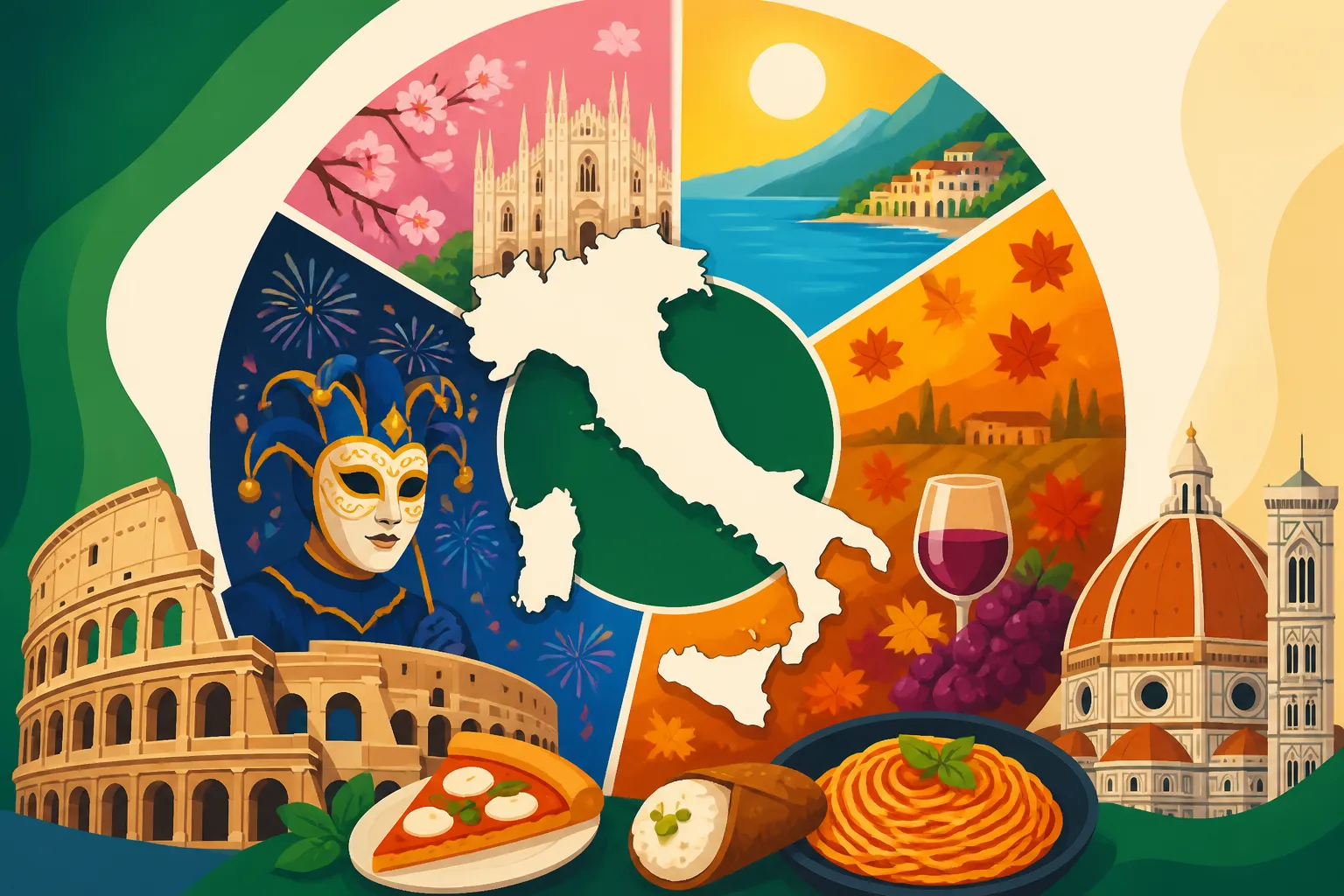
As the grey skies of winter retreat, Italy bursts into life with a flurry of vibrant festivals. Spring is a magical time to be here, when the weather is often perfect for outdoor celebrations, and the whole country seems to shake off its slumber. From colorful costumes to solemn religious rites, these spring events are unforgettable.
Carnevale: Venice, Viareggio, and Beyond the Masks
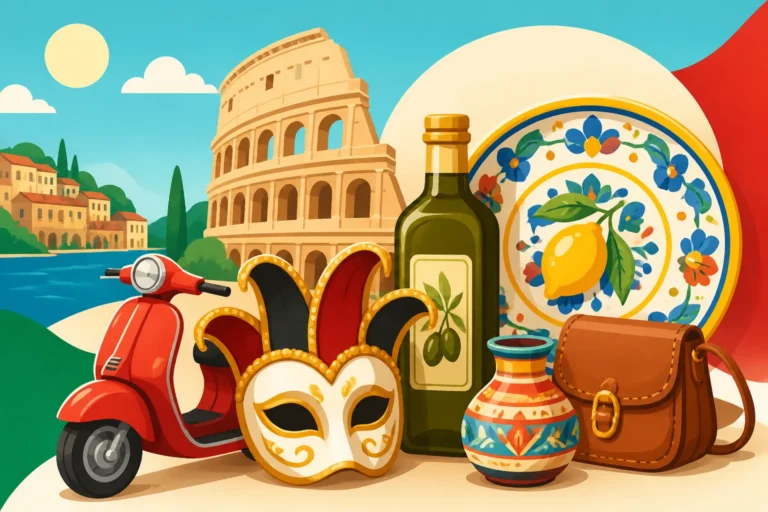
When you think of Carnevale, Venice probably springs immediately to mind, with its opulent masks and clandestine charm. And yes, Venetian Carnevale, usually held in February or early March before Lent, is an absolute marvel. Imagine drifting through Piazza San Marco amidst a sea of elaborate costumes, feeling transported back to the 18th century. The elegance, the mystery, the sense of playful abandon – it's truly unique. For those wishing to fully immerse themselves, many hotels, often available through platforms like Booking.com, host lavish masked balls that require specific attire, providing an experience like no other.
But Venice is just one facet of Italy's Carnevale tradition. Head to Viareggio in Tuscany, and you'll find a completely different vibe: massive, satirical paper-mâché floats parading down the promenade, often lampooning politicians and current events with biting humor. It's loud, boisterous, and incredibly creative – a real party atmosphere. Further south, places like Acireale in Sicily offer baroque parades with flower-decorated floats, showcasing yet another regional interpretation. If you're traveling during this period, securing your accommodation and perhaps even some specific event tickets through GetYourGuide in advance is highly advisable, as these popular events draw huge crowds. Even smaller towns will have their own local celebrations, often with kids in simple costumes throwing confetti, making it a truly nationwide festivity.
Easter (Pasqua) and Holy Week Traditions
Easter, or Pasqua, is arguably the most important religious holiday in Italy, marked by a solemn and deeply meaningful Holy Week, culminating in joyous celebrations on Easter Sunday. The week leading up to Easter sees a multitude of processions and sacred rites across the country, each region, and often each town, presenting its unique interpretation of the Passion of Christ. In many southern towns, particularly in Sicily and Sardinia, these processions are incredibly dramatic, featuring hooded penitents, ancient statues carried through narrow streets, and haunting traditional music. These are profound cultural experiences, far removed from purely tourist spectacles.
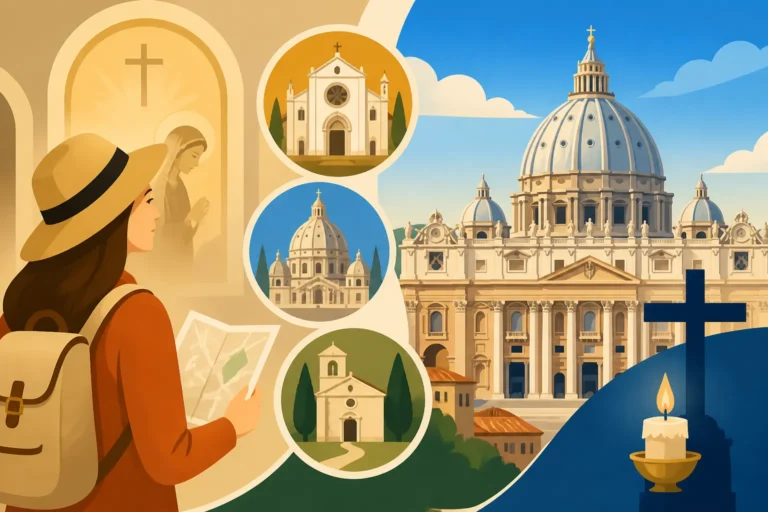
On Easter Sunday, the atmosphere shifts dramatically from solemnity to celebration. Families gather for elaborate meals, often featuring lamb, artichokes, and the traditional Colomba Pasquale, a dove-shaped sweet bread. Vatican City, of course, hosts the Pope's Mass in St. Peter's Square, drawing pilgrims from around the globe. While attending the Papal Mass is a profound experience, many smaller towns offer equally heartfelt and authentic celebrations. Remember that public transport schedules can be impacted by these holidays, so it's wise to check local timetables, especially if you're planning on Getting Around Italy: Trains, Buses, Flights, and Car Hire. The Monday after Easter, Pasquetta, is also a public holiday, traditionally spent with picnics and outings in the countryside, marking a full weekend of spring awakening.
Spring Sagre and Flower Festivals
Beyond the major religious holidays, spring in Italy is also a time for a wonderful array of local sagre (food festivals) and vibrant flower festivals. These events are often a fantastic way to immerse yourself in local culture and taste regional delicacies. You'll find sagre dedicated to everything from wild asparagus and artichokes to strawberries and local cheeses. These are usually informal, community-driven events where you can sample fresh, seasonal produce, enjoy local wines, and often dance to live music. Look for posters in small towns or check local tourism websites to find one near you.
One of the most visually stunning spring festivals is the Infiorata. This tradition, most famously held in Noto, Sicily, and Genzano di Roma in Lazio, sees entire streets transformed into magnificent carpets of flower petals. Local artists painstakingly arrange millions of petals to create intricate designs, often depicting religious scenes or intricate patterns. Walking through these floral artworks, usually in May or June, is an absolutely breathtaking experience. It's a testament to the Italian love for beauty, craftsmanship, and community effort. These smaller, hyper-local events truly make you feel like you've stumbled upon a hidden gem, providing a stark contrast to the bustling crowds of larger cities like those often explored in Rome, Florence, and Venice: Italy's Great Cities Explorer's Guide.
Summer Spectacles: Sun, Sea, and Celebration
When summer heats up, so does Italy's festival calendar. From ancient horse races to music under the stars, the warmer months are packed with iconic events that showcase Italian passion and artistry. Be prepared for crowds, but also for an electric atmosphere that's impossible to forget.
Palio di Siena: A Medieval Horse Race Like No Other
If you want to witness pure, unadulterated Italian passion and civic pride, the Palio di Siena is an absolute must-see. Held twice a year, on July 2nd and August 16th, in Siena's stunning Piazza del Campo, this bareback horse race is unlike any other event in the world. Ten of the city's seventeen contrade (districts) compete for a coveted banner, and the rivalry is intense, deeply rooted in centuries of history. The entire city prepares for months, and the energy leading up to the race is palpable, almost suffocating in its intensity. This isn't just a race; it's a living tradition that defines Sienese identity.
The days leading up to the Palio are filled with trials, blessings of the horses in local churches, elaborate historical parades, and raucous outdoor dinners in the contrada squares. On the day of the race, the Piazza del Campo transforms into a spectacle of color and sound, packed with thousands of spectators. Finding a good viewing spot can be challenging; many people arrive hours early, and paid grandstand seats or balcony spots are booked months, if not years, in advance. If you're planning to go, consider using services like GetYourGuide for guided experiences or private viewing options, and definitely book your accommodation through Booking.com well ahead of time. It's chaotic, thrilling, and utterly unforgettable, a raw display of medieval tradition that continues to thrive.
Ferragosto: Italy's August Holiday Explained
Ferragosto, celebrated on August 15th, is one of Italy's most significant public holidays, and for many Italians, it marks the peak of their summer vacation. Historically rooted in ancient Roman festivities honoring the harvest and the Emperor Augustus, it has evolved into a nationwide celebration of summer, often combined with Assumption Day. While not a single festival in itself, Ferragosto transforms the entire country, leading to widespread closures as many businesses and even entire cities effectively shut down for a week or two.
If you're in Italy during Ferragosto, expect coastal towns and mountains to be buzzing with activity, while many major cities like Rome or Milan might feel eerily quiet, with a significant number of shops and restaurants closed. Italians typically flock to the beaches, lakes, or mountains, often with family and friends, for lavish picnics, barbecues, and fireworks displays. It's a time for relaxation, fun, and escaping the summer heat. Be sure to plan your travel and bookings meticulously if visiting around this time, as transportation, particularly by train or bus via Omio, and popular holiday spots get extremely busy. Think of it as Italy's collective summer break, a time when life slows down, and the focus shifts entirely to leisure and family.
Outdoor Concerts and Film Festivals
Summer evenings in Italy are often filled with the magic of open-air cultural events. Historic squares, ancient Roman amphitheaters, and picturesque coastal towns become stages for world-class performances. Opera takes center stage, particularly in the Arena di Verona, where productions are mounted on an epic scale under the stars. Attending an opera here is an experience that transcends mere entertainment; it's a sensory feast of music, history, and atmosphere. These popular events mean that you should book your tickets with plenty of advance planning.
Beyond opera, many cities host extensive summer concert series, featuring everything from classical music to contemporary rock and pop. Film festivals also flourish, with the Venice Film Festival in late August/early September being one of the most prestigious in the world. Even if you're not attending the main event, many towns organize outdoor cinema screenings, allowing you to enjoy a classic Italian film under a balmy night sky. These cultural offerings are a delightful way to experience Italy's artistic heritage and enjoy the warm summer evenings. Keep an eye on local tourism boards or platforms like GetYourGuide for schedules and tickets, as popular events sell out quickly.
Autumn Harvest: Flavors, Fairs, and Folklore
As the heat of summer gives way to the cooler, crisper air of autumn, Italy celebrates its bountiful harvest with a feast of gastronomic festivals. This is a truly delicious time to visit, when the focus shifts to food, wine, and the rich agricultural traditions that define so much of Italian life.
Grape Harvest Festivals (Vendemmia) and Wine Events
Autumn in Italy, especially from September to October, is synonymous with vendemmia, the grape harvest. This period is a joyous celebration, particularly in renowned wine regions like Tuscany, Piedmont, and Veneto. Many vineyards open their doors for tours and tastings, allowing visitors to witness the grape-picking process firsthand, stomp grapes (sometimes!), and, of course, sample the freshest wines. It's a fantastic opportunity to delve into the heart of Italian wine culture and understand the passion that goes into every bottle. For instance, in the Langhe region of Piedmont, you might find yourself surrounded by rolling hills dotted with vineyards, enjoying tastings of Barolo and Barbaresco.
Beyond the vineyards, numerous towns host dedicated wine festivals, often featuring parades, traditional music, and endless opportunities to taste local varietals. The Festa dell'Uva in Bardolino on Lake Garda or the annual Cantine Aperte (Open Cellars) event are prime examples. These aren't just for connoisseurs; they're lively, inclusive events that celebrate community and the fruits of the land. If you're a wine lover, autumn provides an unparalleled chance to explore Italy's rich winemaking heritage and perhaps even consider a Wine Tasting in Italy: Cantine and Enoteche experience.
Truffle Fairs: A Culinary Delight
For gourmands, autumn is synonymous with one exquisite ingredient: the truffle. Italy is famed for its truffles, both the prized white truffle and the aromatic black truffle, and from October to November, various towns host elaborate truffle fairs that draw culinary enthusiasts from around the world. The International Alba White Truffle Fair (Fiera Internazionale del Tartufo Bianco d'Alba) in Piedmont is perhaps the most famous, offering a vibrant marketplace where you can purchase fresh truffles, attend cooking demonstrations, and savor truffle-infused dishes. It's an intoxicating experience for the senses.
Smaller truffle fairs can be found in other regions, such as Umbria and Marche, each celebrating their local bounty. These events often include truffle hunting excursions with trained dogs, allowing you to experience the thrill of discovering these subterranean treasures. It's important to remember that truffles are a luxury item, and prices can be high, but even just walking through the bustling market, inhaling the earthy aroma, is an experience in itself. This is an excellent opportunity to dive deep into Italian Food Culture: Eating Well as a Visitor and savor regional specialties.
Chestnut Festivals and Autumn Sagre
As the days shorten and the air becomes brisk, another autumn favorite emerges: chestnuts. Across Italy, particularly in forested, mountainous regions, you'll find numerous sagre della castagna (chestnut festivals) from October through November. These festivals celebrate the versatile chestnut, which has historically been a staple food in many rural Italian diets. You can feast on roasted chestnuts (caldarroste), chestnut cakes, jams, and even pasta made with chestnut flour. The atmosphere is cozy and convivial, often accompanied by folk music and local crafts.
Beyond chestnuts, autumn continues the tradition of local sagre, focusing on other seasonal produce like mushrooms, olive oil (especially in Tuscany and Puglia), and hearty game. These smaller, more intimate festivals are fantastic for experiencing authentic Italian village life, away from the major tourist hubs. They're a chance to mingle with locals, practice your basic Italian phrases, and discover unique regional flavors. Finding these often requires checking local municipality websites or asking around once you arrive in a particular area.
Winter Wonders: Light, Spirit, and Tradition
When winter descends upon Italy, the festive spirit certainly doesn't dim. Instead, it transforms into a period of enchanting lights, deeply rooted religious observances, and cozy traditions that warm the soul. From the bustling Christmas markets to the unique folklore of La Befana, there's a special magic to winter festivals here.
Christmas and New Year's Celebrations
Christmas in Italy is a time for family, faith, and elaborate Nativity scenes, known as presepi. While Santa Claus (Babbo Natale) has a presence, the focus remains strongly on the religious significance of the holiday. Cities and towns are adorned with beautiful lights and decorations, and many churches display intricately crafted presepi, some of which are centuries old. Naples, in particular, is famous for its Via San Gregorio Armeno, a street dedicated year-round to artisans creating incredible Nativity figures. The festive atmosphere truly peaks on Christmas Eve and Christmas Day, when families gather for traditional feasts.
New Year's Eve, or Capodanno, is celebrated with great enthusiasm across Italy. Major cities like Rome, Florence, and Milan host public concerts and spectacular fireworks displays over iconic landmarks. Many Italians celebrate with lavish dinners (often including lentils for good luck in the coming year) and then head out to join the public festivities. It's a lively and joyous occasion, marking the transition into a new year with hope and merriment. If you're planning to spend New Year's in a major city, securing restaurant reservations and understanding local transport options, perhaps even consulting a guide on Public Transportation in Italian Cities: A Guide, is essential, as everything books up quickly.
Epiphany (La Befana): Sweets and Charcoal
Just when you think the holiday season is winding down, Italy gears up for one more magical celebration: Epiphany, on January 6th. This day is marked by the legend of La Befana, a kindly old witch who flies on her broomstick, delivering sweets and gifts to well-behaved children, and a lump of coal (or rather, black sugar candy) to the naughty ones. This beloved figure adds a unique, folkloric charm to the Italian Christmas season, offering a twist on the gift-giving tradition.
La Befana is celebrated with great joy, especially for children. Many towns organize parades where a "Befana" figure, often a costumed woman on a broomstick, distributes candy. Markets pop up selling sweets, toys, and traditional carbone (coal-shaped candy). It's a wonderful day for families, often culminating in another festive meal. This holiday truly encapsulates the blend of religious observance and playful folklore that characterizes Italian culture, ensuring that the festive spirit lingers just a little longer into the new year.
Winter Markets and Religious Feasts
Beyond the major holidays, Italian winters are often brightened by charming Christmas markets (Mercatini di Natale) that appear in town squares throughout December. Inspired by Germanic traditions, these markets offer a cozy atmosphere where you can browse local crafts, seasonal delicacies, and find unique gifts. Cities like Bolzano and Merano in Trentino-Alto Adige are particularly famous for their picturesque markets, nestled amidst stunning Alpine scenery. Sipping mulled wine (vin brulé) and enjoying local treats while wandering through beautifully lit stalls is a quintessential Italian winter experience.
Throughout the winter, various towns also hold religious feasts dedicated to their patron saints, often featuring processions, special masses, and community gatherings. While less internationally renowned than summer festivals, these local celebrations offer an intimate glimpse into deeply held traditions. For those seeking a quieter, more reflective side of Italian culture, exploring these local markets and smaller feasts can be incredibly rewarding. It’s a chance to see Italy in a different light, literally, as the festive illuminations cast a warm glow over ancient streets.
Planning Your Festival Experience: Tips for Expats and Tourists
Experiencing Italy's festivals is truly one of the most rewarding ways to connect with the culture, but it does require a bit of planning, especially when you're navigating the crowds and the unique quirks of Italian logistics. As someone who has been there, done that, and sometimes gotten delightfully lost in the process, I can tell you that a little foresight goes a long way.
Navigating Crowds and Booking Accommodation
Italian festivals, particularly the famous ones like Carnevale in Venice or the Palio in Siena, draw immense crowds, both local and international. This means that accommodation can become scarce and prices can skyrocket, sometimes months in advance. My best advice? Book early! Websites like Booking.com are invaluable resources for finding hotels, B&Bs, and apartments, but you'll need to be proactive. For major events, "early" means six months to a year out for prime spots, especially if you're aiming for a balcony view of a parade or race.
Beyond booking early, be prepared for crowds. Patience is a virtue, and comfort is key. Wear comfortable shoes, stay hydrated, and be mindful of your belongings in busy areas. For transportation, especially for travel between cities to reach a specific festival, planning your routes and buying tickets in advance through services like Omio can save you a lot of stress. High-speed trains get very busy, and local buses can be packed. Sometimes, staying in a nearby, smaller town and commuting in can offer a more relaxed experience and better value. Remember, experiencing a festival often means being shoulder-to-shoulder with thousands of enthusiastic people, so embrace the energy!
Understanding Local Etiquette and Participation
While Italian festivals are generally welcoming, understanding some local etiquette can enhance your experience and show respect for these cherished traditions. Many festivals have deep religious or historical roots, and while they can be joyful, they are not always purely tourist entertainment. During religious processions, for example, it's appropriate to dress modestly, maintain a respectful demeanor, and avoid loud conversations or blocking the path. If you're observing a historical reenactment, try not to interrupt or stand in the way of participants who are part of a sacred ritual.
Learning a few basic Italian phrases will also go a long way. Even a simple "Grazie" (thank you) or "Scusi" (excuse me) can make a difference. Locals appreciate the effort, and it can open doors to more authentic interactions. Don't be afraid to ask questions (politely!) if you're unsure about something. Italians are often keen to share their culture. If you're attending a small sagra, for instance, expect a convivial, family-friendly atmosphere where sharing tables and striking up conversations are common. For general tips on navigating social situations, a read of Italian Customs, Etiquette, and Social Life can be very helpful.
Essential Italian Phrases for Festival-Goers
Even if your Italian isn't fluent, having a few key phrases in your pocket can make your festival experience smoother and more enjoyable. Knowing how to ask for directions, order food, or simply express your appreciation can make a world of difference. Here are a few to get you started:
- "Dov'è…?" (Doh-VAY) – "Where is…?" (e.g., "Dov'è il bagno?" – "Where is the bathroom?")
- "Quanto costa?" (Kwan-toh KOH-sta) – "How much does it cost?"
- "Vorrei…" (Voh-RAY) – "I would like…" (e.g., "Vorrei un caffè." – "I would like a coffee.")
- "Grazie" (GRAHT-see-eh) – "Thank you."
- "Prego" (PRAY-go) – "You're welcome." (also "Please" in some contexts)
- "Scusi" (SKOO-zee) – "Excuse me." (formal)
- "Permesso" (Per-MESS-oh) – "Excuse me/May I pass?" (useful in crowds)
- "È bellissimo!" (Eh bel-LEES-see-moh!) – "It's beautiful!"
- "Buon divertimento!" (Bwon dee-ver-tee-MEN-toh!) – "Have fun!"
Don't be shy about trying them out! Italians are generally very encouraging of anyone attempting their language. Even a simple attempt shows respect and can often lead to a warmer interaction. For more in-depth linguistic preparation, consider checking out guides on Survival Italian for Travelers: Key Phrases to Learn First to enhance your travel experience. You'll be surprised how much these small efforts can enrich your experience of Italy's vibrant festival scene. GetYourGuide also often offers local walking tours that include useful phrases and cultural insights, which can be a great way to kickstart your festival exploration.
A Calendar Snapshot of Italy's Major Festivals
Here's a quick overview of some of Italy's most prominent festivals, though remember that specific dates can vary year to year, especially for those tied to religious calendars. Always double-check exact dates for the year you plan to visit!
| Festival Name | Typical Season | Month(s) | Region(s) Primarily Celebrated In | Key Highlights |
|---|---|---|---|---|
| Carnevale | Spring | Feb/Mar | Venice, Viareggio, Acireale (Sicily) | Masks, elaborate costumes, satirical floats, parades |
| Easter (Pasqua) | Spring | Mar/Apr | Nationwide, significant in South Italy | Religious processions, solemn rites, family feasts, Papal Mass |
| Infiorata | Spring | May/Jun | Noto (Sicily), Genzano di Roma (Lazio) | Streets covered in flower petal mosaics |
| Palio di Siena | Summer | Jul 2, Aug 16 | Siena (Tuscany) | Bareback horse race, historical parades, contrada rivalry |
| Ferragosto | Summer | August 15 | Nationwide | Peak summer holiday, beach/mountain trips, picnics, fireworks |
| Venice Film Festival | Summer | Late Aug/Early Sep | Venice (Veneto) | World-renowned film screenings, celebrity sightings |
| Vendemmia (Grape Harvest) | Autumn | Sep/Oct | Tuscany, Piedmont, Veneto, Puglia | Vineyard tours, wine tastings, grape stomping, wine festivals |
| Alba White Truffle Fair | Autumn | Oct/Nov | Alba (Piedmont) | White truffle market, cooking shows, truffle hunting |
| Christmas | Winter | December | Nationwide, Naples (presepi) | Nativity scenes, Christmas markets, family gatherings, church services |
| Capodanno (New Year's Eve) | Winter | December 31 | Nationwide | Fireworks, public concerts, festive dinners |
| Epiphany (La Befana) | Winter | January 6 | Nationwide | La Befana legend, sweets for children, parades |
Disclaimer
The information provided in this guide is intended for general informational purposes only and may not constitute the most up-to-date legal, financial, or administrative advice. While we strive to keep the content current and accurate, policies and regulations in Italy can change rapidly. Always consult official government sources, local authorities, or qualified professionals for specific advice tailored to your situation. We assume no responsibility for any actions taken based on the information provided herein.