How to Eat Like a Local in Italy: Meal Structure and Timing
Oh, the beautiful, bewildering world of Italian meal times! When I first moved here, I felt like I was constantly out of sync, either too early for dinner or too late for lunch, staring longingly at closed restaurant doors while my stomach rumbled. It's a common frustration, isn't it? Trying to figure out when to eat, what to expect, and how to genuinely experience the rhythm of Italian daily life through its food can feel like learning a secret code. But don't you worry, because I've been there, and I'm here to spill all the delicious details so you can eat like a true local from sunrise to sunset.
Disclosure: This post may contain affiliate links. We may earn a commission at no extra cost to you if you make a purchase through these links. Read full disclosure.
The Italian Day: A Rhythmic Dance of Meals
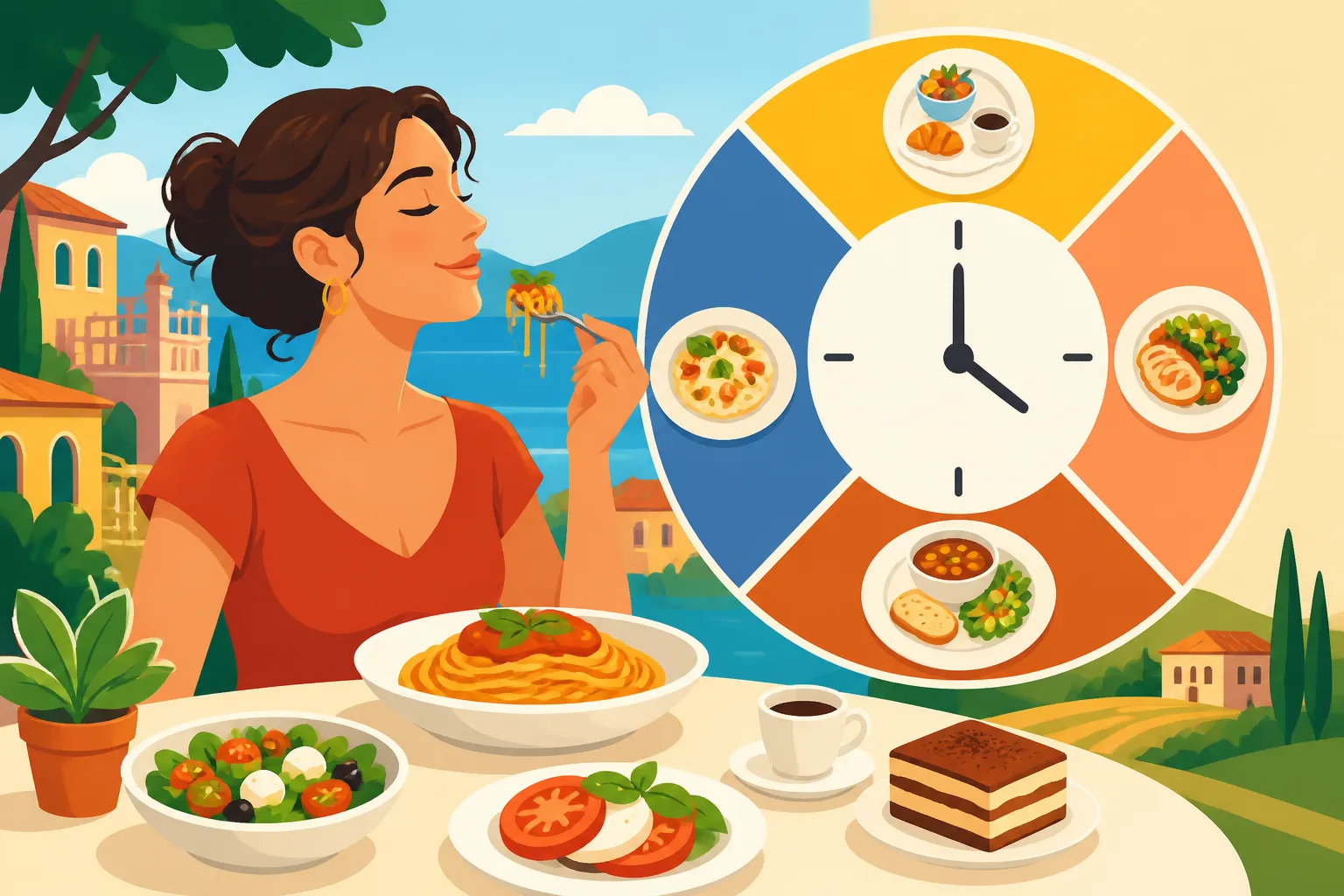
Italians live by a food clock that, while seemingly rigid, flows beautifully with the day's activities, climate, and social rituals. It’s not just about what you eat, but when you eat it, and with whom. Understanding this rhythm is key to truly immersing yourself in the culture, whether you're here for a short visit or settling in for the long haul. You'll quickly find that Italian meals are less about fueling up and more about a carefully orchestrated experience, a true appreciation for the moment and the company.
La Colazione: More Than Just Coffee
Let's start the day, shall we? La colazione, or breakfast, in Italy is often a stark contrast to the hearty, savory meals many of us are used to back home. If you're expecting eggs, bacon, or a full English, prepare for a delightful surprise. For most Italians, it's a quick, sweet affair designed to gently kickstart the metabolism rather than weigh it down. It’s typically consumed standing at a bar or quickly at home, almost as a prelude to the main events of the day.
You'll usually find locals enjoying a cornetto, which is essentially an Italian croissant, perhaps plain (vuoto), filled with apricot jam (albicocca), cream (crema), or chocolate (cioccolato). These are often flaky, buttery, and slightly less sweet than their French counterparts. Alongside this, the undisputed king of Italian breakfast is, of course, coffee. A quick cappuccino (but remember, only before 11 am, please!), an espresso, or a latte macchiato are the go-to choices. The ritual of standing at the bar, sipping your coffee, and perhaps exchanging a few quick words with the barista, is a quintessential Italian experience. It's not uncommon to see a plate of dry biscuits, like fette biscottate with jam, or a small slice of cake (torta) also making an appearance, especially for a home breakfast. It’s a moment of simple pleasure, a moment of calm before the bustling day truly begins.
Lo Spuntino: The Mid-Morning Snack
While not a formal meal, lo spuntino is a common and practical mid-morning snack that helps bridge the gap between a light breakfast and a substantial lunch. You'll observe this more among schoolchildren, office workers, or those with physically demanding jobs, but it's certainly not exclusive to them. It's designed to stave off hunger, provide a little energy boost, and prevent you from absolutely devouring your primo and secondo at midday.
Typically, a spuntino is something light and easily digestible. This could be a piece of fruit – an apple, a banana, or a pear are common choices – or perhaps a small yogurt. For some, it might be a handful of nuts or a simple cracker. You won't typically see elaborate sandwiches or heavy pastries here. It’s about sustenance without indulgence, a brief pause in the morning's activities. You might notice colleagues stepping out for a quick espresso and a small pastry if their morning started particularly early, but generally, it’s a more private, functional moment. Don't be surprised if your Italian friends pull out a piece of fruit from their bag around 10:30 or 11:00 am; they're just following a natural rhythm.
Il Pranzo: The Grand Midday Affair
Ah, il pranzo! This is where the magic really begins to unfold for many Italians. Historically, and still in many families and traditional workplaces, lunch is the most significant meal of the day. It’s a time to slow down, to reconnect, and to enjoy a proper, multi-course feast. While modern life has certainly influenced lunch habits, the reverence for this midday meal remains a strong cultural cornerstone. Forget the "desk lunch" mentality; Italians take their lunch seriously, and you should too.
The Traditional Structure of Lunch
A traditional Italian lunch is a magnificent, multi-act play, and it's far more elaborate than what most non-Italians might imagine for a "midday meal." It's not uncommon for these lunches, especially on weekends or during special occasions, to stretch for a couple of hours. This is where you truly experience the Italian philosophy of mangiare bene e vivere bene (eat well and live well). The sequence is typically as follows:
- Antipasto: Kicking things off, the antipasto (literally "before the meal") is a small appetizer designed to awaken your palate. This could be anything from cured meats like prosciutto and salame, marinated vegetables (verdure sott'olio), olives, local cheeses, or a bruschetta. It's a light, flavorful introduction that sets the stage for what's to come, never overwhelming but always enticing.
- Primo Piatto: The first course, or primo, is typically a carb-based dish. This is where pasta, rice (risotto), or soup (minestra) truly shine. Depending on the region, you might find fresh pasta like tagliatelle al ragù in Emilia-Romagna, a creamy risotto alla milanese in Lombardy, or a simple yet exquisite spaghetti al pomodoro anywhere in the country. It’s often a generous portion, flavorful and satisfying, but remember, there’s more to come!
- Secondo Piatto: Following the primo is the secondo, or main course. This will be your protein dish, typically meat or fish. You might encounter slow-cooked brasato, grilled bistecca, tender saltimbocca, or a delicate pesce al forno (baked fish). The preparation varies greatly by region, reflecting local produce and culinary traditions. It’s hearty and usually the focal point of the meal, demonstrating the chef’s skill with primary ingredients.
- Contorno: Accompanying the secondo, the contorno is a side dish, almost always vegetables. This could be a fresh salad (insalata mista), sautéed spinach (spinaci saltati), roasted potatoes (patate al forno), or seasonal grilled vegetables. It provides balance and freshness to the main protein.
- Dolce: To conclude the meal, there's the dolce, or dessert. This might be a slice of tiramisù, a rich panna cotta, a selection of local fruit, or a simple sorbetto. It’s a sweet, often light, finish that perfectly caps off the meal without leaving you feeling overly stuffed.
- Caffè & Digestivo: Finally, a strong espresso to aid digestion, and sometimes a digestivo – a small glass of limoncello, amaro, or grappa – to truly settle the stomach.
This traditional structure, especially in homes or traditional trattorie, is a testament to the Italian appreciation for food as a central element of life. It’s a moment of leisure, conversation, and family bonding. If you’re looking to truly experience Italian food culture, don't miss out on trying a full, multi-course meal at least once.
Modern Lunch Habits: Quick Bites vs. Long Lunches
While the traditional long lunch still thrives in certain settings, especially in southern Italy, on Sundays, or in smaller, more rural towns, modern life has inevitably brought changes. In bustling cities like Milan or Rome, and particularly for those working full-time, the midday meal has adapted to a faster pace. You'll find a blend of old and new, and it's important to know what to expect.
Many city-dwellers, especially younger generations or those with demanding jobs, might opt for a much quicker lunch. This could be a panino (sandwich) from a local bar or paninoteca, a slice of pizza al taglio (pizza by the slice), or a quick pasta dish from a tavola calda (hot table). These places cater specifically to the working crowd, offering delicious, ready-made options that can be consumed quickly, often standing or at a small counter. You'll see these spots fill up rapidly between 1:00 PM and 2:00 PM, buzzing with activity. For those needing to travel for work or leisure, services like Omio can help plan journeys to different regions where you can sample these varied lunch experiences.
However, even with these quicker options, the idea of a proper lunch break persists. Italians rarely eat at their desks; they still step out, even if just for 30-45 minutes, to enjoy their meal away from their workspace. The difference is simply in the number of courses and the leisurely pace. While a traditional trattoria might close its kitchen between 2:30 PM and 7:00 PM, catering to the longer lunch crowd, the quick-bite establishments often have more flexible hours, making it easier for those with tighter schedules. When exploring different cities for specific culinary experiences, sites like Booking.com can help you find accommodations conveniently located near a range of dining options, from quick panino spots to traditional ristoranti offering those glorious multi-course lunches.
La Merenda: The Afternoon Pick-Me-Up
Just when you thought the eating was done for a while after lunch, Italy introduces la merenda. This isn't a full meal, but rather a cherished afternoon snack, particularly important for children, but also enjoyed by adults, especially after a particularly active afternoon or just to bridge the gap until the late Italian dinner. It’s a moment of simple indulgence and often a social ritual for families.
For Kids and Grown-Ups Too
For children, la merenda is an essential part of their daily routine. After school, around 4:00 PM to 5:00 PM, you'll see kids eagerly tucking into a piece of fruit, a yogurt, a small fetta di torta (slice of cake), a pane e cioccolato (bread with a square of chocolate), or perhaps a simple focaccia. It’s a way to refuel their energy stores after a long school day and keep them happy until cena. Parents often prepare something homemade or pick up a fresh treat from a local bakery.
But it’s not just for the little ones! Adults, especially those who had a lighter lunch or who have been out and about exploring, might also enjoy a merenda. Imagine you've spent the afternoon touring a museum or hiking in the hills – a small pastry and an espresso can be a welcome boost. While it’s less formal for adults, the spirit of a brief, pleasant pause remains. It’s a small pleasure, a moment to recharge and enjoy something sweet or light before the evening truly kicks off. This habit highlights the Italian belief in regular, small moments of enjoyment throughout the day.
L'Aperitivo: The Golden Hour Before Dinner
If there's one evening ritual that truly captures the social essence of Italian life, it’s l'aperitivo. This isn't just a pre-dinner drink; it's a sophisticated social gathering, a moment to unwind, chat, and stimulate the appetite before the main event of cena. It’s a tradition steeped in elegance and conviviality, and one that every expat and tourist should absolutely embrace.
More Than Just a Drink: The Aperitivo Ritual
The aperitivo typically takes place between 6:00 PM and 8:00 PM, though it can stretch a bit later, especially on weekends. The idea is to gather with friends or colleagues at a bar or caffè, order a refreshing drink, and enjoy some light snacks. The drinks are usually bitter or sparkling, designed to "open" the appetite. Classic choices include a vibrant Spritz (Aperol or Campari), a dry Prosecco, a Negroni, or a simple glass of white wine. Non-alcoholic options like a Crodino or fruit juice are also popular.
What makes the aperitivo so special are the accompanying stuzzichini, or snacks. These aren't just an afterthought; they're an integral part of the experience. Depending on the establishment, you might get a small bowl of olives, peanuts, and potato chips. More elaborate bars will offer small plates of mini-sandwiches, small pizzas, bruschetta, or tiny quiches. The price of your drink typically includes these snacks, so you're getting a delightful bonus. It’s a low-pressure way to socialize, relax after a long day, and savor the transition from afternoon to evening. For a truly authentic experience of Italian wine, coffee, and aperitivo culture, make sure to seek out local spots that are buzzing with activity.
Apericena: When Aperitivo Becomes Dinner
In some northern Italian cities, particularly in places like Milan and Turin, the aperitivo has evolved into what is known as apericena. The name itself is a portmanteau of aperitivo and cena (dinner), and it perfectly describes the phenomenon: an aperitivo so generous it effectively replaces dinner. This trend has really taken off, especially among students and young professionals looking for a good value meal in a social setting.
At an apericena, for the price of one or two drinks (usually ranging from €8 to €15, depending on the city and venue), you gain access to an extensive buffet of food. This isn't just a few olives anymore! You'll find pasta salads, couscous, cold cuts, cheeses, grilled vegetables, mini pizzas, small portions of hot dishes, and sometimes even dessert. The quality can vary, but many places take pride in their apericena spread. It's a fantastic way to sample a variety of dishes and socialize without committing to a full, sit-down dinner. Just be mindful not to overdo it; while the buffet is often "all you can eat," the Italian sense of bella figura (making a good impression) still applies, so avoid piling your plate sky-high like you've never seen food before! For unique local food experiences, checking out sites like GetYourGuide might even reveal guided apericena tours that give you the inside scoop.
La Cena: The Late-Night Feast
Now, let's talk about dinner, or la cena. This is often the meal that trips up foreigners the most, primarily because of its timing. Many of us are accustomed to eating dinner earlier, say between 6:00 PM and 7:00 PM. In Italy, however, dinner generally starts much later, and trying to eat too early can lead to disappointment (and very empty restaurants).
When Italians Really Eat Dinner
If you wander into a restaurant in Italy at 6:30 PM, you'll likely find it deserted, with waiters still setting tables and the kitchen just beginning to stir. This is because the typical Italian dinner time really kicks off around 8:00 PM, and often later, especially in the southern regions or during the warmer summer months. In Rome, Florence, or Milan, you'll see restaurants begin to fill around 8:00 PM, with peak dining hours often between 8:30 PM and 9:30 PM. In the south, dinner can easily start closer to 9:00 PM or even 10:00 PM. This later timing is deeply ingrained in the culture, linked to longer daylight hours, warmer evenings, and the more relaxed pace of life.
Trying to find a proper sit-down restaurant serving a full cena much before 7:30 PM can be a challenge outside of highly tourist-centric areas that cater specifically to international visitors. Embrace the late start! Use the time beforehand to enjoy an aperitivo, take a leisurely stroll, or simply unwind. This later dining schedule is part of the charm and allows for a more extended, relaxed evening. If you're planning your travel between different Italian cities to experience their unique dinner traditions, remember that Omio can help you book trains or buses, making sure you arrive in time for the evening feast.
Structure of an Italian Dinner
The structure of dinner can mirror that of lunch, especially for special occasions, family gatherings, or when dining out at a more formal ristorante. You might still find an antipasto, primo, secondo with contorno, and dolce, followed by coffee and a digestivo. However, for everyday dinners at home, la cena is often a bit lighter and simpler than pranzo.
Many families might opt for just a primo (a pasta dish or soup), or a secondo with a contorno (meat/fish with a side salad). A simple pizza is also a very popular and common dinner choice, especially on a casual weeknight with friends or family. It's less about the grand multi-course affair and more about a comforting, satisfying meal to end the day. The emphasis is still on fresh, seasonal ingredients and good company. Wine is almost always present, even if just a small glass of house wine (vino della casa). Remember that when you're exploring How to Order a Full Italian Meal: Courses Explained, dinner will follow a similar, though often abbreviated, pattern to lunch. If you're looking for an authentic spot, make sure you know How to Find Authentic Restaurants in Italy (Not Tourist Traps) to truly experience the local evening dining.
Beyond the Main Meals: Coffee Breaks and Digestivi
Italian food culture extends well beyond the designated meal slots. It's interwoven into the fabric of daily life through specific rituals and traditions that emphasize enjoyment, community, and the simple pleasure of a good drink.
The Ubiquitous Coffee Break
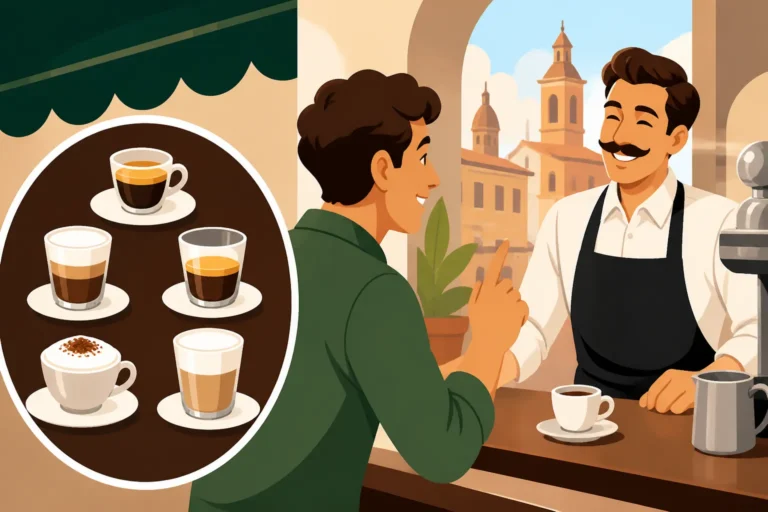
Coffee in Italy isn't just a morning pick-me-up; it's a social lubricant, a ritual, and a reason to pause at almost any time of day. While the cappuccino is reserved for breakfast, other coffee variations are consumed throughout the day, often standing at a bar. An espresso (just "caffè" in Italy) might be had mid-morning after lo spuntino, after lunch, mid-afternoon, and certainly after dinner. It’s a quick, intense burst of flavor and energy, often accompanied by a brief chat with the barista or a friend.
The coffee break is a sacred institution. It's not just about the caffeine; it's about the momentary escape, the connection, and the ritual itself. You'll see businesspeople in suits, construction workers in overalls, and students all sharing the same counter space, united by their love of coffee. Understanding How to Order Coffee in Italy Like a Local is a rite of passage for any newcomer and will quickly make you feel more integrated.
The Digestivo: A Post-Meal Tradition
After a substantial lunch or dinner, especially when dining out or during a family feast, the meal often concludes with a digestivo. As the name suggests, these are alcoholic beverages specifically intended to aid digestion. They are typically consumed slowly, in small glasses, after dessert and coffee.
Common digestivi include limoncello (a sweet, lemon-flavored liqueur from Southern Italy), various amari (bitter herbal liqueurs like Amaro Averna or Fernet-Branca), or grappa (a potent grape-based pomace brandy). Each has its own distinct flavor profile, from sweet and citrusy to intensely herbaceous and strong. The digestivo is the final punctuation mark on a beautiful meal, a lingering taste that signals the end of the culinary journey and allows for continued conversation and relaxation. It's a wonderful tradition to embrace, offering a gentle conclusion to the eating experience.
Navigating Italian Meal Times as an Expat/Tourist
So, you've got the lowdown on the meal structure and timings. Now, how do you actually make this work for you without constantly feeling hungry or finding yourself out of sync with the local dining scene? It takes a bit of adjustment, but once you get the hang of it, you'll be enjoying the Italian rhythm like a pro.
Restaurant Opening Hours: Don't Get Caught Out
This is perhaps the most crucial piece of advice for newcomers. Italian restaurants typically have very specific opening hours, especially for lunch and dinner.
- Lunch (Pranzo): Kitchens usually open around 12:30 PM and close between 2:30 PM and 3:00 PM. If you arrive at 3:15 PM, you’ll likely be politely turned away, even if the restaurant still has patrons finishing their meals.
- Dinner (Cena): Kitchens generally reopen around 7:00 PM or 7:30 PM, but as mentioned, locals rarely arrive before 8:00 PM. They will typically stop taking orders between 10:00 PM and 11:00 PM, again depending on the region and the type of establishment.
Bars and caffè that offer panini or quick bites often have more continuous hours throughout the day, which can be a lifesaver if you find yourself hungry outside the main meal windows. Pizzerie often only open for dinner, starting around 7:00 PM. It’s always a good idea to check the opening hours of a specific restaurant you want to visit, especially if you’re planning to dine earlier or later than the standard times. Sites like Booking.com can sometimes provide restaurant hours alongside accommodation details, and local Google Maps listings are usually quite accurate.
Adjusting Your Schedule to the Italian Rhythm
The best way to eat like a local is to genuinely try to adapt your internal clock. Here are a few tips:
- Embrace the Light Breakfast: Don't try to force a heavy meal. Enjoy a cappuccino and a cornetto. You'll be glad you did when pranzo rolls around.
- Strategic Snacking: Don't be afraid of lo spuntino or la merenda. Carry a piece of fruit or a small snack to tide you over between meals, especially if you’re used to eating more frequently. This is particularly useful if you're taking advantage of long travel days via services like Omio and need to keep your energy up between destinations.
- Plan Your Main Meals: Be aware of typical lunch and dinner times. If you want a full, multi-course experience, plan to be at the restaurant during their serving window. If you're exploring a new city, consider a food tour through GetYourGuide in the afternoon, which might combine a late lunch with an early aperitivo, helping you bridge the gap!
- Enjoy the Aperitivo: This is your secret weapon against pre-dinner hunger. It’s a delightful way to transition into the evening, enjoy a drink, and have some snacks without spoiling your appetite entirely for cena. Remember to learn about Aperitivo in Italy: The Pre-Dinner Ritual Explained so you can participate authentically.
- Stay Hydrated: Sometimes what feels like hunger is actually thirst, especially in the Italian heat. Keep water with you throughout the day.
- Don’t Overdo It: Italian food is delicious, but it’s easy to get carried away with multiple courses. Listen to your body and feel free to skip a course if you’re feeling full. You don't have to order an antipasto, primo, secondo, and dolce every single time, especially for dinner. Restaurant Etiquette in Italy: Coperto, Courses, and the Bill will give you some useful pointers on navigating the dining experience smoothly.
By understanding and gradually adopting these meal structures and timings, you'll not only eat better but also feel more connected to the authentic Italian way of life. Buon appetito!
Italian Meal Structure and Timing Overview
To help you keep track of the day's delicious schedule, here's a handy overview of the typical meal structure and timing you can expect when living or traveling in Italy.
| Meal | Typical Time Range | Description | Common Foods/Drinks |
|---|---|---|---|
| La Colazione | 7:00 AM – 10:00 AM | Light, sweet breakfast, often quick and standing at a bar. | Cappuccino, Espresso, Cornetto (croissant), Fette Biscottate with jam |
| Lo Spuntino | 10:30 AM – 11:30 AM | Optional mid-morning snack to bridge the gap until lunch. | Fruit, Yogurt, Small pastry, Nuts |
| Il Pranzo | 12:30 PM – 2:30 PM | Main meal of the day, traditionally multi-course. Can be quicker in cities. | Antipasto, Primo (pasta/risotto), Secondo (meat/fish), Contorno (vegetables), Dolce, Caffè |
| La Merenda | 4:00 PM – 5:30 PM | Afternoon snack, especially for children, but also enjoyed by adults. | Fruit, Yogurt, Cake, Bread with chocolate, Focaccia |
| L'Aperitivo | 6:00 PM – 8:00 PM | Pre-dinner social ritual with drinks and light snacks (stuzzichini). Can evolve into Apericena. | Spritz, Prosecco, Negroni, Olives, Chips, Mini-sandwiches, Small pizzas |
| La Cena | 8:00 PM – 10:00 PM (or later) | Dinner, often lighter than lunch, but can be multi-course for special occasions. Later in the south. | Primo or Secondo with Contorno, Pizza, Wine, Caffè, Digestivo |
Disclaimer
The information provided in this guide is for general informational purposes only and is based on common practices and experiences in Italy. Regional variations in customs, timing, and specific food offerings are prevalent throughout the country. While we strive to provide accurate and up-to-date information, local conditions, individual business practices, and official regulations can change. It is always advisable to verify specific details, such as restaurant opening hours or local traditions, especially when planning your activities.