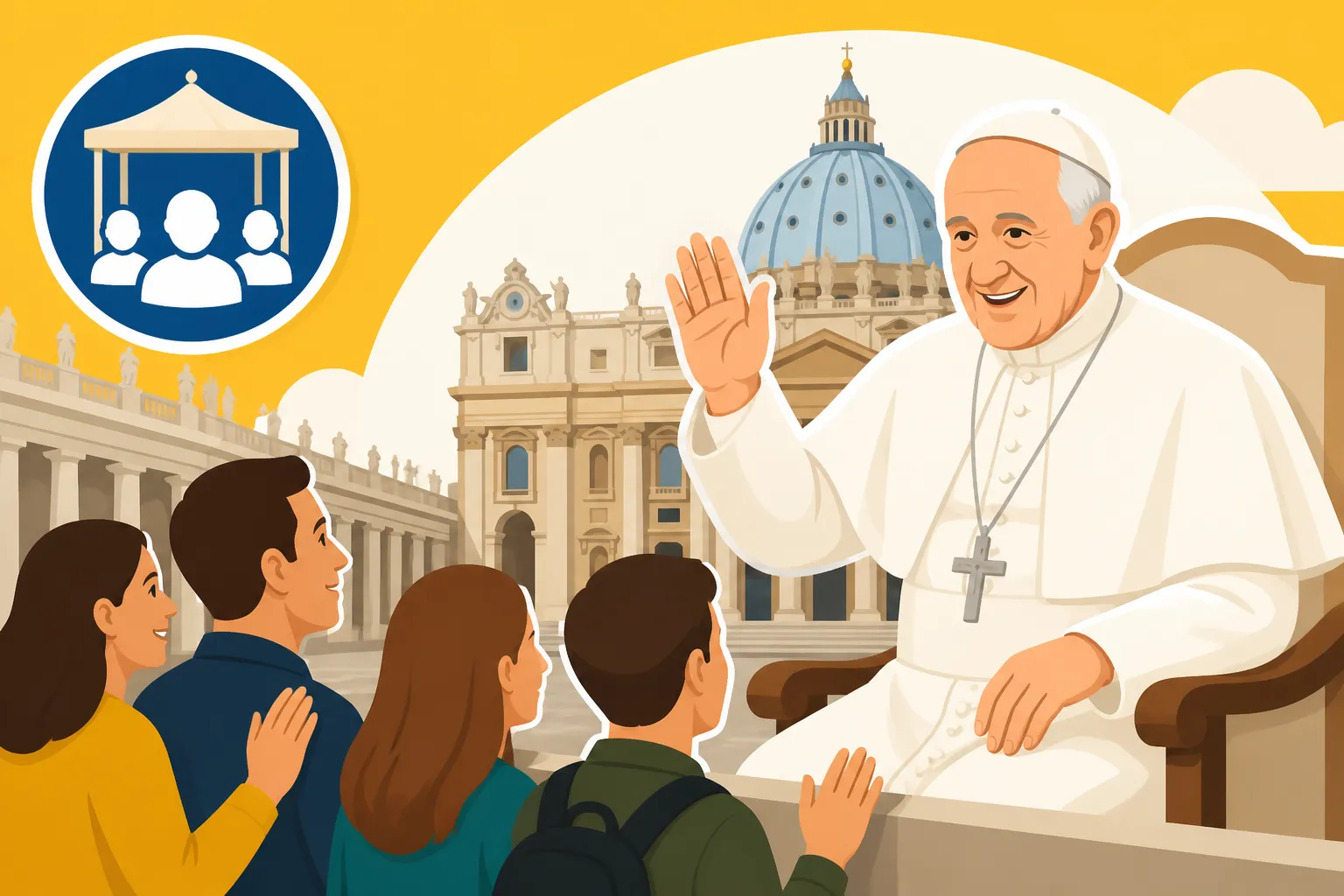
How to Attend a Papal Audience at the Vatican
Ah, the Papal Audience! For many, it's a deeply moving, once-in-a-lifetime experience, a true highlight of visiting Italy. But let's be honest, navigating the Vatican's official channels to secure a ticket can feel like deciphering an ancient scroll, full of baffling instructions and an administrative process that seems specifically designed to test your patience. If you've ever felt a wave of frustration just thinking about it, you're not alone! This guide is here to cut through the confusion, offering a clear, empathetic roadmap to help you attend a Papal Audience at the Vatican, ensuring you don't miss out on this incredible spiritual and cultural moment.
Disclosure: This post may contain affiliate links. We may earn a commission at no extra cost to you if you make a purchase through these links. Read full disclosure.
Understanding the Papal Audience: More Than Just a Mass
First things first, let's clear up a common misconception. A Papal Audience is not a Mass. It's a general audience where the Pope addresses pilgrims and visitors, offers teachings, readings, and a final blessing (the Apostolic Blessing). It's a wonderful opportunity to see the Holy Father in person and hear his message, but it doesn't follow the liturgy of a Mass.
What to Expect During the Audience
Typically, the General Audience is held on Wednesdays (when the Pope is in Rome and not on his summer break or other engagements). It usually starts around 9:00 AM or 9:30 AM, but the Pope will often do a "papal parade" through the crowd in his Popemobile beforehand, which is truly something to witness! The audience itself can last for 60 to 90 minutes.
The structure usually involves a greeting from the Pope, followed by scripture readings in various languages by Vatican officials. The Pope then delivers his message, which is usually a reflection or teaching, often centered around a specific theme. This message is typically given in Italian, but summaries or excerpts are often read aloud in other major languages (English, French, German, Spanish, Portuguese, Polish, sometimes more). It’s a truly multilingual affair, reflecting the global reach of the Catholic Church. Towards the end, the Pope imparts his Apostolic Blessing, which extends to those present, their families, and any religious articles (rosaries, medals, etc.) they have brought with them. This is a very special moment for many attendees.
The Significance for Visitors and Pilgrims
Whether you're deeply religious or simply curious about the historical and cultural impact of the Papacy, attending an audience can be incredibly meaningful. For Catholic pilgrims, it's a profound spiritual experience, a chance to connect with the head of their Church. For others, it's a unique insight into a centuries-old tradition, an impressive display of faith, and a chance to observe a truly global gathering. The sheer scale of St. Peter's Square, filled with thousands of people from all corners of the world, united by the presence of one man, is powerful. It’s a moment that transcends language and cultural barriers, fostering a sense of shared humanity. Many people describe feeling a deep sense of peace or inspiration during the event, regardless of their personal beliefs.
Securing Your Spot: The (Free!) Tickets You Need
This is where the infamous Italian bureaucracy can rear its head, but don't despair! The most important thing to remember is that tickets for the Papal Audience are always free. Do not pay anyone for tickets. What you're paying for with tour companies is convenience, not the ticket itself.
Why Tickets Are Essential and How They Work
You might wonder why you need a ticket for a free event. Well, it's all about crowd control and security. The Vatican needs to manage the thousands of people who want to attend, especially in the enclosed space of St. Peter's Square or, in colder or bad weather, inside the Paul VI Audience Hall. Your ticket essentially grants you access past the initial security checkpoints and into a designated seating area. Without a ticket, you'll be stuck outside the main barriers, able to hear but not see much.
These tickets are typically allocated on a first-come, first-served basis, and while they are free, there's a process you must follow to request them. It's not like buying a concert ticket; it's a formal request to the Prefettura della Casa Pontificia (Prefecture of the Papal Household).
The Application Process: Getting Your Request In
This is where planning ahead truly pays off. You can't just show up on Wednesday morning hoping for a ticket. Here's how to request them:
-
Directly through the Prefettura: This is the most official route. You need to download the request form from the Vatican website (search for "Prefettura della Casa Pontificia" and look for "Ufficio Udienze"). Fill it out carefully, specifying the date of the audience you wish to attend and the number of tickets.
- Sending the Request: The traditional method is by fax (yes, fax still exists in Italy's administrative landscape!) or by mail. Send it well in advance, ideally 2-4 months ahead of your desired date, especially if you're traveling during peak season or for a major holiday. You can usually find the fax number and mailing address on the same Vatican webpage where you download the form. It sounds antiquated, but that's Italy for you!
- Group vs. Individual: If you're a large group (10+ people), make sure to specify this on the form. For individuals or small families, the process is largely the same.
- Confirmation: You generally won't receive an email confirmation that your request has been received, only that the tickets will be available for pick-up if your request is granted. This lack of immediate digital feedback can be a source of expat frustration, so just trust the process and keep your sent fax confirmation.
-
Through Your Parish or Diocese: Sometimes, your local parish priest or diocesan office back home might have connections to help secure tickets, especially for large pilgrimage groups. It's worth inquiring, as this can sometimes streamline the process.
-
Through a North American College or Religious Orders in Rome: Certain institutions, like the North American College in Rome, assist English-speaking visitors in obtaining tickets. They often have dedicated staff who handle these requests regularly. This can be a more reassuring option for those wary of the direct Vatican fax method. You'll still need to contact them several weeks in advance. Many other national Catholic centers or religious orders in Rome also offer this service, so if you belong to a specific order or nationality, it's worth checking their websites.
Ticket Collection: The Final Hurdle
Even after you've submitted your request, there's still the small matter of picking up your tickets. This usually happens the day before the audience (Tuesday) or very early on the morning of the audience (Wednesday).
- Location: Tickets are collected from the Swiss Guard Post (Portone di Bronzo), which is located just after the security checkpoint as you enter St. Peter's Square, on the right side of the Basilica, under the colonnade. You'll see the distinctive blue, red, and yellow uniforms of the Swiss Guards.
- Timing: For Tuesday pick-up, it’s typically in the afternoon, often between 3:00 PM and 7:00 PM. On Wednesday morning, it's usually from 7:30 AM until about 8:30 AM (or until the audience begins). Be sure to double-check the exact times on the Vatican website or from the institution that helped you secure the tickets, as these can occasionally shift.
- What to Bring: Always bring a copy of your original request form, your ID (passport or carta d'identità if you're a resident), and be ready to state the name under which the tickets were reserved. Don't be surprised if there's a short queue; it's part of the authentic Roman experience!
| Feature | Papal Audience (General Audience) | Sunday Angelus Blessing |
|---|---|---|
| Frequency | Most Wednesdays (when Pope is in Rome) | Most Sundays (when Pope is in Rome) |
| Location | St. Peter's Square or Paul VI Audience Hall | St. Peter's Square |
| Tickets Required? | Yes, free tickets from Prefettura | No, free public access |
| Duration | 60-90 minutes (plus pre-show Popemobile parade) | ~15 minutes (Pope appears at Apostolic Palace window) |
| Content | Readings, teachings, multilingual summaries, Apostolic Blessing | Short address, Angelus prayer, blessing |
| Best For | In-depth experience, closer view of Pope, spiritual articles blessing | Casual viewing, quick blessing, less planning required |
The Big Day: What to Expect and How to Prepare
So you've got your tickets – bravissimi! Now, let's talk about making the actual day smooth and memorable. Even with tickets, there's an art to attending a Papal Audience.
Arriving Early and Security Checks
This cannot be stressed enough: arrive early! While the audience typically begins between 9:00 AM and 9:30 AM, you should aim to be in St. Peter's Square by 7:00 AM to 7:30 AM at the latest, especially during peak seasons like Easter or summer, or if you want a good seat.
- Security Lines: Think airport security, but for thousands of eager pilgrims. There are metal detectors, bag checks, and lines that can stretch quite far. The early bird genuinely gets the worm (or at least a decent view) here. The later you arrive, the further back you’ll be, or the longer you’ll stand in security.
- Choosing Your Entry Point: There are multiple entry points to St. Peter's Square. Look for the lines that seem to be moving fastest, but all will eventually lead you through security. Have your ticket ready to show the Swiss Guards and security personnel once you pass through the metal detectors.
Dress Code and Etiquette
Italy, especially the Vatican, values bella figura – looking good and presenting yourself respectfully. While the Papal Audience isn't as strict as entering St. Peter's Basilica, a modest dress code is still expected.
- Modesty is Key: This means covering your shoulders and knees. No tank tops, spaghetti straps, or overly short shorts/skirts. For men, long pants and shirts are best. While it might be hot, a light scarf or shawl can be easily packed to cover shoulders if needed. You don't want to be turned away at security after all that effort!
- Comfortable Shoes: You'll be doing a lot of standing and walking. St. Peter's Square is vast, and you might be standing for a couple of hours before the Pope even appears. Prioritize comfort over fashion for your footwear.
- Respectful Behavior: Remember you are in a sacred space. Keep noise to a minimum, be considerate of those around you, and avoid disruptive behavior. When the Pope is speaking or giving a blessing, it’s a moment of solemnity for many.
Finding Your Seat and the Atmosphere
Once through security, you'll be directed to seating areas. Your ticket usually doesn't assign a specific seat number, but rather a section.
- Seating Strategy: If you're in St. Peter's Square, try to get a seat along the central aisle if you want a chance to see the Popemobile up close during his entrance parade. Otherwise, aim for a seat closer to the main stage. The Paul VI Audience Hall has tiered seating, offering good views from most spots.
- The Waiting Game: There will be a wait. Use this time to soak in the atmosphere. You’ll hear different languages, see groups waving flags from their home countries, and feel a buzz of anticipation. Bring a small bottle of water, maybe a snack, and something to keep you occupied if you get bored. But truly, just watching the crowd and people-watching is part of the experience.
- The Popemobile: This is often a highlight! The Pope will make his entrance, riding through the square in his Popemobile, greeting the crowd. People will cheer, wave, and often call out his name. It's a truly electric moment, and many find it incredibly emotional.
- The Address: Once on stage, the audience proceeds as described earlier. There are large screens (maxi-schermi) throughout the square and hall, so even if you're not in the front row, you'll have a good view of the Pope.
Duration and Departure
The audience typically lasts for about 60 to 90 minutes. Once the final blessing is given, the Pope usually makes his exit. Then, the square begins to empty. It can take some time to navigate through the crowds, so factor that into your plans for the rest of your day. Don't rush out immediately; take a moment to reflect on the experience, and then slowly make your way towards the exits. If you plan to visit St. Peter's Basilica and the Vatican Museums after, be aware that lines will be long.
Beyond the Audience: Other Opportunities to See the Pope
What if your schedule doesn't align with a Wednesday audience, or you simply can't get tickets? Don't worry, there are other ways to see the Holy Father in Rome.
The Sunday Angelus Blessing
This is a much more informal and accessible way to see the Pope. Every Sunday at noon (when he's in Rome, typically from a window of the Apostolic Palace overlooking St. Peter's Square), the Pope leads the Angelus prayer, delivers a brief reflection, and imparts a blessing.
- No Tickets Needed: You simply walk into St. Peter's Square. Security checks are still in place, but they are generally less intense than for a General Audience.
- Timing: Aim to arrive around 11:00 AM to 11:30 AM to find a good spot. The event itself is much shorter, usually only about 15 minutes.
- Location: The Pope appears at a window of the Apostolic Palace, which is the building to the right of St. Peter's Basilica when you're facing it. You can't get as close as a Papal Audience, but you'll certainly see him, and feel the energy of the crowd.
- Accessibility: This is an excellent option for those with limited time, families with young children, or anyone who wants to avoid the more involved process of securing audience tickets. It's a truly beautiful tradition to witness.
Papal Masses and Special Events
Occasionally, the Pope celebrates Mass in St. Peter's Basilica or St. Peter's Square for major feasts or special occasions. These events also require tickets, obtained through the same Prefettura process, and are often even harder to get due to very high demand. Christmas, Easter, and canonizations are prime examples. Keep an eye on the Vatican website's calendar for announcements of such events if you're keen to attend a Papal Mass.
Planning Your Vatican Visit and Beyond
Attending a Papal Audience often means you're spending a good chunk of your day at the Vatican. It makes sense to integrate this into your broader travel plans for Rome and Italy.
- Accommodation in Rome: Finding a place to stay in Rome that's convenient for the Vatican can make your experience smoother. Websites like Booking.com offer a wide range of options, from charming B&Bs to larger hotels, many within walking distance or a short bus ride from St. Peter's. Staying in areas like Prati or Borgo can cut down on early morning transit stress.
- Getting to Rome: If you're coming from another Italian city, booking your train tickets in advance through platforms like Omio can save you a pretty penny and a lot of hassle. Italy's high-speed trains are efficient and connect major cities like Milan, Florence, and Naples to Rome. You can find more information on Getting Around Italy: Trains, Buses, Flights, and Car Hire.
- Exploring the Vatican Complex: While a Papal Audience is a free event, many visitors choose to combine it with exploring the magnificent Vatican Museums and St. Peter's Basilica. For these, consider a reputable tour provider like GetYourGuide to skip lines and gain deeper insights, especially for the museums which can have notoriously long queues. You'll find a wealth of information in our guide on Visiting the Vatican: St. Peter's and the Museums.
- Navigating Rome: Rome's public transportation, while sometimes a challenge for newcomers, is generally efficient enough to get you to the Vatican. The Ottaviano-S. Pietro metro stop (Line A) is the closest. Our guide on Public Transportation in Italian Cities: A Guide offers helpful tips.
- Italian Social Customs and Etiquette: Remember to be mindful of Italian Social Customs: Greetings, Gestures, and Personal Space and Dress Codes and Bella Figura in Italy throughout your visit to Italy, not just at the Vatican.
- Safety First: Rome, like any major city, requires you to be aware of your surroundings, especially in crowded tourist areas. Our guide on Staying Safe in Italy: Common-Sense Tips for Travelers has essential advice.
Attending a Papal Audience is a truly unique experience that connects you to centuries of history and a vibrant global community of faith. While the process might seem a bit daunting at first, with a little patience and the right information, you'll be well on your way to witnessing this incredible tradition firsthand. In bocca al lupo!
Disclaimer
Please note that while every effort has been made to provide accurate and up-to-date information, rules and procedures related to Vatican City and Papal audiences can change. It is always recommended to check the official Vatican website (www.vatican.va) or contact the Prefettura della Casa Pontificia directly for the most current information before making your travel plans.