Dress Codes and Bella Figura in Italy
One of the most common pitfalls for newcomers and seasoned expats alike in Italy is inadvertently clashing with the subtle, yet powerful, force of Italian dress codes and the unspoken philosophy of bella figura. You might find yourself feeling out of place, or even unintentionally disrespecting local customs, simply because you haven't quite cracked the code of what constitutes appropriate attire here. This guide is here to walk you through the nuances of Italian style, helping you master the art of looking and feeling right at home, no matter the occasion or the season.
Disclosure: This post may contain affiliate links. We may earn a commission at no extra cost to you if you make a purchase through these links. Read full disclosure.
The Heart of Italian Style: Understanding Bella Figura
Let’s be honest, you’ve heard the term bella figura before, probably in hushed, reverent tones. But what does it truly mean? It’s far more than just "looking good." It’s a foundational concept in Italian culture, a way of life that dictates how one presents themselves to the world, not just aesthetically, but in every aspect of their being. For many of us from less image-conscious cultures, it's a profound adjustment, often learned through a series of minor social stumbles.
More Than Just Looking Good: The Philosophy Behind It
Bella figura literally translates to "beautiful figure" or "good impression," but its scope is vast. It encompasses grace, elegance, good manners, and a certain self-awareness in public spaces. It's about conducting yourself with dignity, showing respect for others, and maintaining a polished demeanor, even when things go awry. Think of it as Italy's invisible social contract: everyone contributes to the overall beauty and harmony of public life. It means dressing appropriately for the context, speaking considerately, and even carrying yourself with a certain poise. It’s why you rarely see Italians yelling on their phones in public, or why even a quick trip to the grocery store might warrant a thoughtful outfit.
For example, imagine you're rushing through a crowded train station, perhaps after using a service like Omio to book your journey, you trip and nearly fall. A true Italian exhibiting bella figura would compose themselves quickly, perhaps offer a small, apologetic smile to those who witnessed it, and continue on with minimal fuss. They wouldn't make a huge scene, or draw undue attention to their embarrassment. Similarly, someone waiting patiently in a long line, despite internal frustration, is upholding bella figura. It’s a silent pact of collective elegance that can be genuinely perplexing to those of us accustomed to more individualistic, less performative social norms. It took me years to truly grasp that my torn jeans and worn t-shirt, while perfectly acceptable for a quick coffee run back home, sent a very different message here – one of indifference, perhaps, rather than casual comfort.
Why Bella Figura Matters to Italians (and Should to You)
The concept of bella figura is deeply ingrained and serves as a social lubricant, facilitating smoother interactions and fostering a sense of shared community pride. It’s about respect: respect for yourself, respect for others, and respect for the beauty of your surroundings. When you make an effort to align with this philosophy, you’re not just fitting in; you’re showing that you value the culture and its customs. It signals that you are an engaged participant, not just a casual observer. This can open doors, lead to warmer interactions, and even help you navigate the often-frustrating Italian bureaucracy with a bit more ease.
Consider a hypothetical situation: you're trying to resolve an issue at the local comune. If you arrive looking disheveled, speaking loudly, and generally exhibiting impatience, you'll likely face a much colder reception than if you present yourself calmly, politely, and well-dressed. The person behind the counter, like many Italians, will unconsciously respond to your presentation. This isn't about snobbery; it’s about a deeply held cultural value. Embracing bella figura in your everyday interactions, from ordering coffee to navigating public transport, demonstrates an understanding and appreciation for Italian customs, etiquette, and social life. It truly makes a difference in how you are perceived and treated.
Decoding Italian Dress Codes for Everyday Life
Now that we’ve touched on the philosophy, let’s get down to the practicalities. The Italian approach to daily wear is often described as "casual chic." Forget the idea that "casual" means "anything goes." In Italy, "casual" still implies an element of polish, thoughtfulness, and style.
Casual Chic: Elevating Your Daily Wear
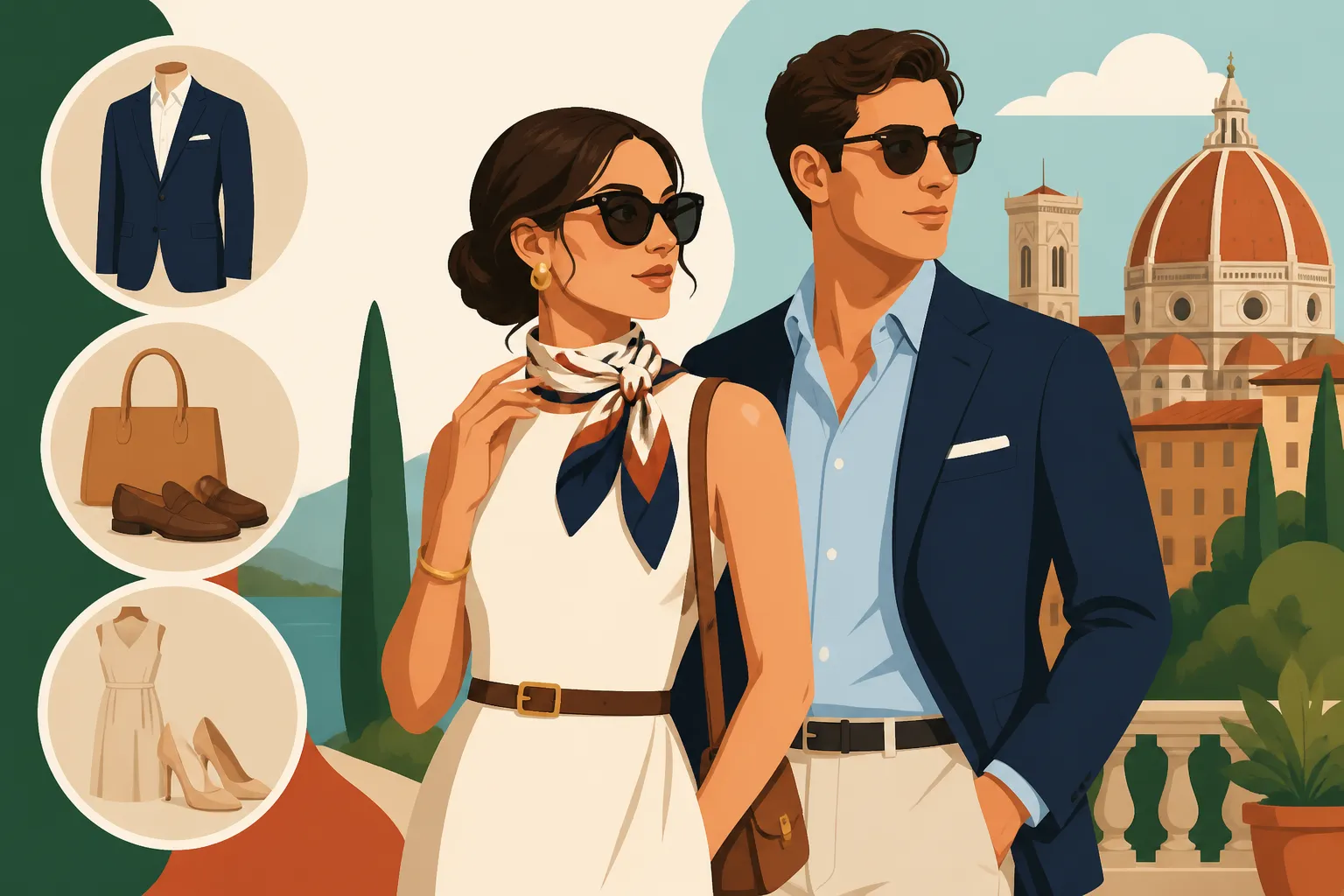
When Italians say "casual," they’re not thinking about sweatpants or faded college t-shirts. They're envisioning well-fitting clothes, good quality fabrics, and an overall put-together look. For men, this might mean tailored jeans or smart chinos paired with a button-down shirt or a well-fitting polo, perhaps a lightweight blazer thrown over the shoulders. For women, dark, well-cut jeans, stylish trousers, or skirts with elegant blouses or knit tops are common. Think clean lines, natural fibers, and neutral colors with occasional pops of tasteful color. Even a simple t-shirt needs to be ironed and free of stains or holes. The goal is effortless elegance, not sloppy comfort.
The stark contrast to what many North Americans or Northern Europeans consider casual can be jarring. I remember my first few weeks in Italy, walking around in my favorite comfy leggings and oversized hoodie, feeling perfectly fine until I noticed the subtle, almost imperceptible glances. It wasn't hostile, just… quizzical. It dawned on me that my attire, which screamed "lounging at home" back in Canada, here simply screamed "tourist who hasn't tried." It's a constant reminder that perception is everything. Investing in a few key pieces that are versatile and well-made will serve you far better than a closet full of truly "casual" items.
The Importance of Footwear
If there’s one item of clothing that Italians scrutinize, it’s shoes. Footwear can make or break an outfit and is often the first thing an Italian notices. Comfortable, broken-in walking shoes are a must for navigating Italy’s cobblestone streets and endless charming alleys, but they shouldn't look like they’ve seen better days. Leave the grubby trainers at home. Instead, opt for stylish sneakers (think clean white leather, fashion-forward designs), elegant loafers, or fashionable ankle boots. In warmer months, chic sandals are acceptable, but generally, flip-flops are reserved strictly for the beach or pool.
Balancing practicality with style is an art form here. I learned this the hard way after sporting my beloved, but distinctly un-stylish, hiking sandals around Florence for a week. While my feet were happy, my overall bella figura was certainly not. You’ll see Italian women deftly navigate uneven pavements in low heels or wedges, while men often favor sleek leather shoes or smart, understated sneakers. Always ensure your shoes are clean and in good repair. A scuffed or worn pair can instantly downgrade an otherwise impeccable outfit.
Accessories: The Italian Finishing Touch
Accessories in Italy aren't just an afterthought; they are an integral part of the outfit, often used to personalize, elevate, and complete a look. A simple outfit can be transformed by the right scarf, belt, handbag, or piece of jewelry. Italian women, in particular, are masters of the scarf – it can be a statement piece, a pop of color, or a practical layer against a sudden breeze. For men, a good quality watch, a stylish belt, or even a well-chosen pair of sunglasses can make all the difference.
Think of accessories as your secret weapon for bella figura. They allow you to add your unique flair without overdoing it. A classic leather handbag, a simple but elegant necklace, or a striking silk scarf can pull together an entire ensemble. This is also where you can express a bit of personality without breaking the bank. There are fantastic markets throughout Italy where you can find beautiful scarves, jewelry, and leather goods. When I'm looking for unique gifts or a little something to elevate my own look, I often check out the local markets, or even explore boutiques after a refreshing coffee stop I've found on a GetYourGuide food tour.
Dress Codes for Specific Occasions and Venues
While everyday style has its nuances, certain Italian venues and occasions demand a more specific adherence to dress codes. Ignoring these can lead to awkward moments or, worse, being denied entry.
Religious Sites: Respect and Reverence
This is probably the most widely known and least flexible dress code in Italy, especially for visitors. When visiting churches, cathedrals, basilicas, or any religious site (including the Vatican), both men and women must cover their shoulders and knees. This rule is non-negotiable and strictly enforced. You'll often see signs outside churches depicting the requirements, and guards or volunteers will turn away anyone not dressed appropriately.
My first encounter with this rule was a sweltering summer day in Rome. I had forgotten to pack a scarf and was wearing a sleeveless top. Despite the heat, I was politely, but firmly, denied entry to a beautiful small church until I purchased a flimsy, overpriced scarf from a street vendor. It was a learning experience! My advice: always carry a lightweight scarf or shawl with you, especially during warmer months. It’s easy to throw on over bare shoulders and can double as a head covering if needed. For men, this means avoiding tank tops and shorts that are too short. Long shorts (bermudas) that hit at or just below the knee are often acceptable, but full-length trousers are always the safest bet. It’s about showing respect for a sacred space, a topic extensively covered in guides like How to Dress for Churches and Religious Sites in Italy.
Dining Out: From Trattoria to Fine Dining
The dress code for dining out in Italy varies greatly depending on the type of establishment, but a general rule of thumb is: when in doubt, dress up. You’ll never be turned away for being too well-dressed, but you might feel uncomfortable or even unwelcome if you're underdressed.
- Casual Pizzerias and Trattorias: For a relaxed pizza night or a meal at a rustic trattoria, smart casual is perfectly fine. Think neat jeans or chinos, a polo shirt or simple blouse, and comfortable, stylish shoes. You don’t need to be formal, but avoid beachwear, overly casual shorts, or athletic gear.
- Mid-Range Restaurants: For a nicer sit-down meal, elevate your look a bit. Men might wear a button-down shirt and smart trousers, possibly with a blazer. Women could opt for a dress, a skirt and blouse combination, or smart trousers with a chic top.
- Fine Dining: If you're planning a special evening at an upscale restaurant, especially in cities like Milan or Rome, you absolutely need to dress the part. Men should wear a suit jacket, dress shirt, and trousers (a tie is often optional but appreciated). Women should choose an elegant dress, a sophisticated skirt suit, or tailored separates. This is where you can truly embrace Italian glamour. Remember to check out Restaurant Etiquette in Italy: Coperto, Courses, and the Bill for other dining customs.
Theatres, Opera, and Special Events
Attending an opera at La Scala in Milan, a concert at the Arena di Verona, or a play at any of Italy's grand theatres is a truly special experience, and it's an opportunity to fully embrace bella figura with formal wear. Italians view these events as a chance to dress exquisitely.
For these occasions, women often wear elegant evening dresses, cocktail dresses, or chic trouser suits. Men typically wear suits, and for opening nights or very prestigious events, a tuxedo might even be appropriate. While it’s not always strictly enforced to the letter, arriving in jeans and a t-shirt would be a significant cultural misstep. Even if you're attending a less formal performance, a smart dress or tailored separates for women and a sports jacket with smart trousers for men would be the minimum. It’s part of the magic of the evening to dress up and contribute to the overall atmosphere of sophistication and beauty. This is where those statement accessories and impeccable footwear truly shine.
Seasonal Style: Dressing for Italy's Climate
Italy’s climate varies dramatically from north to south and from season to season. Dressing appropriately for the weather while maintaining bella figura requires a bit of planning.
Spring and Autumn: Layers are Your Best Friend
These transitional seasons (roughly April-May and September-October) are arguably the most beautiful times to visit and live in Italy. The weather can be wonderfully mild, but also unpredictable, with warm sunny days giving way to cool evenings or sudden showers. Layers are absolutely essential.
For spring and autumn, pack lightweight sweaters, long-sleeved tops, versatile blouses, a stylish trench coat or a leather jacket, and perhaps a blazer. Scarves are invaluable for warmth, style, and protection from unexpected breezes. You'll want to choose items that can be easily added or removed as the temperature changes throughout the day. For example, a crisp white shirt under a V-neck sweater, paired with tailored trousers and comfortable loafers, can take you from a morning cappuccino to an evening aperitivo without missing a beat. This layering technique allows you to adapt while always looking polished.
Summer in Italy: Staying Cool and Stylish
Italian summers, especially in the south and in cities, can be incredibly hot and humid. The challenge is to stay cool without sacrificing style. Light, breathable fabrics are your best friends: linen, cotton, and silk. Opt for looser cuts that allow for airflow. While sleeveless tops and dresses are acceptable in cities, especially in more modern areas, remember the rule about covering shoulders for churches.
Colors tend to lighten in summer, with whites, pastels, and bright hues becoming more prevalent. Flowy maxi dresses, chic capri pants, tailored shorts (not too short!), and stylish sandals are perfect. Men can wear linen shirts, polo shirts, and lightweight cotton trousers or smart shorts. Again, leave the flip-flops for the beach. Sunglasses are not just for sun protection; they're a key accessory for Italian summer chic. Even on the hottest days, Italians manage to look effortlessly stylish, a testament to thoughtful fabric choices and smart accessorizing. When exploring coastal towns, you might be a bit more relaxed, but in cities, always aim for that elevated summer look, whether you're enjoying the sun in Northern Italy: Alps, Lakes, and Cities or the warmth of Southern Italy and the Islands: Sicily, Sardinia, and Beyond.
Winter Warmth: Elegance in the Cold
Italian winters can range from mild and rainy (especially in the south) to quite cold and snowy (particularly in the north and mountainous regions). The key here is warmth combined with quality and elegance.
A good quality, well-fitting coat is the cornerstone of any Italian winter wardrobe. Think wool or cashmere blend coats in classic colors like black, navy, or camel. Layering is still important: warm sweaters, thermal tops, and scarves (often wool or cashmere) are essential. Boots are a winter staple, whether stylish ankle boots or elegant knee-high options, preferably waterproof if you’re in a city prone to rain. Gloves, hats, and scarves become not just practical items, but also opportunities to add flair to your winter ensembles. Even in the cold, Italians eschew puffy, overly utilitarian winter gear in favor of structured, elegant pieces.
Packing Smart: Building an Expat Wardrobe
Moving to or traveling extensively in Italy requires a smart approach to your wardrobe. It’s not about having a huge collection of clothes, but rather a carefully curated selection of versatile pieces.
Versatility is Key: Mix and Match Pieces
When building your Italian wardrobe, think "capsule." Choose a core color palette (e.g., black, navy, grey, beige) and then add complementary colors and patterns. Focus on versatile pieces that can be dressed up or down with a change of accessories or shoes. A pair of tailored black trousers, for instance, can be worn with sneakers and a t-shirt for a casual day, or with heels and a silk blouse for an evening out. A simple black dress can go from day to night with different jewelry and footwear.
This approach not only makes packing and daily dressing easier but also ensures you're always prepared for any social situation that might arise. Consider the practicalities, too: how easily can items be hand-washed or dry-cleaned? Quality over quantity is a maxim that truly applies here. You'll find that a few well-made garments that fit perfectly and can be interchanged will serve you far better than a large collection of less thoughtful pieces.
Brands and Shopping: Where to Find Your Italian Style
Italy is, of course, a global fashion capital, and shopping here can be an absolute delight. From high-end designer boutiques to charming local artisan shops and bustling markets, there’s something for every budget and taste. Exploring these options is part of the experience, and you might even use services like Booking.com to find a hotel near the best shopping districts in Florence or Milan.
- Boutiques and Department Stores: Major cities like Milan, Rome, and Florence boast flagship stores for renowned Italian designers (Gucci, Prada, Versace) as well as more accessible brands. Department stores like La Rinascente offer a wide range of national and international brands. This is where you'll find the latest trends and high-quality staples.
- Local Markets: For unique finds, artisanal products, and often more budget-friendly options, don't miss Italy’s vibrant local markets. You can find beautiful leather goods, scarves, jewelry, and clothing that reflect regional styles. These are also great places to experience local culture. If you're looking to really dive deep into Shopping in Italy: Markets, Boutiques, and Outlets, a visit to a local market is a must.
- Saldi (Sales): Twice a year, Italy holds nationwide sales (January/February and July/August), known as saldi. This is an excellent time to grab those higher-quality pieces at a significant discount. Plan your shopping trips accordingly, perhaps even using Omio to easily travel between cities to hit different sales. For more curated shopping experiences, consider a GetYourGuide tour focused on local crafts or fashion.
Here's a quick overview of dress code expectations for different scenarios:
| Occasion/Venue | Men's Dress Code | Women's Dress Code | Key Considerations |
|---|---|---|---|
| Everyday City Wear | Tailored jeans/chinos, smart polo/button-down, stylish sneakers/loafers | Smart jeans/trousers/skirt, elegant top, chic flats/sneakers | Polished, well-fitting, no overtly casual athletic wear. |
| Religious Sites | Long trousers, collared shirt (shoulders covered) | Knees and shoulders covered (carry a scarf!) | Strict, non-negotiable. Respectful attire. |
| Casual Trattoria/Pizzeria | Neat jeans/chinos, t-shirt/polo, comfortable shoes | Casual dress, smart skirt/trousers, comfortable shoes | Relaxed but still put-together. Avoid beachwear. |
| Mid-Range Restaurant | Smart trousers, button-down shirt, blazer (optional) | Dress, skirt/blouse, tailored trousers, low heels/flats | Elevated casual, more refined. |
| Fine Dining/Opera | Suit, dress shirt (tie optional/recommended) | Elegant evening dress, cocktail dress, chic suit | Formal, sophisticated, an opportunity to shine. |
| Beach/Poolside | Swim shorts, t-shirt, flip-flops | Swimsuit, cover-up, flip-flops/sandals | Confine beachwear to appropriate settings. |
Common Fashion Faux Pas to Avoid
While embracing Italian style is about what to do, it's equally important to know what not to do. These aren’t strict rules to punish you, but rather observations on common missteps that can make you stand out in a way you might not intend.
The "Tourist Trap" Look
We've all seen it: the person in the ill-fitting cargo shorts, bright Hawaiian shirt, chunky white sneakers, and a massive backpack while navigating the streets of Rome. This ensemble, while comfortable for a long flight, immediately labels you as a tourist, making you a potential target for pickpockets and often leading to less authentic interactions. Italians generally dress with intention, even for a casual stroll.
To avoid this, aim for comfortable but sophisticated pieces. Swap the cargo shorts for tailored linen shorts or capris. Replace the loud t-shirt with a neat polo or a crisp cotton blouse. Ditch the bulky backpack for a smaller, more secure crossbody bag or a stylish tote. While practicality is important, especially when traveling extensively and using services like Getting Around Italy: Trains, Buses, Flights, and Car Hire, finding a balance that aligns with local aesthetics will make your experience far more seamless and enjoyable. It's not about being someone you're not, but simply adjusting your approach to blend in.
Dressing Too Revealingly
While Italy is known for its fashion-forward approach, there’s a distinct difference in what is considered appropriate or "sexy" versus what might be seen as crude or inappropriate, especially outside of beach towns or nightlife. This is particularly true for women. Very short skirts or shorts, overly plunging necklines, or excessive cleavage are generally not part of mainstream Italian daily wear, especially in cities or smaller towns. It’s less about puritanism and more about a cultural preference for understated elegance and mystery.
Italian women often dress in ways that highlight their figures through well-tailored clothes, rather than baring a lot of skin. The idea is to be alluring and confident, but always with a sense of decoro (decorum). In warmer weather, lighter fabrics and looser fits are preferred to skim the body without being overly revealing. This distinction can be a subtle one, but it’s a crucial aspect of presenting yourself with bella figura. It’s not about judgment, but about understanding the local cultural comfort levels and showing respect through your choices.
Disclaimer
The information provided in this guide is intended for general informational purposes only and is subject to change. While we strive to offer accurate and up-to-date advice based on personal experience and common cultural norms in Italy, individual circumstances and local regulations may vary. We recommend verifying specific requirements, such as dress codes for certain venues, prior to your visit or relocation.