Renaissance Art in Italy: Where to See the Masterpieces
Navigating the art world in Italy can feel like trying to drink from a firehose – exhilarating, yes, but also utterly overwhelming. You’ve heard the names: Leonardo, Michelangelo, Raphael, Botticelli, Titian. But where do you actually go to stand face-to-face with their genius, beyond just seeing a picture in a textbook? This guide is your personal roadmap, designed to cut through the noise and show you exactly where to find the jaw-dropping masterpieces of the Italian Renaissance, offering practical advice from someone who’s been there, felt that art-induced awe, and probably got lost a few times along the way.
Disclosure: This post may contain affiliate links. We may earn a commission at no extra cost to you if you make a purchase through these links. Read full disclosure.
The Birthplace of the Renaissance: Florence, Tuscany
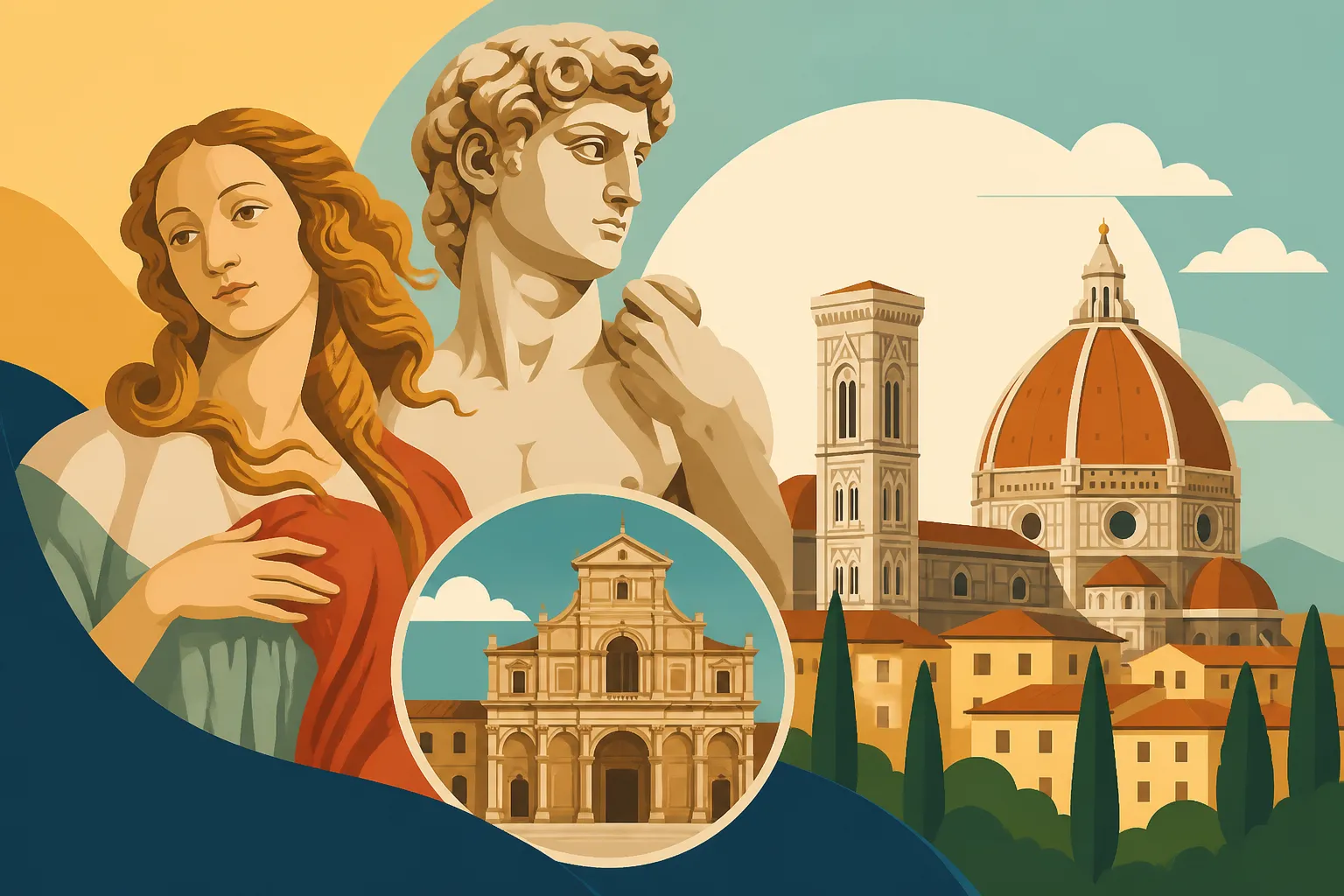
If the Renaissance had a cradle, it would undoubtedly be Florence. This Tuscan capital is practically an open-air museum, where every corner seems to whisper tales of artists, patrons, and revolutionary ideas that reshaped Western civilization. As an expat living here for years, I can tell you there's a magic to Florence that permeates everything, especially its art. You simply can't visit Italy without a deep dive into Florentine Renaissance art.
Uffizi Gallery: A Treasure Trove
The Uffizi Gallery is arguably the most important art museum in Italy, and possibly one of the most significant in the world, dedicated almost entirely to the Renaissance. Stepping inside is like walking into a visual encyclopedia of the era, from early Renaissance masters like Giotto to the High Renaissance giants. It’s where art history comes alive in vibrant, breathtaking color.
You'll find Botticelli's iconic "Birth of Venus" and "Primavera" here, two works that encapsulate the beauty, mythology, and humanist ideals of the Florentine Renaissance. Seeing the delicate brushwork, the serene expressions, and the sheer scale of these paintings in person is an experience that digital reproductions simply cannot replicate. Then there's Leonardo da Vinci's early work, "Annunciation," showcasing his nascent mastery of light and shadow, and Michelangelo's "Doni Tondo," his only panel painting, a vibrant circular depiction that feels almost sculpted. Don't rush through; allow yourself ample time to absorb the genius. It’s not just about seeing the art; it’s about feeling the weight of history and innovation that these pieces represent. Remember that popular demand means queues can be daunting, so definitely look into booking your tickets well in advance. Consider using a service like GetYourGuide for skip-the-line access or a guided tour to maximize your time and understanding. For more detailed tips on securing your visit, check out our guide on how to get tickets for the Uffizi Gallery in Florence.
Accademia Gallery: David's Domain
While the Uffizi holds a vast collection, the Accademia Gallery is singular in its star attraction: Michelangelo's "David." And let me tell you, no photo, no replica, no virtual tour can prepare you for the sheer power and presence of this masterpiece. It’s not just a statue; it’s a living, breathing testament to human potential and artistic genius.
Michelangelo carved "David" from a single block of marble, transforming it into an athletic, defiant youth poised before battle. The intricate details, from the veins on his hands to the intense gaze in his eyes, are utterly mesmerizing. This isn't just a symbol of Florentine liberty; it's a triumph of human artistry. Beyond David, the Accademia also houses Michelangelo's unfinished "Prisoners" (or "Slaves"), offering a fascinating glimpse into his working process, as if the figures are still struggling to free themselves from the stone. The gallery also features other Renaissance paintings and sculptures, but truthfully, most visitors are there for David, and for good reason. It’s one of those bucket-list items that lives up to every expectation. If you're specifically going for this iconic sculpture, you'll want to read our dedicated post on where to see Michelangelo's David in Florence.
Pitti Palace and Boboli Gardens: Medici Grandeur
Just across the Arno River, the Pitti Palace stands as a monumental testament to the wealth and power of the Medici family. Originally built for a Florentine banker, it was later purchased by the Medici and became their primary residence and a vast repository for their art collection. It offers a different, more opulent perspective on the Renaissance than the Uffizi or Accademia.
The palace is home to several museums, but for Renaissance art, the Palatine Gallery is the main draw. Here, you'll find an astonishing collection of works by Raphael, Titian, and Rubens, hung in the lavish, original Medici-era settings. Unlike the more traditional museum presentation, the Palatine Gallery feels like stepping into a private collection, with paintings covering walls from floor to ceiling. Raphael's "Madonna della Seggiola" and Titian's portraits are particular highlights. After immersing yourself in art, step out into the Boboli Gardens, an exquisite example of Italian garden design, featuring statues, fountains, and grottoes, offering a peaceful retreat and stunning views of Florence. It's a wonderful way to experience the broader cultural impact of the Renaissance, from art to landscape architecture.
Eternal City's Renaissance Gems: Rome and Vatican City
Rome, the Eternal City, often brings to mind ancient ruins and Baroque grandeur, but it was also a pivotal center for the High Renaissance, especially under the patronage of powerful popes. While Florence gave birth to the movement, Rome nurtured it to its magnificent peak, drawing artists like Michelangelo and Raphael to create some of their most iconic works within its sacred walls.
Vatican Museums and Sistine Chapel: Michelangelo's Divine Work
No discussion of Renaissance art in Rome can bypass the Vatican Museums and the awe-inspiring Sistine Chapel. Prepare yourself for crowds, but also for an experience that transcends mere tourism. This is where you encounter Michelangelo’s ceiling and "The Last Judgment" on a scale that will humble you.
The journey through the Vatican Museums is a pilgrimage through art history, leading you through galleries filled with ancient sculptures, tapestries, and paintings. But the grand finale, of course, is the Sistine Chapel. Seeing Michelangelo's ceiling, with scenes like "The Creation of Adam," painted high above you, is an almost spiritual moment. It's an explosion of color, detail, and emotion that took him four years to complete, lying on his back. Then, gaze upon "The Last Judgment" on the altar wall, a monumental and dramatic fresco painted decades later, showcasing his evolved style. Raphael's Rooms, particularly the "Stanza della Segnatura" with "The School of Athens," are another highlight within the museums, displaying his mastery of perspective and composition. It’s a lot to take in, so planning your visit is key. Consider a guided tour to navigate the labyrinthine museums and truly appreciate the history. Our guide on visiting the Vatican: St. Peter's and the Museums provides invaluable tips for planning your visit to this incredible site.
Borghese Gallery: Bernini and Caravaggio
The Borghese Gallery, nestled within the beautiful Borghese Gardens, offers a more intimate and curated experience of Renaissance and Baroque art. While it's particularly famous for its incredible collection of Bernini sculptures and Caravaggio paintings, it also holds significant Renaissance works, especially by Raphael and Titian.
Housed in a stunning villa, the gallery allows for a limited number of visitors at a time, making for a much more pleasant viewing experience than the Vatican. Here, you'll find Raphael's "Deposition" and "Lady with a Unicorn," showcasing his serene beauty and compositional brilliance. Titian's "Sacred and Profane Love" is another standout, a masterpiece of Venetian High Renaissance painting. The way the art is displayed, often in rooms designed to complement the works, feels incredibly personal. Booking your entry time slot well in advance is absolutely essential; you cannot just walk in. It’s a truly elegant way to encounter some of Italy’s most precious artworks.
Churches and Villas: Beyond the Main Museums
While the major museums in Rome are unmissable, don't forget that many Renaissance masterpieces are still found in their original settings: the churches and villas for which they were commissioned. These hidden gems offer a chance to connect with the art in a more authentic context, often away from the largest crowds.
One such place is Santa Maria del Popolo, which houses two Caravaggio masterpieces in the Cerasi Chapel and an Ascension of the Virgin by Annibale Carracci. Another incredible spot is the Villa Farnesina in Trastevere, a stunning suburban villa decorated with frescoes by Raphael and his workshop, including the breathtaking "Triumph of Galatea." Stepping into this villa is like being transported back in time to a Renaissance garden party, experiencing the secular art that adorned the lives of the wealthy. Even smaller churches might hold a hidden gem, a testament to the pervasive influence of the Renaissance. Exploring these sites requires a bit more legwork but offers immense rewards for the dedicated art lover. For ideas on venturing out, consider our tips for Best Day Trips From Rome by Train.
Northern Italy's Renaissance Highlights: Milan and Venice
While Florence and Rome are the titans of the Renaissance art world, Northern Italy also boasts its own unique and incredibly significant contributions, with Milan and Venice offering distinct flavors of the era. Each city developed its own artistic style, reflecting its culture, wealth, and unique position in the Italian peninsula.
Milan: The Last Supper and Castello Sforzesco
Milan, often seen as Italy's fashion and finance capital, played a crucial role during the Renaissance, primarily under the Sforza family. Its most famous Renaissance masterpiece is undoubtedly Leonardo da Vinci's "The Last Supper." This iconic mural, hidden within the Santa Maria delle Grazie convent, is a powerful depiction of Christ's final meal with his apostles.
The painting captures the intense moment after Christ announces that one of his disciples will betray him, with each apostle displaying a unique and profound emotional reaction. Leonardo's innovative use of perspective and psychological depth makes this work revolutionary. Due to its delicate condition and strict conservation efforts, viewing "The Last Supper" requires booking well in advance – often months ahead of time. You’ll only have a short window to observe it, but it’s an unforgettable experience. Beyond this, the Castello Sforzesco, once a fortress for the Sforza dukes, houses numerous art collections, including Michelangelo's unfinished "Rondanini Pietà," his final work, a deeply moving sculpture that offers a stark contrast to the youthful vigor of his "David." The Castello also features frescoes by Leonardo and other Renaissance artists, providing a comprehensive look at Milanese Renaissance art.
Venice: Titian, Tintoretto, and Veronese
Venice, the Republic of La Serenissima, developed a vibrant and distinct Renaissance artistic tradition known for its rich colors, dramatic lighting, and emphasis on sensuality and emotion. The Venetian masters like Titian, Tintoretto, and Veronese took painting in new directions, making the city a must-visit for any Renaissance art enthusiast.
The Accademia Gallery in Venice is the primary institution for Venetian painting, housing an unparalleled collection spanning from the Byzantine era to the 18th century, with a strong focus on the Renaissance. Here, you'll find masterpieces by Titian, including his monumental “Presentation of the Virgin,” renowned for its dramatic composition and intense use of color. Tintoretto's energetic and often turbulent works, like "The Miracle of St. Mark Freeing the Slave," are also prominently featured, showcasing his unique dynamism. Veronese's grand, theatrical canvases, such as "The Feast in the House of Levi" (originally "The Last Supper" until it ran into trouble with the Inquisition for its worldly details), fill entire rooms with their splendor. Beyond the Accademia, many churches and scuole grandi (confraternities) throughout Venice still house these artists' works in their original settings, allowing for a truly immersive experience. For instance, the Basilica di Santa Maria Gloriosa dei Frari has Titian's "Pesaro Madonna" and "Assumption of the Virgin."
Lesser-Known Renaissance Wonders: Siena, Urbino, and Beyond
While Florence, Rome, Milan, and Venice are essential stops, the Renaissance was a widespread phenomenon that touched countless towns and cities across Italy, each leaving its own unique artistic legacy. Venturing beyond the major hubs can reward you with stunning masterpieces in more intimate, often less crowded settings, offering a deeper sense of discovery.
Siena: Duomo and Palazzo Pubblico
Siena, Florence’s historical rival, flourished during the late medieval and early Renaissance periods, developing a distinct Sienese School of painting characterized by its elegant lines, rich colors, and spiritual intensity. The city’s main attractions, the Duomo and the Palazzo Pubblico, are extraordinary showcases of this artistic heritage.
Siena Cathedral (Duomo di Siena) is a Gothic masterpiece that also incorporates significant Renaissance elements. The Piccolomini Library within the Duomo is adorned with vibrant frescoes by Pinturicchio, depicting the life of Pope Pius II, a truly breathtaking spectacle of color and detail. The cathedral also features sculptures by Donatello and Michelangelo. Just as impressive is the Palazzo Pubblico, Siena’s town hall, which houses the Museo Civico. Its crowning glory is Ambrogio Lorenzetti's "Allegory of Good and Bad Government" frescoes. These secular masterpieces offer a rare glimpse into the political ideals and daily life of a Renaissance city-state, a stark contrast to the religious themes often found elsewhere. The sense of community and civic pride imbued in these works is palpable.
Urbino: Raphael's Hometown and Ducal Palace
Nestled in the Marche region, the charming hilltop town of Urbino was a significant center of the Renaissance, particularly under Duke Federico da Montefeltro. It was also the birthplace of one of the High Renaissance's greatest painters: Raphael. Urbino offers a more tranquil and authentic Renaissance experience, far from the bustling tourist trails.
The Palazzo Ducale (Ducal Palace) in Urbino is an architectural marvel and home to the Galleria Nazionale delle Marche, one of Italy's most important art collections. Among its treasures are Piero della Francesca's "Flagellation of Christ," a work celebrated for its mathematical precision and enigmatic composition, and his "Madonna of Senigallia." You'll also find works by Raphael’s father, Giovanni Santi, and a painting thought to be Raphael’s self-portrait from his youth. The palace itself, with its harmonious proportions and elegant courtyards, is a masterpiece of Renaissance architecture, embodying the humanist ideals of the era. Visiting Urbino allows you to step back in time and appreciate the intellectual and artistic ferment of a quintessential Renaissance court.
Padua, Mantua, and Ferrara: Regional Riches
Beyond Siena and Urbino, numerous other Italian cities hold significant, though often overlooked, Renaissance art treasures. These regional centers developed their own schools and attracted prominent artists, contributing richly to the overall tapestry of the Renaissance.
Padua, for instance, is home to Giotto's revolutionary fresco cycle in the Scrovegni Chapel, a proto-Renaissance work that profoundly influenced subsequent generations of artists. While technically earlier, its innovative storytelling and emotional depth laid the groundwork for the Renaissance. Mantua boasts the magnificent Palazzo Te, designed and frescoed by Giulio Romano, a pupil of Raphael. His intricate mythological scenes are a riot of illusionistic art. Ferrara, under the Este family, became a hub for the Ferrarese School, with artists like Cosmè Tura and Francesco del Cossa creating distinctive, often dramatic works. The Palazzo Schifanoia's "Salone dei Mesi" (Hall of the Months) frescoes are a vibrant example of secular art depicting court life and astrological themes. These cities offer a chance to explore the diverse artistic expressions of the Renaissance beyond the well-trodden paths. They are often perfect for Best Day Trips From Florence Without a Car or similar short excursions.
Navigating Your Art Journey: Practical Tips for Expats and Travelers
Embarking on a Renaissance art journey across Italy is an unforgettable experience, but it requires a bit of planning, especially if you want to avoid common pitfalls. As an expat who’s wrangled with Italian logistics more times than I can count, I can tell you that a little foresight goes a long way.
Booking Tickets and Tours: Avoiding the Queues
One universal truth about visiting Italy's most popular art sites is this: queues. Long, winding, soul-crushing queues. Especially during peak season, trying to wing it will almost certainly lead to disappointment and wasted time. This is where pre-booking becomes your best friend.
Always, always book your tickets online in advance for major attractions like the Uffizi, Accademia, Vatican Museums, and "The Last Supper." Many museums now operate on timed entry slots, which helps manage crowds but also means limited availability. Websites like GetYourGuide or the official museum sites are your go-to. Guided tours can also be a fantastic investment. Not only do they often include skip-the-line access, but a knowledgeable guide can bring the art to life, offering insights you might miss on your own. Imagine understanding the subtle political messages in a fresco or the personal struggles behind a sculpture – it truly enhances the experience. Our guide on how to skip the lines at the Colosseum and Vatican offers broader advice that applies to many popular sites.
Here’s a quick overview of key sites and booking essentials:
| Museum/Site | Location | Key Renaissance Artists | Booking Recommendation |
|---|---|---|---|
| Uffizi Gallery | Florence | Botticelli, Leonardo, Michelangelo, Raphael, Giotto | Book online, 1-2 months in advance |
| Accademia Gallery | Florence | Michelangelo (David, Prisoners) | Book online, 1 month in advance |
| Pitti Palace (Palatine Gallery) | Florence | Raphael, Titian, Rubens | Book online, 2-3 weeks in advance |
| Vatican Museums & Sistine Chapel | Vatican City | Michelangelo, Raphael | Book online, 1-2 months in advance; guided tours recommended |
| Borghese Gallery | Rome | Raphael, Titian, Caravaggio, Bernini | Book online, 1-2 months in advance (timed entry) |
| Santa Maria delle Grazie | Milan | Leonardo da Vinci (The Last Supper) | Book months in advance (very limited slots) |
| Accademia Gallery | Venice | Titian, Tintoretto, Veronese | Book online, 2-3 weeks in advance |
| Duomo Piccolomini Library | Siena | Pinturicchio, Donatello, Michelangelo | Ticket for Duomo complex (often less strict on advance booking) |
| Palazzo Ducale | Urbino | Piero della Francesca, Raphael (early works), Giovanni Santi | Usually sufficient to book a few days ahead or on arrival |
Getting Around Italy: Transporting Yourself Through Time
Italy's efficient public transport network makes it relatively easy to travel between these art-rich cities, allowing you to craft an incredible itinerary. High-speed trains are your best friend for covering longer distances quickly and comfortably.
Trenitalia and Italo both operate excellent high-speed services connecting major cities like Florence, Rome, Milan, and Venice. These trains are generally reliable, punctual, and offer a comfortable way to journey between destinations, often dropping you right in the city center. For booking these, I've found Omio incredibly useful for comparing options and booking tickets in one place. Regional trains and buses fill in the gaps for smaller towns like Siena or Urbino, though they might require a bit more patience and planning. Renting a car can offer more flexibility, especially for exploring the Tuscan countryside or smaller villages, but be aware of ZTLs (Limited Traffic Zones) in city centers and parking challenges. Our comprehensive guide on Getting Around Italy: Trains, Buses, Flights, and Car Hire can help you plan your travel logistics, and for specific train journeys, check out our insights on High-Speed Trains in Italy: Trenitalia, Italo, Routes, and Savings. To maximize your art immersion, consider a multi-city trip across Italy, blending cultural exploration with seamless travel.
Finding Accommodation and Planning Your Stay
Where you lay your head down at night can significantly impact your art pilgrimage. Italy offers a vast range of accommodation options, from luxury hotels to charming B&Bs and rustic agriturismi. The key is to find something that suits your budget and preferred travel style while being conveniently located for your artistic pursuits.
For city centers, look for hotels or apartments within walking distance or a short public transport ride to the major museums. This saves valuable time and energy. Websites like Booking.com are indispensable for finding suitable accommodation, offering a wide array of choices and user reviews. If you're exploring smaller towns or looking for a more immersive experience in the countryside (like when visiting Siena or Urbino), an agriturismo can offer a delightful blend of rustic charm and local hospitality. Consider staying a bit longer in each location (2-3 nights minimum) to truly soak in the art and atmosphere, rather than rushing through. Remember that sometimes the simplest pleasure, like enjoying a leisurely Italian Food Culture: Eating Well as a Visitor after a day of art, is just as enriching. To make an informed choice, consider our guide on How to Choose Between a Hotel and an Agriturismo in Italy.
Disclaimer
Please remember that while I strive to provide the most current and accurate information based on my experience and web searches, opening hours, booking procedures, and exhibition details for museums and galleries in Italy can change. Always check the official websites of the specific venues for the latest updates before planning your visit.