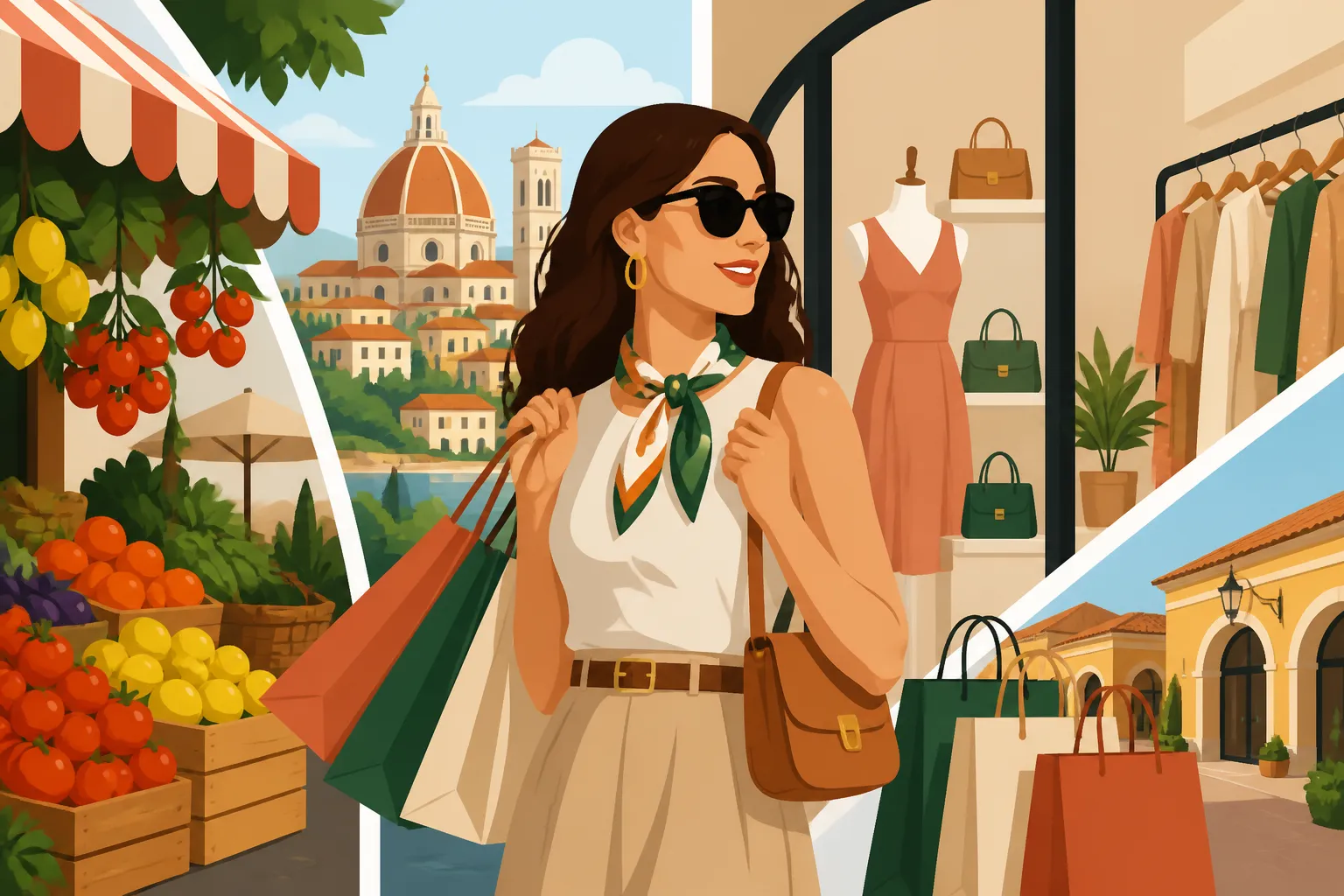
Shopping in Italy: Markets, Boutiques, and Outlets
Navigating the vibrant world of shopping in Italy can feel like a delightful but sometimes overwhelming labyrinth, especially if you're fresh off the plane and used to the predictable rows of chain stores back home. Forget everything you think you know about retail therapy; Italy offers an experience that's deeply woven into its culture, history, and daily life. This comprehensive guide will peel back the layers of Italy's diverse shopping scene, from the chaotic charm of its open-air markets to the polished elegance of its designer boutiques and the thrill of its sprawling outlet villages, helping you find exactly what you're looking for and perhaps, a few treasures you didn't even know you needed.
Disclosure: This post may contain affiliate links. We may earn a commission at no extra cost to you if you make a purchase through these links. Read full disclosure.
The Diverse Landscape of Italian Shopping
Italy isn't just about fashion; it's about food, craftsmanship, art, and the sheer joy of discovery. Shopping here is a multisensory experience, a chance to connect with local traditions and take home a piece of la dolce vita. What you seek will largely dictate where you go, as each type of shopping venue offers a unique atmosphere and selection.
Markets: The Soul of Italian Commerce
Markets are the beating heart of Italian cities and towns, offering everything from fresh produce to antique treasures. They are a feast for the senses, bustling with chatter, vibrant colors, and intoxicating aromas. You'll find different kinds, each with its own rhythm and offerings.
Food Markets: A Culinary Adventure
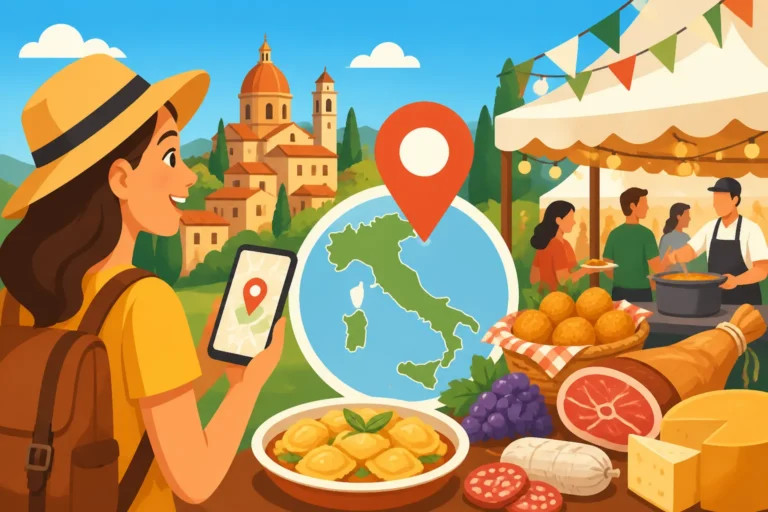
Oh, the food markets! If you’ve ever strolled through a market in Italy, you know it’s not just about buying groceries; it’s a full-blown cultural immersion. These are places where nonnas haggle over the freshest tomatoes, where you can sample regional cheeses, and where the air is thick with the scent of cured meats, ripe fruit, and freshly baked bread. Every town, no matter how small, usually has a weekly market day, and larger cities boast daily or semi-daily markets that are legendary. Think of the Mercato di Sant'Ambrogio in Florence or the Campo de' Fiori in Rome, both brimming with local life and incredible edibles.
What you'll find here goes beyond your supermarket staples. You’ll see seasonal produce that practically glows with freshness, local olives, artisanal breads, and stalls dedicated to regional specialties like truffle products in Umbria or specific kinds of pasta in Emilia-Romagna. Don't be shy; point, smile, and try to use a few basic Italian phrases. Vendors often appreciate the effort, even if your Italian is rudimentary. This is also a fantastic place to observe Italian life, and if you’re brave, you might even join the queue for a porchetta panino for lunch. It’s an authentic taste of Italy, literally and figuratively. When planning your budget, remember that prices here can often be more competitive than in smaller shops, especially for fresh goods.
Flea and Antique Markets: Hunting for Hidden Gems
For those with a love for vintage finds, unique souvenirs, or just a good old treasure hunt, Italy's flea and antique markets are an absolute must. These aren’t your average garage sales; they’re often curated collections that reflect centuries of history and craftsmanship. The Porta Portese market in Rome, held every Sunday, is perhaps the most famous, a sprawling labyrinth where you can find anything from second-hand clothes to furniture, artwork, and obscure collectibles. It's an experience in itself, requiring patience and a good eye.
Other notable antique markets include the Mercato dell'Antiquariato in Arezzo, which takes over the city center on the first Sunday of every month, and various smaller, specialized markets that pop up in different towns. You might stumble upon vintage Italian fashion, intricate lace, antique prints, or quirky household items that tell a story. Haggling is sometimes expected, especially in larger flea markets, but do so politely and with a smile. It's more about the interaction than driving the price down dramatically. Remember to bring cash, as many vendors won't accept cards. These markets offer a completely different shopping rhythm compared to high-street stores, rewarding curiosity and a willingness to explore.
Boutiques and High Streets: The Art of Italian Style
Italian fashion is world-renowned, and whether you're looking for high-end designer labels or unique artisan creations, Italy's boutiques and shopping streets deliver. This is where you truly immerse yourself in bella figura – the art of presenting oneself beautifully.
Designer Streets: The Epitome of Luxury
When you think of Italian fashion, you likely picture the iconic designer streets, and for good reason. Milan's Quadrilatero della Moda (Fashion District), particularly Via Montenapoleone and Via della Spiga, is a pilgrimage site for anyone serious about luxury. Here, you’ll find flagship stores for Gucci, Prada, Versace, Armani, and countless other titans of Italian and international fashion. The window displays alone are works of art, and simply strolling these streets is an experience in itself, even if you’re just window shopping.
Rome has its elegant Via Condotti, leading directly to the Spanish Steps, lined with similar high-fashion names. Florence offers Via de' Tornabuoni, and even smaller cities have their own versions of prestigious shopping streets where local and international luxury brands proudly display their wares. The atmosphere in these areas is refined and sophisticated, a stark contrast to the bustling markets. Expect impeccable service, opulent interiors, and prices that reflect the exclusivity and craftsmanship. This isn't just about buying clothes; it's about experiencing the pinnacle of Italian style and design. For an in-depth look at how Italy presents itself, you might be interested in our guide on Italian Customs, Etiquette, and Social Life.
Artisan Shops and Local Treasures
Beyond the glittering world of high fashion lies another, equally captivating aspect of Italian retail: the artisan shops. These are the smaller, often family-run boutiques where tradition meets creativity, and where you can find truly unique, handmade items that embody the local spirit. Florence, for instance, is famous for its leather goods. Beyond the main tourist areas, you can find small workshops where artisans craft beautiful bags, wallets, and shoes by hand. Similarly, Venice is known for its intricate Murano glass and delicate lace.
In any Italian town, you might stumble upon a ceramicist selling hand-painted pottery, a jeweler creating bespoke pieces, or a tailor offering custom-made shirts. These shops often represent generations of skill and passion. The beauty of shopping in these smaller boutiques is not just the uniqueness of the items but also the opportunity to connect with the creators themselves. You can often learn about the techniques, the materials, and the story behind each piece. Prices can vary widely, from affordable handmade jewelry to significant investments in bespoke tailoring, but the value lies in the authenticity and craftsmanship. This is where you find those truly special souvenirs that aren't mass-produced.
Unlocking Discounted Luxury: Italian Outlet Villages
For many, the idea of Italian designer goods at a discount is an irresistible siren song. Italy's outlet villages are expertly designed to cater to this desire, offering a vast array of high-end brands at reduced prices.
Major Outlet Destinations
Italy boasts several world-class outlet villages, each a destination in itself. These aren't just a few discount stores; they are meticulously planned, open-air shopping complexes that feel more like charming villages than typical malls. One of the largest and most famous is Serravalle Designer Outlet, located between Milan and Genoa. It features over 300 international and Italian brands, from Gucci and Prada to Nike and Adidas, all offering significant savings. You can spend an entire day, or even two, exploring its numerous boutiques.
Another popular choice, particularly for luxury brands, is The Mall Firenze (or simply "The Mall") near Florence, which is renowned for its high-fashion concentration, including brands like Gucci, Armani, and Saint Laurent. Castel Romano Designer Outlet, just outside Rome, offers a similar upscale experience with a mix of fashion and lifestyle brands. These villages typically provide shuttle services from major city centers, making them accessible even without a car. Planning your journey, perhaps checking train or bus schedules through platforms like Omio, can be a great way to make the trip hassle-free.
Tips for Outlet Shopping
To make the most of your outlet experience, a little strategic planning goes a long way. Firstly, arrive early, especially if you're visiting on a weekend or during saldi (sales periods), to beat the crowds and ensure the best selection. Wear comfortable shoes, as you’ll be doing a lot of walking across these expansive complexes. It’s also wise to have a mental list of what you’re looking for, but remain open to serendipitous finds. While discounts are common, always check the quality of items; sometimes pieces might be from previous seasons or have minor imperfections.
Consider going during the off-peak season if possible, as the atmosphere is more relaxed, and stock levels might be higher. While shuttle buses are convenient, if you're traveling with a group or prefer flexibility, renting a car might be a good option. Remember, these are not just about clothes; you'll find accessories, home goods, and even specialty food items. For accommodation near these shopping havens, especially if you plan an extended visit, checking options on Booking.com could provide some great choices.
Seasonal Sales and Tax-Free Shopping: Timing is Everything
Timing your shopping trip can significantly impact your experience and your wallet. Understanding Italy's sales seasons and tax refund policies is key to maximizing your savings.
The Magic of Italian Saldi
The word saldi is music to any shopper's ears in Italy. These are the official, government-regulated sales periods when shops, from small boutiques to major department stores, offer substantial discounts on their merchandise. There are typically two main saldi seasons:
- Winter Sales (Saldi Invernali): These usually kick off in early January, right after the Epiphany holiday (January 6th), and run for about six to eight weeks. This is your chance to snag winter fashion, coats, and boots at a fraction of their original price.
- Summer Sales (Saldi Estivi): These generally start in early July and last through mid-August. Perfect for refreshing your wardrobe with summer dresses, swimwear, and lighter clothing.
The exact start and end dates can vary slightly by region, so it’s always a good idea to do a quick search for the specific dates in the region you plan to visit. Initial discounts might be around 20-30%, but as the sales progress, they can deepen to 50% or even 70% or more. The downside of waiting, of course, is that popular sizes and styles tend to sell out quickly. So, if you see something you love, don't hesitate too long! For budgeting purposes, knowing when the saldi are can allow you to plan your bigger purchases more effectively.
Tax-Free Shopping for Non-EU Visitors
If you're visiting Italy from outside the European Union, you're eligible for a VAT (Value Added Tax) refund on purchases over a certain amount. This is a significant saving, often around 22% of the purchase price, though administrative fees will reduce the final amount. The minimum purchase amount varies but is generally around €154.94 per store.
The process is fairly straightforward:
- Shop at Participating Stores: Look for "Tax Free" or "VAT Refund" signs. Most major retailers and designer boutiques offer this service.
- Request a Tax-Free Form: At the point of purchase, ask the sales assistant for a tax-free form. You'll need to show your passport. The form will detail your purchase and the VAT amount.
- Validate at Customs: When you leave the EU, typically at your final departure airport, you must get your tax-free forms validated by customs officials before checking in any luggage that contains the items. Be prepared to show the items, your passport, boarding pass, and the filled-out forms.
- Receive Your Refund: After validation, you can either receive an immediate cash refund at a refund counter (often run by companies like Global Blue or Planet Payment) or have the refund credited to your credit card.
It's crucial to understand the rules for Tax-Free Shopping in Italy for Non-EU Visitors to avoid any last-minute stress at the airport. This refund can make luxury purchases significantly more attractive.
Practical Tips for a Smooth Shopping Experience
Shopping in Italy, while exhilarating, can also come with its own set of unique quirks and challenges. A little preparation can go a long way in ensuring a seamless and enjoyable experience.
Payment Methods and Cash vs. Card
Italy has a fascinating mix when it comes to payment methods. In larger stores, boutiques, and chain retailers, credit and debit cards (Visa, Mastercard, American Express) are widely accepted. However, when venturing into smaller artisan shops, independent trattorias, or particularly at market stalls, cash is still king. Many smaller vendors might have a minimum spend for card payments, or simply prefer cash to avoid transaction fees. It’s always a good idea to carry a mix of both. Have some smaller denomination euro notes (€5, €10, €20) for market purchases, coffee, or snacks.
ATMs (known as Bancomat) are readily available in cities and towns, but be mindful of potential foreign transaction fees from your bank. If you're managing your finances as an expat, understanding Money Matters in Italy: Banking and Finance for Expats is crucial. While mobile payment apps are gaining traction, they are not universally accepted like in some other countries, so don't rely solely on them.
Navigating Opening Hours and Holidays
Unlike many countries where shops are open almost continuously, Italy adheres to more traditional opening hours, especially outside major tourist zones. Many smaller shops, particularly in the south, still observe pausa pranzo (lunch break), closing for a few hours in the early afternoon (typically from 1:00 PM to 4:00 PM) before reopening for the evening. In large cities, department stores and international brands in prime locations often have continuous hours.
Sundays can be hit or miss. While big cities and tourist areas will have many shops open, smaller towns and more traditional neighborhoods might see everything shuttered. It's always a good idea to check specific shop hours online if you have a particular destination in mind. Public holidays, like Easter (Pasqua) or Ferragosto (August 15th), often mean most businesses, including shops, will be closed. Familiarizing yourself with Italian Public Holidays: What Services Are Closed can save you a wasted trip. Always double-check before heading out to avoid disappointment.
Shipping Purchases Home
So, you’ve found the perfect leather bag, a stunning piece of Murano glass, or a case of delicious Tuscan wine, but it’s too bulky or fragile to carry on the plane. Many larger boutiques and specialty stores, especially those catering to tourists, offer international shipping services. This can be a convenient way to get your purchases home safely without the hassle of extra baggage.
When considering shipping, always inquire about the cost, insurance, and estimated delivery time. Be aware of potential customs duties or import taxes that might be levied by your home country upon arrival. If the store doesn’t offer shipping, or if you've bought items from multiple smaller vendors, you can often find dedicated shipping services in larger cities that specialize in packing and sending goods abroad. Remember to keep all receipts and any documentation provided by the shipping service. It’s a worthwhile option for those significant, cherishable finds.
Here's a quick comparison of different Italian shopping experiences:
| Feature | Open-Air Markets | Independent Boutiques | Designer Outlet Villages |
|---|---|---|---|
| Price Point | Budget-friendly to moderate | Moderate to high (unique craftsmanship) | Moderate to luxury (discounted) |
| Product Type | Fresh food, produce, clothing, antiques, local crafts | Unique fashion, artisan goods, local specialties | High-end fashion, accessories, homeware |
| Atmosphere | Bustling, chaotic, authentic local life | Quaint, personalized, curated | Modern, village-like, commercial |
| Payment | Mostly cash, some cards for larger stalls | Cash & card (sometimes minimum for card) | Mostly card, some cash |
| Bargaining | Sometimes (especially flea markets) | Rarely, fixed prices | Rarely, fixed prices |
| Experience | Cultural immersion, treasure hunt | Discovery of unique items, direct artisan contact | Discount luxury hunting, brand variety |
| Example | Campo de' Fiori (Rome), Porta Portese (Rome) | Via de' Tornabuoni (Florence – smaller shops) | Serravalle, The Mall Firenze, Castel Romano |
Navigating Beyond Shopping
While shopping is a fantastic way to experience Italy, don't forget to blend it with other aspects of Italian life. Whether you're traveling across regions or exploring a single city, transportation is key. Services like Omio can help you book train tickets or bus tickets efficiently, getting you to those prime shopping spots or even to different cities like Florence or Milan for a change of shopping scenery. For those who want to integrate shopping with cultural experiences, platforms like GetYourGuide might offer tours that include market visits as part of a broader exploration of Italian cities. And of course, making sure your accommodation is well-placed can turn a good shopping trip into a great one. Platforms like Booking.com can help you find hotels or apartments strategically located near shopping districts or with easy access to transport hubs for day trips to outlet villages. Remember, enjoying Italian Food Culture: Eating Well as a Visitor and understanding general Travel Logistics in Italy: Money, Safety, and Connectivity will enrich your entire journey.
Disclaimer
Please note that while we strive to provide accurate and up-to-date information, circumstances in Italy, including store hours, specific sales dates, and regulations, can change. Always verify details with local sources or official websites before making significant plans. This guide is for informational purposes only and does not constitute professional advice.