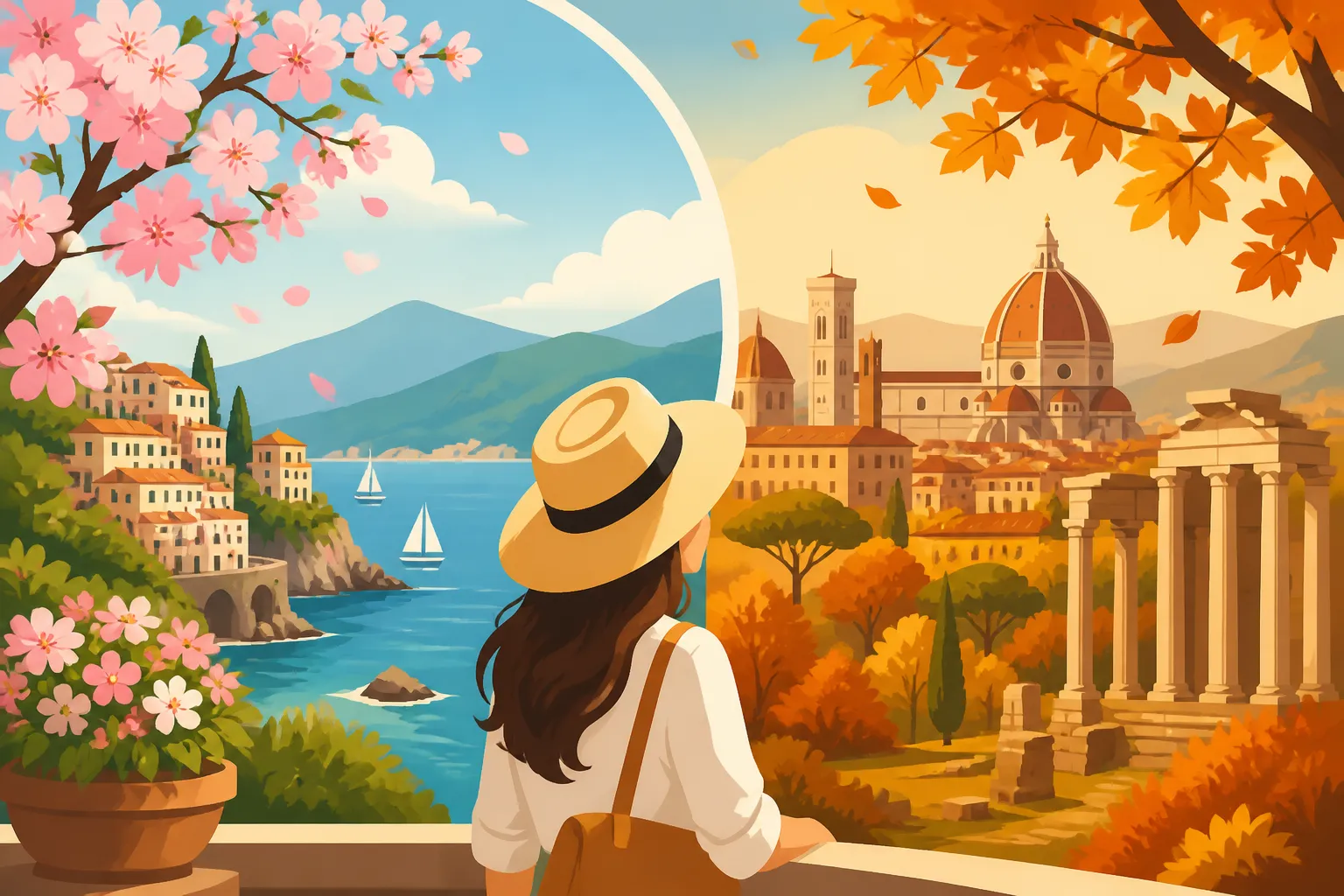
Spring and Autumn in Italy: The Best Travel Seasons
Oh, the age-old question for anyone dreaming of Italy: When is the absolute best time to visit? It's easy to get swept up in visions of summer sunshine, but trust me, that often means scorching heat and crowds so thick you can barely see the Colosseum. And while winter has its quiet charm, some places can feel a bit… sleepy. After years of living here, I've come to firmly believe that Italy truly shines brightest in the shoulder seasons. This guide is all about why spring and autumn are your golden tickets for experiencing Italy at its most magical, and how to make the most of every moment.
Disclosure: This post may contain affiliate links. We may earn a commission at no extra cost to you if you make a purchase through these links. Read full disclosure.
Why Spring and Autumn are Italy's Sweet Spots
Let's be honest, planning a trip to Italy can feel overwhelming. You want that picture-perfect experience, but you dread the reality of battling selfie-stick-wielding hordes in 35-degree heat. That's where spring and autumn swoop in like graceful, well-dressed saviors. These transitional seasons offer a balance that's hard to beat, blending pleasant weather with a slightly less frantic atmosphere. It's truly when Italy feels most like… well, Italy.
Weather Perfection: Mild Temperatures and Lower Humidity
One of the biggest advantages of traveling in spring and autumn is the absolutely divine weather. Imagine strolling through Rome's ancient ruins without sweat trickling down your back, or sipping an aperitivo in a Tuscan piazza with a gentle breeze instead of a stifling humid blanket. That’s what these seasons deliver. You'll find comfortably warm days in the mid-teens to low-twenties Celsius (60s-70s Fahrenheit), perfect for exploring without feeling utterly drained by midday. The air is crisper, often clearer, offering stunning visibility, especially in hilly regions or along the coast. It’s the kind of weather that invites you to linger, to walk for miles, and to truly soak in the ambiance without constantly seeking shade or air conditioning.
Beating the Crowds (Mostly): A More Relaxed Pace
While Italy is never truly "empty" of tourists, especially in perennial hotspots like Florence or Venice, spring and autumn offer a noticeable respite from the peak summer madness. During July and August, iconic sites are often packed to capacity, leading to long queues, crowded restaurants, and a general feeling of being herded. In the shoulder seasons, particularly in the earlier parts of spring (March/early April) and later autumn (October/November), you'll encounter fewer visitors. This means shorter lines at museums, easier access to popular restaurants, and a more peaceful experience at historical sites. You might actually hear the sounds of the city, rather than just a cacophony of different languages and tour guides. It's still bustling enough to feel vibrant, but without the intense pressure that summer brings.
The Vibe: Cultural Events, Harvest, and Local Life
Beyond the practicalities, the vibe in spring and autumn is just different. It feels more authentic, more connected to the rhythms of Italian life. Spring bursts forth with new growth, vibrant flowers, and a sense of renewal after winter. You'll see locals emerging for passeggiate (evening strolls), outdoor markets bustling, and a general lightness in the air. Autumn, on the other hand, brings a rich, earthy warmth. It's harvest season – vendemmia (grape harvest) and raccolta delle olive (olive harvest) – which means local festivals, incredible food, and a focus on culinary traditions. You'll witness the landscape transform into a painter's palette of reds, oranges, and golds, especially in regions like Tuscany or Umbria. It's a fantastic time to dive deep into Italian Food Culture: Eating Well as a Visitor.
Springtime Charms: March, April, May
Ah, spring in Italy! It's a time of blossoming beauty, vibrant festivals, and a fresh energy that sweeps across the peninsula. If you're tired of grey skies and winter doldrums, Italy in spring is a revelation. Each month offers a slightly different flavor, from the gentle awakening of March to the sun-kissed prelude of May.
March Awakens: Early Spring and Lighter Crowds
March can still feel a bit chilly, especially in the north and in the evenings, but it's largely a time of warming temperatures and increasing daylight. You'll witness the first wildflowers blooming in the countryside, and city parks coming alive with verdant greens. Major cities like Rome, Florence, and Venice are still relatively quieter than in the months to come, making it an excellent time to visit if you prioritize fewer crowds and don't mind carrying an extra layer or two. You might even catch a last glimpse of winter sales before the spring collections fully take over. It's a wonderful opportunity to explore Ancient Rome: Sites and Ruins to Visit without feeling overwhelmed.
That said, March can also bring some unpredictable weather, including occasional rain showers. Don't let that deter you! A light rain jacket and comfortable, waterproof walking shoes are your best friends. The upside is that rainy days often clear to reveal dazzlingly fresh landscapes and beautifully reflective cityscapes. Imagine the Spanish Steps glistening after a spring shower – it’s quite beautiful. Many museums and galleries are also less crowded, allowing for a more intimate experience with Italy's vast artistic treasures.
April in Full Bloom: Easter, Liberation Day, and Ideal Weather
April truly signals the arrival of spring proper. The weather becomes consistently mild, with plenty of sunshine, though you should still pack layers as evenings can be cool. This month is particularly special for its religious and national holidays. Easter (Pasqua) is a major celebration across Italy, ranging from solemn processions to joyous family feasts. If you're planning a trip around Easter, be aware that while it's a deeply cultural experience, accommodation and transport can book up quickly, and prices may rise. Make sure to plan your travels carefully around the Easter (Pasqua) Traditions in Italy.
Beyond Easter, April 25th marks Liberation Day, a national holiday commemorating the end of Nazi occupation and Fascist rule. This can mean public transport running on holiday schedules and some businesses closed. However, it also brings a festive atmosphere, often with local parades and events. The gardens of Italy, like the famous Giardini di Boboli in Florence, are bursting with color and fragrance, offering a sensory feast. It's the perfect time for long walks, exploring charming towns, and simply enjoying the beauty of the Italian landscape.
May's Golden Glow: Pre-Summer Warmth and Festivals
May is arguably one of the most glorious months to visit Italy. The days are long and sunny, the temperatures are warm but rarely scorching, and the sea begins to beckon, particularly in the south. It's that sweet spot before the major summer rush, offering the best of both worlds. The entire country feels alive, from bustling city squares to serene countryside retreats. This is a prime time for outdoor activities, whether it’s hiking in the Dolomites, exploring the Cinque Terre coastal trails, or cycling through the vineyards of Tuscany.
Culturally, May is packed with events. Many cities host music festivals, art exhibitions, and local sagre (food festivals) celebrating regional produce. Historic garden villas open their gates, inviting visitors to wander through their meticulously manicured grounds. If you're heading south, the coastal towns are vibrant but not yet overcrowded, and the water is often warm enough for a dip by the end of the month. It's an excellent month to enjoy the full spectrum of what Italy has to offer, from art and history to nature and gastronomy.
Autumn's Embrace: September, October, November
If spring is Italy's fresh awakening, autumn is its rich, golden maturity. As the summer heat fades, the country settles into a period of abundant harvests, spectacular colors, and a cozy warmth that invites reflection and indulgence. It’s a truly captivating time to explore.
September's Harvest Richness: Grape Harvest and Warm Sea
September is often seen as an extension of summer, but with a more sophisticated, grown-up feel. The intense heat of August has dissipated, leaving behind wonderfully warm, sunny days and pleasantly cool evenings. The sea, having absorbed the summer sun, is still perfectly warm for swimming well into the month, especially in the south. Coastal regions like the Amalfi Coast, Sicily, and Sardinia are still buzzing but with fewer families and a more relaxed crowd. This is also vendemmia, the grape harvest season, particularly towards the end of the month.
Driving through the wine regions, such as Piedmont or Tuscany for Travelers: Cities, Hills, and Coast, you’ll see workers diligently gathering grapes, and the air is often thick with the sweet smell of fermenting wine. Many vineyards offer special tours and tasting experiences, providing a unique insight into Italian Wine, Coffee, and Aperitivo Culture. It’s a prime time to enjoy outdoor dining, long walks in the countryside, and discover quaint towns that might have been stifling in mid-summer. Cities are vibrant, but the energy is less frenetic than during the high season.
October's Colors and Flavors: Truffle Season and Fall Foliage
October is perhaps the quintessential autumn month in Italy, a feast for the senses. The temperatures continue to cool, making it ideal for sightseeing, and the landscape transforms into a breathtaking tapestry of gold, amber, and crimson, particularly in the forested hills of Umbria, Tuscany, and Piedmont. This is also prime sagra (food festival) season, celebrating everything from chestnuts and mushrooms to pumpkin and, most famously, truffles. The truffle fairs, especially in Alba (Piedmont) or San Miniato (Tuscany), are legendary, offering a chance to savor one of Italy's most prized culinary treasures. GetYourGuide offers some fantastic truffle hunting experiences that are truly unforgettable.
The crisp air and stunning scenery make October perfect for hiking and exploring Italy’s beautiful natural parks. Cities like Florence for First-Time Visitors: What to See and Skip and Rome for First-Time Visitors: Neighborhoods and Highlights are delightful, with comfortable temperatures for wandering through piazzas and visiting world-class museums. Evenings can get quite cool, so you’ll want to pack warmer layers, but the days often surprise with glorious sunshine.
November's Quieter Beauty: Olive Harvest and Pre-Holiday Calm
November is when Italy truly embraces its quieter, more reflective side. While the weather can be a bit more unpredictable, with more chances of rain and cooler temperatures, it offers a unique charm for those seeking a deeper, more local experience. The crowds thin out considerably, especially after the first week of the month, making it an excellent time for budget-conscious travelers or those who prefer a more serene atmosphere. This is also the time for the raccolta delle olive, the olive harvest, especially in central and southern Italy. You might even stumble upon local olive mills where you can taste freshly pressed olio nuovo (new olive oil) – a truly exquisite experience.
Many museums and galleries remain open, often with shorter queues, allowing for unhurried exploration. It’s a fantastic month for art lovers and history buffs. While some smaller coastal towns might start to close up for the season, the major cities still offer plenty to see and do. Think cozy evenings in a local trattoria, savoring hearty autumn dishes and robust red wines. It’s a time for deep dives into culture and cuisine, preparing for the festive season ahead without the pre-Christmas frenzy.
Navigating Logistics in the Shoulder Seasons
Traveling during spring and autumn, while often more pleasant, still requires a bit of savvy planning. Don't fall into the trap of thinking it's completely off-season; it's popular for a reason! However, with a few smart moves, you can ensure a smooth and enjoyable trip.
Accommodation and Flights: How to Find Deals and Booking Tips
While you might not snag rock-bottom winter prices, spring and autumn generally offer better value for accommodation and flights compared to the peak summer months. Airlines often have promotional deals in early spring and late autumn, and you might find more availability for desirable flight times. I always recommend checking platforms like Booking.com well in advance, especially if your travel dates coincide with Easter, public holidays, or major festivals like the truffle fairs. Even in shoulder season, popular accommodations can fill up quickly, particularly boutique hotels or agriturismi in sought-after regions.
For accommodation, consider booking a few months out for the best selection and prices. If you're flexible with your dates, you can often find better deals by shifting your trip slightly outside of the absolute busiest weeks (e.g., late March instead of mid-April, or late October instead of early September). Don't just stick to the biggest cities; exploring charming smaller towns can also yield unique and more affordable lodging options.
Transportation Considerations: Trains, Driving, and Public Transport
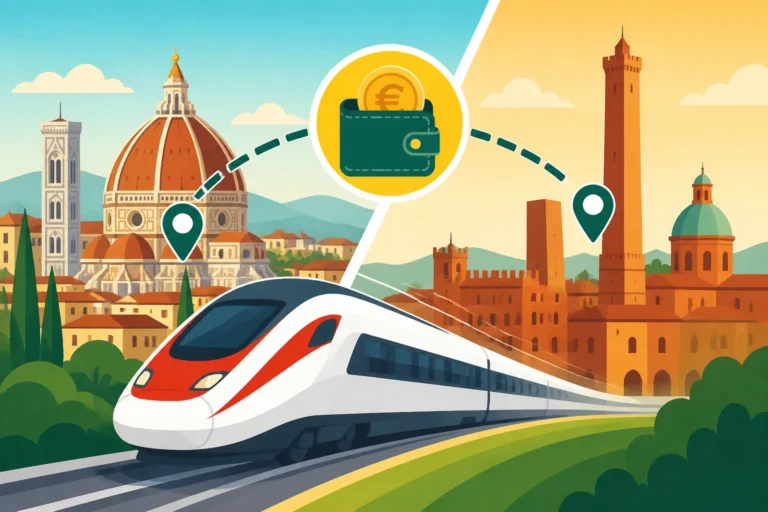
Italy's transportation network is excellent year-round, but traveling in spring and autumn has its perks. Trains are a fantastic way to get around, connecting major cities and even many smaller towns efficiently. You can typically find more availability and potentially better prices for high-speed trains (like those from Trenitalia and Italo) than in summer. To get the best deals and ensure your preferred seats, I always suggest booking train tickets in advance, especially if you're traveling on popular routes or during holiday weekends. Check out How to Buy Trenitalia and Italo Tickets and Save Money for more detailed advice. For planning your routes and booking tickets across different modes of transport, Omio is a very useful platform that helps you compare options.
If you're considering Renting a Car in Italy: ZTLs, Insurance, and Driving Tips, these seasons are ideal. The roads are generally less congested than in summer, and the weather is perfect for scenic drives. Just remember to familiarize yourself with Italy's ZTLs (Limited Traffic Zones) in city centers, as fines can be steep. Public transport within cities (buses, trams, metros) operates reliably, and navigating it is far more comfortable without sweltering heat or massive crowds pushing to get on board.
Packing Smart: Layering, Footwear, and Rain Gear
The key to packing for spring and autumn in Italy is layering. The weather can be wonderfully mild during the day but turn surprisingly cool in the evenings, and sudden rain showers are always a possibility.
Here’s a rough guide:
- Base Layers: Light t-shirts, long-sleeved tops.
- Mid-Layers: Sweaters, cardigans, a light fleece.
- Outer Layer: A waterproof and windproof jacket or a stylish trench coat. A packable down jacket is great for cooler evenings, especially in October/November.
- Bottoms: Jeans, comfortable trousers, skirts, or dresses. You might still get away with lighter fabrics in early spring or September.
- Footwear: Comfortable, broken-in walking shoes are non-negotiable. Waterproof shoes are a bonus. A pair of dressier shoes for evenings if you plan on going out.
- Accessories: A scarf (Italians love their scarves, and they're practical for warmth!), sunglasses, a small umbrella, and perhaps a light hat for cooler days.
Don’t forget your reusable water bottle! Even if it’s not sweltering, staying hydrated is always important when you're doing a lot of walking.
Seasonal Highlights and Activities
With the weather just right and the crowds more manageable, spring and autumn unlock a treasure trove of activities and experiences in Italy. These seasons allow for a deeper engagement with Italian culture, nature, and, of course, its legendary cuisine.
Food and Wine Festivals: Sagre, Harvest Events, and Truffle Fairs
As I mentioned, spring and especially autumn are gastronomic goldmines. Spring brings local sagre celebrating artichokes, strawberries, wild asparagus, and fresh seafood. These are fantastic opportunities to try hyper-local specialties and mingle with Italians enjoying their culinary heritage. If you're wondering How to Find Authentic Restaurants in Italy (Not Tourist Traps), attending a sagra is a pretty good start!
Autumn, however, is truly the season of bounty. The grape harvest (September) is followed by olive harvesting (October/November), and then comes the celebrated truffle season (October/November). Major truffle fairs, particularly in Piedmont and Tuscany, attract foodies from all over the world. You'll find countless sagre dedicated to chestnuts, mushrooms, polenta, and seasonal game. Many tour operators, easily found on platforms like GetYourGuide, offer specialized food and wine tours during these periods, from cooking classes focused on seasonal ingredients to guided truffle hunts. It’s an epicurean dream.
Cultural Events and Outdoor Activities: Art Cities, Hiking, and Cycling
With pleasant temperatures, exploring Italy’s renowned art cities becomes a joy rather than a sweaty ordeal. Wander through the Uffizi Gallery in Florence, explore the Vatican Museums in Rome, or get lost in the labyrinthine streets of Venice without feeling rushed or overheated. These seasons are perfect for long strolls, discovering hidden courtyards, and lingering at outdoor cafes. The light, too, is often softer and more beautiful for photography, making your memories even more vivid.
For those who love the outdoors, spring and autumn are absolutely ideal. Hiking in Italy: Popular Trails and How to Prepare in national parks like Gran Paradiso or the Dolomites is breathtaking as the snow melts or the leaves change. Cycling tours through regions like Puglia or Umbria are popular, offering stunning scenery without the summer sun beating down. Even a simple walk through a city park or botanical garden is a delightful way to spend an afternoon. Check out some of Italy's Biggest Festivals: A Year-Round Calendar for specific event dates.
Coastal vs. Inland Experiences: When the Beach is Still Good
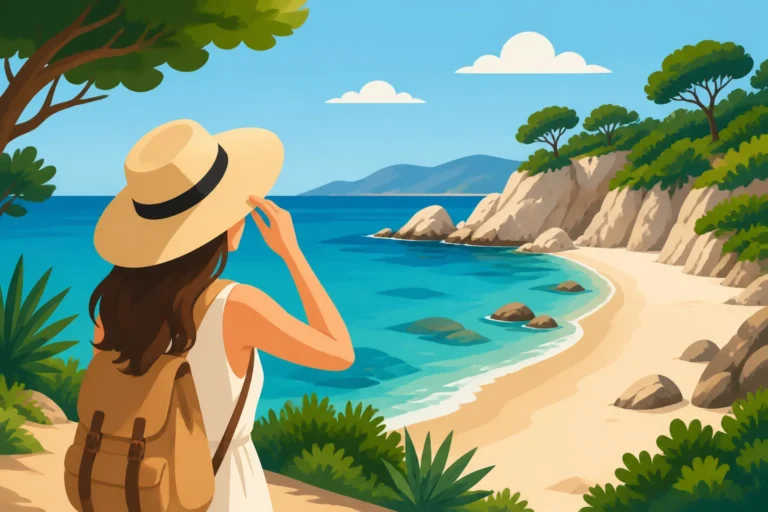
In early spring (March/April) and late autumn (late October/November), while the beach might be too cool for swimming, it's a fantastic time for serene coastal walks. Imagine the dramatic cliffs of Cinque Terre or the sandy stretches of Puglia with fewer people, offering a sense of peace and solitude. Many seaside towns, especially in the south, still enjoy ample sunshine and a pleasant ambiance, even if swimming isn't on the agenda.
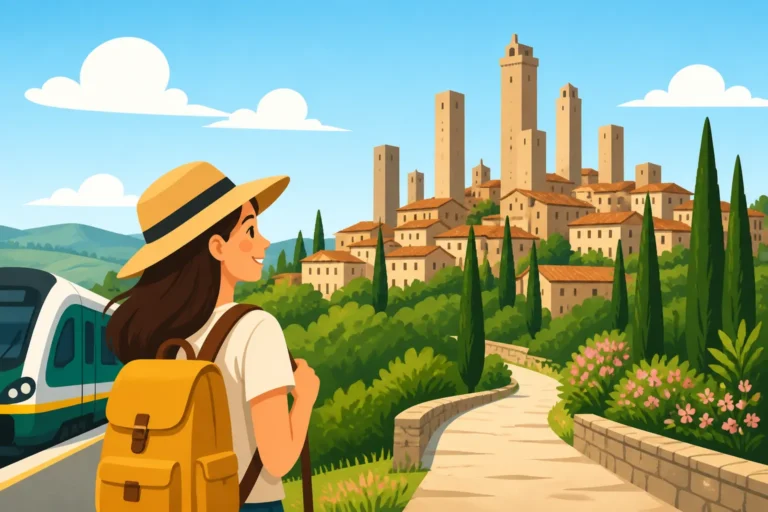
In September, the southern coasts are still glorious for swimming and sunbathing, often with warm water and fewer families than in August. By late October, it’s generally too cool for a dip, but the milder weather is perfect for exploring coastal villages, enjoying seafood by the sea, and simply soaking in the views. Inland, particularly in central regions like Tuscany or Umbria, the rolling hills are at their most picturesque, bursting with green in spring or painted with fiery hues in autumn. The charming small towns and historic borghi truly come alive without the oppressive heat. Consider visiting Italian Markets: Food, Antiques, and Flea Markets in these towns for local goods.
Potential Downsides and How to Prepare
No travel season is without its quirks, and while spring and autumn in Italy are fantastic, it's important to have realistic expectations and be prepared for a few potential downsides. Knowing these ahead of time can help you plan around them and ensure a smooth journey.
Unpredictable Weather: Rain and Sudden Chills
While generally mild, the weather in spring and autumn can be quite variable. You might experience glorious, sunny days followed by sudden downpours, especially in March, April, and November. Temperatures can fluctuate, with warm afternoons giving way to surprisingly chilly evenings. This unpredictability means you really need to heed that advice about layering. There's nothing worse than being caught in a cold rain without proper protection or shivering through an evening meal outdoors because you only packed summer clothes.
How to Prepare: Always check the local forecast a few days before and during your trip. Pack a compact, waterproof umbrella and a good quality rain jacket. Layers are key: think t-shirts, light sweaters, and a versatile outer shell. Good walking shoes that can handle a bit of moisture are also a must. Don’t assume continuous sunshine; embrace the possibility of cozy, indoor moments in charming cafes or museums on cooler days.
Shorter Days and Changing Hours: Impact on Sightseeing
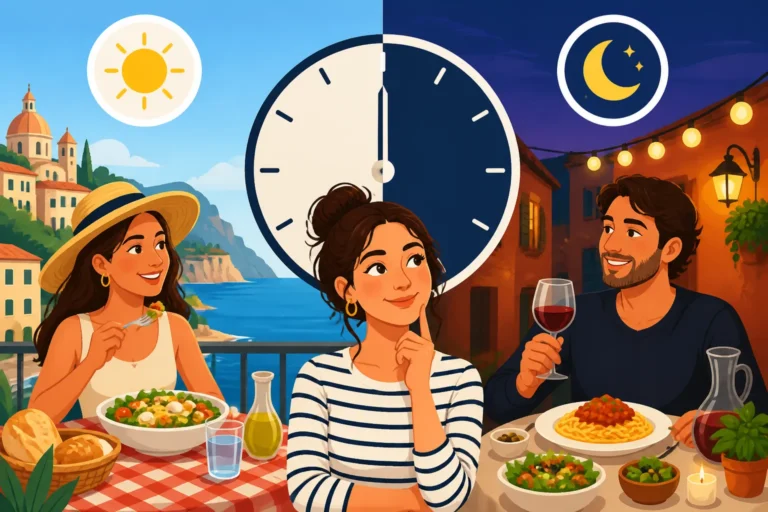
As autumn progresses, the days get noticeably shorter, especially in late October and November when daylight saving time ends. This means less time for outdoor sightseeing before dusk. While it lends a cozy atmosphere, it requires a bit more planning to fit everything into your itinerary, particularly if you're trying to visit multiple outdoor attractions. Some smaller museums or attractions in less touristy areas might also start operating on reduced "winter hours" or close for a seasonal break.
How to Prepare: Be aware of sunset times, particularly in November. Plan your major outdoor activities for earlier in the day. Check the opening hours of specific attractions in advance, especially outside of major cities. If you're traveling in late autumn, consider focusing more on indoor activities like museums, galleries, or cooking classes. Leverage the longer daylight hours of spring to explore.
Popularity Still Exists: Not Entirely Empty
Let's dispel the myth: Italy is never truly "empty." While spring and autumn definitely offer a reprieve from the peak summer crush, they are still incredibly popular times to visit. Major cities and iconic sites will still have crowds, especially during long weekends, national holidays (like Easter, April 25th, May 1st, November 1st), and during specific festivals (like the Venice Film Festival in early September or major truffle fairs in October). You won't have the Uffizi all to yourself, I promise!
How to Prepare: Book popular attractions, tours, and sought-after restaurants in advance – sometimes months in advance for major sites like the Vatican or Colosseum. Use websites like GetYourGuide for guided tours or skip-the-line tickets. Be flexible with your itinerary and consider visiting popular spots first thing in the morning or later in the afternoon to avoid peak times. Exploring lesser-known neighborhoods or day-tripping to smaller towns can also offer a welcome escape from the main tourist hubs. Remember, a bit of strategic planning goes a long way, even in the "shoulder" seasons!
| Feature | Spring (March-May) | Autumn (Sept-Nov) |
|---|---|---|
| Weather | Mild, blooming, increasing warmth; some rain. | Warm to cool, colorful foliage; more rain later. |
| Crowds | Growing, but generally less than summer; busy holidays. | Decreasing, but busy harvest/truffle festivals. |
| Vibe | Fresh, vibrant, new beginnings, outdoor awakening. | Rich, cozy, reflective, culinary focus. |
| Nature | Wildflowers, lush greenery, budding trees. | Fall foliage, grape and olive harvests. |
| Food Focus | Artichokes, asparagus, fresh greens, lamb, spring cheeses. | Truffles, mushrooms, chestnuts, pumpkins, game, new wine/oil. |
| Activities | City walks, garden visits, hiking, Easter celebrations. | Wine tasting, truffle hunting, scenic drives, cultural events. |
| Sea Temp | Cool (swimmable late May in South). | Warm (swimmable Sept in South, early Oct). |
Disclaimer
Please remember that while I draw upon extensive experience living and traveling in Italy, the information provided here is for general guidance only. Weather patterns, opening hours, local event schedules, and travel regulations can change. Always verify specific details closer to your travel dates, consult official sources, and consider personal travel insurance for unexpected situations. Buon viaggio!