How to Claim a Tax Refund When Shopping in Italy
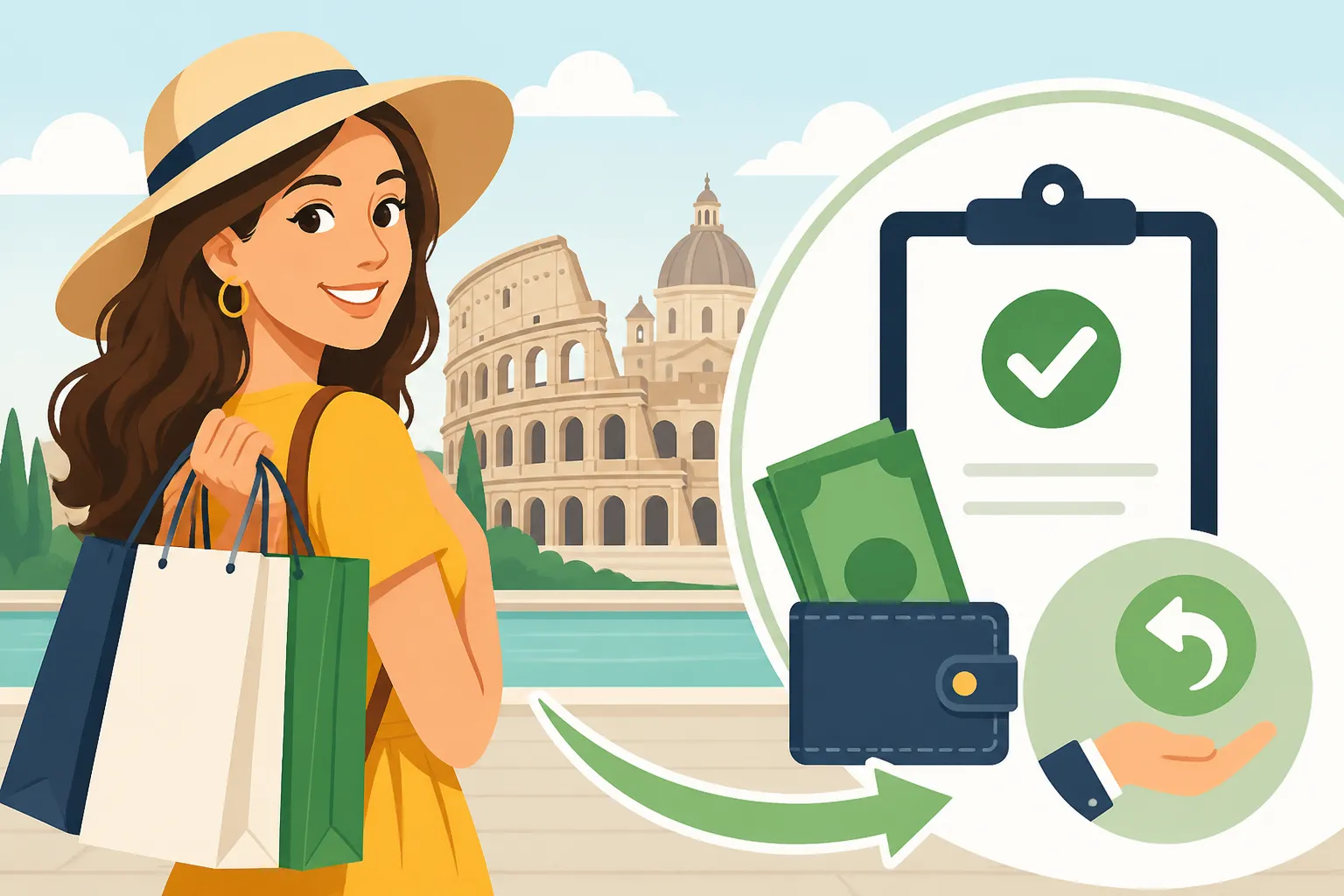
Oh, the thrill of finding that perfect leather bag, a stunning piece of jewelry, or those incredible Italian shoes! You’ve snagged some authentic Italian treasures, your heart is full, but then the little voice in your head pipes up: "Wait, can I get some of that VAT back?" The good news is, for many non-EU visitors, you absolutely can! Navigating Italy's tax refund system can feel like deciphering an ancient Roman scroll, but this guide is here to walk you through the process, from the initial purchase to claiming your well-deserved refund at the airport, making sure you keep more euros in your pocket.
Disclosure: This post may contain affiliate links. We may earn a commission at no extra cost to you if you make a purchase through these links. Read full disclosure.
Understanding Italy's VAT Refund System for Non-EU Residents
Let's be real, the Italian bureaucracy can be a beast, and tax refunds are no exception. But with a little knowledge and patience, it's absolutely doable. The Value Added Tax (VAT), or IVA as it's known here, is typically included in the price of most goods and services you purchase. For non-European Union residents, Italy offers a system that allows you to claim back a portion of this tax on certain eligible items you take out of the EU. Think of it as a little bonus for being an international shopper!
Who Qualifies for a VAT Refund?
This is perhaps the most crucial starting point, and it’s where many visitors get confused. The golden rule is: you must be a resident of a country outside the European Union. This means if your passport isn't from an EU member state, you're likely eligible. And yes, after Brexit, our friends from the UK now also qualify, which is a significant change! So, if you're a tourist from the US, Canada, Australia, the UK, or anywhere else outside the EU, you're in.
There are a few other critical criteria you need to meet. Firstly, you must make a minimum purchase from a single store. Currently, this threshold is €154.94 (including VAT). This isn't per item, but per invoice. So, if you buy several smaller items that total above this amount at one shop, you're good. If you spend €100 at one boutique and €60 at another, you won't qualify for a refund on either purchase individually, even if your total shopping spree for the day was over the limit. It’s all about those single transactions hitting the mark.
Secondly, you must physically export the goods from the EU within three months following the month of purchase. This is vital. You can't just buy things and leave them behind. The whole point is that you're exporting them for personal use outside the EU's tax zone. Make sure to keep this three-month deadline in mind, especially if you’re planning a multi-country European adventure.
What Goods Are Eligible?
Not everything you buy will qualify for a VAT refund. Generally, the system is designed for "personal goods" that you will physically carry out of the EU. This typically includes items like fashion (clothing, shoes, handbags), jewelry, watches, electronics, perfumes, and certain artisanal souvenirs. Basically, anything that can be considered a movable personal possession that you're taking home with you.
What's not eligible? Services, for a start. So, your incredible cena at that trattoria, your hotel stay (which you might have booked through sites like Booking.com), your train tickets (even if you used Omio to book them), and car rentals are all out. You also can't get VAT back on goods that are consumed or used within Italy, such as food items, alcohol, or tobacco that you enjoy during your trip. The logic is, if you eat or use it here, you've benefited from it within the EU, and thus the VAT applies. Keep this distinction clear in your mind to avoid disappointment when you’re filling out forms.
The Step-by-Step Process: From Shop to Airport
Alright, you know you're eligible, and you know what you want to buy. Now, let's get into the nitty-gritty of the actual process. It’s a bit of a dance between you, the retailer, customs, and the refund operator, so being prepared is your best friend.
At the Shop: Getting Your Tax Refund Form
This is where the journey begins. When you're making your purchase, whether it's at a high-end boutique in Milan or a charming little shop in Florence, always look for signs that say "Tax Free" or "VAT Refund." If you don't see one, it's always worth asking the sales assistant, “Posso avere il modulo per il rimborso IVA, per favore?” (Can I have the VAT refund form, please?). Not all shops participate in the scheme, particularly smaller, independent ones, so it’s good to confirm early.
When you've found a participating store and made your eligible purchase over €154.94, you'll need to present your passport. The sales assistant will then fill out a tax refund form, usually provided by a tax-free shopping company like Global Blue, Planet, or Tax Free Worldwide. This form will detail your purchase, the VAT amount, and your personal information from your passport. Double-check everything before you leave the store! Make sure your name, passport number, and purchase details are accurate. A single error here could lead to your refund being denied later. Also, ensure the store provides you with the original receipt (scontrino fiscale) along with the tax-free form. You'll need both. Pack these items securely where they won't get lost or damaged – perhaps in a dedicated folder or travel wallet.
At the Airport/Port: Customs Validation
This is often the most nerve-wracking part for first-timers, but it doesn't have to be. You need to present your purchased goods, your passport, your boarding pass, and all your completed tax-free forms to Italian Customs (Dogana) before you leave the EU. Crucially, the items for which you are claiming a refund must be unused and available for inspection by customs officials. This means if you bought a fancy new handbag, don't start using it for your carry-on before you've gotten your stamp!
Arrive early. I cannot stress this enough. Customs offices at major airports like Rome Fiumicino (FCO) or Milan Malpensa (MXP) can have queues, especially during peak travel seasons. Aim to be at the airport at least 3-4 hours before your flight, giving yourself ample time for customs, security, and then your refund claim. You'll usually find the customs office either before check-in (for items you plan to check into your luggage) or after security (for items you're carrying in hand luggage). If you're checking items, get your boarding pass first, but do not check your bags until customs has stamped your forms and potentially inspected the goods. The customs agent will verify your eligibility and physically stamp your forms, confirming that the goods are indeed being exported. Sometimes they wave you through, other times they'll want to see everything. Just be prepared.
For those leaving the EU from a different country than where you shopped (e.g., bought in Italy, flying out of Paris), you'll need to get your forms stamped by customs in your final EU departure country. So, if you're exploring Europe and using services like GetYourGuide for tours in different cities, remember to save your refund forms until your very last stop in the EU.
Claiming Your Refund: Different Options
Once you have those precious customs stamps on your forms, you're almost there! You have a few options for how to receive your refund:
-
Immediate Cash Refund: This is often the most popular choice because, well, instant gratification! Major tax-free operators (like Global Blue or Planet) have refund desks at the airport, usually near the customs office or in the departures area. After getting your customs stamp, you can go directly to one of these desks. Present your stamped forms, passport, and boarding pass, and they will give you the refund in cash (usually in euros, but sometimes in your home currency with a conversion fee). Be aware that these operators typically charge an administrative fee for their service, which will be deducted from your refund amount.
-
Credit Card Refund: If you're not in a rush, or prefer not to carry a lot of cash, you can opt for a credit card refund. The process is the same: get your customs stamp, then submit your forms to the tax-free operator's desk. Instead of cash, they will process the refund to your credit card. This method is generally free of immediate conversion fees from the operator, but it can take several weeks (sometimes up to a couple of months) for the money to appear on your statement. Make sure the credit card details on the form are correct.
-
Mail-Back Option: If there's no refund desk, or you're simply out of time, you can usually mail your stamped forms back to the tax-free operator using pre-addressed envelopes (which the shop should have provided). This is probably the slowest option, and there's a risk of the forms getting lost in transit. If you choose this, make sure to take photos of all your stamped forms for your records before sending them off.
Here's a quick comparison of the common refund options:
| Feature | Immediate Cash Refund | Credit Card Refund | Mail-Back Refund |
|---|---|---|---|
| Speed | Instant | Weeks to Months | Weeks to Months (plus mail time) |
| Location | Operator desks at airport/port | Operator desks at airport/port | Post box (at airport or outside) |
| Fees | Administrative fee (deducted immediately) | Typically no direct operator fee; bank conversion might apply | Typically no direct operator fee; bank conversion might apply |
| Risk | Small (carrying cash) | Low (electronic transfer) | Moderate (risk of loss in mail) |
| Convenience | High (instant access to funds) | Medium (less to carry, but wait time) | Low (requires mailing, long wait) |
| Currency | Usually EUR, sometimes home currency (with fee) | Original purchase currency, converted by bank | Original purchase currency, converted by bank |
| Best For | Shoppers needing immediate funds, last-minute claims | Patient travelers, larger refunds, avoiding cash | Last resort if no other option is available |
Common Pitfalls and Pro Tips for a Smooth Refund
The VAT refund process, while straightforward in theory, can throw a few curveballs. Based on my years here, I’ve seen and experienced almost every possible hiccup. Here’s how to avoid them and ensure a smooth experience.
Avoiding Delays and Denials
The biggest frustration is doing all the work only to have your refund denied. Let’s make sure that doesn’t happen.
Firstly, the goods must be unused. Customs officials have the right to inspect items. If that brand-new jacket has coffee stains, or the designer shoes show signs of wear, they'll likely deny the refund. Keep original tags on, and if possible, keep items in their original packaging until after customs.
Secondly, accuracy is everything. As mentioned, ensure all information on your tax-free forms exactly matches your passport details. A misspelling, a wrong passport number, or an unsigned form can lead to rejection. It might seem tedious in the shop, but a few minutes of careful checking can save you a world of pain later.
Thirdly, know your airport's layout and opening hours. Not all customs offices are open 24/7, especially at smaller regional airports. If you have an early morning or late-night flight, research the operating hours of the Dogana beforehand. Nothing is worse than arriving to find the office closed and your refund hopes dashed. If you're flying out of a small airport, you might find the customs desk isn't always staffed. In these cases, sometimes you can find a dedicated box where you can drop off your forms, but it's a gamble. Always prioritize an airport with a staffed customs office.
Finally, don't try to claim a refund on behalf of someone else. The person who bought the goods (and whose name is on the passport used for the form) must be the one presenting them at customs. Family members cannot typically claim for each other if the names on the forms don't match their passport.
Strategies for Stress-Free Shopping
Planning ahead is truly the key to maximizing your tax-free shopping experience in Italy.
Consolidate your purchases. Remember that €154.94 minimum? If you're eyeing a few smaller items at the same store, try to buy them all at once to hit that threshold. It simplifies the paperwork and ensures you qualify. Don't be shy about asking if a shop participates in tax-free shopping before you even browse, especially if it’s a high-value item you’re considering.
Keep all your tax refund documents in one place. A dedicated folder or envelope in your carry-on is ideal. Don't mix them with other receipts or travel documents. When it's time for customs, you want everything organized and easily accessible.
Research your departure airport's procedures. Some airports have specific tax refund zones (e.g., Fiumicino has a dedicated area in Terminal 3 for non-Schengen flights). A quick search on the airport's website for "VAT refund" or "tax-free shopping" will often yield maps and instructions, possibly even specific timings for the various refund operators. This can save you a lot of frantic searching on departure day.
Consider the timing of your flights and travel plans. If you're on a tight schedule, an immediate cash refund might be worth the small fee for the peace of mind. If you have an hour-long layover in another EU country before your final non-EU flight, it might be safer to go for the credit card refund or the mail-back option, as rushing through customs and a refund desk could make you miss your connecting flight. For complex travel, booking your flights and understanding connections via platforms like Omio can help you plan your airport time more accurately. Even if you're exploring different regions and booking various accommodations through Booking.com, always keep that final EU exit point clear in mind for your tax refund process.
Happy shopping, and may your refunds be plentiful!
Disclaimer
The information provided in this guide is for general informational purposes only and does not constitute legal, financial, or tax advice. While we strive to provide accurate and up-to-date information, tax laws and regulations in Italy (including minimum spend thresholds and eligibility criteria) are subject to change without notice. Readers are advised to consult with relevant authorities, tax professionals, or the specific tax-free shopping operators (e.g., Global Blue, Planet) for the most current and personalized information regarding their individual situation. We accept no responsibility for any loss or inconvenience caused by reliance on this information.