Family Travel in Italy: Kid-Friendly Cities and Activities
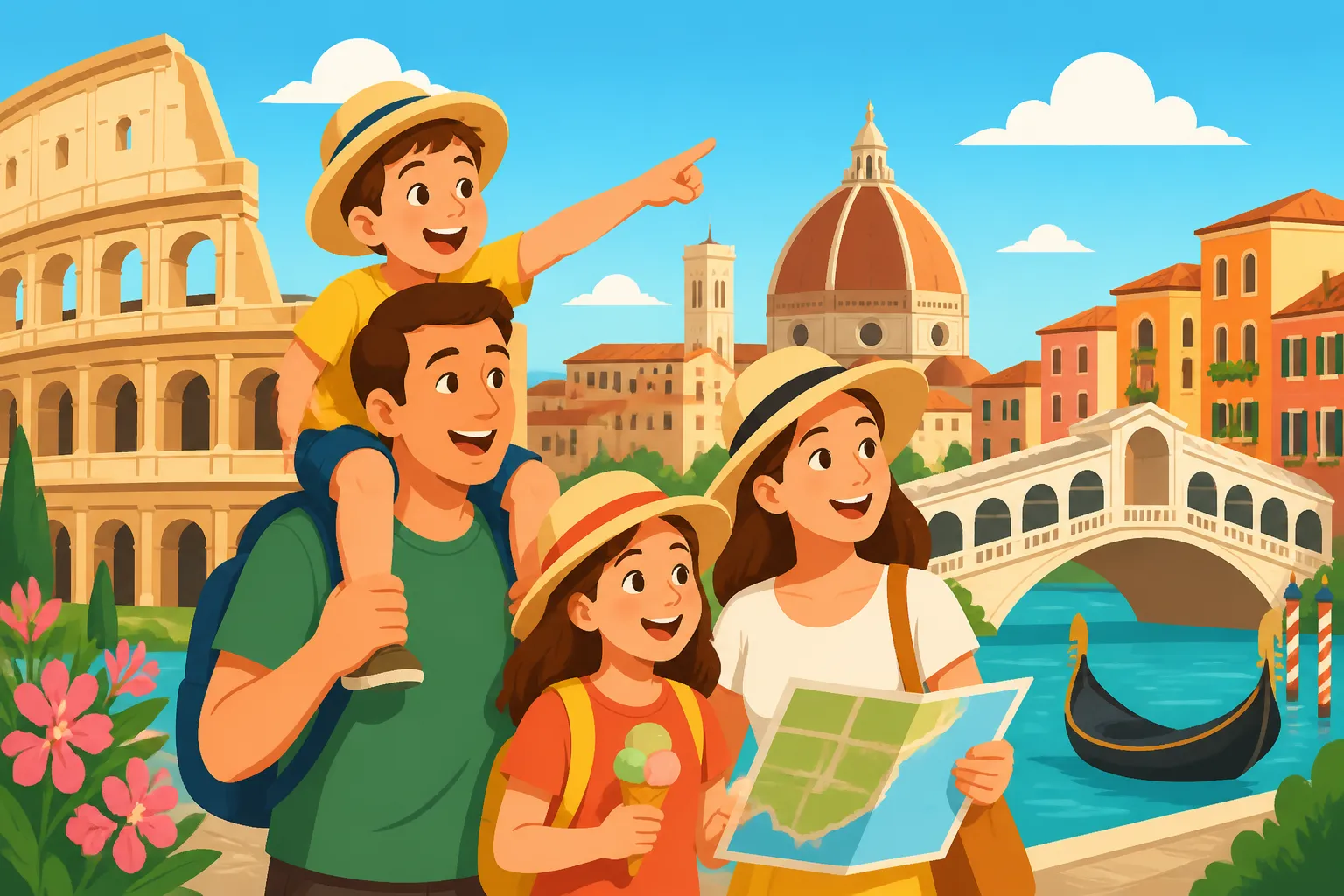
Traveling with kids in Italy often feels like a beautiful dream mixed with a logistical nightmare. The sheer joy of seeing their faces light up at a scoop of gelato can quickly turn into a sweaty, tantrum-filled sprint through a crowded piazza when they're overtired. It's tough, I know – balancing your desire to soak in the culture with their very real need for naps, snacks, and a playground. This guide is here to help you navigate Italy with your little ones, turning potential pitfalls into cherished family memories.
Disclosure: This post may contain affiliate links. We may earn a commission at no extra cost to you if you make a purchase through these links. Read full disclosure.
Choosing Your Family-Friendly Destination in Italy
Italy is an enormous, diverse country, and what works for a solo backpacker or a romantic couple won't necessarily work for a family with a toddler and a pre-teen in tow. The key is to pick destinations that offer a good blend of adult appeal and child-friendly activities, coupled with manageable logistics. You don't want to spend your entire vacation just getting from A to B.
Cities That Welcome Little Travelers
When you think of Italy, your mind probably jumps to Rome, Florence, and Venice. And while these are iconic and absolutely worth visiting, they come with their own set of challenges when you have children. Don't get me wrong, they're doable, but they require a different approach.
Rome, for instance, is a living museum, and kids can actually love it if you frame it right. Imagine gladiators at the Colosseum or emperors ruling from the Roman Forum – it's like a real-life history book! However, the sheer size of the city, the uneven cobblestones, and the crowds can be exhausting. Consider balancing major historical sites with plenty of park time, like Villa Borghese, where you can rent bikes or rowboats. Florence, with its art and Renaissance charm, can also be a hit, especially if you focus on interactive experiences like leather-making workshops or hunting for sculptures. But again, the crowds, especially in peak season around the Uffizi or Accademia, can test anyone's patience. Venice, with its car-free canals, feels magical, but pushing a stroller over countless bridges can be a workout, and the narrow alleyways can feel claustrophobic with little ones. Instead of trying to see everything, perhaps focus on a gondola ride, feeding pigeons in St. Mark's Square (a classic kid magnet), and exploring the quieter islands like Burano.
Beyond these grand dames, there are other fantastic cities that often get overlooked by first-time family visitors. Bologna, for example, is a culinary paradise and incredibly walkable. It boasts beautiful porticoes that offer shade and shelter, a fantastic university vibe, and plenty of delicious food (hello, tagliatelle al ragù!). The kids can run around the Piazza Maggiore, and you're well-positioned for easy train trips to other gems. Verona, the city of Romeo and Juliet, is another winner. It's smaller, charming, and has a real Roman arena where kids can imagine ancient spectacles. Plus, it's close to Lake Garda, offering a perfect city-to-lake combination. Don't forget Siena in Tuscany, with its unique shell-shaped piazza, or even Orvieto in Umbria, a stunning hilltop town with underground caves that are genuinely exciting for children to explore.
Beyond the Big Cities: Coastal & Countryside Escapes
Sometimes, the best family vacations in Italy involve escaping the urban bustle altogether. Italy's diverse landscapes offer incredible opportunities for relaxation and adventure.
Puglia, in the heel of Italy, is a fantastic region for families. It's known for its stunning coastline with clear, shallow waters perfect for children, charming whitewashed towns like Ostuni and Alberobello (with its iconic trulli houses), and a slower pace of life. Many masserie (fortified farmhouses converted into guesthouses) offer pools, cooking classes, and even farm animals, making them an ideal base for families. Imagine spending mornings at the beach, afternoons splashing in the pool, and evenings feasting on fresh, local produce. It’s a truly immersive experience that feels a world away from the busy tourist circuits.
Tuscany, while famous for its rolling hills and vineyards, also has plenty for families. Consider staying in an agriturismo, a working farm that offers accommodation. Many agriturismi have pools, playgrounds, and offer activities like grape harvesting or olive picking (depending on the season). Exploring medieval hill towns like San Gimignano or Monteriggioni can feel like stepping back in time, and there are often local festivals or markets to enjoy. Plus, a day trip to the beach along the Tuscan coast (like Forte dei Marmi or Viareggio) is always an option if the kids need a break from historical sites.
For those who love mountains and lakes, Northern Italy is calling. The Italian Lakes, such as Lake Garda, Lake Como, and Lake Maggiore, offer a blend of natural beauty, charming towns, and plenty of activities. Lake Garda, in particular, is incredibly family-friendly, with amusement parks like Gardaland, water parks, and numerous options for boat rides or cycling along the lake path. The Dolomites, Italy's stunning mountain range, provide incredible hiking opportunities in the summer and skiing in the winter, with many family-oriented resorts that cater to children with special programs and facilities. Whether it's a gentle walk through alpine meadows or a thrilling cable car ride, the mountains offer a refreshing change of pace and breathtaking scenery.
Keeping the Kids Engaged: Activities for All Ages
The secret to a successful family trip to Italy isn't just about picking the right destination; it's about curating experiences that will genuinely excite everyone. You need a mix of educational, adventurous, and downright fun activities that cater to different age groups and attention spans.
Hands-On History and Art
Italy's history and art can feel overwhelming, even for adults, but with a little creativity, you can bring it to life for children. Imagine walking in the footsteps of gladiators! At the Colosseum in Rome, consider a family-focused tour that uses engaging storytelling or even virtual reality to transport kids back to ancient times. Many tour operators specifically cater to families, making the history digestible and exciting. Likewise, visiting Pompeii is an incredible experience for all ages. Walking through the preserved streets of an ancient Roman city, seeing houses, bakeries, and even petrified remains, can be genuinely awe-inspiring for kids. Again, a dedicated children's guide or an audio tour designed for younger audiences can make a huge difference.
For those interested in a more interactive historical experience, several places in Italy offer "gladiator schools" or Roman history workshops. These often involve dressing up, learning basic combat moves (with foam swords, of course!), or participating in archaeological digs. These experiences are usually found near major Roman sites or within dedicated historical parks. In Florence, instead of just admiring paintings, look for art workshops where kids can try their hand at fresco painting, sculpture, or even mask making – a nod to Venice's carnival traditions. How to Skip the Lines at the Colosseum and Vatican provides excellent tips for navigating these popular sites efficiently, which is crucial when you have impatient little ones!
Outdoor Adventures and Nature
Sometimes, kids just need to run wild, and Italy offers plenty of opportunities for that. The country's extensive coastline boasts numerous beaches, from the sandy shores of Puglia to the rugged beauty of Sardinia and the family-friendly lidos of the Adriatic. Many beaches, especially in regions like Emilia-Romagna, offer organized activities, playgrounds, and shallow, calm waters. For a relaxed beach day, renting a spot at a lido (private beach club) can be a godsend, providing umbrellas, chairs, and often a snack bar and clean restrooms. What Are the Best Family Beaches in Italy? can help you pinpoint the perfect spot.
Beyond the coast, Italy's national parks and natural reserves are fantastic for exploring. Hiking in the Dolomites (with trails suitable for various ages), exploring the vast Parco Nazionale d'Abruzzo, Lazio e Molise, or even just cycling along country paths in Tuscany can be a wonderful way to connect with nature. Many regions offer farm stays or agriturismi that provide not only accommodation but also hands-on experiences like milking cows, collecting eggs, or learning about olive oil production. These are especially popular with younger children who love animals and getting their hands dirty. For older kids, adventurous activities like canyoning in Trentino-Alto Adige or kayaking on the lakes can add an extra thrill.
Foodie Fun for the Whole Family
Let's be honest, Italian food is usually a guaranteed win with kids, but you can make it even more engaging. Pizza-making classes are incredibly popular and for good reason! Kids love kneading dough, spreading sauce, and choosing their toppings. You'll find these classes in many cities, from Naples (the birthplace of pizza) to Rome and Florence. It's a fantastic way to engage them with local culture and guarantee a meal they'll actually eat.
Gelato tasting is another must-do. Instead of just buying a cone, turn it into a quest: find the best gelateria in each town, compare flavors, and talk about the difference between artisan gelato and mass-produced ice cream. Many gelato shops offer unique, child-friendly flavors beyond the usual chocolate and strawberry. Don't forget the markets! Visiting local markets (like Mercato di Sant'Ambrogio in Florence or Campo de' Fiori in Rome) is a sensory overload in the best way. Kids can marvel at the colorful produce, smell the cheeses, and maybe even pick out ingredients for a picnic lunch. It’s an authentic slice of Italian life.
For slightly older children, consider a pasta-making workshop where they learn to roll out fresh pasta and shape it into ravioli or tagliatelle. It's a skill they can bring home, and it teaches them about the traditions behind Italian cuisine. Even simply encouraging them to try new things, like different types of bread, olives, or regional sweets, can turn mealtime into an adventure. Remember, Italian food culture is all about fresh, simple ingredients, and kids often appreciate that simplicity.
| City/Region | Kid-Friendly Highlight | Best for Age Group | Where to Book |
|---|---|---|---|
| Rome | Gladiator School at Colosseum, Villa Borghese park | 6-12 | GetYourGuide (tours) |
| Florence | Pizza Making Class, Leonardo Interactive Museum | 4-10 | GetYourGuide (workshops) |
| Venice | Gondola Ride, exploring Burano, feeding pigeons | All ages | Booking.com (family hotels) |
| Bologna | Piazza Maggiore, Gelato Museum, portico walks | All ages | Omio (train travel) |
| Puglia | Trulli houses in Alberobello, shallow beaches, Masserie | 2-10 | Booking.com (agriturismi) |
| Lake Garda | Gardaland Amusement Park, boat rides | 4-16 | Omio (getting there) |
| Tuscany | Agriturismo stay with farm animals, hill town exploration | 2-12 | Booking.com (villas) |
Navigating Italy with Kids: Logistics and Practical Tips
The reality of family travel often boils down to how smoothly you can manage the everyday practicalities. Italy, with its unique infrastructure and cultural norms, requires a bit of foresight, especially when you have children in tow.
Getting Around: Strollers, Public Transport, and Car Rentals
When it comes to getting around Italy with kids, your choice of transportation can make or break your day. In cities like Rome and Florence, public transport is generally efficient, but crowded buses and metros can be a challenge with strollers. Consider lightweight, umbrella-style strollers that are easy to fold, or baby carriers for infants and toddlers, especially if you plan on navigating cobblestone streets, steps, and crowded sites. Many of Italy's historic centers (known as ZTLs – Zone a Traffico Limitato) are restricted to local traffic, which means driving can be impractical and lead to hefty fines if you're not careful. For city-to-city travel, Italy's high-speed trains are a fantastic option. They are comfortable, often have family areas, and allow you to avoid airport hassles. You can easily book tickets through platforms like Omio, which simplifies comparing routes and prices for trains across Italy.
If you're planning to explore the countryside, like Tuscany or Puglia, or want the flexibility to visit smaller towns, renting a car is often the best choice. However, be prepared for narrow roads, aggressive drivers, and those aforementioned ZTLs. Always ensure your rental includes appropriate car seats for your children – this is a legal requirement. Read up on Renting a Car in Italy: ZTLs, Insurance, and Driving Tips to avoid common pitfalls. Parking can be a nightmare in popular areas, so consider accommodation that offers private parking. For longer distances, especially across regions, domestic flights are an option, but factor in travel to and from airports, security lines, and baggage limits, which can quickly negate any time savings.
Accommodation: Family-Friendly Stays
Finding the right place to stay is paramount for a successful family vacation. While charming boutique hotels are lovely, they might not offer the space or amenities needed for a family. Apartment rentals, found on platforms like Booking.com, are often a fantastic choice. They provide separate bedrooms (crucial for parents who want to stay up past 8 PM!), a kitchen for preparing snacks or simple meals, and a more home-like environment. Look for apartments with washing machines – a lifesaver with kids. Many also come with child-friendly features like cribs, high chairs, or even small play areas.
Agriturismi, particularly in regions like Tuscany, Umbria, or Puglia, are another excellent option. These farm stays often feature multiple rooms or independent apartments, swimming pools, playgrounds, and plenty of space for children to run around. They can also offer unique experiences like farm tours or cooking classes. For shorter stays or city breaks, some hotels specifically cater to families, offering connecting rooms, kids' clubs, or complimentary breakfast. When booking, always check reviews from other families and filter for amenities important to you, such as a pool, playground, or proximity to parks. Remember to consider proximity to public transport or major attractions if you're not renting a car. Accommodation in Italy: Hotels, B&Bs, and Agriturismi offers a deeper dive into the various lodging types available.
Eating Out: Surviving Mealtimes with Bambini
Italian food is usually a hit with kids, but dining out can still be a challenge. Italians typically eat dinner later than many other cultures, often starting around 7:30 or 8:00 PM. This can clash with little ones' bedtimes or lead to overtired meltdowns. One strategy is to find pizzerias or more casual trattorias that open earlier, or simply embrace the Italian pace and plan for later nights. Alternatively, leverage your apartment kitchen for earlier, simpler dinners or picnics.
When you do eat out, don't be afraid to ask for half portions (mezze porzioni) or simpler dishes not on the menu. A plain pasta with butter (pasta al burro) or tomato sauce (pasta al pomodoro) is almost always available. High chairs (seggiolone) might be less common in very traditional or small establishments, so be prepared. Italians generally adore children, so don't worry too much about noise; a bit of lively chatter is usually welcomed. However, teaching kids basic table manners and phrases like "grazie" and "per favore" goes a long way. Many restaurants, especially in tourist areas, will have menus in English, but learning a few basic phrases can enhance the experience. Italian Food Culture: Eating Well as a Visitor can give you a deeper understanding of dining etiquette.
Essential Packing and Preparation for Your Italian Family Adventure
A well-packed bag and some thoughtful preparation can save you a lot of stress on your trip. Italy is wonderful, but being caught unprepared with a sick child or missing essential items can quickly dampen the fun.
What to Pack: From Medications to Entertainment
Beyond the usual clothes and toiletries, there are a few must-haves for family travel in Italy. Firstly, medications: bring a basic first-aid kit with children's pain relievers, motion sickness medication, band-aids, antiseptic wipes, and any prescription drugs in their original packaging with a doctor's note. While Italian pharmacies are excellent, navigating them for unfamiliar medications can be tricky, especially with a language barrier. Secondly, sun protection is crucial, especially in summer. Pack hats, sunglasses, and high-SPF sunscreen for everyone.
For entertainment, a small backpack for each child can be a game-changer. Fill it with a few beloved small toys, coloring books, stickers, and age-appropriate books. Don't underestimate the power of screen time during long train rides or when waiting for food; load up tablets with movies, shows, or educational games. Portable chargers are a must for keeping devices alive. Finally, pack comfortable walking shoes for the whole family, as you'll be doing a lot of exploring on foot. Consider bringing a reusable water bottle for each person, as Italy has many public drinking fountains (nasoni in Rome) where you can refill for free, reducing plastic waste and saving money. A lightweight travel blanket or scarf can double as a car seat cover, sunshade, or comfort item.
Health and Safety Considerations
Italy is a generally safe country, but like any travel destination, it has its considerations. Familiarize yourself with emergency numbers: 112 for all emergencies (police, ambulance, fire) is the primary number across Europe. Knowing a few key Italian phrases related to health ("aiuto" – help, "medico" – doctor, "farmacia" – pharmacy) can be invaluable. For non-emergencies, Italian Pharmacies: Prescription, Over-the-Counter, and Supplies explains how these operate and what you can expect. They are often staffed by highly knowledgeable pharmacists who can offer advice for minor ailments.
Travel insurance is an absolute non-negotiable for family travel. Ensure your policy covers medical emergencies, trip cancellations, and lost luggage. While Italy has an excellent public healthcare system, as a tourist, you will likely be charged for services, and private insurance can cover these costs. Stay vigilant in crowded tourist areas for pickpockets, especially in cities like Rome, Florence, and Naples. Keep valuables secure and out of sight. Staying Safe in Italy: Common-Sense Tips for Travelers offers more comprehensive advice on personal safety. Always have a plan in case you get separated from your children – perhaps a designated meeting spot or a small card with your contact information in their pocket.
Dealing with the Unexpected: Common Challenges and Solutions
Even the most meticulously planned family trip can hit a snag. When traveling with children, flexibility and a good sense of humor are your best allies. Italy is full of surprises, and embracing them, even the challenging ones, is part of the adventure.
Meltdowns and Boredom Busters
Every parent knows the dread of an impending child meltdown, and they can feel magnified when you're in a foreign country. Overtiredness and hunger are usually the culprits. The best defense is a good offense: stick to a somewhat familiar routine, even if it means sacrificing an extra museum visit. Build in downtime every day – a quiet hour in the hotel room, a stop at a local park, or even just some designated screen time. Don't try to cram too much into one day. Allow for spontaneous breaks for gelato or a sit-down to people-watch.
For boredom, always have a small arsenal of tricks up your sleeve. "I Spy" games, simple card games, or telling stories can work wonders during waits. In museums or historical sites, turn it into a scavenger hunt: "Find a lion," "Find a cherub," "Find something green." Let kids take photos with your phone or a disposable camera to give them a sense of purpose. And sometimes, the best solution is simply a change of scenery. If a museum isn't working, head to a nearby piazza and let them chase pigeons or watch street performers. Remember, the goal is not perfection, but enjoyment. How to Travel Italy With a Baby or Toddler delves into more specific strategies for the youngest travelers.
Language Barriers and Cultural Nuances
While English is widely spoken in major tourist areas, venturing slightly off the beaten path or dealing with administrative tasks can quickly highlight the language barrier. Learning a few basic Italian phrases – greetings, "please," "thank you," "excuse me," "do you speak English?" – shows respect and can often open doors. Even a simple "Ciao!" or "Buon giorno!" can elicit a warmer response. Use translation apps on your phone; many work offline and can be lifesavers for deciphering menus or asking for directions. Italians communicate a lot with gestures, too, so don't be surprised by expressive hand movements; it's all part of the charm!
Culturally, Italians generally adore children and are often very accommodating. Don't be surprised if strangers interact with your kids, offer them a small treat, or even try to help if your child is having a moment. Embrace this warmth! However, understand that some customs might differ. For example, punctuality might be a bit more relaxed than you're used to, and personal space can be closer. When dining out, remember that the meal is an experience, not just fuel; don't rush it. Take cues from locals, and when in doubt, a polite smile and a genuine attempt to communicate will usually smooth things over. Italian Language and Everyday Communication for Visitors is a fantastic resource for preparing yourself with essential phrases and understanding cultural nuances.
Disclaimer
Please note that travel information, entry requirements, and local regulations can change rapidly. Always check the latest advisories from official government sources and your accommodation provider before and during your trip to Italy. This guide is for informational purposes only and does not constitute professional advice.