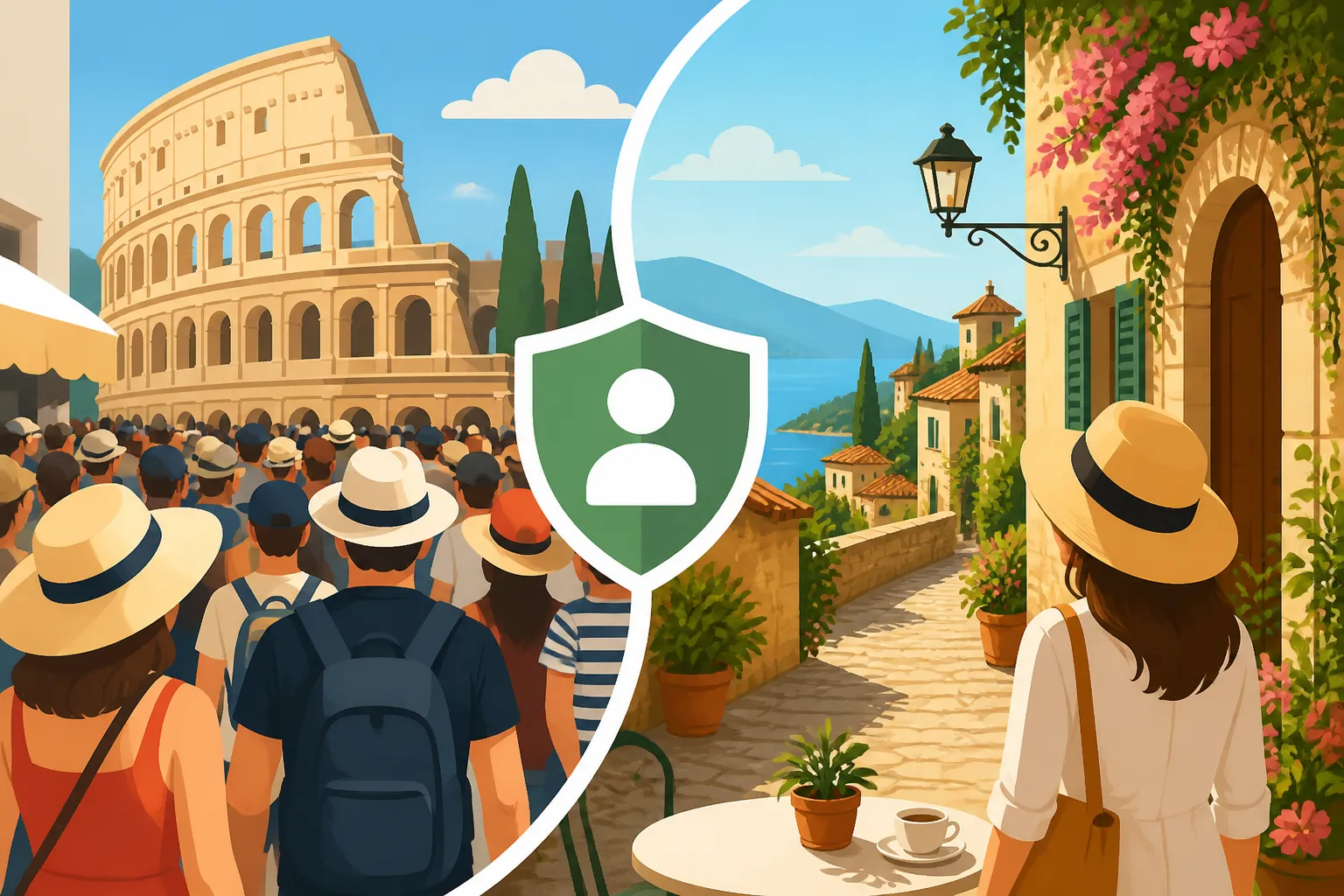
How to Avoid the Crowds in Italy’s Peak Season
Ah, Italy in high season. It’s a bit of a double-edged sword, isn't it? The weather is glorious, the sun shines bright, and every piazza hums with activity. But let’s be honest, standing in endless queues, battling selfie sticks, and feeling like you’re part of a human conveyor belt can quickly transform your dream Italian vacation into a sweaty, frustrating ordeal. This guide is here to offer you a seasoned expat’s perspective, providing actionable strategies to navigate Italy during its busiest months while still finding those moments of genuine Italian magic, away from the madding crowds.
Disclosure: This post may contain affiliate links. We may earn a commission at no extra cost to you if you make a purchase through these links. Read full disclosure.
Strategic Timing and Off-the-Beaten-Path Exploration
When everyone else is heading for the main attractions at midday, that’s your cue to zig when they zag. It's about consciously choosing a different rhythm, a different path, to carve out your own unique Italian experience. Trust me, after years of living here, I’ve learned that the secret to enjoying Italy when it's packed isn't to avoid it entirely, but to approach it smarter.
Embracing the "Shoulder Seasons" within Peak Season
Even during the peak summer months of July and August, there are pockets of tranquility if you know where and when to look. The trick is to think like a local, or at least like a very strategic tourist.
Imagine arriving at the Colosseum at 10 AM in August. You’ll be greeted by a line that snakes around the monument, baking under the relentless sun, with tour groups jostling for space. It’s disheartening, and quite frankly, exhausting before your day has even begun. Instead, consider aiming for the very first entry slot right when they open, or, even better, in the late afternoon an hour or two before closing. The light is often softer, the air cooler, and a significant portion of the day-trippers will have already moved on. The same applies to museums like the Uffizi Gallery in Florence or the Vatican Museums in Rome. By arriving right at opening or close to closing, you not only avoid the worst of the crowds but also get to experience these iconic sites in a more serene atmosphere. Weekdays, naturally, tend to be less crowded than weekends, especially in smaller towns that attract local visitors. If you absolutely must visit a major city on a weekend, try to schedule your major activities for Saturday or Sunday morning very early and then shift to less crowded activities or areas in the afternoon. And don't underestimate the lunchtime lull – while many tourists are rushing to eat, you could be enjoying a relatively quieter moment at a popular site.
Discovering Italy Beyond the "Big Three"
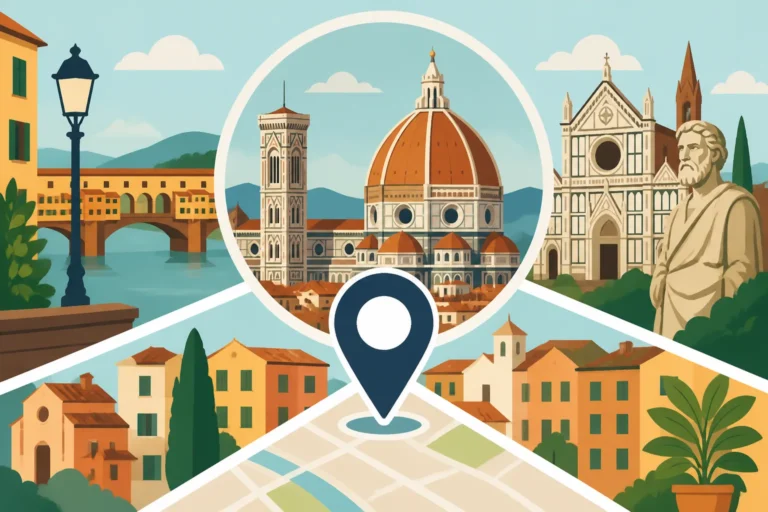
Everyone wants to see Rome, Florence, and Venice, and for good reason—they are spectacular. But Italy is so much more than these three titans. The sheer volume of visitors these cities attract in peak season can be overwhelming, and sometimes, the best way to escape the crowds is to simply go somewhere else entirely.
Think about cities like Bologna, for instance. It’s a culinary capital, boasts stunning medieval porticoes that offer shade from the summer sun, and has a vibrant university atmosphere, yet it receives a fraction of the tourists that Florence does. You can wander its charming streets, indulge in incredible food, and visit impressive churches without constantly elbowing someone out of the way. Or consider Turin, with its elegant arcades, magnificent palaces, and rich chocolate heritage – a sophisticated city that’s often overlooked by the summer tourist rush heading for the Tuscan hills. For something completely different, explore the Baroque wonders of Lecce in Puglia, often called the "Florence of the South," or the dramatic clifftop town of Orvieto in Umbria, with its breathtaking Duomo. These places offer an equally rich cultural experience, often with a more authentic local feel, allowing you to truly appreciate the slow pace of Italian life. If you're pondering alternatives to the more famous Tuscan spots, exploring places like Living in Florence and Bologna: A Practical Comparison might give you some excellent ideas.
The Underrated Charm of Italy's Smaller Towns and Borghi
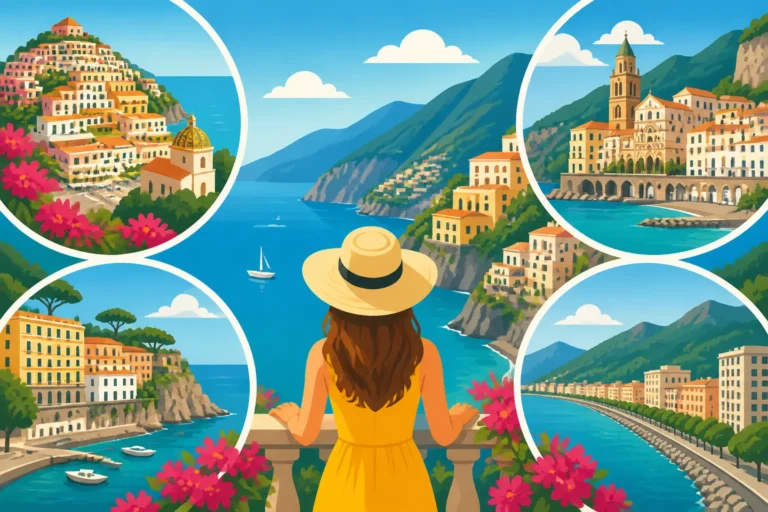
Italy is dotted with thousands of small towns and villages, known as borghi, each with its own unique history, traditions, and charm. While the Cinque Terre and the Amalfi Coast draw massive crowds to their picturesque coastal villages, there are countless other equally stunning, yet far less visited, hamlets waiting to be explored.
Picture yourself strolling through the quiet, cobblestone streets of Spello in Umbria, famous for its flower-filled balconies, or the almost fantastical Civita di Bagnoregio, perched precariously on a crumbling plateau, accessible only by a pedestrian bridge. These places offer a glimpse into a timeless Italy, where life moves at a slower pace, and genuine interactions with locals are still common. You can find authentic regional cuisine, unique artisan crafts, and breathtaking views, all without the constant clamor of tourist buses and large groups. Many of these borghi are nestled in scenic countryside, perfect for leisurely walks or simply soaking in the atmosphere with a glass of local wine. Escape the bustling metropolises and delve into the heart of authentic Italy. You might find some true gems by checking out guides to Italy's Most Beautiful Borghi (Small Villages) to Visit. These quieter corners provide not just respite from the crowds but often a deeper, more meaningful connection to Italian culture.
Smart Logistics: Booking, Transportation, and Avoiding Bottlenecks
A little foresight and strategic planning can make an enormous difference in avoiding peak season pandemonium. It's not about being rigid, but about making informed choices that put you in control of your itinerary, rather than being swept along by the masses.
Pre-Booking Everything (Seriously, Everything)
This is perhaps the single most important piece of advice for a peak season trip to Italy. If you plan to visit any major attraction—and I mean any—you absolutely must book your tickets online, and well in advance. Trying to wing it by showing up at the Colosseum or the Vatican Museums, especially in summer, is a recipe for standing in lines for hours, often in intense heat, only to potentially find out that tickets for your preferred time slot are sold out.
Many popular sites, like the Colosseum and the Vatican, now operate with timed entry slots, which helps manage crowds somewhat inside, but the queues to get in can still be formidable if you haven't pre-booked. Websites like GetYourGuide are incredibly useful for securing skip-the-line tickets and guided tours for major attractions. Not only do these services often allow you to bypass the general admission queues, but a good guide can also enhance your experience significantly, providing context and stories you wouldn't get otherwise. Think of it as an investment in your sanity and time. Imagine walking straight into the Sistine Chapel while others are still queueing outside, or skipping past a two-hour line to enter the Uffizi. It makes a world of difference. For detailed guidance on specific attractions, consider reading up on How to Skip the Lines at the Colosseum and Vatican to truly maximize your time.
Navigating Italy's Transport Systems Strategically
Getting from A to B in Italy can be a joy, especially with its efficient train network, but peak season demands smart planning to avoid overcrowded carriages and sold-out tickets.
High-speed trains like Trenitalia's Frecciarossa and Italo offer comfortable and fast connections between major cities. However, during July and August, tickets, especially for popular routes like Rome-Florence or Milan-Venice, can sell out or become prohibitively expensive if purchased last minute. Always book these well in advance – a couple of months if possible. You can use platforms like Omio to compare prices and schedules across different operators and book your tickets seamlessly. For shorter distances or when exploring smaller towns, regional trains (Regionale) and local buses are your friends. They’re slower, yes, but often much cheaper, require less pre-planning, and can take you to places the high-speed lines don’t reach. If you're driving, be acutely aware of Italy’s ZTLs (Limited Traffic Zones), which are common in historic city centers. These zones are usually off-limits to non-residents and are monitored by cameras, leading to hefty fines. Trying to navigate these areas in peak season traffic is a stress you definitely don't need. Learn more about navigating these tricky zones in What Is a ZTL in Italy and How to Avoid Fines. Opt for parking garages outside the ZTL and use public transport to get into the center. For more in-depth advice on train travel, consult High-Speed Trains in Italy: Trenitalia, Italo, Routes, and Savings.
Accommodation Choices for Crowd Avoidance
Where you choose to lay your head each night can significantly impact your experience of avoiding crowds. While staying right in the heart of a historic center might sound appealing, it often means contending with constant noise, higher prices, and more people outside your window.
Consider looking for accommodation slightly outside the most central, tourist-heavy areas, perhaps in a residential neighborhood with good public transport links. For example, in Rome, instead of staying right by the Pantheon, you might find a lovely B&B in Trastevere (still popular, but generally with more local vibe) or even further out in areas like Monteverde or San Giovanni, offering a more authentic Roman experience and easy access to the center via bus or metro. In Tuscany, instead of a bustling hotel in central Florence, explore an agriturismo (farm stay) in the surrounding countryside. These often come with pools, beautiful views, and delicious homemade food, providing a tranquil base from which to make day trips. They're perfect for unwinding after a day of sightseeing. When booking, sites like Booking.com can be invaluable for filtering by location, price, and amenities, and reading reviews can help you gauge how peaceful a spot truly is. Having a quieter retreat to return to at the end of a busy day is priceless during peak season. Explore different options through guides like Accommodation in Italy: Hotels, B&Bs, and Agriturismi and consider the trade-offs of Renting in Italy's Small Towns vs Big Cities: Trade-Offs.
Redefining Your Peak Season Itinerary
Sometimes, avoiding crowds means fundamentally rethinking what your Italian vacation looks like. It’s about shifting focus from a checklist of famous sights to a deeper, more personal engagement with the country’s diverse offerings.
Focusing on Outdoor Experiences and Nature
When the cities are sweltering and packed, Italy’s vast natural landscapes offer a refreshing escape. Don't underestimate the power of nature to soothe the senses and provide unforgettable experiences away from the urban hustle.
Consider heading north to the majestic Dolomites, where crisp mountain air, stunning hiking trails, and charming alpine villages await. You can spend days exploring the jagged peaks, pristine lakes, and lush valleys, enjoying outdoor activities like hiking, cycling, or simply relaxing in a tranquil setting. The climate is much milder in summer, and while popular spots can still see visitors, the sheer expanse of the mountains allows for easy dispersion. Alternatively, explore Italy’s lesser-known coastlines. While the Amalfi Coast is undeniably beautiful, its narrow roads and popular towns become incredibly congested in summer. Instead, look south to the beaches of Puglia or the Cilento Coast in Campania, south of Salerno, which offer equally stunning turquoise waters and sandy shores but with a more relaxed, local vibe. Italy boasts numerous national parks, from the Abruzzo, Lazio, and Molise National Park with its brown bears and wolves, to the stunning coastal park of Cinque Terre (though parts of this can still be crowded, quieter trails exist). A guide like Hiking in Italy: Popular Trails and How to Prepare can help you find your ideal trail, or check out Italy's Best Beaches by Region for coastal gems. These natural havens are perfect for shedding the stress of crowded tourist hotspots.
Culinary Journeys Beyond Tourist Traps
One of the greatest joys of Italy is its food, but nothing sours the experience faster than an overpriced, mediocre meal in a restaurant catering solely to tourists. In peak season, these are unfortunately abundant, particularly around major attractions. The trick is to venture just a few blocks away from the main piazzas and popular streets.
Seek out trattorie and osterie that look a bit more unassuming, perhaps with handwritten menus or predominantly Italian clientele. Locals know where to find the good stuff, and so should you. Don’t be afraid to ask your hotel receptionist or a shopkeeper for their personal recommendations – they'll often point you to hidden gems. Early morning visits to local food markets (like Campo de' Fiori in Rome or the Mercato Centrale in Florence, though the latter can also get busy) offer not just fresh produce but a vibrant cultural experience with fewer crowds than later in the day. Many regions also offer cooking classes, which can be a fantastic way to immerse yourself in Italian culinary traditions and connect with locals. Imagine learning to make fresh pasta in a quiet Tuscan farmhouse, far from the tourist throngs. This is where the real Italy reveals itself. To truly avoid disappointment, learn How to Find Authentic Restaurants in Italy (Not Tourist Traps) and consider exploring Italian Markets: Food, Antiques, and Flea Markets for a taste of local life.
Embracing the Slow Travel Mentality
Perhaps the most effective way to avoid the crowds, and truly savor Italy, is to adopt a "slow travel" mindset. This means resisting the urge to cram every single famous landmark into a whirlwind itinerary. Instead, choose fewer destinations, and spend more time in each one.
When you slow down, you give yourself permission to simply be in Italy, rather than constantly rushing from one attraction to the next. Stay for a week in a smaller town, or dedicate several days to a single, larger city. This allows you to explore beyond the main sights, discover local coffee bars, parks, and artisan shops, and even establish a routine. You might find yourself striking up conversations with shopkeepers, watching the world go by from a quiet café, or simply enjoying an extended passeggiata (evening stroll) like a true Italian. This pace makes it easier to visit popular sites during off-peak hours, enjoy unhurried meals, and truly soak in the atmosphere. The pressure to see "everything" often leads to burnout and a feeling of being constantly overwhelmed by crowds. By slowing down, you regain control of your experience and unlock a deeper, more meaningful connection with Italy, making your peak season trip feel less like a sprint and more like a leisurely, unforgettable journey. For inspiration on this approach, take a look at Slow Travel in Italy: Staying Longer in One Place.
Here's a quick reference to help you think differently about your itinerary:
| Interest | Typical Peak Season Spot | Crowd-Avoiding Alternative | Why it's better |
|---|---|---|---|
| Art & History | Uffizi Gallery, Colosseum (mid-day) | Bologna's Porticoes, Orvieto Cathedral, Matera's Sassi | Rich history, unique architecture, fewer crowds |
| Coastal Escape | Cinque Terre, Amalfi Coast | Puglia's Salento Coast, Cilento Coast, Elba Island | Stunning beaches, less 'Instagrammed', more local |
| Charming Towns | San Gimignano, Assisi | Spello, Civita di Bagnoregio, Pitigliano | Authentic feel, quieter streets, ancient charm |
| Lakes | Lake Como | Lake Orta, Lake Iseo, Lake Trasimeno | Serene, less glitzy, beautiful scenery |
| Gastronomy | Tourist-trap restaurants near icons | Local trattorie in residential areas, market visits | Authentic flavors, better value, genuine atmosphere |
| Outdoor Adventure | City parks (briefly) | Dolomites hiking, national parks, Apennine trails | Fresh air, natural beauty, space to breathe |
Disclaimer
The information provided in this guide is for general informational purposes only and does not constitute professional advice. While we strive to keep the information up-to-date and accurate, details regarding opening hours, public transport, and regulations in Italy can change. Always verify information with official sources or local authorities before making travel plans.