What’s the Best Month to Visit Tuscany?
Deciding on the absolute "best" month to visit Tuscany is a question I’ve heard countless times from friends, family, and fellow expats trying to plan their ideal Italian escape. The truth is, there's no single perfect answer because what makes a month "best" really depends on your priorities. This guide will walk you through the distinct charms and challenges each season brings to Tuscany, helping you pinpoint the exact time that aligns with your dream Italian experience, from rolling hills to bustling piazzas.
Disclosure: This post may contain affiliate links. We may earn a commission at no extra cost to you if you make a purchase through these links. Read full disclosure.
Understanding Tuscany's Seasons: More Than Just Weather
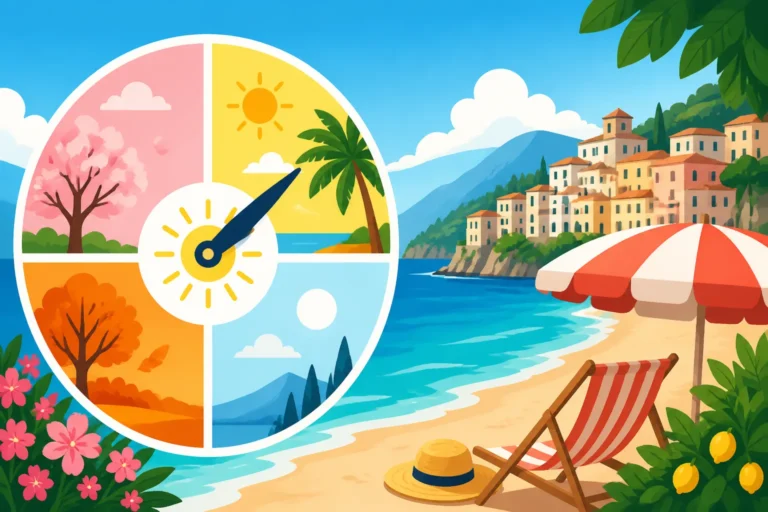
Tuscany isn't just about rolling hills and cypress trees; it's a living, breathing landscape that transforms dramatically with each passing month. As someone who’s lived through its cycles, I can tell you that the season dictates not just the temperature, but the very rhythm of life, the local festivities, and even the flavors on your plate. Forget the generic travel brochures; let’s dive into what each Tuscan season truly feels like.
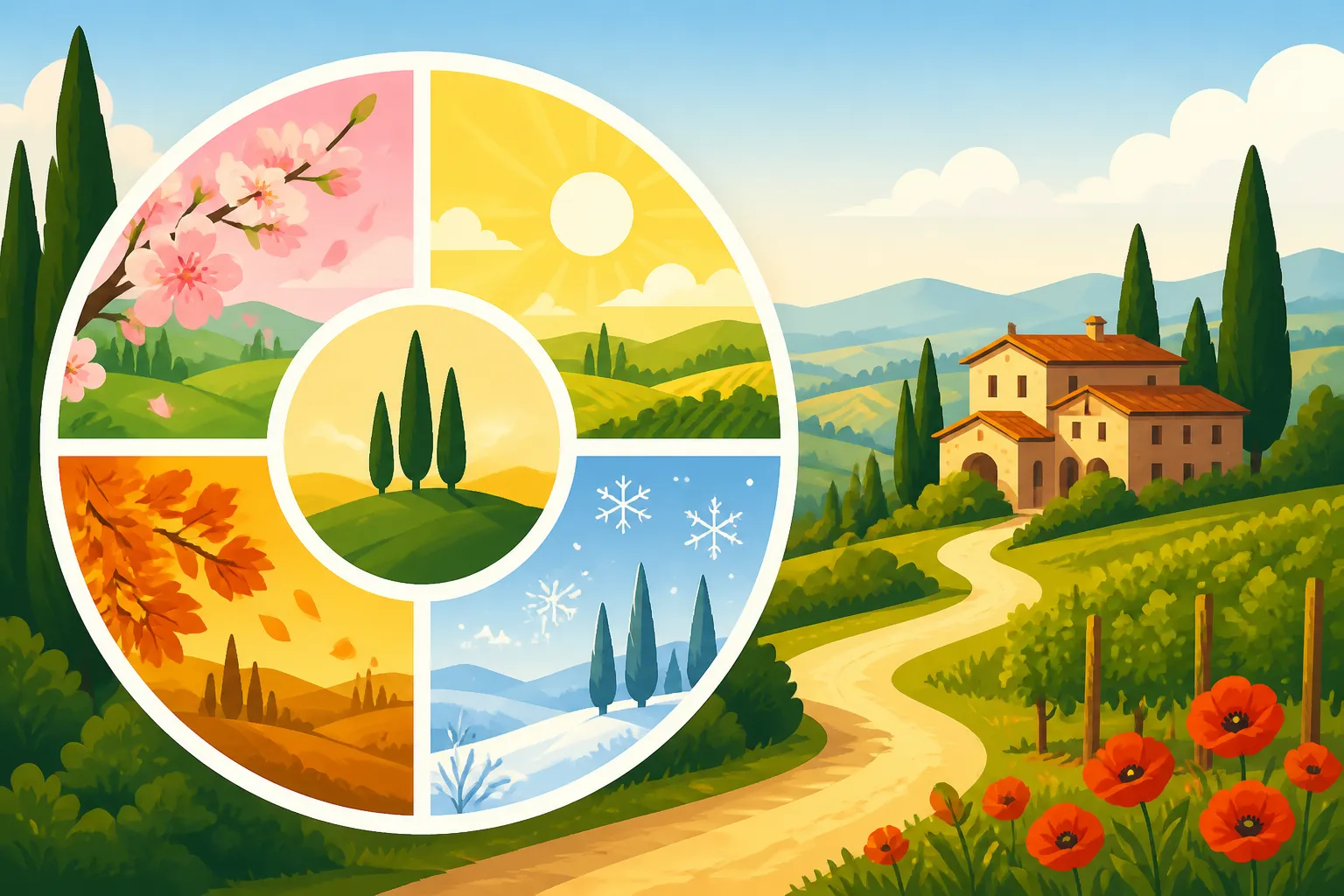
Spring's Awakening (March to May)
Ah, spring in Tuscany! This is when the region truly comes alive after the quiet slumber of winter. The fields, once bare or muted green, burst forth with vibrant wildflowers – poppies, daisies, and irises paint the landscape in breathtaking hues. The air is crisp and clean, often carrying the scent of blooming jasmine or freshly tilled earth. Temperatures are wonderfully mild, making it ideal for exploring charming hill towns or embarking on long walks through vineyards. However, don't be fooled into thinking it's constant sunshine. Spring can be fickle, with sudden, refreshing rain showers that leave everything looking even more verdant and alive. You'll find a growing buzz in the larger cities like Florence and Siena, as tourists begin to trickle in, but it's generally a more relaxed atmosphere than the summer peak. The light, particularly in late afternoon, is simply magical for photography.
Summer's Golden Haze (June to August)
Summer in Tuscany is exactly what many people picture: long, sun-drenched days, golden light, and evenings spent al fresco. June is often considered a sweet spot, with warm but not yet scorching temperatures, and the landscape still clinging to some of its spring green. By July and August, though, things get hot. Believe me, when the mercury consistently hits 30-35°C (86-95°F), even the most seasoned expat starts seeking refuge indoors during the midday hours. This is the time for late dinners, sipping aperitivi as the sun sets, and perhaps a trip to the coast to escape the inland heat. Culturally, August, particularly around Ferragosto (August 15th), sees many locals head to the beaches or mountains, meaning some smaller shops and businesses might close. On the flip side, many towns host outdoor concerts, festivals, and nighttime events to take advantage of the warm evenings. Be prepared for crowds, especially in popular spots and don't forget to book your accommodation in advance on platforms like Booking.com.
Autumn's Rich Palette (September to November)
If spring is about new life, autumn is about abundance and rich, earthy beauty. The landscape slowly shifts from summer's golden-brown to a stunning array of reds, oranges, and deep yellows as the leaves turn, particularly in the northern parts of Tuscany. This is harvest season – a truly special time. The air fills with the sweet scent of grapes during the vendemmia (grape harvest) in September, followed by the earthy aroma of olives being pressed for new oil in October and November. Truffle hunting also begins, and many local sagre (food festivals) celebrate seasonal delicacies like porcini mushrooms, chestnuts, and, of course, the new wine. The weather cools down, offering pleasant days for hiking or cycling, though November can bring more rain and a chill. Crowds begin to thin out significantly after mid-October, making it a fantastic time for those seeking a more authentic, less hurried experience.
Winter's Quiet Charm (December to February)
Winter in Tuscany is often overlooked, and that's a shame because it offers a unique, serene beauty. The landscapes are starker, the cypress trees standing out boldly against crisp, often misty skies. While it can be chilly, with temperatures sometimes dropping below freezing, snow is relatively rare in most areas, though the higher hills can get a dusting. This is the season for cozy fireside meals, exploring museums and art galleries without the throngs of tourists, and enjoying the cities at their most authentic pace. Christmas markets pop up in December, adding a festive cheer, and the weeks immediately after the New Year are incredibly quiet and peaceful. Prices for flights and accommodation are generally at their lowest, making it a budget-friendly option. It's an excellent time for those who prioritize culture, hearty food, and a genuine sense of local life over sunshine and outdoor activities.
A Deep Dive into Each Month: Pros and Cons for Expats and Tourists
Let’s break down each month to give you a clearer picture, understanding that weather is never a guarantee, but these are typical patterns based on years of living here.
| Month | Typical Temperature (°C) | Rain | Crowds | Key Activities/Events | Pros | Cons |
|---|---|---|---|---|---|---|
| January | 2-10 | Moderate | Low | Winter sales, cultural exploration | Lowest prices, no crowds, authentic feel | Coldest, shortest days, some attractions may have reduced hours |
| February | 3-12 | Moderate | Low | Carnival (Viareggio), olive pruning | Good value, fewer tourists | Still chilly, possibility of rain |
| March | 5-15 | Moderate | Moderate | Early blooms, Florence Marathon | Mild weather, good for walking, fewer crowds than spring peak | Unpredictable weather, can still be cold |
| April | 8-18 | Moderate | Medium-High | Easter celebrations, blooming fields | Beautiful scenery, pleasant temps | Easter crowds, higher prices around holidays |
| May | 12-23 | Low | High | Abundant wildflowers, open gardens | Ideal weather, vibrant landscape | Significant crowds, higher prices |
| June | 16-28 | Low | High | Early summer festivals, beach season begins | Warm and sunny, long days | Crowds increase, prices rise |
| July | 19-32 | Low | Very High | Outdoor concerts, Palio di Siena | Peak summer vibe, lively cities | Very hot, peak crowds, highest prices |
| August | 18-32 | Low | Very High | Ferragosto closures, coastal escapes | Beaches are popular, relaxed pace for locals | Extremely hot, very crowded (coasts), many local closures |
| September | 15-27 | Low | High | Grape harvest (vendemmia), food festivals | Excellent weather, harvest celebrations | Still crowded in early month, higher prices persist |
| October | 10-21 | Moderate | Medium | Olive harvest, truffle season, foliage | Beautiful colors, culinary delights, pleasant weather | Can be rainy, crowds in popular towns |
| November | 6-15 | High | Low | New olive oil tastings, cultural events | Low prices, no crowds, cozy atmosphere | Coldest autumn month, increased rainfall, shorter days |
| December | 3-11 | Moderate | Moderate | Christmas markets, festive decorations | Festive atmosphere, winter charm | Cold, some attractions may close for holidays |
The Bloom of Spring: March, April, May
- March: Early spring can be a bit of a gamble. You might get beautifully sunny, mild days perfect for meandering through Florence's Oltrarno, or you could encounter some chilly rain. The real benefit here is fewer crowds and lower prices. It’s a good choice if you're keen on cultural immersion and don't mind bundling up.
- April: This is when Tuscany truly starts to show off. The fields are a lush green, wildflowers are popping, and the temperatures are generally pleasant. Easter celebrations can be fascinating, but beware that prices spike and crowds swell around this major holiday. If you're planning to visit popular spots like the Uffizi Gallery or the Duomo, consider purchasing tickets in advance through sites like GetYourGuide.
- May: Many consider May to be the quintessential "best" month. The weather is consistently gorgeous, the landscape is at its most vibrant, and everything is open and buzzing. However, this perfection comes with a price: significant crowds and higher prices for flights and accommodation. If you love bustling energy and don't mind sharing the view, May is fantastic.
The Heat of Summer: June, July, August
- June: A superb choice if you want warm weather without the intense heat of high summer. The days are long, and while popular spots are busy, it's generally more manageable than July or August. The region is still relatively green, and evenings are divine.
- July: Hot, hot, hot! And crowded. If your dream is to bake in the Tuscan sun, enjoy late outdoor dinners, and experience the famous Palio di Siena (early July), then this is your month. Be prepared to seek shade and hydrate constantly. Booking train tickets between cities via Omio is essential to avoid long waits, as trains fill up fast.
- August: Even hotter, and often surprisingly quiet in some cities as locals escape, only to find packed beaches and coastal towns. Unless you're specifically going for a beach holiday along the Tuscan coast or want to experience Ferragosto with its unique vibe (which can mean many things are closed), I'd generally advise against August for first-timers, especially in inland areas.
The Harvest of Autumn: September, October, November
- September: Another strong contender for "best month." The oppressive heat of summer breaks, leaving wonderfully warm, sunny days and cool, comfortable nights. The grape harvest is in full swing, and food festivals celebrating local produce abound. Crowds are still present but begin to thin towards the end of the month.
- October: My personal favorite. The foliage is magnificent, the air is crisp, and the atmosphere feels more relaxed. This is the month for truffle hunting, olive oil tastings, and enjoying hearty Tuscan cuisine with new wine. While there's a higher chance of rain than in September, the colors and culinary experiences more than make up for it. This is a great time to explore the Chianti Classico region or head to Siena for a more intimate experience.
- November: The true off-season begins. Expect cooler temperatures and increased rainfall. However, if you're on a budget, despise crowds, and love genuine cultural experiences, November can be incredibly rewarding. You'll practically have museums to yourself and get a real feel for local life.
The Quiet of Winter: December, January, February
- December: The lead-up to Christmas brings a festive charm with lights, decorations, and markets in many towns. It's cold, but the atmosphere is lovely. Prices are still reasonable until the Christmas week surge.
- January & February: These are the coldest, quietest months. If you're focusing on art, museums, cooking classes, or simply want to experience Florence or Siena without the crowds, these months offer a unique perspective. You’ll find great deals on accommodation and flights, and you can truly immerse yourself in the local pace. Just be prepared for chilly, possibly damp weather.
Tailoring Your Tuscany Trip: Matching the Month to Your Style
Your ideal month really boils down to what you envision for your trip. Tuscany offers so much, and different times of year highlight different aspects.
For the Food and Wine Enthusiast
If your trip revolves around culinary delights and viticulture, September and October are unparalleled. Imagine participating in a grape harvest, witnessing olive pressing, or joining a truffle hunt. These months are brimming with sagre celebrating everything from wild boar to porcini mushrooms. You'll find wine cellars bustling with activity, offering fresh insights and tastings of vino novello. While spring also brings seasonal produce, the sheer abundance and significance of the autumn harvests make it a true feast for the senses. Don't forget to check out some of the local wineries for tastings – many offer tours you can book through sites like GetYourGuide. For those interested in deeper culinary exploration, reading up on Italian Regional Cuisine: How Food Changes Across Italy can offer invaluable insight into what to seek out during harvest season.
For the Art and Culture Lover
For those whose hearts beat for Renaissance art, ancient history, and magnificent architecture, the shoulder seasons (April/May and September/October) and even the winter months (November to March) are fantastic. During these times, the intense crowds of summer dissipate, allowing for more contemplative visits to galleries like the Uffizi or the Accademia. Imagine wandering through the Duomo in Florence or Siena's Piazza del Campo without a thousand other tourists jostling for position. Winter offers the added benefit of lower entry fees, shorter queues, and a more intimate atmosphere in museums and churches. Plus, you can spend longer enjoying a delicious hot chocolate or a hearty Tuscan meal without feeling rushed.
For the Outdoor Adventurer or Scenic Photographer
If your dream involves hiking the rolling hills, cycling through vineyards, or capturing those iconic cypress-lined vistas, then April, May, June, September, and October are your best bets.
- April and May showcase Tuscany in its vibrant green glory, with wildflowers adding splashes of color. The temperatures are perfect for sustained outdoor activity.
- June offers long, sunny days, ideal for cycling, though it starts to get warm.
- September is wonderful after the summer heat, with golden light and pleasant temperatures for hiking.
- October brings the spectacular autumn foliage, especially beautiful in areas like the Chianti Rufina or Mugello valleys. Just be mindful of potentially rainy days, which can make some trails muddy. The changing light throughout these months is a photographer's dream. For those planning an extensive scenic journey, you might want to look at How to Plan a Road Trip Through Tuscany and Umbria for some great ideas.
For the Budget-Conscious Traveler
Let's be realistic: Italy isn't always cheap, especially during peak season. If stretching your euros is a priority, consider November, January, February, and early March. During these months, flights are significantly cheaper, and you can find excellent deals on accommodation, from charming B&Bs to luxurious agriturismi. While the weather might be cooler or wetter, the savings can be substantial, allowing you to splurge on incredible meals or unique experiences without breaking the bank. You’ll also find fewer crowds, which often translates to a more authentic interaction with locals and shorter wait times at popular attractions.
For Families Traveling with Children
Traveling with bambini adds another layer of planning.
- Late spring (May/early June) or early autumn (September) tend to be excellent choices. The weather is generally mild and comfortable for outdoor play and exploring, without being too hot for little ones. Crowds are manageable, and parks, playgrounds, and child-friendly attractions are fully operational.
- Summer (July/August) can be challenging due to the intense heat and large crowds, which can quickly lead to tired and grumpy kids (and parents!). However, if you plan for pool time, coastal escapes, and slower mornings, it's doable.
- Winter offers a quieter, more cultural trip, potentially ideal for families with older children who appreciate museums and indoor activities. Look for family-friendly apartments on Booking.com for more space and amenities.
Practical Considerations Beyond the Calendar
While the general seasonal vibe is crucial, there are other practical elements that will heavily influence your experience, no matter when you visit.
Booking Accommodation and Transport
No matter which month you choose, the golden rule for visiting Italy, especially Tuscany, is to book in advance, particularly during the shoulder and peak seasons. This applies to everything from your flight and train tickets to your chosen accommodation. For train travel, you can use platforms like Omio to easily compare prices and schedules for Trenitalia and Italo, which are Italy’s main train operators. If you're planning to rent a car, especially for exploring the more rural parts of Tuscany (which I highly recommend for true immersion), secure it well ahead of time. Car rental prices can skyrocket, and availability can dwindle, during busy periods. Also, be mindful of Renting a Car in Italy: ZTLs, Insurance, and Driving Tips – those dreaded ZTLs (Limited Traffic Zones) are no joke!
Popular agriturismi (farm stays) and charming B&Bs in prime locations like the Val d'Orcia or Chianti can be fully booked months ahead for May, June, September, and October. Using reputable sites like Booking.com allows you to filter for amenities, read reviews from other travelers, and often offers flexible cancellation policies. For tours and specific experiences like a wine tasting tour, a cooking class in Florence, or a guided walk, GetYourGuide is an excellent resource to book ahead and ensure your spot.
Local Festivals and Public Holidays
Tuscany is rich in local traditions and festivals, and timing your visit to coincide with one can be a truly memorable experience. However, it also means anticipating larger crowds and potential closures.
- Easter (Pasqua) often falls in March or April and is a major holiday. Cities like Florence have unique celebrations, such as the Scoppio del Carro (Explosion of the Cart).
- The Palio di Siena in July and August is a historic horse race that completely transforms Siena. It's an incredible spectacle but requires advance planning for tickets and accommodation.
- Ferragosto (August 15th) is a national holiday, and many smaller businesses, especially in cities, will be closed as Italians head to the coast or mountains.
- Local sagre, or food festivals, happen throughout the spring and autumn, celebrating specific seasonal produce. These are wonderful for experiencing authentic local life and flavors. Keep an eye on local tourism websites closer to your travel date to see what's on.
Understanding these holidays is key to managing expectations and logistics. If you're after a serene trip, perhaps avoid major public holidays. If you thrive on lively atmosphere, then plan around them!
Regional Differences Within Tuscany
Tuscany is a large and diverse region, and the "best" month can even vary within its borders.
- Florence and Siena, being major cultural hubs, are bustling year-round, with peaks in spring and autumn. In summer, they can be scorching hot.
- Coastal areas like the Maremma or Versilia are best enjoyed from late May through September, when the weather is warm enough for swimming and beach activities. Many coastal towns effectively shut down in winter.
- The Chianti region and the Val d'Orcia, with their iconic rolling hills and vineyards, are beautiful in spring with their vibrant green, stunning in autumn with the harvest colors, and serene in winter. They can feel very exposed to the sun in high summer.
- Mountainous areas like the Apennines or the Garfagnana region offer cooler temperatures in summer, making them a great escape from the heat of the plains and cities. They also provide opportunities for skiing or snowshoeing in winter.
When planning, consider which part of Tuscany you want to explore most deeply and how the season will impact that specific experience. For a comprehensive guide, check out Tuscany for Travelers: Cities, Hills, and Coast to help you choose your perfect region within Tuscany.
Disclaimer
The information provided in this guide is for general informational purposes only and is based on typical conditions and personal experience. While every effort has been made to ensure accuracy, situations can change. I am not a legal, financial, or travel professional, and this content should not be considered professional advice. Always verify current conditions, regulations, and prices before making travel plans.