Italian Markets: Food, Antiques, and Flea Markets
Oh, the sheer joy and utter chaos of an Italian market! If you've ever felt overwhelmed trying to find truly authentic Italian goods amidst the tourist traps, or struggled to connect with the genuine rhythm of daily life here, then you're in the right place. Markets in Italy aren't just places to buy things; they're vibrant, pulsating hubs of culture, community, and delicious discoveries, and this guide is going to walk you through how to navigate them like a seasoned expat.
Disclosure: This post may contain affiliate links. We may earn a commission at no extra cost to you if you make a purchase through these links. Read full disclosure.
The Heartbeat of Italian Life: Why Markets Matter
Moving to or even just visiting Italy, you quickly realize that certain traditions are deeply woven into the fabric of everyday life. The morning caffè, the evening passeggiata, and, perhaps most vibrantly, the local market. These aren't just quaint little tourist attractions; they are, and always have been, essential to how Italians live, eat, and socialize. Forget the sterile aisles of a supermarket for a moment; here, life unfolds in technicolor, with shouts, laughter, and the intoxicating aromas of fresh produce and simmering street food.
More Than Just Shopping: A Cultural Immersion
When you step into an Italian market, you're not just there to purchase an item. You're stepping into a living, breathing piece of history and a bustling modern-day community gathering. Think of it: grandmothers gossiping over artichokes, children darting between stalls, vendors passionately extolling the virtues of their produce. It's a sensory overload in the best possible way. The sheer energy is infectious, and it’s one of the quickest ways to feel truly immersed in local life. You'll hear the local dialect, witness generations-old bartering tactics, and perhaps even strike up a conversation (with gestures, if your Italian isn't quite there yet!) with a friendly fruttivendolo (fruit and vegetable seller). It’s an experience that transcends mere commerce and becomes a cherished memory. It's truly a place where you can witness the daily interactions and understand the nuances of Italian social customs.
The Authenticity Factor: Local Produce and Artisanal Goods
One of the biggest struggles for new arrivals, or even seasoned travelers, is finding truly authentic, high-quality products. Markets are your secret weapon. This is where you'll find the freshest, seasonal produce, often picked that very morning from local farms. You'll discover artisanal cheeses, cured meats, and regional specialties that you won't find in larger chain stores. The vendors often have a direct connection to the source, and they take immense pride in what they sell. This direct connection also often means better prices and a significantly lower environmental footprint than mass-produced alternatives. It's a fundamental part of the "Made in Italy" ethos that so many of us fall in love with when we move here. From a plump, sun-ripened tomato that tastes like summer itself to a hand-carved wooden spoon, authenticity is the market's hallmark.
Food Markets (Mercati Alimentari): A Feast for the Senses
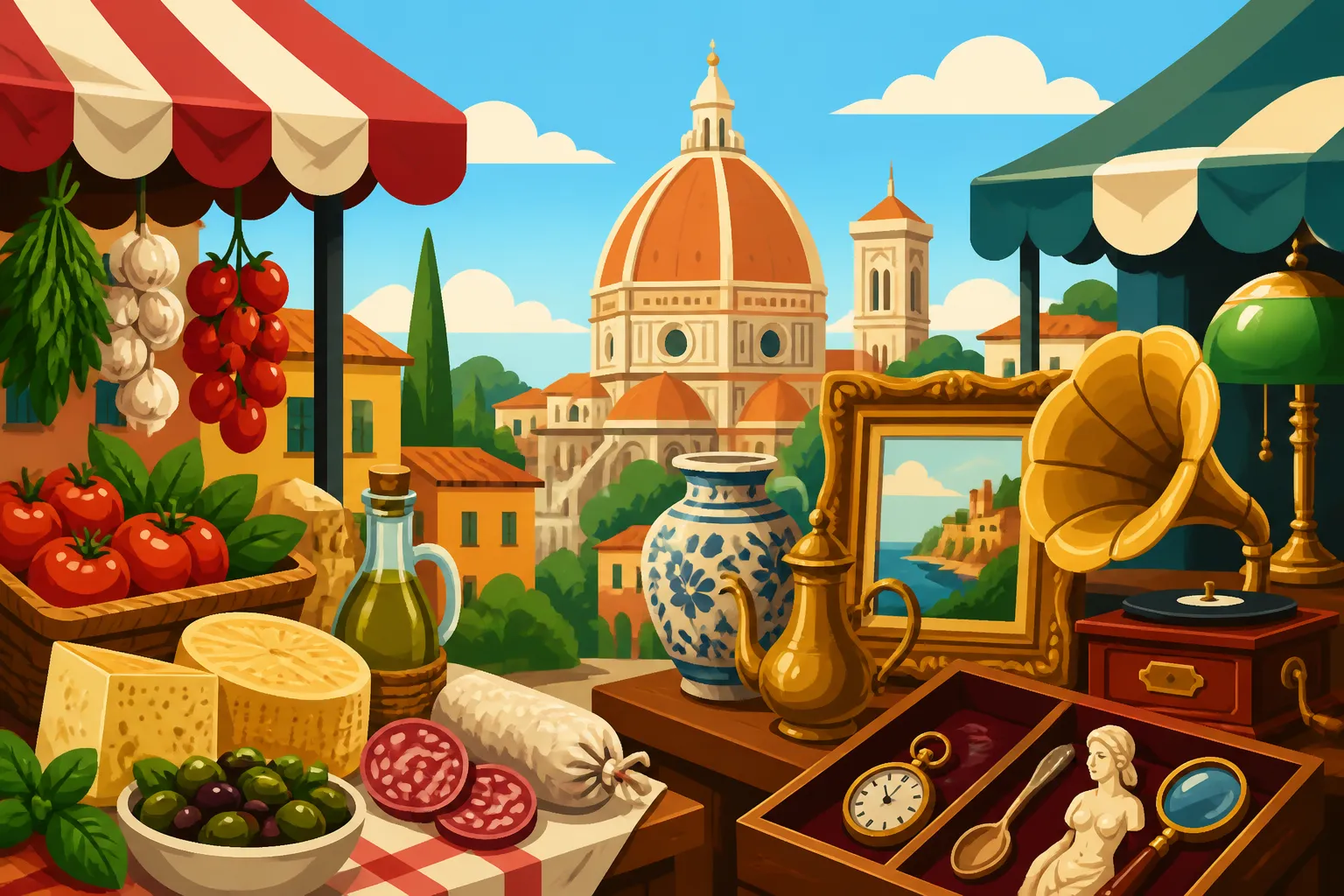
Ah, the mercato alimentare! This is where the magic truly happens, where the heart of Italian cuisine beats strongest. Walking through one of these markets is an assault on the senses in the most delightful way. The vibrant colours of fresh fruits and vegetables, the pungent aroma of aged cheeses, the rich scent of roasting porchetta, and the boisterous calls of the vendors all combine to create an unforgettable experience. It's a place where you can genuinely connect with the food culture of Italy.
Navigating the Fresh Produce Stalls
Upon entering a food market, you'll immediately be struck by the sheer abundance of fresh produce. Stalls overflow with seasonal fruits and vegetables, neatly arranged or piled high in rustic wooden crates. In spring, expect mountains of asparagus, wild strawberries, and fava beans. Summer brings forth juicy peaches, vibrant tomatoes, and succulent melons. Autumn showcases porcini mushrooms, grapes, and chestnuts, while winter offers an array of citrus fruits and hearty greens. This seasonal rhythm is paramount in Italian cooking, and the market is where you learn to appreciate it firsthand.
However, a quick word of advice: don't just grab items yourself! In many traditional Italian markets, especially for produce, it's considered polite (and sometimes mandatory) to let the vendor select and bag your items. Point to what you want, indicate the quantity (e.g., " due pomodori, per favore " for two tomatoes), and they’ll handle it. This ensures you get the freshest picks and avoids any accidental bruising. It might feel a bit formal at first, but it's part of the local charm and a sign of respect for the produce and the seller. You'll find many locals using reusable bags, and it's a good practice to bring your own as well to reduce waste.
Specialty Foods: Cheese, Cured Meats, and More
Beyond the kaleidoscope of fruits and vegetables, Italian food markets are treasure troves of specialty items. You'll find dedicated stalls brimming with an incredible variety of cheeses, from creamy ricotta to sharp pecorino and pungent gorgonzola. Don't hesitate to ask for a taste ("Posso assaggiare?"). The vendors are usually happy to offer a sliver, often accompanied by a detailed explanation of the cheese's origin and characteristics. This is a far cry from the pre-packaged selections in your average supermarket.
Then there are the salumi stalls, showcasing an impressive array of cured meats: paper-thin slices of prosciutto, spicy salame, and a multitude of regional sausages. Each region, sometimes even each town, boasts its own unique variations, and the market is the perfect place to explore these hyper-local delights. Beyond that, keep an eye out for fresh pasta makers, artisan bread bakers, and stalls selling olives, sun-dried tomatoes, and local honey. Some larger markets, like Florence's Mercato Centrale or Rome's Mercato Testaccio, even have prepared food sections where you can grab a delicious, authentic meal on the go. These are often bustling, vibrant places perfect for lunch.
Tips for the Best Food Market Experience
To truly embrace the food market experience, arrive early, especially if you're looking for specific items or want to avoid the biggest crowds. The freshest selection is always at the beginning of the day. Bring small bills and coins (soldi spicci) because many vendors prefer cash, and some might not have change for large denominations. While some larger or more modern stalls might accept cards, cash is king in these traditional settings. Don't be afraid to linger, observe, and soak in the atmosphere. It's a place to engage, not just to transact.
Another tip: try to learn a few basic Italian phrases. Even a simple " Buongiorno " (Good morning), " Grazie " (Thank you), and " Quanto costa? " (How much does it cost?) will go a long way. Vendors appreciate the effort, and it often leads to a warmer interaction. Remember, these interactions are part of the joy. If you're really into cooking and exploring local ingredients, a visit to a food market is essential before you even think about Eating Healthy: Organic and Whole Foods in Italy.
Antique and Flea Markets (Mercati dell'Antiquariato e delle Pulci): Treasure Hunting in Italy
If the thought of unearthing a forgotten treasure or finding that perfect, unique souvenir sends a thrill down your spine, then Italian antique and flea markets are calling your name. These aren't your average yard sales; they are often grand affairs, held on specific days, offering everything from genuine museum-worthy antiques to charming vintage trinkets and quirky bric-a-brac.
Discovering Unique Finds and Vintage Gems
Stepping into a mercato dell'antiquariato or delle pulci (flea market) is like entering a time capsule. You might find delicate lace tablecloths, worn leather bound books, intricate Murano glass, or vintage propaganda posters from decades past. It’s a captivating experience, whether you're a serious collector or just love the thrill of the hunt. I've spent countless Sundays rummaging through dusty boxes, finding everything from beautiful old espresso makers to unique pieces of jewelry that tell a story.
Unlike the produce markets, here you can take your time to browse, touch, and inspect items at your leisure. Each stall is a microcosm of history, offering glimpses into bygone eras. You'll often find vendors specializing in certain categories, be it antique maps, vintage clothing, old records, or furniture. The joy isn't just in the purchase, but in the discovery itself – the moment you spot something truly special amidst the clutter. Remember to check the condition of items carefully, especially for electrical goods or delicate ceramics.
Famous Antique Markets Across Italy
Italy boasts some truly incredible antique and flea markets, many of which attract dealers and collectors from all over Europe. One of the most famous is the Mercato delle Pulci di Porta Portese in Rome, held every Sunday. It's colossal, sprawling across several streets, offering a bewildering array of goods from clothes and furniture to old records and obscure collectibles. It can be overwhelming, but that's part of its charm. Another highlight is the Mercato Antiquario Città di Arezzo, held on the first Sunday of every month and the preceding Saturday. It's one of Italy's oldest and largest antique fairs, renowned for its high-quality furniture, art, and collectibles.
In Milan, the Mercato dell'Antiquariato del Naviglio Grande is a beautiful monthly market set along the picturesque canal, offering a more curated selection of antiques and art. And don't forget the more local, smaller markets that pop up in countless towns on varying weekends; these often hold the best hidden gems and more reasonable prices. Checking local tourism office websites or even asking around in small towns can often reveal these lesser-known, delightful events. If you're planning a trip to one of these markets, particularly in a larger city, consider using Omio for train tickets to get there efficiently, or Booking.com to find nearby accommodation if you want to make a weekend of it. You can even check GetYourGuide for any local tours that might incorporate market visits.
Haggling and What to Look For
Ah, the art of trattare (haggling)! While it's generally not done at food markets (prices are usually fixed), at antique and flea markets, it’s often expected, especially for larger or higher-priced items. Don't be shy; a polite inquiry like " Si può fare un po' di sconto? " (Can you give a small discount?) can often lead to a modest reduction, particularly if you're paying in cash. Start with an offer that's about 10-20% below the asking price, and be prepared to meet somewhere in the middle. Always approach it with a friendly smile and a relaxed attitude – it's a game, not a confrontation.
When hunting for treasures, keep an eye out for unique regional crafts, vintage Italian fashion (which can be incredibly stylish), old postcards, or even religious artifacts if that's your interest. Look for authentic hallmarks on jewelry, original signatures on artwork, and the general patina of age on furniture. It's also worth noting that some markets, particularly the smaller, more specialized ones, might have items that are genuinely valuable. However, the true joy lies in finding something that speaks to you, regardless of its monetary worth. And if you're moving into a new place and need to furnish it, checking out these markets can be a fun way to Furnishing an Italian Apartment: Stores, Delivery, and Budget Tips.
General and Clothing Markets (Mercati Rionali): Everyday Essentials and Bargains
Beyond the edible delights and antique treasures, Italy's general and clothing markets, often called mercati rionali (neighborhood markets), are a ubiquitous part of daily life. These are the workhorse markets, offering a practical blend of household goods, inexpensive clothing, accessories, and sometimes even a few food stalls.
Practical Shopping: Clothes, Household Items, and Sundries
These markets are where many Italians go for their everyday needs, from socks and underwear to kitchen utensils, linens, and even basic electronics. You'll find a dizzying array of apparel, often at very affordable prices. While you won't typically find high fashion here, you can certainly unearth practical items, stylish basics, or even a fun, trendy piece. I've found some surprisingly good quality jeans and sweaters in these markets over the years. The key is to be patient and willing to sift through racks and piles.
Beyond clothing, stalls are laden with household necessities: cleaning supplies, plastic storage containers, small tools, and textiles like tablecloths and towels. It's a great place to stock up on basic kitchenware or seasonal decor without breaking the bank. These markets also often feature shoe stalls, offering everything from sensible sneakers to dressier heels, often at a fraction of boutique prices. For those looking to budget carefully, these markets are an invaluable resource for outfitting your home and wardrobe.
Regional Differences in General Markets
While the general concept of a mercato rionale is consistent across Italy, you'll find regional nuances. In the bustling cities of the North, like Milan or Turin, these markets might be slightly more modern and organized, perhaps with a greater emphasis on contemporary fashion items or niche household goods reflecting a more urban clientele. Down South, in places like Naples or Palermo, the markets tend to be more boisterous, chaotic, and vibrant, often blending seamlessly with the surrounding street life. Here, you might find more traditional crafts, local street food vendors, and a truly lively atmosphere.
Coastal towns often feature markets with beachwear, summer dresses, and souvenirs, while inland agricultural towns might have a stronger presence of workwear or traditional textiles. These regional variations add to the charm and mean that no two market experiences are exactly alike. It’s always worth exploring a market when you visit a new town; it’s a fantastic way to grasp the local flavor and what people truly prioritize in their daily lives.
When and Where to Find Them
Most mercati rionali operate on specific days of the week, often in the morning, typically from around 8:00 AM to 1:00 PM or 2:00 PM. They are usually held in designated squares or along main streets, transforming ordinary urban spaces into bustling commercial centers for a few hours. To find out when and where a local market is held, the best bet is to ask locals (your landlord, a shopkeeper, or simply observe where people are heading with their shopping bags) or check the local Comune (municipality) website.
Many towns have a weekly market day, which becomes a focal point of the week for residents. For example, in Florence, the Mercato di Sant'Ambrogio is an excellent daily food market with a good general section, while the Mercato delle Cascine (a huge, sprawling affair) takes place on Tuesdays. In Rome, beyond Porta Portese, many neighborhoods have smaller daily or weekly markets, like the ones in Piazza Vittorio Emanuele II or Via Andrea Doria. Plan your visit accordingly, remembering that vendors usually start packing up early afternoon.
Essential Market Etiquette and Practical Tips
Navigating the vibrant tapestry of Italian markets can be exhilarating, but a few insider tips can make your experience even smoother and more enjoyable. Think of it as learning the unspoken rules of the game.
Language, Cash, and Carrying Your Haul
As mentioned, a few simple Italian phrases go a long way. " Buongiorno " (good morning/day), " Grazie " (thank you), " Per favore " (please), " Quanto costa? " (how much does it cost?), and pointing to what you want are your best friends. Don't worry about perfection; the effort is genuinely appreciated. Most vendors will try to understand you, and many in tourist-heavy areas might even speak a little English.
Cash is king. Always, always bring plenty of smaller euro denominations (5s, 10s, 20s) and coins. While larger stalls might have card machines, many smaller vendors operate solely on cash, and struggling to break a €50 note for a €3 purchase is not a good look. Make sure to have a secure bag for your wallet and valuables, especially in crowded flea markets. Pickpocketing can be an issue in busy areas, so always be aware of your surroundings and keep your belongings close.
Finally, come prepared to carry your purchases. Italian markets are not big on providing many plastic bags, and even when they do, they're often flimsy. Bring a sturdy, reusable shopping bag (or several, for a big haul!). If you're buying a lot of heavy produce or bulky items, consider bringing a wheeled trolley, as many Italian grandmothers do. It’s both practical and very authentic!
The Best Times to Visit and How to Get There
Generally, the earlier you arrive at a market, the better. This is especially true for food markets, where the freshest produce and best selections are available as soon as the stalls open. Plus, you avoid the midday rush and the heat, particularly in summer. For antique markets, arriving early means you get first dibs on the best finds before other serious collectors swoop in. Most markets are morning affairs, often wrapping up by 1 PM or 2 PM. Don't expect much activity in the late afternoon.
Getting to markets often involves using public transportation. In larger cities like Rome or Milan, a quick tram or bus ride will usually get you to the major market areas. In smaller towns, markets are typically in the historic center and easily walkable. If you're planning a trip to a market in a different town or city, checking train or bus schedules on sites like Omio can be incredibly helpful. Always factor in travel time and potential delays. If you're driving, be mindful of ZTLs (Limited Traffic Zones) in city centers and parking availability; it can be a nightmare!
A Word on Safety and Quality
Italian markets are generally safe, but common sense is always advised. In crowded areas, keep your bag closed and in front of you. Be aware of your surroundings and avoid flashing large amounts of cash. While most vendors are honest and proud of their wares, like any marketplace worldwide, there can be a few who might try to overcharge tourists or sell lower-quality items. A good rule of thumb: if it seems too good to be true, it probably is.
For food, trust your nose and eyes. Look for vibrant colors, fresh smells, and ask about the origin of the produce. For antiques, inspect items carefully for damage and ask questions. Don't be afraid to walk away if you have doubts. The vast majority of market experiences are wonderfully positive, filled with genuine interactions and fantastic finds. It's a fundamental part of Settling In Italy: Daily Life Tips for Expats and something you'll quickly come to love.
| Market Type | Typical Items | Best Known Cities/Regions | Key Feature |
|---|---|---|---|
| Mercato Alimentare (Food Market) | Fresh seasonal produce, cheese, cured meats, bread, olives, prepared foods | Florence (Mercato Centrale), Rome (Testaccio, Campo de' Fiori), Bologna (Quadrilatero), Palermo (Ballarò) | Focus on fresh, local, seasonal food; vibrant atmosphere. |
| Mercato dell'Antiquariato (Antique Market) | Antique furniture, art, vintage clothing, books, ceramics, collectibles | Arezzo, Milan (Naviglio Grande), Rome (Porta Portese – has antique section), Turin (Balon) | Treasure hunting for unique, historical items; haggling is common. |
| Mercato delle Pulci (Flea Market) | Used items, second-hand clothing, bric-a-brac, quirky finds, cheap goods | Rome (Porta Portese), Naples (Poggioreale), Turin (Balon) | Wide variety of second-hand goods; great for bargains. |
| Mercato Rionale (General/Neighborhood Market) | Everyday clothing, shoes, household items, linens, small appliances, some food | Found in almost every Italian town and city, often weekly | Practical, affordable shopping for daily needs; local community hub. |
Disclaimer
Please remember that while this guide offers comprehensive advice, rules and conditions in Italy can change. Always check the latest local regulations, opening hours, and specific market dates before planning your visit. Prices and availability of goods can vary greatly by region and season. This information is for general guidance only.