Where to Stay on the Amalfi Coast: Positano, Amalfi, Sorrento, or Salerno
Oh, the Amalfi Coast! Just hearing those words conjures images of lemon groves, dramatic cliffs, and turquoise waters. It’s absolutely breathtaking, truly one of a kind. But let’s be honest, trying to figure out where to actually stay amongst all those impossibly picturesque towns can feel more overwhelming than trying to find parking in August. You want that perfect blend of charm, accessibility, and not breaking the bank, right? Well, take a deep breath; I’m here to help you navigate that beautiful, albeit confusing, decision and find your ideal base.
Disclosure: This post may contain affiliate links. We may earn a commission at no extra cost to you if you make a purchase through these links. Read full disclosure.
Positano: The Iconic, Instagrammable Dream (and its Price Tag)
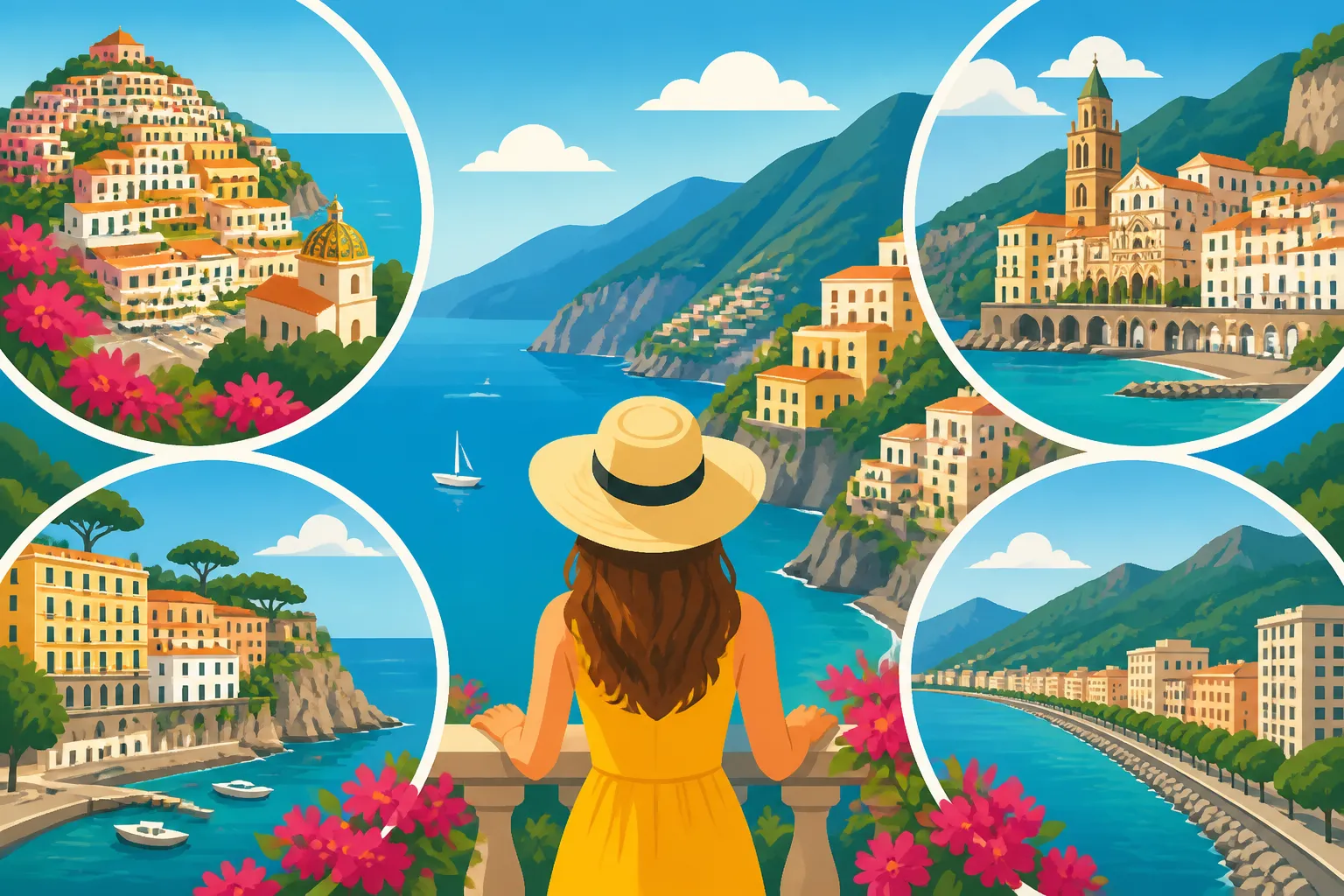
Alright, let's start with the undisputed star of the show: Positano. This is the town you’ve seen plastered all over Instagram, cascading down a steep hillside in a dizzying array of pastel-colored houses, all tumbling towards the sparkling sea. It’s gorgeous, undeniably romantic, and absolutely deserves its fame. But let me tell you, that fame comes with a few caveats.
The Vibe and Who It's For
Positano is pure, unadulterated Italian glamor. Think chic boutiques, art galleries, high-end dining, and people strolling around looking effortlessly fabulous. During the day, it's a bustling hub with visitors snapping photos at every turn, enjoying boat trips, or relaxing at the beach clubs. In the evenings, it transforms into a magical fairyland of twinkling lights, live music, and romantic dinners.
This is the place for honeymooners, those celebrating a special occasion, or anyone who dreams of that quintessential, luxurious Amalfi Coast experience. If your travel budget allows for a splurge and you don't mind a bit of a climb (or many, many steps), then Positano might just be your perfect match. It’s also fantastic for those who want to spend their days relaxing, shopping, and indulging in fine food and wine, with less emphasis on hopping from town to town. You'll definitely want to check out some of the fabulous options on Booking.com for Positano if this sounds like you, just be prepared for the prices.
Pros and Cons of Staying in Positano
Pros:
- Unparalleled Beauty: Seriously, it’s like living inside a postcard. Every view is stunning.
- Romantic Atmosphere: From intimate dinners to sunset aperitivos, it's designed for romance.
- Boutique Shopping & Dining: High-quality crafts, fashionable clothing, and incredible culinary experiences abound.
- Direct Beach Access: Unlike some other towns perched higher up, Positano has a main beach (Spiaggia Grande) right there, easily accessible (after descending all those stairs, of course!).
Cons:
- Cost: This is the big one. Accommodation, food, and even a simple coffee can be significantly more expensive here.
- Crowds: Especially during peak season (June-August), Positano can feel absolutely overrun. The narrow streets and pathways become bottlenecks.
- Accessibility & Mobility: Everything is on a steep incline, connected by countless stairs. If you have mobility issues, or just aren't a fan of getting your cardio in every time you leave your hotel, this can be a real challenge.
- Limited Transport Hub: While you can catch local SITA buses and ferries from Positano, it's not as well-connected as, say, Amalfi or Sorrento for exploring the wider region.
Getting Around from Positano
If you do choose Positano, understand that getting around involves a lot of walking, or relying on local buses and ferries. The main coastal road (SS163) bypasses the town center, so you’ll often walk down to the seafront and then back up. Ferries are a fantastic way to reach other coastal towns like Amalfi, Capri, or Ischia, offering breathtaking views from the water. For exploring inland, or heading to Naples or Salerno, you’ll typically need to take a SITA bus to a larger hub. Using a local taxi can be convenient but also quite expensive.
Amalfi: The Historic Heart and a Central Hub
Stepping into Amalfi is like taking a stroll through a living history book. As the ancient capital of a powerful maritime republic, it exudes a different kind of grandeur than Positano. It’s less about vertical glamor and more about a bustling, charming town square dominated by a magnificent cathedral.
The Vibe and Who It's For
Amalfi feels more like a proper, working Italian town, albeit one that's incredibly beautiful and tourist-friendly. The Piazza Duomo, with its stunning Cathedral of Saint Andrew and its grand staircase, is the vibrant heart of the town, always buzzing with activity. You'll find a mix of tourist shops, local businesses, and excellent restaurants spilling out onto the streets.
This town is ideal for history buffs, families, and those who want a central base from which to explore the entire coast. It offers a good balance of amenities, charm, and accessibility. While still popular, it generally feels less "exclusive" and more approachable than Positano. It's a great place to feel embedded in local life while still enjoying all the perks of a major tourist destination. When you search for places to stay on Booking.com here, you'll find a wider array of options, from charming B&Bs to larger hotels.
Pros and Cons of Staying in Amalfi
Pros:
- Excellent Transport Hub: Amalfi is arguably the best-connected town on the coast for public transport. You'll find frequent SITA buses to Ravello, Positano, Sorrento, and Salerno, as well as a busy ferry port for connections to Capri, Positano, Salerno, and Naples. This makes it a perfect base for exploring without a car. This is crucial for truly experiencing Getting Around Italy: Trains, Buses, Flights, and Car Hire.
- Rich History & Culture: The Duomo is a marvel, and the Museo della Carta (Paper Museum) offers a fascinating glimpse into Amalfi's past.
- Flatter Layout: While still having hills, the main town center around the piazza and waterfront is relatively flat, making it more accessible for those with mobility concerns or families with strollers.
- Diverse Accommodation & Dining: A wider range of options, often at slightly more reasonable prices than Positano.
Cons:
- Can Get Crowded: Like Positano, Amalfi draws massive crowds, particularly around the Duomo and main street.
- Fewer Beaches: The main beach is small and can get very packed. There are smaller coves, but they often require boat access or a bit of a trek.
- Less "Exclusive" Feel: If you're looking for ultimate luxury and quiet seclusion, Amalfi might feel a bit too bustling and commercial for your taste.
Transport Links from Amalfi
As mentioned, Amalfi's connectivity is a huge plus. The bus station and ferry port are right next to each other on the waterfront. You can easily take a SITA bus up to the stunning gardens of Ravello for a day trip, or grab a ferry to Capri for an island adventure. If you're interested in the logistics of getting around by sea, you might want to look into How to Travel Between Italian Cities Without a Car. It makes life a lot easier when you're not battling the infamous coastal traffic, which, trust me, is a beast!
Sorrento: The Convenient Gateway (and a Different Vibe)
Now, let's talk about Sorrento. Technically, Sorrento isn't on the Amalfi Coast; it's on the opposite side of the Sorrentine Peninsula, overlooking the Bay of Naples. However, it's often considered a prime base for exploring the Amalfi Coast due to its excellent transport links and more traditional resort town feel.
The Vibe and Who It's For
Sorrento has a refined, elegant charm, but it's distinctly different from the dramatic cliffside towns of the Amalfi Coast. It's built on a plateau, offering stunning views across the Bay of Naples towards Mount Vesuvius. The town center is bustling with pedestrianized streets, lemon groves, grand hotels, and a lovely old town with artisan shops.
This is an ideal choice for travelers who want to explore not only the Amalfi Coast but also other major attractions like Pompeii, Herculaneum, and the island of Capri. It's also perfect for those who prefer a more conventional holiday experience with a wide selection of hotels, restaurants, and shops, often at a more accessible price point than Positano or Amalfi. Families often find Sorrento particularly appealing due to its amenities and easier navigation. You'll find a huge range of places on Booking.com here, from grand hotels to budget-friendly apartments.
Pros and Cons of Staying in Sorrento
Pros:
- Exceptional Accessibility: This is Sorrento's superpower. It has a train station (Circumvesuviana line) connecting it directly to Naples, Pompeii, and Herculaneum. There’s also a ferry port with frequent connections to Capri, Ischia, and Naples, plus SITA buses to Positano and Amalfi.
- Variety of Accommodation & Dining: A vast selection of hotels, B&Bs, and restaurants to suit all budgets and tastes.
- More "Traditional" Resort Town: A comfortable and familiar atmosphere, often with more English-speaking staff and services.
- Stunning Views: The panoramic vistas over the Bay of Naples are breathtaking, especially at sunset.
- Less Hilly: While there are cliffs and steep paths to the marinas, the town center itself is relatively flat and easy to navigate.
Cons:
- Not on the Amalfi Coast: This is the big trade-off. You'll need to commute to experience the famous Amalfi Coast towns, which means dealing with buses or ferries and their associated travel times and crowds.
- Can Feel More Touristy: While charming, Sorrento can feel a bit more generic and less "authentically Amalfi" than the towns directly on the coast.
- No Direct Beaches: Sorrento doesn't have traditional sandy beaches. Instead, it has bathing platforms and lidos perched along the cliffs or small patches of dark volcanic sand.
Accessibility and Commuting from Sorrento
Sorrento's transportation links are fantastic. You can hop on the Circumvesuviana train to delve into the ancient ruins of Pompeii, a must-do for any history lover. The ferries provide a beautiful way to reach Capri, offering incredible views of the coastline. For the Amalfi Coast towns, the SITA bus is your main option, but be warned: those buses get crowded, especially during peak season, and the winding roads can lead to a long journey. If you're planning on using public transport extensively, reading up on How to Buy Trenitalia and Italo Tickets and Save Money will give you a leg up, even though Circumvesuviana is a separate system, the principles of booking and planning apply.
Salerno: The Unsung Hero (Authentic and Budget-Friendly)
Salerno is often overlooked by tourists rushing to the "famous" Amalfi Coast towns, and honestly, that’s a real shame. This vibrant port city offers an authentic Italian experience, excellent value, and surprisingly good access to the entire region.
The Vibe and Who It's For
Salerno is a lively, genuine Italian city that thrives beyond tourism. It has a beautiful medieval old town (Centro Storico) with narrow, winding streets, charming piazzas, and a magnificent Duomo. The lungomare (promenade) is one of the longest in Italy, perfect for an evening passeggiata, and the city boasts a bustling port and modern shopping streets.
This is the perfect base for budget-conscious travelers, those seeking a more authentic local experience away from the tourist hordes, and anyone who wants superior transport links without the premium price tag. Families looking for space, amenities, and a proper city feel will also find Salerno very accommodating. You'll be amazed at the quality and value you can find on Booking.com for Salerno, especially compared to the other towns. It’s a real gem for finding comfortable, well-located accommodation without draining your wallet.
Pros and Cons of Staying in Salerno
Pros:
- Excellent Value: Accommodation, food, and daily expenses are significantly more affordable than on the main Amalfi Coast.
- Superb Transport Hub: Salerno has a major train station (with high-speed connections to Rome and Naples), a large ferry port with extensive connections across the coast (including Capri and Positano), and a bus terminal. This makes it incredibly easy to reach almost anywhere.
- Authentic Italian Experience: You’ll find more locals than tourists, especially outside the historic center. The city has a vibrant cultural scene, great markets, and real Italian life.
- Proper City Amenities: Hospitals, large supermarkets, department stores – everything you’d expect from a functioning city.
- Less Hilly: The city center and promenade are flat and easy to walk around.
- Good Beaches: While not the dramatic coves of the Amalfi Coast, Salerno has some decent sandy beaches just outside the city center, and the nearby Cilento Coast offers even more options.
Cons:
- Not the "Classic" Amalfi Look: Salerno doesn't have the iconic, picturesque cliffside villages that people associate with the Amalfi Coast. It's a city, not a village.
- Commuting: You will need to commute daily to visit the famous Amalfi Coast towns, but thanks to excellent ferry and bus services, this is often a pleasant journey.
- Less "Chic": If you're looking for boutique high fashion and glamor, Salerno is more about everyday Italian style.
Exploring from Salerno with Ease
Salerno’s transport options are incredibly diverse. High-speed ferries can whisk you directly to Amalfi or Positano, offering a scenic journey that avoids the winding coastal road. The train station connects you quickly to Naples or even further afield if you fancy a day trip to Rome. For a true immersion into local life, you could also check out Italian Food Culture: Eating Well as a Visitor while in Salerno; you'll find plenty of authentic trattorias here that haven't adapted their menus for tourist palates. It’s a great base for combining coastal beauty with urban exploration.
Beyond the Main Hubs: Hidden Gems and Tranquil Retreats
While Positano, Amalfi, Sorrento, and Salerno are the most popular choices, the Amalfi Coast and its surrounding areas are dotted with smaller, equally charming towns that might be perfect for certain types of travelers. Don't limit your search on Booking.com to just the big names; dig a little deeper, and you might find your perfect match.
Ravello: Elegance Above the Fray
Perched high in the hills, Ravello offers some of the most spectacular panoramic views on the entire coast. It's known for its exquisite gardens (Villa Rufolo and Villa Cimbrone), classical music festivals, and an air of aristocratic elegance.
- Vibe: Sophisticated, peaceful, luxurious, artistic.
- Who It's For: Couples seeking romance and tranquility, classical music lovers, garden enthusiasts, those looking for breathtaking views without the crowds, and anyone wanting to escape the coastal bustle.
- Pros: Unrivaled views, serene atmosphere, high-end hotels and dining, beautiful gardens.
- Cons: Not on the coast (requires a bus or taxi ride down to Amalfi for beach/ferry access), more expensive, limited nightlife, very quiet in the evenings.
Praiano: The Quiet Alternative
Located between Positano and Amalfi, Praiano offers a more relaxed and authentic experience than its glamorous neighbors. It’s still incredibly beautiful, with pastel houses clinging to the cliffs, but without the intense crowds or prices.
- Vibe: Laid-back, local, peaceful, charming.
- Who It's For: Travelers seeking a quieter, more authentic Amalfi Coast experience, couples, those on a moderate budget who still want a coastal town feel.
- Pros: Beautiful views, charming local feel, good value compared to Positano, easy access to both Positano and Amalfi by bus. Offers some stunning sunset views.
- Cons: Still very hilly (lots of stairs), fewer dining and shopping options than the bigger towns, beaches are smaller and require significant descent.
Minori and Maiori: Local Charm and Sandy Shores
These two adjacent towns are east of Amalfi, known for their larger, sandier beaches (a rarity on the Amalfi Coast!), and a decidedly more local, family-friendly atmosphere.
- Vibe: Family-friendly, relaxed, authentic, beach-focused.
- Who It's For: Families with children, budget travelers, beach lovers, those seeking a more relaxed pace and a less "glamorous" experience.
- Pros: Good sandy beaches, excellent value, authentic local feel, great food (especially pastries in Minori!), easy connections to Amalfi by bus or ferry.
- Cons: Less dramatic scenery than Positano/Amalfi, fewer high-end options, can feel a bit sleepy in the evenings, still subject to coastal traffic.
Making Your Choice: Factors to Consider
Deciding where to base yourself truly depends on your priorities, travel style, and budget. There's no single "best" place, only the best place for you.
Budget: How Much Do You Want to Spend?
This is often the primary driver for many travelers. Positano and Ravello sit at the very top of the price scale, offering luxury experiences that come with a matching cost. Amalfi is a step down, offering a wider range but still leaning towards higher prices during peak season. Sorrento presents a broader spectrum, with many mid-range options, while Salerno, Minori, and Maiori generally offer the best value for money.
Remember to factor in not just accommodation, but also food, drinks, and transportation costs. A seemingly cheaper hotel in a remote location might end up costing more if you're constantly paying for taxis. Using Booking.com's filters is crucial here; you can easily sort by price, apply specific budget ranges, and compare hundreds of options quickly.
Travel Style: What Kind of Vacation Do You Envision?
Are you dreaming of leisurely days by a pool with stunning views, punctuated by romantic dinners and boutique shopping? Positano or Ravello might be your calling. Do you want to dive into history, enjoy vibrant piazzas, and be able to hop on a boat or bus to explore widely? Amalfi is a strong contender. If you plan to mix coastal beauty with ancient ruins (Pompeii) and island hopping (Capri), with a comfortable resort town feel, Sorrento is an excellent strategic base. And if you're keen on an authentic Italian city experience, fantastic transport links, and stretching your euros further, Salerno is unbeatable.
Consider your pace: do you want to move around every day, or settle in and take it slow? Your answer will heavily influence your ideal location.
Accessibility and Mobility Needs
This is a critical factor on the Amalfi Coast. The region is stunningly beautiful precisely because of its dramatic, vertical landscapes. Positano and Praiano, while gorgeous, involve a significant amount of walking up and down steep paths and stairs. If you or anyone in your travel party has mobility issues, or if you're traveling with small children in strollers, flatter towns like Amalfi (around the main piazza), Sorrento, Maiori, Minori, or Salerno will be much more comfortable. Don't underestimate the sheer physical effort required in some of these towns; your legs will thank you for making a realistic assessment.
Time of Year and Crowds
The Amalfi Coast is incredibly popular, and during the peak months of July and August, it can feel overwhelmingly crowded, particularly in Positano and Amalfi. Traffic on the main coastal road (SS163) becomes a nightmare, and buses are packed.
- Peak Season (June-August): If you must travel during this time, consider quieter towns like Praiano, Minori, Maiori, or Salerno. Alternatively, embrace the crowds and book everything well in advance on Booking.com to secure your preferred accommodation. Also, plan your outings early in the morning or late in the afternoon to avoid the mid-day crush.
- Shoulder Season (April-May, September-October): This is often the sweet spot. The weather is fantastic, the crowds are manageable, and prices are generally a bit lower. Most services are fully operational.
- Off-Season (November-March): Many hotels and restaurants close down, especially in the smaller towns. The weather can be unpredictable, but you'll experience a tranquil, authentic side of the coast, often at significantly reduced prices. If you're okay with fewer options and a slower pace, it can be a magical time. You might even find some unexpected gems on Booking.com for truly unique experiences. Be aware of Seasonal Italy: When to Visit and What's On to align your expectations.
Table: Amalfi Coast Town Comparison
| Town | Vibe/Who It's For | Key Pros | Key Cons | Typical Price Range (Accommodation) | Best For… |
|---|---|---|---|---|---|
| Positano | Glamorous, romantic, high-end, iconic | Stunning views, chic boutiques, direct beach access, romantic ambiance | Very expensive, extremely crowded, extremely hilly (many stairs), limited transport hub | €€€€ | Honeymooners, luxury seekers, Instagrammers |
| Amalfi | Historic, bustling, central, balanced | Excellent transport hub, rich history, flatter main area, diverse options | Can be crowded, fewer expansive beaches, less "exclusive" feel | €€€ | Explorers, history buffs, families, central base |
| Sorrento | Elegant resort, strategic gateway, conventional | Superb transport hub (Pompeii, Capri), wide choice of hotels, stunning bay views, less hilly town center | Not on the Amalfi Coast, can feel very touristy, no direct sandy beaches | €€ | Day-trippers, first-timers, those mixing history/coast, families |
| Salerno | Authentic city, local, value-oriented | Best value, excellent major transport hub (trains!), authentic experience, less crowded, good amenities | Not the iconic Amalfi Coast aesthetic, requires commuting to coastal towns | € | Budget travelers, authentic experience seekers, city lovers, extended stays |
| Ravello | Sophisticated, peaceful, artistic, high-altitude | Unrivaled views, tranquility, luxury, beautiful gardens | Not on the coast (isolated), expensive, very quiet at night, limited transport | €€€€ | Romantics, peace seekers, luxury escape, art lovers |
| Praiano | Laid-back, local, tranquil, scenic | Authentic feel, less crowded than neighbors, beautiful sunsets, good value | Very hilly, fewer options than larger towns, smaller beaches | €€ | Quiet escape, couples, moderate budget, sunset views |
| Minori/Maiori | Family-friendly, relaxed, beachy, local | Sandy beaches, great value, authentic, excellent food | Less dramatic scenery, can feel sleepy | € | Families, beach lovers, budget travelers, foodies |
Deciding on your base for an Amalfi Coast adventure truly sets the tone for your trip. Each town offers something unique, a different flavor of that Italian magic. I’ve found that using a reliable platform like Booking.com is honestly the best way to sift through the myriad of choices. Their detailed filters allow you to narrow down by price, amenities, location, and even review scores, saving you a ton of guesswork. You can read genuine reviews from other travelers, see real photos, and get a clear picture of what you're booking. This is especially important in a region where quality can vary wildly and where those stunning cliffside views can come with a challenging climb! So, do your research, picture your perfect day, and then go find that ideal spot on Booking.com to make your Amalfi Coast dream a reality.
Disclaimer
Please note that travel information, including public transport schedules, ferry routes, prices, and opening hours, can change frequently. It is always advisable to check the latest information from official sources before planning your trip. This guide is based on general knowledge and personal experience, but individual circumstances may vary.