How to Find Vegetarian and Vegan Food in Italy
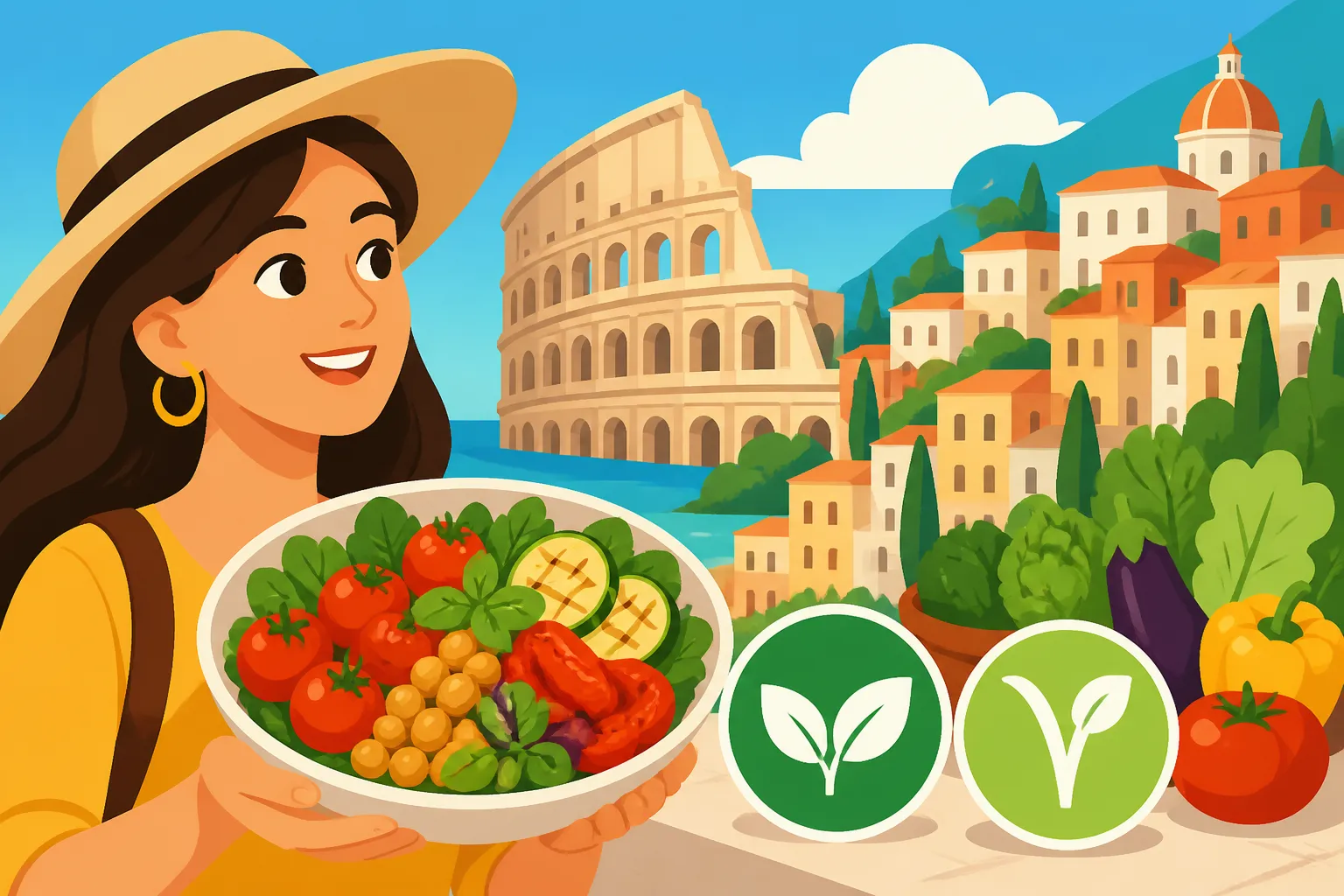
When you first arrive in Italy with a dietary restriction, there is a very specific kind of panic that sets in. You see shop windows overflowing with prosciutto crudo, menus dominated by slow-cooked ragù, and you start to wonder if you’re destined to live solely on side salads and breadsticks for the duration of your stay. This guide provides the strategic roadmap I wish I had years ago, ensuring you navigate the nuances of Italian dining to find spectacular vegetarian and vegan meals without the administrative headache.
Disclosure: This post may contain affiliate links. We may earn a commission at no extra cost to you if you make a purchase through these links. Read full disclosure.
The Reality of Plant-Based Eating in the Land of Meat and Cheese
One of the greatest ironies of living in Italy as an expat is realizing that while the country is famous for its cured meats and cheeses, its historical foundation is built on what we call cucina povera—the cuisine of the poor. For centuries, most Italians couldn't afford meat, so they relied on legumes, grains, and an incredible diversity of vegetables. This means that, despite the modern obsession with "Bistecca alla Fiorentina," Italy is secretly one of the most vegetarian-friendly places on earth. You just have to know how to look past the surface-level tourist menus.
However, the frustration for many foreigners—myself included when I first moved to Rome—is the cultural disconnect regarding what "vegetarian" actually means. In some rural areas, if you say you don't eat meat, a well-meaning waiter might suggest the tuna salad or a dish flavored with guanciale (pork cheek) because "it’s just for flavor, not a main ingredient." You have to be firm, specific, and empathetic to the fact that their culinary tradition often views meat as a garnish rather than a barrier.
If you are planning your journey across different cities using platforms like Omio, you will notice that the food landscape shifts dramatically as you move from the butter-heavy north to the olive-oil-drenched south. The south, particularly Puglia and Sicily, is a vegan paradise by accident, while the north requires a bit more digging to find dishes that aren't laden with cream or lard. Understanding this regionality is the first step toward eating well.
Understanding the North-South Divide
In Northern Italy, regions like Lombardy and Piedmont rely heavily on dairy. You’ll find incredible risottos, but they are almost always finished with a generous amount of butter and Parmesan. As a vegetarian, this is heaven; as a vegan, it’s a minefield. You have to ask specifically about the broth (brodo) used in the base. It is very common for a vegetable risotto to be cooked in a beef or chicken stock "for extra depth."
Contrast this with the south, where the sun-drenched soil produces vegetables so flavorful they don't need animal fats. In regions like Calabria or Puglia, you are much more likely to find dishes that are "vegan by default." A simple plate of Orecchiette con Cime di Rapa (pasta with turnip tops) is a staple that needs no modification. When you travel, try to align your expectations with Italian Regional Cuisine: How Food Changes Across Italy to avoid disappointment.
The Rise of Modern Veganism in Major Cities
If you are sticking to the big hubs like Milan, Florence, or Rome, the scene has changed radically in the last five years. There is a growing movement of "Ethical Italian" cooking. You can now find high-end vegan carbonara made with smoked tofu or cashew-based "mozzarella" that actually melts. When booking your accommodation on Booking.com, I always recommend looking for apartments near the "Bohemian" districts—like Trastevere in Rome or Brera in Milan—as these areas are hotbeds for plant-based innovation.
This modern shift is a response to both a younger generation of Italians becoming more eco-conscious and the massive influx of international tourists demanding better options. Don't be afraid to use modern tools to find these spots, but also don't neglect the traditional trattoria which might have the best accidental vegan dish of your life. For more on the general dining landscape, check out Italian Food Culture: Eating Well as a Visitor.
Decoding the Italian Menu: What is Naturally Plant-Based
The secret to successful vegetarian or vegan dining in Italy lies in understanding the How to Eat Like a Local in Italy: Meal Structure and Timing. An Italian menu is divided into Antipasti, Primi, Secondi, and Contorni. For a meat-eater, the Secondo (the meat or fish course) is the star. For us, the Primi (pastas and soups) and the Contorni (vegetable side dishes) are where the magic happens.
Never feel pressured to order a Secondo. It is perfectly acceptable—and often expected—to order a series of Contorni as your main meal. In fact, many of my most memorable dinners have consisted of three or four different vegetable plates: sautéed chicory with chili, roasted potatoes with rosemary, and grilled artichokes. This is the most authentic way to experience the seasonal produce of the region without having to navigate the meat-heavy mains.
| Dish Name | Naturally Vegetarian? | Naturally Vegan? | Typical Region |
|---|---|---|---|
| Pasta alla Norma | Yes | No (contains Ricotta Salata) | Sicily |
| Ribollita | Yes | Usually (check for lard) | Tuscany |
| Pasta e Fagioli | Yes | Mostly (check for pork rind) | Various |
| Bruschetta al Pomodoro | Yes | Yes | National |
| Caponata | Yes | Yes | Sicily |
| Risotto ai Funghi | Yes | No (contains butter/cheese) | North |
| Pizza Marinara | Yes | Yes | Naples |
| Fave e Cicoria | Yes | Yes | Puglia |
The Power of the Primi
When looking at pasta dishes, the first thing to check is whether the pasta is secca (dried) or fresca (fresh). Fresh pasta, particularly in the north, is almost always made with eggs (all’uovo). If you are vegan, you must stick to dried pasta, which is traditionally made from just durum wheat and water. In the south, even many "fresh" shapes like orecchiette are egg-free, but always ask.
A classic fallback is Pasta al Pomodoro. It sounds boring, but when made with sun-ripened San Marzano tomatoes and fresh basil, it is a revelation. Another vegan staple is Pasta Aglio, Olio e Peperoncino (garlic, oil, and chili). It is simple, fiery, and available in every kitchen in the country. If you're in a pinch, even the most traditional meat-heavy restaurant can whip this up for you in ten minutes. For those with multiple restrictions, you might also find Availability of Gluten-Free and Special Diet Foods in Italy helpful when scanning menus.
The Hidden Trap: Hidden Ingredients
You must be vigilant about "hidden" animal products. The most common culprit is strutto (lard). This is frequently used in traditional breads like piadina in Romagna or even in the crust of certain savory pies. Always ask if the bread or the dough is made with olio d'oliva or strutto. Most modern places have switched to oil, but traditional bakeries still use lard for that specific flaky texture.
Another one to watch for is broth. As mentioned earlier, vegetable soups (minestrone) are sometimes bolstered with a ham bone or beef stock. You’ll want to ask: "Il brodo è di carne o di verdura?" (Is the broth meat or vegetable?). Being specific avoids the heartbreak of a "vegetable" soup arriving with tiny bits of pancetta floating in it. If you want to ensure you're finding the real deal, read our guide on How to Find Authentic Restaurants in Italy (Not Tourist Traps).
Practical Tips for Navigating Restaurants and Grocery Stores
Navigating an Italian grocery store as a vegetarian or vegan is surprisingly easy once you learn the keywords. Most large supermarkets like Coop, Conad, and Esselunga have dedicated sections for prodotti biologici (organic) and vegano. You will find a staggering array of plant-based milks, including oat, almond, soy, and even hazelnut—which is a local favorite.
When you are out and about, especially if you have booked a food tour via GetYourGuide, don't be shy about stating your needs upfront. Most guides are very accustomed to vegetarians now, but veganism still requires a bit of extra communication. I’ve found that framing it as an "allergy" to dairy (lattosio) and eggs (uova) sometimes gets a more serious response than just saying you are vegan, though this is changing in urban centers.
Essential Phrases for the Plant-Based Traveler
You don't need to be fluent, but you do need these "survival" phrases. Print them out or save them in your phone. They will save you from a lot of awkward "pick-around-the-meat" moments at the dinner table.
- Sono vegetariano/a (I am vegetarian).
- Sono vegano/a (I am vegan).
- Non mangio né carne, né pesce (I don't eat meat or fish).
- È fatto con il burro o con l’olio? (Is it made with butter or oil?).
- Senza formaggio, per favore (Without cheese, please).
- Ci sono uova nella pasta? (Are there eggs in the pasta?).
- Avete latte vegetale per il cappuccino? (Do you have plant milk for the cappuccino?).
Remember that "latte" in Italy means milk. If you order a "latte" at a bar, you will get a glass of cold white cow's milk. You must ask for a cappuccino di soia or cappuccino d'avena. If you are staying in a smaller town, they might not have these, so I always keep a small carton of almond milk in my bag just in case. It's a lifesaver for that morning caffeine fix. If you're also avoiding gluten, How to Eat Gluten-Free in Italy (Senza Glutine Tips) provides more specific linguistic help.
Supermarket Survival Strategy
If you are staying in an apartment and cooking for yourself, you are in for a treat. The quality of produce in Grocery Shopping in Italy: Supermarkets vs Markets is world-class. Visit the local fruttivendolo (fruit and vegetable seller) instead of just the big supermarkets. The quality is higher, and they will often tell you exactly how to cook whatever is in season.
Look for labels that say "V-Label," which is the European standard for vegan and vegetarian products. Italy is actually one of the leaders in the production of high-quality seitan and tofu, often flavored with Mediterranean herbs like rosemary and sage. This makes for a much more "Italian" tasting plant-based protein than the generic blocks you find elsewhere.
Regional Vegan Specialties You Must Try
To truly eat well as a plant-based traveler, you have to lean into the regional specialties that were never meant to have meat in them. This isn't about finding a "vegan version" of something; it's about eating the original masterpiece that happens to be vegan.
In Naples, for example, the Pizza Marinara is the purest expression of pizza. It is just dough, high-quality tomato sauce, garlic, oregano, and extra virgin olive oil. No cheese. It is naturally vegan, incredibly cheap, and arguably more flavorful than a Margherita because the quality of the ingredients has nowhere to hide. For the best spots, look at How to Find the Best Pizza in Naples.
Tuscany and the North: Hearty Legumes
In Tuscany, you have to try Fagioli all’Uccelletto. These are cannellini beans cooked with tomatoes, garlic, and sage. It’s a side dish that eats like a meal. Then there is Cecina (also known as Farinata in Liguria), which is a savory pancake made entirely from chickpea flour, water, and olive oil. It is naturally gluten-free and vegan, and it’s a popular street food that provides a massive protein hit when you’re tired of bread.
In the north, look for Polenta. While it is often served with meat ragù, you can find it grilled with mushrooms (funghi) or walnuts. Just ensure the polenta hasn't been "creamed" with butter. Most traditional mountain huts (rifugi) will have a version of polenta and mushrooms that is a vegetarian's dream after a long hike.
The South: A Veggie Paradise
Sicily and Puglia are the "Golden Triangle" for vegans. In Sicily, Caponata is a sweet and sour eggplant stew that is traditionally vegan. Panelle (chickpea fritters) are the ultimate street food in Palermo. In Puglia, Fave e Cicoria—a creamy puree of dried broad beans served with bitter wild chicory—is a dish so ancient and satisfying that you won't even think about the absence of meat.
When you are planning your itinerary between these regions, using a tool like Omio helps you see the transition in food culture as you move. One day you’re in the land of egg pasta (Bologna), and the next you’re in the land of durum wheat and greens (Bari). Embracing this shift is the key to a stress-free and delicious Italian adventure.
Legal Disclaimer
This guide is for informational purposes only. While we strive to provide the most accurate and up-to-date information regarding food ingredients and cultural norms in Italy, recipes can change by restaurant and region. Always inform restaurant staff of any severe allergies or dietary requirements directly to ensure your safety. We are not responsible for any adverse reactions or experiences resulting from the use of this guide.