When Is the Cheapest Time to Visit Italy?
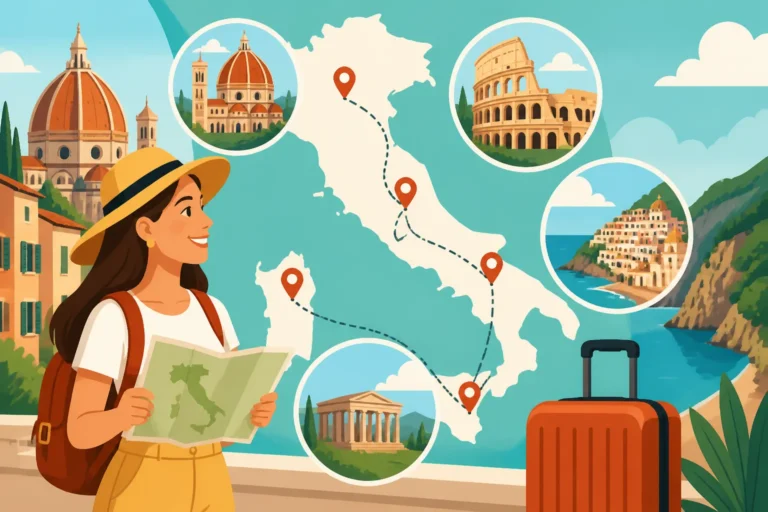
Ah, Italy! Just the name conjures images of ancient ruins, rolling vineyards, bustling piazzas, and plates piled high with pasta. It’s a dream destination for so many, but let’s be real, the cost can often feel like a Roman emperor’s ransom. If you’re like most expats I know, or even just a savvy traveler, you’re constantly trying to figure out how to squeeze the most out of your budget without compromising on the authentic Italian experience. This guide is all about navigating Italy’s seasonal pricing and helping you pinpoint the absolute cheapest times to visit, so you can truly live la dolce vita without breaking the bank.
Disclosure: This post may contain affiliate links. We may earn a commission at no extra cost to you if you make a purchase through these links. Read full disclosure.
Understanding Italy's Travel Seasons: High, Shoulder, and Low
Italy isn't just one big, static price tag; it moves with the rhythm of its seasons. Understanding these rhythms is the first step to becoming a budget-savvy traveler. We talk about high season, shoulder season, and low season, and each brings its own set of blessings and curses when it comes to your wallet and your sanity.
High Season: When Everyone Wants a Slice of La Dolce Vita
Picture this: June, July, August. The sun is blazing, the beaches are packed, and every single landmark, from the Colosseum to the Uffizi Gallery, has a queue stretching longer than a nonna's grocery list on a Sunday. This is high season, and it's when Italy truly capitalizes on its charm. Flights are at their absolute peak, accommodation prices soar like an eagle over the Dolomites, and even a simple gelato might feel like it's priced for a VIP.
Why is it so expensive? Well, it's simple supply and demand. Kids are out of school, many Europeans take their annual holidays, and the weather (barring the sweltering heat in the south) is generally perceived as ideal for sightseeing and beach bumming. Major cities like Rome, Florence, and Venice are bursting at the seams, and coastal areas like the Amalfi Coast or Cinque Terre are often booked solid months in advance. You'll also find that many smaller towns and borghi (villages) host their main festivals and events during this period, drawing even more crowds and pushing up local prices. If you absolutely have to travel during these months, prepare to book everything far, far in advance and accept that you'll be sharing your Italian dream with a lot of other dreamers.
Shoulder Seasons: The Sweet Spot Between Crowds and Costs
Now, this is where things start to get interesting for us budget-conscious travelers. The shoulder seasons are generally April-May and September-October. Think of them as Italy taking a deep, calming breath before or after the summer frenzy. The weather is usually delightful – warm but not scorching, with pleasant breezes. The landscapes are arguably at their most beautiful, whether it's the spring blossoms erupting in Tuscany or the autumnal colors painting the vineyards.
What makes shoulder season so attractive for your budget? While not as cheap as low season, prices for flights and hotels are noticeably lower than in peak summer. The crowds are still there, especially around Easter, but they’re more manageable. You can still enjoy outdoor dining, longer daylight hours, and vibrant city life without feeling overwhelmed. This is often the time when you can find some fantastic deals on accommodation through sites like Booking.com, allowing you to stay in slightly nicer places than your high-season budget would permit. You also get a better chance to interact with locals, as they're not quite as weary from the summer crush. It’s a wonderful balance, offering good weather, fewer crowds, and more reasonable prices – a truly golden time to explore. For more detailed budgeting insights, check out our guide on the Cost of Living in Italy 2026: Budgeting for Expats.
Low Season: Uncovering Italy's Most Budget-Friendly Charm
Alright, my friends, if we're talking truly cheap, we're talking low season. This primarily means November through March, excluding the Christmas and New Year's holidays which, naturally, see a temporary spike. This is Italy's quietest time, when the tourist hoards have retreated, and a different, perhaps more authentic, side of the country emerges.
During these months, you'll find the lowest prices on flights – often surprisingly low if you’re flexible with your dates. Accommodation, from hotels to apartment rentals, drops significantly. Many smaller B&Bs and agriturismi might even close for a winter break, but in major cities, you’ll have your pick of rooms for a steal. The trade-off? The weather can be chilly, sometimes rainy, and daylight hours are shorter. Some coastal towns and smaller attractions might be completely shut down, and the beaches are certainly not for swimming.
However, don't write off low season entirely! This is when you can truly experience Italy like a local. Imagine wandering through the ancient streets of Rome, practically having a piazza to yourself, or sipping a cappuccino in a Florentine café without elbowing tourists for space. Museums are quieter, allowing for a more reflective experience. Plus, if you're into winter sports, the Italian Alps offer incredible value compared to their Swiss or French counterparts. This period also often brings unique culinary experiences, like truffle hunting festivals in Piedmont or hearty winter dishes that are simply divine. To dive deeper into what this season offers, read our post on Visiting Italy in Winter: Quiet Cities and the Alps.
Diving Deeper into Low Season: Unbeatable Value and Unique Experiences
So, you're brave enough to embrace the chill for the sake of your wallet? Bravissimo! Let's break down the two prime low-season windows that offer the most bang for your buck.
The Deep Winter Deals (January-February)
After the festive sparkle of Christmas and New Year's fades, Italy settles into its quietest period. January and February are generally the absolute cheapest months to visit. Seriously, I've seen round-trip flights from North America for prices that make you do a double-take.
Why it's cheap: Post-holiday slump, cold weather, fewer major events (aside from Carnival in late February/early March, which can be an exception in cities like Venice). There's very little tourist demand, so airlines and hotels slash their prices to attract what little business they can.
What to expect:
- Weather: Expect crisp, cold days, especially in the north. Rome can be mild but often rainy, while the south is generally milder but still can be wet. Snow is possible in higher elevations and occasionally even in cities like Florence. Pack layers, warm socks, and waterproof shoes!
- Crowds: Almost non-existent, especially mid-week. You can walk right into many major attractions with minimal waiting. This is a dream for photographers and those who dislike feeling rushed.
- Activities: This is prime time for museums, art galleries, and indoor historical sites. Imagine gazing at masterpieces in the Uffizi without a wall of phones in front of you. It's also fantastic for culinary tours, cooking classes, and exploring local markets, which remain vibrant year-round. You might even catch the saldi (winter sales) which run through January and early February, offering incredible deals on Italian fashion and goods.
- The Vibe: Authentic. You'll be sharing cafés with locals heading to work, families doing their daily shopping, and students bustling between classes. The pace is slower, more relaxed, and utterly charming.
If you’re concerned about getting around during these months, don't be. Italy's public transportation system is robust. Our guide on Getting Around Italy: Trains, Buses, Flights, and Car Hire can help you navigate the options, and services like Omio can assist with booking train and bus tickets even in the off-season.
The Late Autumn Charm (November-Early December)
Another excellent window for budget travel is late autumn, specifically November up until about the second week of December before the Christmas rush truly begins. This period often gets overlooked, but it has its own unique allure.
Why it's cheap: The glorious shoulder season of September-October is over, and the pre-Christmas hysteria hasn't quite kicked in. Tourist numbers dip significantly, leading to lower prices across the board.
What to expect:
- Weather: Cooler temperatures, often cloudy, and a higher chance of rain. However, you can also get beautifully clear, crisp days. The autumn foliage can be stunning, particularly in central regions like Tuscany and Umbria.
- Crowds: Considerably thinner than shoulder season, though not quite as sparse as deep winter. Many popular destinations are still active but without the summer crush.
- Activities: This is harvest season for olives and grapes (though the main grape harvest is usually September/early October, many wine events continue). Truffle festivals are in full swing across various regions, offering unique gastronomic experiences that are well worth seeking out. Cozy trattorias with roaring fires become incredibly inviting. This is a fantastic time for foodies and those interested in cultural immersion.
- The Vibe: Rich, cozy, and flavorful. The emphasis shifts from sun-soaked beaches to hearty meals, robust wines, and intimate cultural exploration. It’s a wonderful time to appreciate the country’s natural beauty and culinary traditions. For food lovers, exploring Italian Regional Cuisine: How Food Changes Across Italy is a must during this period.
Strategic Planning for Maximum Savings, No Matter the Season
Even if you can't hit those ultra-low season sweet spots, there are still plenty of ways to save money when visiting Italy. It’s all about smart planning and making conscious choices.
Booking Flights and Accommodation Smartly
This is where the biggest chunks of your budget go, so strategize here first.
- Be Flexible with Dates: If you can shift your travel by even a few days, you might find significantly cheaper flights. Mid-week flights are almost always cheaper than weekend departures. Use flight comparison sites with flexible date options.
- Book in Advance (But Not Too Far): For high and shoulder seasons, booking flights 3-6 months out usually yields the best prices. For low season, 1-3 months is often sufficient. Don't book too far in advance (e.g., a year out) as airlines might not have released their cheapest fare classes yet.
- Consider Alternative Airports: Flying into a smaller airport (like Pisa instead of Florence, or Bergamo instead of Milan) and then taking a regional train or bus can sometimes save you a packet. Major carriers like ITA Airways (the national airline) and low-cost carriers like Ryanair or EasyJet often use these hubs.
- Accommodation Deals: Always compare prices on multiple platforms. Sites like Booking.com often have loyalty programs or last-minute deals. Consider staying in agriturismi (farm stays) which can be a more affordable and authentic experience outside of peak cities. Look for rooms with kitchenettes if you plan to cook some meals, which is a huge money-saver. Before committing, understand the different types of stays; our guide on Accommodation in Italy: Hotels, B&Bs, and Agriturismi can help.
Choosing Your Italian Destination Wisely
Italy is incredibly diverse, and so are its prices.
- Avoid Tourist Hotspots (Sometimes): Rome, Florence, and Venice are consistently the most expensive cities. While you absolutely should visit them, consider spending fewer nights there and more time in less-trafficked, equally charming locales.
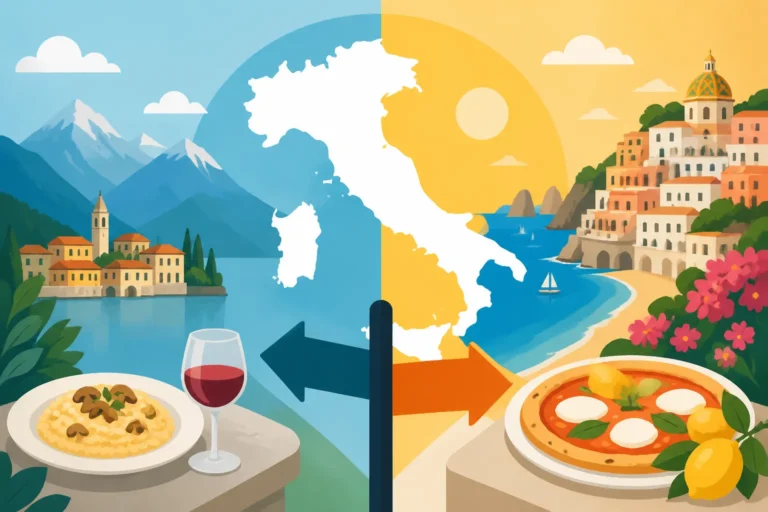
- Explore Southern Italy: Generally speaking, Southern Italy (Puglia, Basilicata, Calabria, Sicily, Sardinia) offers a significantly lower cost of living and travel compared to the north. Accommodation, food, and local transportation are often much more affordable. You can easily find incredible deals in places like Palermo or Lecce. Our article on How to Choose Between Northern and Southern Italy can help you decide.
- Embrace Smaller Towns: Instead of staying in Florence, consider a charming town just outside, like Fiesole, and take a short bus ride in for your sightseeing. Or choose a city like Bologna or Turin over Milan for a more budget-friendly urban experience.
Everyday Savings: Food, Transport, and Activities
Once you're on the ground, little decisions add up.
- Eat Like a Local: Avoid tourist trap restaurants right next to major attractions. Wander a few blocks away, look for places packed with Italians, and seek out trattorias or osterias for more traditional, affordable meals. Don't order a cappuccino after 11 am (that's a local faux pas and often overpriced in tourist areas!). Check out our tips on How to Find Authentic Restaurants in Italy (Not Tourist Traps).
- Cook Your Own Meals: Visit local supermarkets or fresh markets. Buying ingredients and preparing some of your own meals (especially breakfast and picnics) can drastically cut down food costs. This is where those accommodation options with kitchenettes come in handy!
- Public Transport is Your Friend: Italy has an excellent and affordable public transportation network. Use trains to travel between cities and buses or trams within them. For long-distance trains, check both Trenitalia and Italo for the best fares; Omio is also great for comparing options and booking. Validate your tickets! Don't forget, we have a whole guide on How to Buy Trenitalia and Italo Tickets and Save Money.
- Free Activities: Many churches are free to enter (though some major cathedrals might have a small fee for certain sections). Wander through piazzas, stroll along rivers, hike in national parks, and simply soak in the atmosphere – these are often the most memorable experiences and cost nothing.
- Look for Bundled Tickets and City Passes: If you plan to visit multiple museums or attractions in a city, a city pass might save you money, but always do the math to ensure it's worth it for your specific itinerary.
- Consider GetYourGuide for Tours: For specific tours and activities, platforms like GetYourGuide can offer competitive prices and allow you to book in advance, sometimes with cancellation flexibility, which is great for budgeting.
| Season | Months | Typical Weather | Average Crowds | Average Price Level | Pros for Budget Travelers | Cons for Budget Travelers |
|---|---|---|---|---|---|---|
| High Season | June, July, August | Hot, sunny (can be sweltering) | Very High | Very High | Lively atmosphere, all attractions open, long daylight | Highest prices for flights/accommodation, severe crowds, heat |
| Shoulder | April-May, September-October | Pleasant, warm, less rain | Moderate to High | Moderate | Good balance of weather/price, most attractions open | Still can be busy/pricey around holidays or popular spots |
| Low Season | November-March (excl. holidays) | Cool to cold, rain, potential snow | Low to Very Low | Very Low | Best prices on everything, minimal crowds, authentic vibe | Shorter daylight, colder weather, some seasonal closures, less outdoor activity |
So, there you have it, fellow adventurers. While Italy can certainly be a splurge, with a bit of planning and a willingness to embrace its less-trafficked seasons, you can absolutely experience its magic without emptying your savings account. My personal recommendation? Seriously consider those low-season months of January, February, or November. You might just discover a side of Italy you never expected, one that’s rich in authenticity and light on your wallet. Happy travels, and buon viaggio!
Disclaimer
The information provided in this guide is for general informational purposes only and does not constitute professional advice. Travel regulations, prices, and availability can change rapidly. Always verify current visa requirements, travel restrictions, local laws, and pricing with official sources, airlines, hotels, and tour operators before making any travel plans or financial commitments. We strive to provide accurate and up-to-date information, but we cannot guarantee its completeness or accuracy at all times.