How to Choose Between Northern and Southern Italy
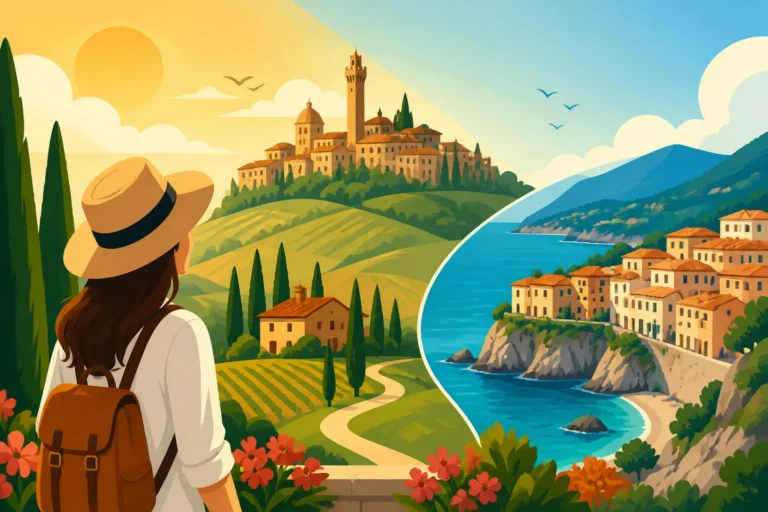
Deciding where to spend your precious vacation days in Italy often feels like being asked to choose between your favorite children. Most travelers arrive with a ten-day itinerary trying to "do it all," only to find themselves exhausted by the sheer geographical and cultural distance between Milan and Palermo. This guide solves that paralysis by breaking down the distinct identities of Northern and Southern Italy to help you pick the right adventure for your travel style.
Disclosure: This post may contain affiliate links. We may earn a commission at no extra cost to you if you make a purchase through these links. Read full disclosure.
The Northern Experience Precision Peaks and Industrial Elegance
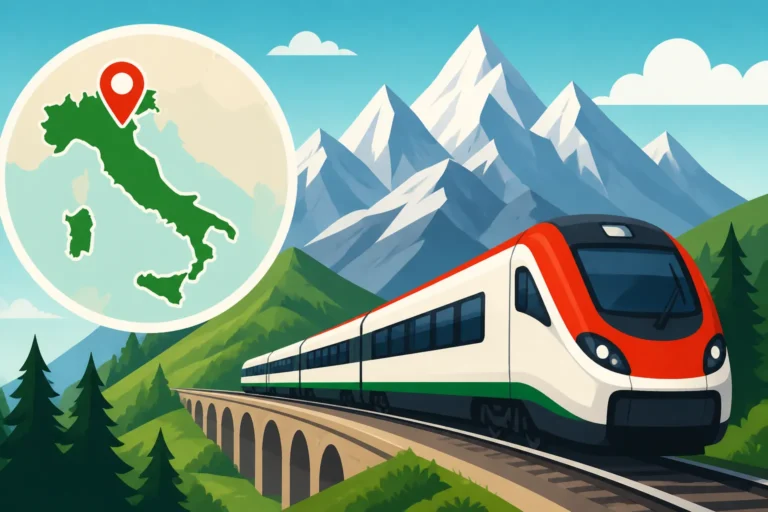
When you cross the border into Northern Italy, there is a tangible shift in the atmosphere. Having lived in Milan for several years, I can tell you that the stereotypes about Northern efficiency aren't just myths; they are woven into the daily fabric of life. The North is the economic engine of the country, bordered by the Alps and home to the glittering Italian Lakes. It is a region that feels European in a continental sense—orderly, prosperous, and often incredibly sophisticated.
If your idea of a perfect trip involves sipping Franciacorta while overlooking a misty lake or hiking through jagged limestone peaks, the North is calling your name. The logistics here are significantly easier to manage than in the South. You can use platforms like Omio to seamlessly book high-speed trains that connect major hubs like Turin, Milan, and Venice in mere hours. For accommodation, I always recommend checking Booking.com for boutique apartments in the Brera district of Milan or historic villas in Lake Como, as the variety of high-end, professionally managed properties in the North is unmatched.
The Alpine Appeal and High-Speed Efficiency
The Northern landscape is dominated by the majestic Alps and the Dolomites. For those who prioritize outdoor activity, The Dolomites: A Traveler's Introduction provides a glimpse into a world that feels more like Switzerland or Austria than the Mediterranean. Here, the signs are often in German and Italian, and the food pivots toward hearty stews, polenta, and speck. It is an organized hiker’s paradise where the trails are impeccably marked and the mountain rifugi offer gourmet meals that would put some city restaurants to shame.
Beyond the mountains, the North excels in its urban connectivity. The "Big Three" often include Venice, but the North also holds hidden gems like Verona and Bologna. To get the most out of these cities, you should understand Getting Around Italy: Trains, Buses, Flights, and Car Hire to maximize your time. The high-speed Frecciarossa trains make it possible to stay in a quiet town and commute into the city for a day of sightseeing. I’ve often found that tourists who stick to the North report less stress because the systems—from public transport to restaurant bookings—simply work with a level of predictability that is less common the further south you go.
The Lakes and the Glamour of Lombardy
Lombardy is the heart of the North, and it offers a specific type of "Bella Figura" glamour. Lake Como, Lake Garda, and Lake Maggiore are not just bodies of water; they are lifestyle destinations. This is where you go for refined luxury. You can use GetYourGuide to find private boat tours that take you past the villas of Hollywood stars and historical aristocrats. The North is about the "aperitivo" culture—a sophisticated pre-dinner ritual that originated in Turin and Milan.
However, this elegance comes with a price tag. Northern Italy is significantly more expensive than the South. From the price of a simple espresso at a stand-up bar to the nightly rate of a hotel, you will notice your budget stretching a bit thinner. But for many, the trade-off for clean streets, world-class shopping, and the ability to see Rome, Florence, and Venice: Italy's Great Cities Explorer's Guide via a smooth rail network makes every Euro worth it.
Embracing the South Sunshine Chaos and Coastal Bliss
The South, or the Mezzogiorno, is where the "wild" Italy of your imagination lives. As an expat who spent a summer navigating the backstreets of Naples, I can tell you that the South requires a different personality type. It is louder, hotter, more chaotic, and infinitely more soulful. If the North is about "how things work," the South is about "how things feel." This is the land of ancient olive groves, crumbling ruins, and the best tomatoes you will ever taste in your life.
In the South, the infrastructure takes a backseat to the scenery. You won't find a sprawling network of high-speed trains once you get past Salerno. Instead, you’ll be relying on regional buses or renting a car to navigate the winding roads of the Amalfi Coast. To manage this, I suggest looking into Regional Trains in Italy: How to Use Them and Save so you don't get stuck at a station that hasn't seen a ticket agent in a decade. While it takes more effort to get around, the reward is a sense of authenticity and a pace of life that forces you to slow down.
Mezzogiorno Magic and Ancient Ruins
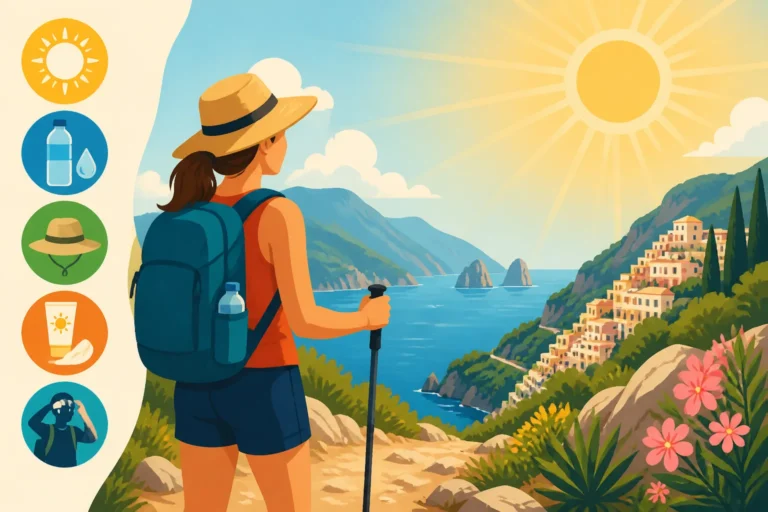
The history in Southern Italy is more visible and perhaps more poignant than in the North. From the Greek temples of Paestum to the haunting streets of Pompeii, the South is a living museum. When you are planning your excursions, using GetYourGuide is almost essential here, as navigating the local ticketing systems for major archaeological sites can be a bureaucratic nightmare. Having a pre-booked guide or skip-the-line ticket saves you from standing in the blistering southern sun for hours.
Culturally, the South is defined by its generosity. People will go out of their way to help you, even if they don't speak a word of English. The lifestyle is centered around the sea and the sun. Dinner doesn't even start until 9:00 PM, and the streets are filled with families enjoying a passeggiata well into the midnight hours. For those who want to dive deep into the island life, Sicily for Travelers: Cities, Coast, and Volcanoes is a must-read, as Sicily functions almost as a country within a country, with its own distinct culinary and linguistic traditions.
The Coastal Charms of Puglia and the Amalfi Coast
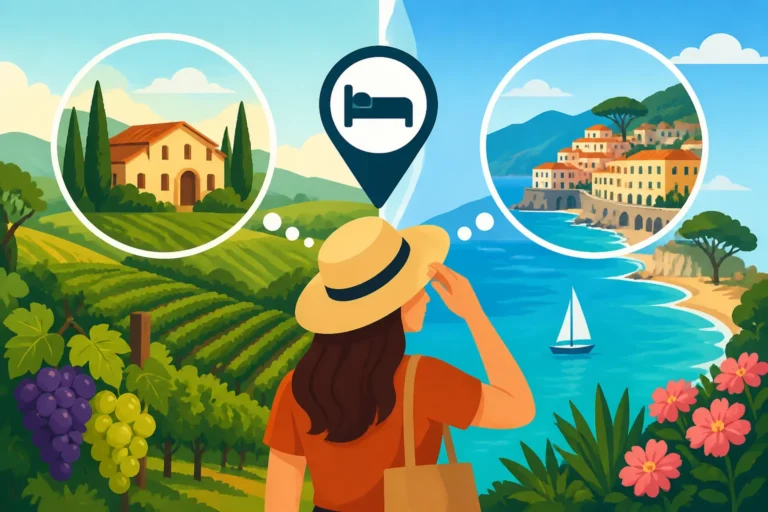
If your dream is a blue-water vacation, the South is the undisputed winner. While the North has the Italian Riviera, the South has the rugged beauty of Puglia: Trulli, Beaches, and Whitewashed Towns and the vertical drama of the Amalfi Coast. Puglia, in particular, has become the "new" Tuscany, offering incredible value for money. You can find stunning masserie (fortified farmhouses) on Booking.com that offer luxury at a fraction of the cost of a Northern villa.
However, be prepared for the "Southern Tax"—not a literal tax, but the cost of your patience. Things move slowly. Shops close for long afternoon breaks (riposo), and the bus might be twenty minutes late without explanation. If you can embrace the chaos, you will find a level of raw beauty and culinary intensity that the North cannot match. You haven't truly experienced Italian Food Culture: Eating Well as a Visitor until you’ve eaten a three-euro pizza on a napkin in a Neapolitan alleyway.
Logistics and Budget A Practical Comparison
To help you decide, let's look at the cold, hard facts of traveling in these two distinct regions. Your choice might ultimately come down to how much you want to spend and how much "work" you want to do during your holiday.
| Feature | Northern Italy | Southern Italy |
|---|---|---|
| Primary Vibe | Sophisticated, efficient, Alpine | Soulful, chaotic, Mediterranean |
| Transport | High-speed trains, great public transit | Regional buses, car rentals required |
| Typical Landscape | Mountains, lakes, fertile plains | Rugged coastlines, dry hills, islands |
| Cost Level | Higher (€€€) | Lower to Moderate (€€) |
| Best For | Luxury, hiking, fashion, art | History, beaches, street food, slow travel |
| Dining Times | Lunch at 12:30, Dinner at 7:30 | Lunch at 1:30, Dinner at 9:00 |
Transportation and Booking
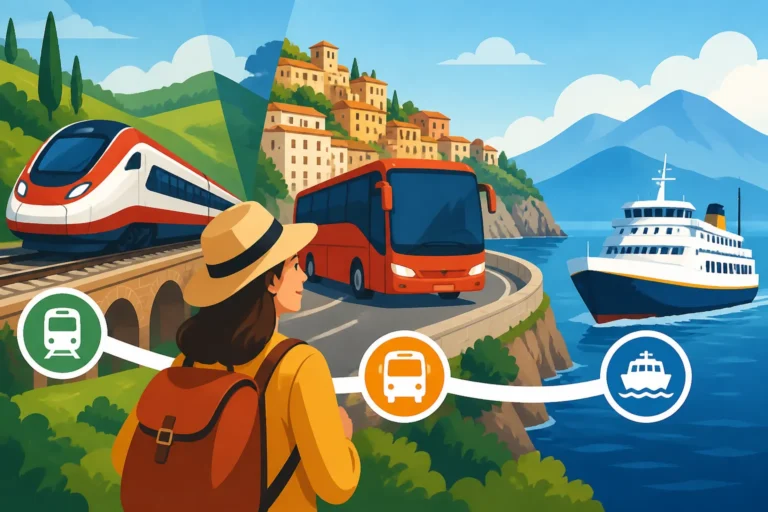
Getting between the North and South is easier than ever thanks to budget airlines and the main rail artery. You can check Omio to compare a flight from Milan to Palermo versus a long-haul train ride. If you are choosing the North, you should focus on How to Buy Trenitalia and Italo Tickets and Save Money to navigate the high-speed options. In the South, renting a car is often the only way to see the best beaches and small towns, though driving in places like Naples or Palermo is not for the faint of heart.
Culinary Identity and Dining
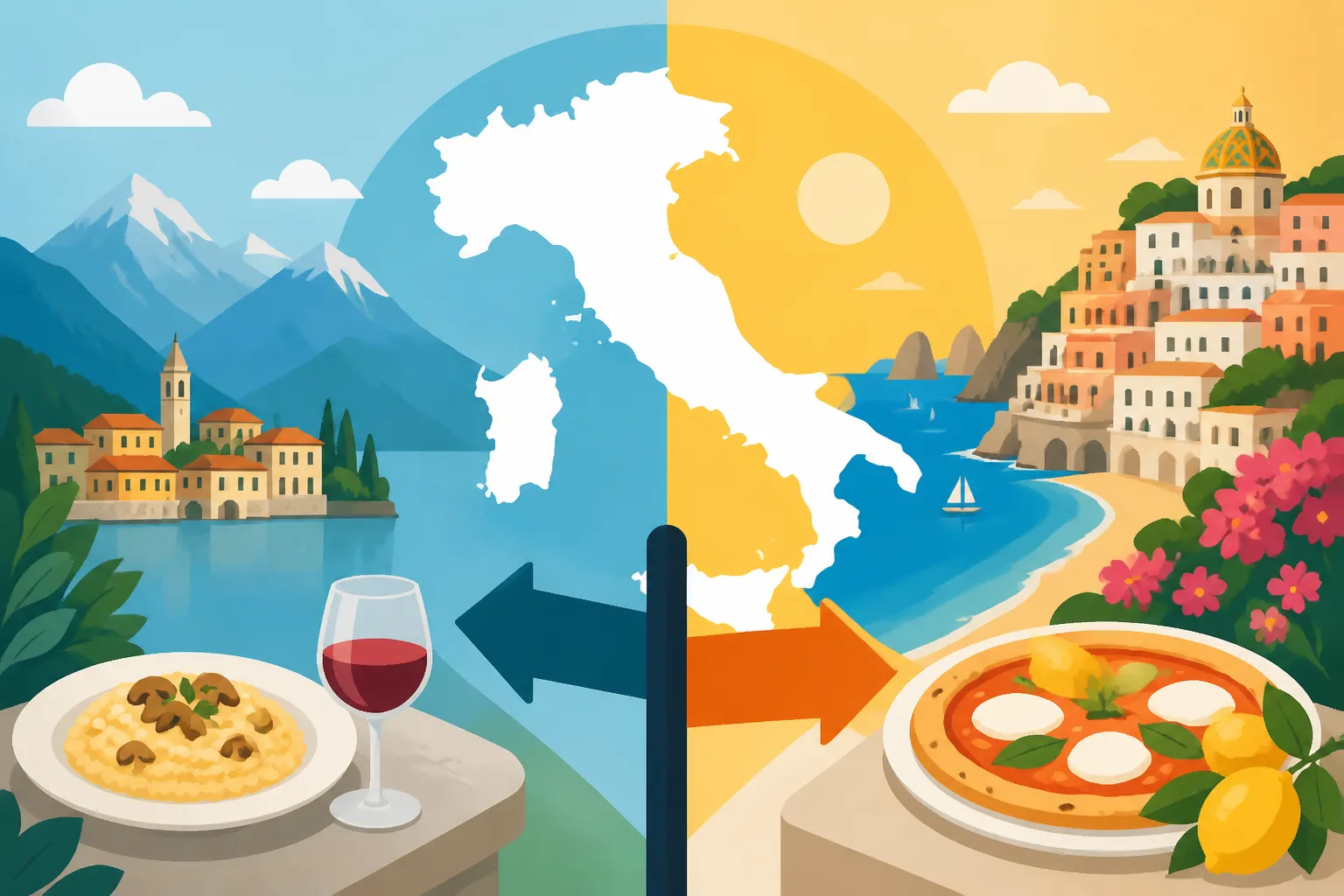
The food divide is perhaps the most significant difference for travelers. In the North, you will find butter, rice (risotto), and hearty meats. In the South, it is all about olive oil, pasta, and fresh seafood. If you are a foodie, you'll want to explore How to Find Authentic Restaurants in Italy (Not Tourist Traps) because the tourist-facing menus in Venice look very different from the family-run trattorias in Calabria. The South is generally much cheaper for dining; you can eat like a king for twenty euros, whereas that might only cover an appetizer in a trendy Milanese bistro.
Making the Final Decision Which Italy Suits You?
Ultimately, the choice between Northern and Southern Italy depends on what you want to feel when you wake up in the morning. Are you looking for the thrill of a bustling, fashionable city with world-class museums and easy transport? Or are you looking to lose yourself in a sun-drenched coastal town where the only schedule is the arrival of the fishing boats?
If it is your first time in Italy and you are nervous about the language barrier and logistics, the North (specifically the corridor between Milan, Venice, and Florence) is a "soft landing." It provides the classic Italian experience with a safety net of modern infrastructure. You can easily find English-speaking tours on GetYourGuide and high-quality hotels on Booking.com that cater specifically to international standards.
However, if you have already seen the major sites or if you are a traveler who thrives on raw, unpolished experiences, the South will capture your heart in a way the North never could. There is a certain magic in the South that defies description—a mixture of salt air, ancient stone, and the scent of frying dough. To help weigh your coastal options, consider reading How to Choose Between the Amalfi Coast and Cinque Terre to see which side of the peninsula fits your aesthetic.
Regardless of which direction you head, remember that Italy is best enjoyed when you don't rush. Whether you are navigating the high-speed rail of the North or the dusty bus routes of the South, the goal is the same: to find your own piece of la dolce vita.
Disclaimer
This guide is provided for informational purposes only. Travel conditions, local regulations, and prices in Italy are subject to change. Always verify current travel requirements, including visa and health regulations, with official government sources before your trip. The author is a long-term resident of Italy sharing personal insights and does not provide legal or professional travel agency services.