The Dolomites: A Traveler’s Introduction
The majestic Italian Dolomites are a sight that will steal your breath away, leaving you wondering if you've stumbled into a postcard. While Italy offers an embarrassment of riches, from ancient ruins to sun-drenched coasts, navigating the sheer volume of incredible destinations can feel overwhelming. This guide is here to introduce you to the unique beauty and practicalities of visiting the Dolomites, ensuring your journey into these spectacular mountains is as smooth and awe-inspiring as possible.
Disclosure: This post may contain affiliate links. We may earn a commission at no extra cost to you if you make a purchase through these links. Read full disclosure.
What Makes the Dolomites So Special?
Ah, the Dolomites! I remember my first trip there, completely unprepared for the sheer scale and beauty of it all. It’s not just another pretty mountain range; there’s a distinct magic here, a feeling that you've stepped into a truly unique corner of the world. It’s a place that blends dramatic natural grandeur with a rich tapestry of culture and history, making it far more than just a destination for hikers or skiers.
A UNESCO World Heritage Site
What truly sets the Dolomites apart, besides their jaw-dropping beauty, is their recognition by UNESCO. In 2009, these mountains were inscribed as a UNESCO World Heritage Site, and for good reason. This isn't just a fancy title; it signifies their "outstanding universal value" for their geomorphological and aesthetic qualities. When you see those jagged, pale grey peaks, often referred to as "pale mountains," catching the sunrise or sunset, transforming from white to pink to fiery red – an effect known as enrosadira – you understand exactly what UNESCO was talking about. It's a natural light show that truly defies description, leaving you speechless every single time. This designation also means a commitment to preserving this incredible environment, which is reassuring for those of us who care deeply about sustainable travel.
Unique Geology and Landscape
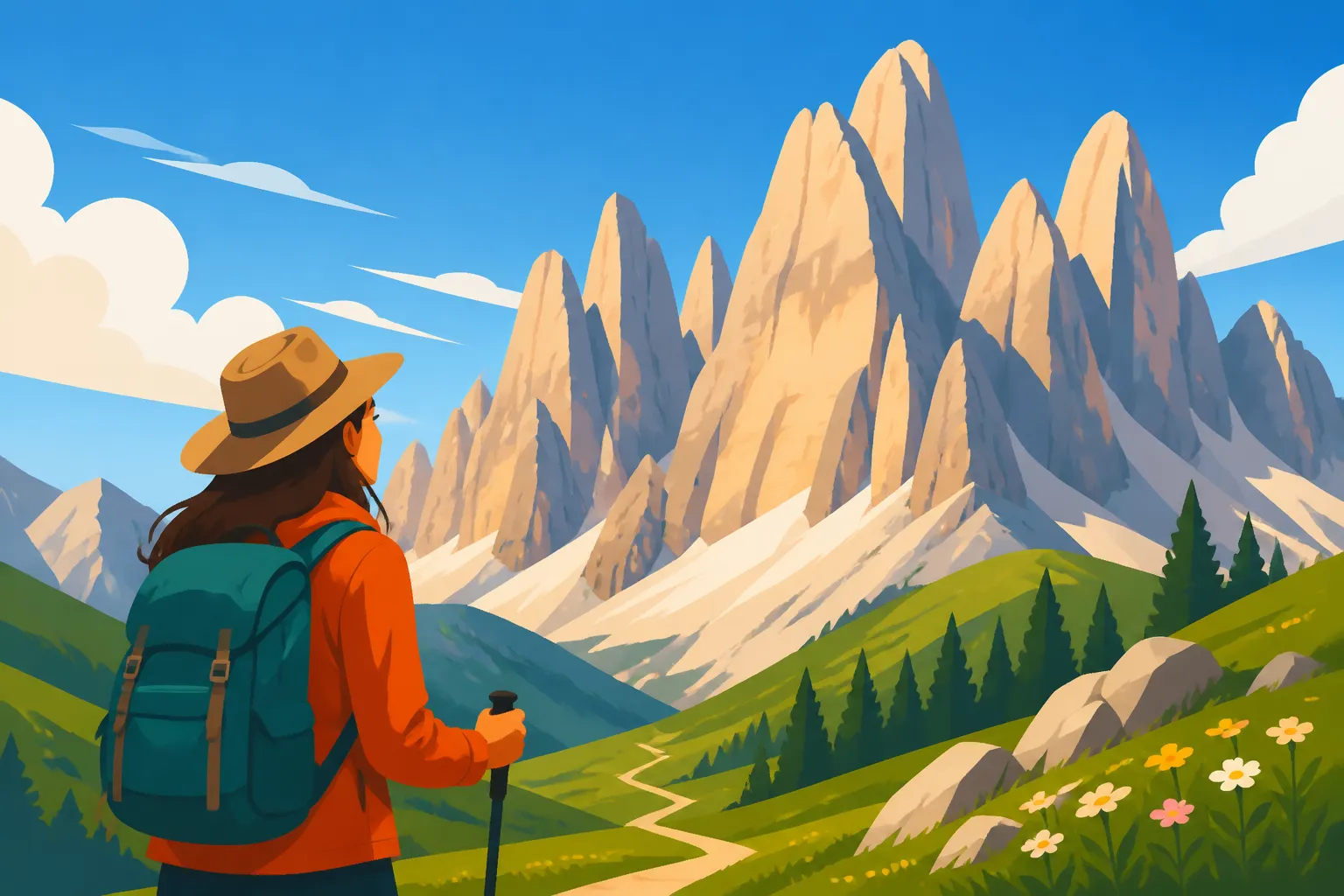
The geology of the Dolomites is utterly fascinating and distinct from other mountain ranges. Unlike the granite and gneiss common in many alpine regions, the Dolomites are primarily composed of dolomite rock, a carbonate rock similar to limestone but richer in magnesium. This particular composition gives them their characteristic pale, almost bleached appearance and allows for those incredibly dramatic, vertical walls, sheer cliffs, and spire-like formations that dominate the skyline. Imagine layers of ancient coral reefs and marine sediments, pushed up from a prehistoric sea over millions of years, then sculpted by glaciers and erosion into the fantastical shapes you see today. You’ll notice striking contrasts, like the dark forests at their base giving way to these raw, exposed rock faces. This unique geological history has created a landscape that looks almost alien at times, a true marvel for any nature enthusiast.
A Cultural Crossroads
One of the most charming and, frankly, most delightful surprises for many expats exploring the Dolomites is its unique cultural identity. This isn’t just "Italy" as you might imagine it. This region, particularly South Tyrol (Südtirol), has a strong Austrian influence due to its historical ties to the Austro-Hungarian Empire before being annexed by Italy after World War I. This means you’ll often hear German spoken alongside Italian, and in many valleys, the ancient Ladin language thrives, a Romance language with Rhaeto-Romanic roots.
This linguistic and historical blend translates into everything from architecture to cuisine. You'll see charming Alpine chalets next to more classically Italian structures. The food menus offer everything from canederli (dumplings) and speck (cured ham) to pasta and pizza. It's a delightful fusion, sometimes a little confusing when you're trying to figure out if you should say Guten Tag or Buongiorno, but always enriching. This duality truly adds another layer of depth to your visit; it’s like getting a taste of two cultures in one breathtaking location. This cultural richness also extends to local traditions and festivals, which are often a beautiful mix of alpine and Italian customs, adding to the vibrancy of the area.
Planning Your Trip to the Dolomites
Deciding to visit the Dolomites is the easy part. Actually planning it can feel a bit like trying to herd cats, especially if you’re used to the more straightforward travel of bigger cities. But trust me, a little preparation goes a long way here to unlocking an unforgettable experience.
When to Visit: Seasons and Activities
The Dolomites are a year-round destination, but when you visit profoundly impacts the kind of experience you'll have. Each season paints the landscape with a different brush, offering distinct activities.
Summer (June to September)
This is peak season for hiking, climbing, and cycling. The trails are open, the rifugi (mountain huts) are buzzing, and the weather is generally pleasant, though afternoon thunderstorms are common. This is when the vibrant wildflowers blanket the meadows, and the air is crisp and invigorating. For us hikers, it’s pure heaven. You can embark on multi-day treks, tackling epic routes like the Alta Via trails, or simply enjoy leisurely strolls through alpine pastures. Lake activities, like paddleboarding on the stunning Lago di Braies, also come alive. Remember, though, "peak season" means crowds, especially at popular spots. If you're planning on hiking, you might want to consider booking your accommodation in advance, especially if you're staying in popular towns like Cortina d'Ampezzo or Ortisei. You might even want to look into booking your train tickets to the region if you're coming from major Italian cities, as these can fill up quickly, especially during August. Check out options on Omio to see train and bus routes.
Winter (December to March)
The Dolomites transform into a snowy wonderland, attracting skiers, snowboarders, and winter sports enthusiasts from around the globe. This region boasts some of the best ski resorts in Italy, including the famous Dolomiti Superski area, which offers over 1,200 km of interconnected slopes. It’s a truly magical time, with charming Christmas markets in towns like Bolzano and Merano, and the crisp, clean air making every breath feel exhilarating. Cross-country skiing, snowshoeing, and even ice climbing are also popular. If you’re not into skiing, simply enjoying the cozy atmosphere, beautiful scenery, and hearty winter cuisine is an experience in itself. Just be aware that some roads and hiking trails may be closed due to snow, so plan your itinerary accordingly.
Shoulder Seasons (April-May & October-November)
These months offer a more tranquil experience with fewer crowds and often lower prices. Spring sees the snow melting, waterfalls gushing, and the first green shoots emerging – a beautiful time for gentler walks. Autumn, particularly October, is breathtaking. The larch trees turn a brilliant gold, creating a stunning contrast with the pale rock faces. It’s ideal for photography and quieter hikes. However, some rifugi and cable cars might be closed, and the weather can be unpredictable, with early snow possible in late autumn. It's a trade-off: fewer people but potentially fewer open services. Always check local conditions and opening times before you go.
Getting There: Transportation Options
Reaching the Dolomites requires a bit of planning, as they're tucked away in the northern reaches of Italy. Don't expect a direct flight to the heart of the mountains, but a little patience will get you there.
By Car
Driving is by far the most flexible way to explore the Dolomites. It allows you to stop at picturesque viewpoints, access remote trailheads, and easily hop between charming villages. The roads are generally well-maintained, though winding mountain passes are common.
- From Italian Cities: If you're coming from a major city like Venice, Milan, or Verona, renting a car is a popular choice. The drive from Venice is particularly scenic, taking about 2-3 hours to reach the eastern Dolomites (e.g., Cortina d'Ampezzo). Be mindful of ZTLs (Limited Traffic Zones) in Italian cities if you're driving in a rental car; you don't want an unexpected fine! You might find our guide on Driving in Italy: Obtaining an Italian Driver’s License helpful for general tips.
- From Nearby Airports: The closest airports are Venice (VCE), Verona (VRN), and Innsbruck (INN) in Austria. Bolzano (BZO) has a small regional airport, but flights are less frequent and often more expensive. From these airports, you can easily pick up a rental car.
By Public Transport
While less flexible, public transport is certainly an option, especially if you plan to base yourself in one or two main towns.
- Trains: There are no direct train lines deep into the Dolomites. The closest major train stations are Bolzano (for the western Dolomites, South Tyrol), Bressanone, or Fortezza. From Venice, you can take a train to Calalzo di Cadore, and then a bus connection into Cortina d'Ampezzo. Similarly, from cities like Verona or Innsbruck, you can reach Bolzano. Once you arrive at these hubs, you'll need to transfer to a bus. For train schedules and bookings, check Trenitalia or Italo. You can also compare options using Omio, which often includes bus connections too. You might want to read our article on High-Speed Trains in Italy: Trenitalia, Italo, Routes, and Savings for more details on navigating the Italian rail network.
- Buses: An extensive bus network connects the towns and valleys within the Dolomites. Companies like Südtirol Bus, FlixBus, and local operators provide routes. The Dolomiti Bus service is particularly useful for the eastern Dolomites around Belluno and Cortina. During peak summer and winter, dedicated ski buses and hiking buses operate, making it easier to reach specific resorts or trailheads. The South Tyrol Guest Pass (Mobilcard) often includes free public transport in the region, which can be a fantastic money-saver if you plan to rely on buses. Remember, bus schedules can be seasonal and less frequent in off-peak times.
Where to Stay: Accommodation Types
The Dolomites offer a fantastic range of accommodation, from rustic mountain huts to luxurious hotels. Your choice will depend on your budget, travel style, and whether you prefer to stay put or move around.
Hotels and Guesthouses
You'll find charming hotels and guesthouses in every major town and village. These range from cozy, family-run establishments to upscale resorts with spas and fine dining. Popular bases include:
- Cortina d'Ampezzo: Known as the "Queen of the Dolomites," it's glamorous and popular, especially among Italian holidaymakers. It offers a wide range of hotels, chic boutiques, and excellent restaurants.
- Ortisei (Urtijëi): A beautiful village in Val Gardena, famous for its woodcarvings and direct access to stunning cable cars that whisk you up to high-altitude pastures. It’s very popular for both summer hiking and winter skiing.
- Bolzano (Bozen): While not deep in the mountains, Bolzano is the capital of South Tyrol and an excellent base for exploring the western Dolomites. It's a vibrant city with a strong Austrian influence, great food, and easy connections. You'll find plenty of options on Booking.com for all these locations.
- Merano (Meran): Another beautiful South Tyrolean town, known for its thermal baths and Mediterranean-Alpine climate, perfect for a more relaxed stay.
Rifugi (Mountain Huts)
For a truly authentic Dolomite experience, especially if you're hiking, staying in a rifugio is a must. These mountain huts are scattered throughout the peaks, offering basic but comfortable accommodation, delicious hearty meals, and unparalleled views. They range from small, remote shelters to larger, more modern establishments accessible by cable car. Staying in a rifugio means you get to experience the mountains at sunrise and sunset, long after the day-trippers have left. They often require reservations, particularly during peak season. You might even find yourself sharing a dormitory-style room, which is part of the charm and a great way to meet fellow hikers. Don't forget to bring cash, as some smaller rifugi might not accept cards.
Agriturismi
These are working farms that offer accommodation, providing a wonderful opportunity to experience rural life and enjoy farm-to-table cuisine. Many agriturismi in the Dolomites are incredibly well-maintained, offering comfortable rooms and often stunning views of the surrounding valleys and peaks. It's a fantastic option if you're traveling with family or simply want a more serene, authentic experience away from the busier towns. They often have their own produce, like cheeses, meats, and wines, which you can enjoy during your stay.
Top Experiences and Must-See Spots
Alright, now for the fun part: what to actually do once you're there! The Dolomites are an adventurer’s playground and a paradise for anyone who appreciates natural beauty.
Iconic Hikes and Via Ferratas
The Dolomites are famous worldwide for their hiking trails, ranging from gentle strolls to challenging multi-day treks.
Tre Cime di Lavaredo
This is arguably the most iconic landmark of the Dolomites. The Three Peaks (Tre Cime) are instantly recognizable and an absolute must-see. The classic loop hike around them is moderately challenging and offers continuous, breathtaking views of these colossal rock formations. The trail is well-marked and usually takes about 3-4 hours, starting from the Rifugio Auronzo (which is accessible by a toll road in summer). It's incredibly popular, so an early start is highly recommended to avoid the biggest crowds and enjoy the tranquility of the morning light. You'll pass various rifugi along the way where you can stop for a coffee or lunch.
Seceda and Alpe di Siusi
For views that look straight out of a fantasy novel, head to Seceda. Accessible by cable car from Ortisei in Val Gardena, the ridge offers dramatic, razor-sharp peaks plunging into lush green meadows. It's truly spectacular. Nearby is Alpe di Siusi (Seiser Alm), Europe's largest high-alpine meadow, a gentler landscape perfect for families and those seeking less strenuous walks amidst an idyllic setting. You can walk for hours, surrounded by cows grazing peacefully, with the majestic peaks as your backdrop. Both areas offer cable car access, making them accessible even for those who prefer not to do strenuous climbing.
Via Ferratas
For the more adventurous, the Dolomites are the birthplace of via ferratas (iron paths). These protected climbing routes use fixed cables, ladders, and sometimes bridges to allow non-climbers to traverse otherwise inaccessible terrain. They offer an incredible adrenaline rush and unparalleled views. There are routes for all skill levels, from beginner-friendly paths to extremely exposed and challenging climbs. You absolutely need proper gear (helmet, harness, via ferrata set) and ideally, some experience or a guide. Local mountain guides offer guided via ferrata tours, which is highly recommended for first-timers to ensure safety.
Charming Towns and Villages
Beyond the peaks, the valleys are dotted with picturesque towns and villages, each with its own character and charm.
- Cortina d'Ampezzo: As mentioned, it's chic and sophisticated, with high-end shops, restaurants, and a lively atmosphere, especially during ski season. It’s also an excellent base for exploring the eastern Dolomites.
- Ortisei (Urtijëi): A beautiful, pedestrian-friendly town in Val Gardena, renowned for its traditional woodcarvings. It's an ideal base for accessing cable cars to Seceda and Alpe di Siusi, and its main street is perfect for an evening stroll.
- San Candido (Innichen): Located in the Val Pusteria, close to the Austrian border, this town offers a lovely blend of Italian and Austrian charm, with a beautiful collegiate church and easy access to cycling paths and hiking trails.
- Bolzano (Bozen): The vibrant capital of South Tyrol, Bolzano offers a rich cultural experience. Visit the South Tyrol Museum of Archaeology to see Ötzi the Iceman, explore the charming arcades, and enjoy the fusion cuisine. It makes a great base for combining mountain excursions with city amenities.
Lakes of Unforgettable Beauty
The Dolomites are home to some of the most stunning alpine lakes you'll ever lay eyes on. Their vibrant, often unreal, turquoise and emerald waters are straight out of a painting.
Lago di Braies (Pragser Wildsee)
This is perhaps the most famous and photographed lake in the Dolomites, and for good reason. Its emerald waters, framed by dramatic peaks, are simply breathtaking. You can rent a charming wooden rowboat to glide across its surface, or simply enjoy the easy walk around its shore. Be warned: it gets incredibly crowded, especially in summer. Arrive early in the morning or later in the afternoon for a more peaceful experience. Parking can also be an issue during peak times, with a limited number of spots and increasing restrictions to manage visitor flow.
Lago di Carezza (Karersee)
Known as the "Rainbow Lake" due to its stunning spectrum of colors reflected in its waters, Lago di Carezza is smaller than Braies but no less enchanting. Legend says the vibrant colors come from a rainbow scattered by a sorcerer. It's easily accessible and offers a pleasant walk around its perimeter, with the Latemar mountain range as a dramatic backdrop.
Lago di Sorapis
For those willing to put in a bit more effort, the hike to Lago di Sorapis is incredibly rewarding. This lake boasts an almost impossibly vibrant, milky turquoise color, due to glacial flour in its waters. The hike is moderately challenging but offers stunning views and feels like a true adventure. Access usually requires a drive from Cortina d'Ampezzo to the starting point near Passo Tre Croci.
Embracing the Local Culture and Cuisine
One of the greatest joys of traveling in Italy is undoubtedly the food and culture, and the Dolomites are no exception. But be prepared for a delightful twist on what you might typically expect from Italian customs.
Language and Traditions
As I mentioned earlier, the Dolomites are a fascinating linguistic melting pot. In South Tyrol, German is often more prevalent than Italian, particularly in rural areas. While Italian is understood, a Guten Tag or Danke schön will often be met with a warmer reception. In some areas, particularly Val Gardena, you'll also encounter Ladin, a unique and ancient language. Don't worry if you're not multilingual; most people in tourist-oriented areas will speak some English. However, learning a few basic phrases in German or Ladin, alongside your Italian, can truly enhance your experience. Our guide on Italian Language and Everyday Communication for Visitors might be a good starting point to brush up on some essentials.
The traditions here are a blend of Alpine folk culture and Italian sensibilities. Think brass bands, traditional costumes, woodcarving, and hearty festivals that celebrate local produce or religious holidays. These aren't just for tourists; they are deeply ingrained in the local way of life. If you're lucky enough to stumble upon a local sagra (food festival) or a traditional procession, embrace it! It’s a wonderful way to connect with the authentic spirit of the region.
Hearty Mountain Food
Forget your light Mediterranean salads for a moment; Dolomite cuisine is all about fuel for mountain adventures! It's a comforting, wholesome, and incredibly delicious fusion of Italian and Austrian influences.
- Canederli: These are hearty bread dumplings, often served in broth or with speck and cheese. They come in various flavors, from spinach to liver, and are the ultimate comfort food after a long hike.
- Schlutzkrapfen: Half-moon shaped pasta pockets filled with spinach and ricotta, typically served with melted butter and Parmesan. They're like a mountain version of ravioli, and absolutely divine.
- Speck: This smoked, cured ham is a regional specialty. You'll find it served as an appetizer, in sandwiches, or incorporated into many dishes. It's distinct from Italian prosciutto and has a richer, smokier flavor.
- Apple Strudel (Apfelstrudel): A sweet treat that unmistakably points to the Austrian influence. Flaky pastry filled with spiced apples, often served warm with vanilla sauce or ice cream. It's the perfect reward after a day on the slopes or trails.
- Desserts and Cheeses: Don't miss the local cheeses, often made from alpine milk, which pair perfectly with the regional wines. You'll also find a delightful array of cakes and pastries, reflecting the sweet tooth of the region.
Dining in a rifugio or a traditional Gasthof (inn) is a special experience. The portions are generous, the atmosphere is cozy, and the views are often spectacular. You might find our article on How to Eat Like a Local in Italy: Meal Structure and Timing useful, though be prepared for slightly different timings and customs here compared to central or southern Italy.
The Südtiroler Weinstrasse (Wine Road)
While the Dolomites are synonymous with mountains, the lower valleys of South Tyrol are also a thriving wine region, particularly famous for their white wines. The Südtiroler Weinstrasse, or South Tyrolean Wine Road, stretches through picturesque vineyards, connecting charming villages and wineries (Cantine). Here, you can sample crisp Gewürztraminer, elegant Pinot Blanc (Weissburgunder), and refreshing Sauvignon Blanc. It's a delightful contrast to the high peaks and offers a different kind of sensory exploration. Many wineries offer tastings and tours, allowing you to learn about the unique terroir and winemaking traditions of this alpine region. This could be a lovely way to spend a rest day, perhaps after a particularly strenuous hike, and discover another facet of the Dolomites' rich offerings.
Practical Tips for a Smooth Dolomite Adventure
Even the most beautiful places can throw a few curveballs, especially when you're navigating a foreign country. A few practical tips can make all the difference in ensuring your Dolomite adventure goes off without a hitch.
Gear Up: What to Pack
The weather in the mountains can change on a dime, so packing smart is crucial, regardless of the season.
- Layer, Layer, Layer: This is the golden rule for mountain travel. Bring breathable base layers, insulating mid-layers (fleece or light down), and a waterproof and windproof outer shell. Even in summer, temperatures can drop significantly at higher altitudes, and rain is always a possibility.
- Sturdy Footwear: For hiking, good quality hiking boots with ankle support are essential. For winter, waterproof, insulated boots are a must. Even if you're not planning strenuous hikes, comfortable walking shoes are important for exploring towns.
- Sun Protection: The sun at altitude is intense. Pack high-SPF sunscreen, sunglasses, and a wide-brimmed hat, even on cloudy days.
- Hydration and Snacks: Always carry a reusable water bottle. While many rifugi sell water, having your own is eco-friendly and convenient. Pack some energy bars or local snacks like Panini or Apfelstrudel for your hikes.
- Navigation Tools: A good map (paper and/or digital), a compass, and a fully charged phone with offline maps are indispensable. Apps like Komoot or AllTrails are popular.
- First-Aid Kit: Blister plasters, pain relievers, antiseptic wipes, and any personal medications.
- Cash: As mentioned, some smaller rifugi or local markets might prefer cash. Having some euros on hand is always a good idea.
Staying Connected and Safe
Being prepared for emergencies and staying connected can ease your mind.
- Phone and Internet: Most hotels and rifugi will have Wi-Fi, but coverage can be spotty on trails. Consider getting a local SIM card upon arrival, especially if you plan to rely on your phone for navigation or emergencies. Our guide on Choosing a Cell Phone Plan in Italy has some great tips.
- Emergency Numbers: In Italy, the single European emergency number is 112 for all emergencies (police, ambulance, fire). It's good to know and remember. You might find more details in our article on Emergency Medical Numbers in Italy (112, 118, 1500).
- Mountain Safety: Always inform someone of your hiking plans, especially if you're venturing into more remote areas. Check weather forecasts religiously. Stick to marked trails. If you're doing a via ferrata or a challenging climb, consider hiring a certified local mountain guide. They know the terrain, the weather patterns, and can ensure your safety. For specific guided tours or activities, you might want to browse options on GetYourGuide to find experienced local providers.
Respecting Nature and Local Customs
The Dolomites are a pristine natural environment, and it's our responsibility as visitors to help keep them that way.
- Leave No Trace: Pack out everything you pack in. Do not litter. Stay on marked trails to protect fragile vegetation and wildlife habitats.
- Respect Wildlife: Observe animals from a distance and do not feed them.
- Water Conservation: While mountain water might seem abundant, it's a precious resource. Be mindful of your water usage.
- Silence and Serenity: The mountains are a place of peace and quiet for many. Keep noise levels down, especially when near rifugi or other hikers.
- Local Etiquette: Embrace the mix of cultures. Be polite and patient, especially when language barriers arise. A smile and an attempt at local greetings go a long way. Understanding Italian Social Customs: Greetings, Gestures, and Personal Space can help you navigate interactions smoothly.
By keeping these tips in mind, you'll be well-prepared to embark on an incredible journey through the breathtaking landscapes and unique culture of the Dolomites.
| Season | Best for: | Typical Weather | Key Considerations |
|---|---|---|---|
| Summer | Hiking, climbing, cycling, lake activities | Warm days, cool nights, thunderstorms | Crowds, book accommodation/activities in advance |
| Autumn | Photography, quiet hikes, fall foliage | Cool, crisp, variable | Some cable cars/rifugi may be closed, unpredictable weather |
| Winter | Skiing, snowboarding, snowshoeing, Christmas markets | Cold, snowy | Roads may be closed, check ski conditions, winter gear essential |
| Spring | Gentler walks, waterfalls, fewer crowds | Mild to cool, melting snow | Many trails/lifts still closed at higher altitudes |
Disclaimer
The information provided in this guide is for general informational purposes only and is subject to change. While we strive to offer accurate and up-to-date advice, travel regulations, opening hours, prices, and local conditions in Italy, especially in dynamic mountain environments like the Dolomites, can vary. Always verify details with official sources, local authorities, and service providers before making travel plans. We recommend checking weather forecasts, trail conditions, and booking accommodations and transportation well in advance, particularly during peak seasons. Travel insurance is always a wise consideration for any international trip.