Puglia: Trulli, Beaches, and Whitewashed Towns
So, you're dreaming of Italy, but perhaps you've already seen the Colosseum or wandered the Uffizi, and now you're yearning for something different, a place where time feels a little slower, and authenticity shines through every whitewashed wall and ancient olive grove. Well, my friend, let me tell you about Puglia, the heel of Italy's boot, a region that promises a truly unique Italian experience beyond the well-trodden paths of Rome and Florence, a place where fairytale trulli, stunning beaches, and charming towns are just waiting to be discovered.
Disclosure: This post may contain affiliate links. We may earn a commission at no extra cost to you if you make a purchase through these links. Read full disclosure.
Why Puglia is Italy's Hidden Gem (and Not-So-Hidden Charm)
For years, Puglia flew under the radar for many international tourists, a treasured secret mostly known to Italians themselves. But that's changing, and for good reason. This region, stretching along both the Adriatic and Ionian seas, offers an incredible diversity of landscapes, rich history, and a culinary tradition that will make your taste buds sing. It's an Italy that feels raw, real, and utterly captivating, a place where ancient traditions blend seamlessly with a laid-back Mediterranean vibe.
The Allure of Southern Italy: Beyond the Postcards
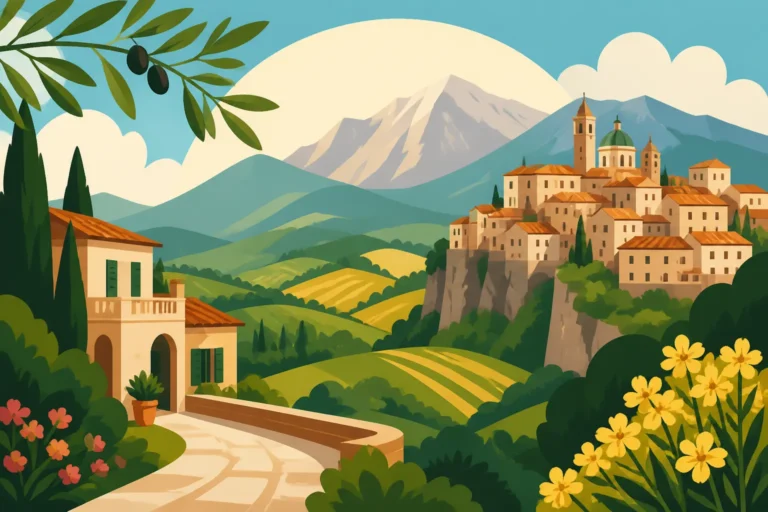
When people think of Southern Italy, images of sprawling vineyards and dramatic coastlines often come to mind, but Puglia offers a distinct flavor. Unlike the rugged mountains of Sicily or the dramatic cliffs of the Amalfi Coast, Puglia presents a softer, yet equally stunning, beauty. Its landscape is characterized by rolling plains filled with gnarled olive trees – literally millions of them, some centuries old – stretching as far as the eye can see. This isn't just a pretty picture; it's a testament to Puglia's agricultural heart, particularly its production of olive oil, which is arguably the best in Italy. The light here is extraordinary, especially at dawn and dusk, bathing the countryside in a golden glow that perfectly complements the region's warm, welcoming atmosphere.
Furthermore, Puglia provides a wonderful contrast to the bustling, often overwhelming, energy of Italy's major tourist cities. Here, life unfolds at a more leisurely pace. Mornings might start with a cappuccino at a local bar, followed by a stroll through a market brimming with fresh produce. Afternoons are often reserved for a leisurely lunch and perhaps a siesta, while evenings bring the ritual of the passeggiata (evening stroll) and a delicious dinner al fresco. This slower rhythm is not just appealing; it's an invitation to truly unwind and immerse yourself in the local way of life. If you're looking for an escape where you can genuinely relax and reconnect, Puglia offers that in spades, providing a perfect example of what it means to truly embrace Slow Travel in Italy: Staying Longer in One Place.
A Rich Tapestry of History and Culture
Puglia's strategic position in the Mediterranean has made it a crossroads of civilizations for millennia, leaving behind a fascinating layered history. Greeks, Romans, Byzantines, Normans, Swabians, Angevins, Aragonese, and even Ottomans have all left their mark, resulting in a unique cultural blend evident in the architecture, cuisine, and local customs. You'll see ancient Messapian ruins, impressive Romanesque cathedrals, Baroque masterpieces, and formidable Swabian castles, all within relatively short distances of each other. Each conqueror and settler added another thread to the rich fabric of Puglia, creating a region that feels deeply rooted in its past while warmly embracing the present.
The region's cultural identity is also strongly tied to its maritime heritage. Fishing villages dot the coast, their harbors filled with colorful boats, and the scent of the sea permeates the air. Festivals and traditions often celebrate the sea, patron saints, and the bountiful harvests from the land. This deep connection to both land and sea has shaped a resilient, proud, and incredibly hospitable people. Engaging with locals, even if your Italian is limited, is often a highlight of a Puglian trip. They are generally eager to share their traditions, their food, and their beautiful region. For visitors, understanding some basic phrases can go a long way, and you can find helpful tips in resources like Italian Language and Everyday Communication for Visitors.
Discovering Puglia's Iconic Trulli
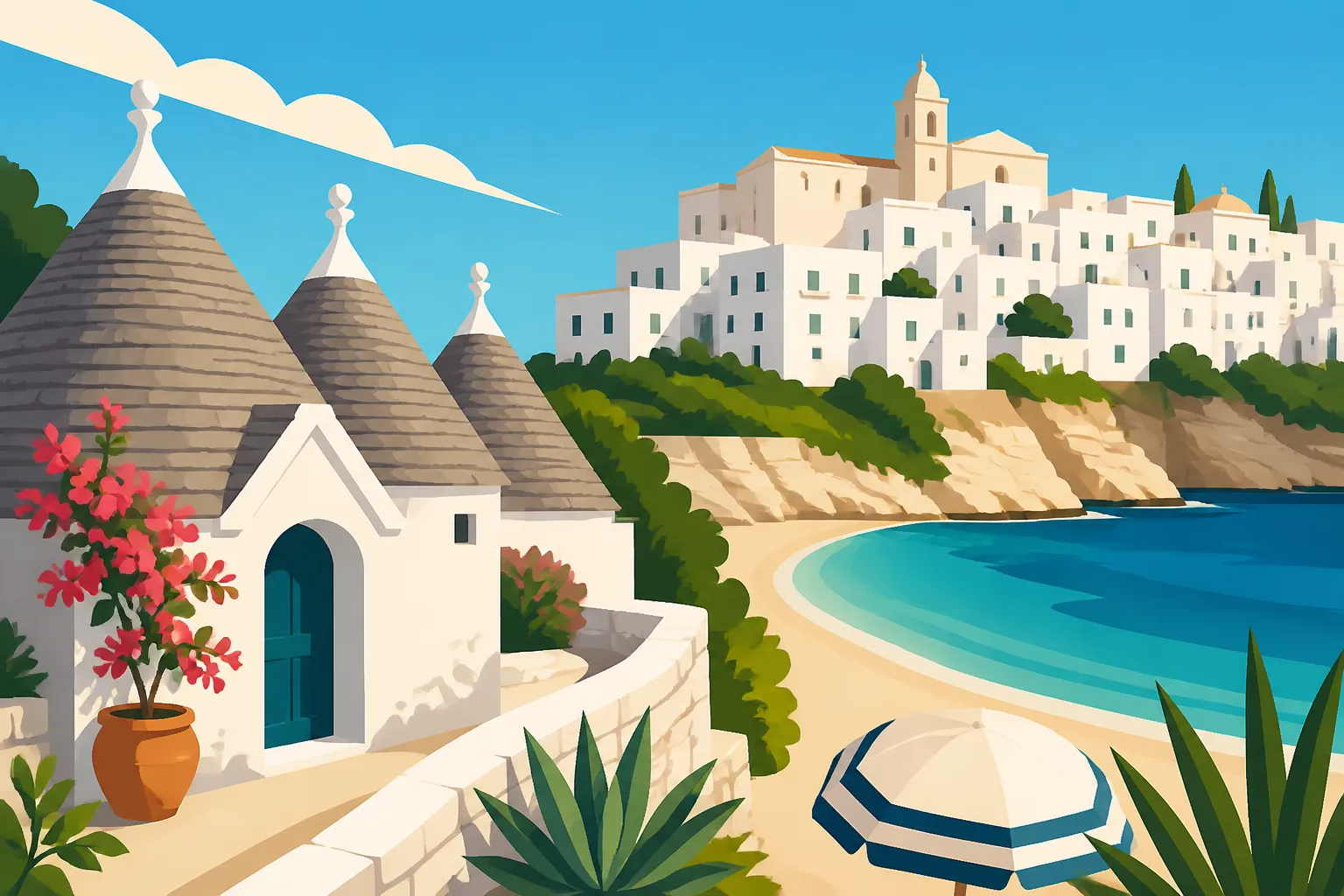
You can't talk about Puglia without mentioning its most iconic and whimsical architectural marvel: the trulli. These unique, dry-stone huts with conical roofs are straight out of a fairytale, and they are utterly captivating. While similar structures can be found elsewhere in the Mediterranean, nowhere are they as concentrated and well-preserved as in Puglia, particularly in the Valle d'Itria.
Alberobello: The Trulli Capital
The quintessential trulli experience awaits you in Alberobello, a UNESCO World Heritage site and truly the capital of trulli. Walking through its two main districts, Rione Monti and Rione Aia Piccola, feels like stepping into a storybook. Hundreds of these whitewashed structures, adorned with distinct pinnacles atop their grey conical roofs, cluster together, creating an otherworldly landscape. It's an extraordinary sight that draws visitors from all corners of the globe, and for good reason – it's a truly unique architectural phenomenon.
While Rione Monti is more commercialized, with many trulli converted into souvenir shops, cafes, and restaurants, it still retains its charm and offers fantastic photo opportunities. Here, you might even find locals inviting you into their trulli to explain their history or sell you local goods. Rione Aia Piccola, on the other hand, is mostly residential, offering a glimpse into what life might be like living in these historical homes. It’s quieter, more authentic, and perfect for a peaceful stroll. Seeing the sun set over Alberobello, casting long shadows across the conical roofs, is an experience not to be missed.
Staying in a Trullo: An Unforgettable Experience
One of the most magical aspects of visiting Alberobello and the surrounding Valle d'Itria is the opportunity to stay in a trullo. Many of these ancient dwellings have been beautifully restored and converted into charming accommodations, ranging from cozy B&Bs to luxurious boutique hotels. Imagine waking up in a stone-walled room, under a high conical ceiling, and stepping out into a private garden surrounded by olive trees. It's an experience that truly connects you to the history and unique culture of Puglia.
These trulli often feature modern amenities subtly integrated into their traditional structure, offering comfort without sacrificing authenticity. They are surprisingly cool in the summer and retain warmth in the winter, thanks to their ingenious design. Staying in a trullo provides a completely different perspective than a standard hotel room; it allows you to truly immerse yourself in the region's heritage. Platforms like Booking.com offer a wide selection of trulli accommodations, from budget-friendly options to more luxurious stays, making it easy to find one that suits your travel style and budget. Whether you choose to stay for a night or a week, it will undoubtedly be one of the most memorable parts of your Puglian adventure.
Puglia's Breathtaking Coastline and Beaches
Puglia boasts Italy's longest coastline, stretching over 800 kilometers along two different seas – the Adriatic to the east and the Ionian to the south. This means an incredible diversity of beaches, from dramatic rocky coves and towering cliffs to long stretches of golden sand, all washed by crystal-clear waters. Whatever your preference for a day by the sea, Puglia has something to offer.
From Adriatic Cliffs to Ionian Sands
The Adriatic coast, particularly in the Salento peninsula, is characterized by its rugged beauty. Here, you'll find impressive limestone cliffs that plunge into the turquoise sea, creating hidden coves and grottos perfect for exploration by boat. Areas like Otranto and Santa Cesarea Terme offer stunning views and a dramatic landscape. The water along this coast is often a vibrant emerald or deep blue, incredibly clear, and ideal for snorkeling and diving. You can spend days discovering secluded spots, perhaps even renting a small boat to reach otherwise inaccessible beaches.
As you round the heel of the boot and head west towards the Ionian Sea, the landscape gradually transforms. The Ionian coast is famous for its softer, more expansive beaches, often referred to as the "Maldives of Salento." Here, the coastline flattens out into long, sandy stretches with shallow, warm, and impossibly clear waters, making them perfect for families with children or anyone who simply wants to relax on soft sand. The sunsets over the Ionian Sea are particularly spectacular, painting the sky in fiery hues of orange and pink. This transition from dramatic cliffs to gentle sands means you can experience two completely different seaside holidays within a single region, simply by driving a short distance.
Top Beaches for Relaxation and Adventure
Choosing a favorite beach in Puglia is like choosing a favorite pasta shape – almost impossible, as they are all wonderful in their own way! However, some truly stand out. On the Adriatic side, the area around Polignano a Mare offers iconic rocky coves. Lama Monachile, with its picturesque pebble beach nestled between two cliffs and overlooked by the town, is perhaps the most photographed. Further south, the natural pools of Grotta della Poesia near Roca Vecchia are a marvel, where you can swim in ancient sinkholes carved by the sea.
Moving to the Ionian coast, consider Punta Prosciutto, renowned for its pristine white sands and incredibly shallow, clear waters, perfect for a long, gentle wade. Pescoluse, often called the "Maldives of Salento," lives up to its name with its fine sand and calm, iridescent waters. For something a bit more vibrant, Gallipoli offers both historical charm and lively lidos where you can rent umbrellas and sun loungers. Many beaches, especially during the peak summer months of July and August, feature beach clubs (lidos) where you can rent chairs, enjoy drinks and snacks, and often find music and entertainment. These lidos, while sometimes busy, offer a quintessential Italian beach experience.
Whether you're looking for adventurous cliff jumping, tranquil sunbathing, or family-friendly shores, Puglia's coastline is a treasure trove of beautiful spots. Remember that during peak season, many popular beaches can get crowded, so arriving early or exploring lesser-known spots is often a good strategy.
Whitewashed Wonders: Puglia's Charming Towns
Beyond the trulli, Puglia is renowned for its stunning whitewashed towns, perched on hilltops or clinging to cliffsides, gleaming under the Mediterranean sun. These città bianche (white cities) are a defining feature of the region, offering labyrinthine streets, charming piazzas, and breathtaking panoramic views.
Ostuni: The White City
Ostuni, often hailed as "La Città Bianca," is perhaps the most famous and striking of Puglia's whitewashed towns. Perched majestically atop a hill, its historic center is a dazzling cascade of white houses, narrow alleys, and archways, all crowned by the magnificent Ostuni Cathedral with its unique rose window. It's a truly spectacular sight, especially when approached from a distance, appearing like a shimmering beacon against the deep blue sky.
Wandering through Ostuni's centro storico is an absolute delight. The streets are a maze of twists and turns, leading you past artisan shops, quaint cafes, and bustling trattorias. You'll discover hidden courtyards, vibrant splashes of bougainvillea against the white walls, and unexpected viewpoints offering sweeping vistas of the olive groves stretching to the Adriatic Sea. The main piazza, Piazza della Libertà, is the heart of the town, always buzzing with activity and a great spot for an aperitivo as the sun begins to set. Ostuni manages to feel both ancient and lively, a perfect blend of history and contemporary charm. Many of the buildings are painted with a special lime paint that reflects the sun, keeping the interiors cool during the hot summer months – a testament to ancient wisdom.
Polignano a Mare: Cliffside Beauty
Another absolute gem is Polignano a Mare, a town dramatically perched on limestone cliffs overlooking the Adriatic Sea. Its most iconic feature is Lama Monachile, the pebble beach framed by two towering cliffs and a Roman bridge, a scene that has graced countless postcards and travel magazines. The views from the various terraces and balconies carved into the cliffs are simply breathtaking, offering panoramic vistas of the sparkling azure waters below.
Polignano a Mare is a joy to explore. Its historic center is a labyrinth of narrow streets, whitewashed houses, and charming piazzas. You'll find poetry inscribed on walls, small artisan shops, and numerous restaurants serving fresh seafood caught just hours before. The town is also famous for being the birthplace of Domenico Modugno, the singer-songwriter of "Volare," and there's a statue dedicated to him overlooking the sea. In the evenings, the town comes alive with locals and visitors enjoying the sea breeze, the delicious food, and the romantic atmosphere. Don't forget to take a boat tour to explore the numerous sea caves carved into the cliffs beneath the town – it’s a perspective you won't want to miss.
Locorotondo and Cisternino: Valle d'Itria Gems
Nestled in the heart of the Valle d'Itria, alongside Alberobello, are the equally captivating towns of Locorotondo and Cisternino. These are often visited together, offering a complementary experience to the trulli capital. Locorotondo, whose name means "round place," lives up to its description with its perfectly circular historic center. From a distance, it appears like a wedding cake, a gleaming white crown on a hilltop. Its whitewashed houses with their distinctive pitched roofs (cummerse) form a tight, concentric pattern around the main church, creating a mesmerizing urban landscape.
Cisternino, just a short drive away, boasts an equally charming historic center, a jumble of white houses, narrow streets, and small piazzas. It’s known for its relaxed atmosphere and its excellent fornelli pronti – traditional butcher shops where you can choose your meat (often local specialties like bombette) and have it grilled on the spot to eat at communal tables. It's a wonderfully authentic culinary experience that is a must-try. Both Locorotondo and Cisternino offer stunning views of the surrounding Valle d'Itria, a verdant landscape dotted with trulli, vineyards, and ancient olive groves. These towns encapsulate the serene beauty and authentic charm that make Puglia so special.
Essential Puglia Experiences: Food, Wine, and Local Life
Puglia is often called the "breadbasket" and "larder" of Italy, and for good reason. Its fertile soil, abundant sunshine, and extensive coastline provide an incredible bounty of fresh produce, seafood, and agricultural products. Food here isn't just sustenance; it's a way of life, deeply ingrained in the culture and social fabric.
A Culinary Journey Through the "Garden of Italy"
Puglian cuisine is a celebration of cucina povera – "poor cooking" – which refers not to a lack of quality, but to its humble origins, relying on simple, seasonal ingredients. Think vibrant, sun-ripened tomatoes, sweet peppers, aubergines, fava beans, and an incredible array of fresh seafood. The region is famous for its pasta, particularly orecchiette, often served with turnip greens (cime di rapa) or a rich tomato sauce with ricotta salata. Bread is king here, often baked in enormous wood-fired ovens, and it’s a staple at every meal. You'll find numerous bakeries offering freshly baked focaccia and taralli (savory crunch biscuits) throughout the day.
Seafood is, naturally, a highlight, especially along the coast. Expect fresh catches of mussels, octopus, sea urchins, and various fish, often prepared simply with olive oil, lemon, and a sprinkle of parsley. Don't be shy to try raw seafood, a local specialty, particularly in coastal towns. For a truly immersive experience, seek out a local sagra (food festival), which are common, especially in summer, celebrating everything from cherries to octopus. These festivals are a fantastic way to sample local delicacies, mingle with locals, and soak up the lively atmosphere. To truly understand the local dining scene, it helps to know How to Eat Like a Local in Italy: Meal Structure and Timing.
Aperitivo Culture and Olive Oil Traditions
The aperitivo is a cherished ritual across Italy, and in Puglia, it's often a generous affair. Before dinner, usually between 6 and 8 PM, locals gather at bars and cafes for a pre-dinner drink, often accompanied by a lavish spread of snacks, from olives and taralli to small pizzas and local cheeses. It's a wonderful way to relax, socialize, and whet your appetite before your evening meal. Try a Spritz (Aperol or Campari) or a local Puglian wine, and enjoy the lively atmosphere. Learn more about this tradition in Aperitivo in Italy: The Pre-Dinner Ritual Explained.
And then there's olive oil. Puglia is the largest producer of olive oil in Italy, accounting for roughly 40% of the national output. The landscape is dominated by ancient olive groves, some trees dating back over a thousand years, their gnarled trunks telling stories of centuries past. A visit to an frantoio (olive mill) is a fascinating experience, especially during the harvest season (October to December), where you can see the oil being pressed and, most importantly, taste the liquid gold. Puglian olive oil is renowned for its robust flavor, often peppery and herbaceous, and it forms the backbone of the region's cuisine. Don't leave without buying a bottle (or two!) to take home.
Planning Your Puglia Adventure: Logistics and Tips
Puglia is a region best explored with a bit of planning, but its laid-back nature means you can also enjoy a spontaneous adventure. Understanding the logistics of getting there and getting around will greatly enhance your trip.
Getting There and Getting Around
Puglia is well-connected, with two main international airports: Bari Karol Wojtyła Airport (BRI) in the north and Brindisi Salento Airport (BDS) further south. Both offer connections to major European cities and other Italian hubs. From either airport, you can easily pick up a rental car or take public transport to your chosen destination.
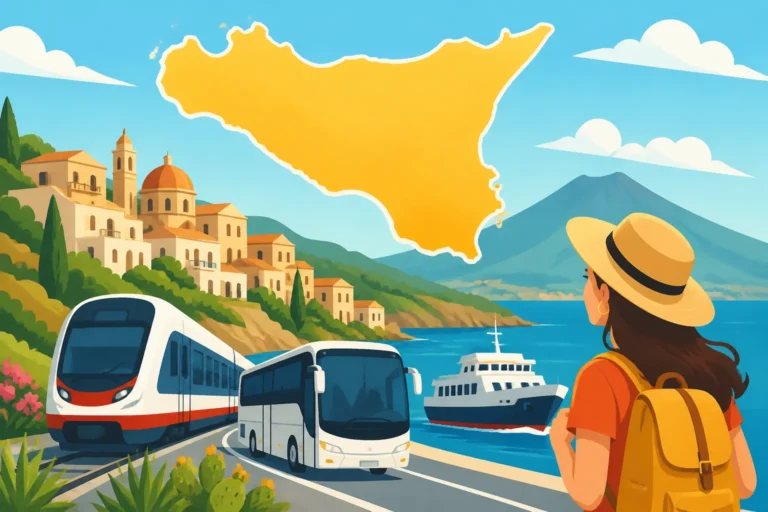
Once in Puglia, a car is highly recommended to fully explore the region. While there are train and bus services connecting major towns, many of the most charming borghi (villages), hidden beaches, and trulli districts are best accessed by car. Driving in Puglia is generally straightforward, though navigating narrow streets in historic centers (often restricted by ZTLs, or Limited Traffic Zones) can be challenging. Always check for ZTL signs to avoid hefty fines. You can find more detailed information on Renting a Car in Italy: ZTLs, Insurance, and Driving Tips. For longer distances within Italy or between regions, consider using train services. Omio is a useful platform that allows you to compare and book train tickets, including high-speed options from Trenitalia and Italo, helping you plan your journey efficiently.
For those who prefer not to drive, consider a combination of regional trains for larger towns and taxis or organized tours for smaller, less accessible areas. Some areas, like the Valle d'Itria, have local bus services, but they may not run as frequently, especially on weekends or during off-season.
Accommodation Options for Every Traveler
Puglia offers a fantastic range of accommodation options to suit every taste and budget. Beyond the unique trulli stays mentioned earlier, you can find charming boutique hotels in the historic centers of towns like Ostuni and Lecce, offering a blend of traditional elegance and modern comfort. For those seeking a rural escape, masserie are a quintessential Puglian experience. These fortified farmhouses, many centuries old, have been beautifully restored into luxurious hotels, charming guesthouses, or self-catering apartments, often surrounded by olive groves and vineyards, complete with swimming pools and excellent restaurants. They offer a tranquil retreat and a taste of authentic country life.
Along the coast, you'll find everything from bustling resort hotels to family-run B&Bs. For independent travelers, self-catering apartments and villas are also widely available, especially through platforms like Booking.com, which can help you find everything from cozy flats to spacious holiday homes. No matter your choice, booking in advance, especially during the peak summer months of July and August, is highly advisable, as Puglia's popularity continues to grow. For more general advice on where to stay, explore Accommodation in Italy: Hotels, B&Bs, and Agriturismi.
Making the Most of Your Trip
To truly enhance your Puglian experience, consider incorporating local activities and tours. GetYourGuide offers a variety of options, from guided walking tours through Alberobello to olive oil tasting experiences at ancient frantoi, or even cooking classes where you can learn to make orecchiette from scratch. These experiences provide deeper insights into the local culture and allow you to connect with the region on a more personal level.
Remember to embrace the local rhythm of life. Italian days often involve a mid-afternoon pause (or siesta), especially in smaller towns, when shops might close. Planning your activities around this can help you avoid disappointment. Enjoy long, leisurely meals, sip your coffee standing at the bar like a local, and take part in the evening passeggiata. Learning a few basic Italian phrases will also go a long way in connecting with locals and enriching your interactions. Puglia is a region that rewards curiosity and a willingness to slow down and savor the moment.
| Town/Area | Key Features | Best For | Main Attraction |
|---|---|---|---|
| Alberobello | UNESCO World Heritage site, hundreds of trulli | Unique cultural experience, photography | Trulli districts (Rione Monti, Rione Aia Piccola) |
| Ostuni | Whitewashed hilltop city, panoramic views, historic center | Charming strolls, authentic atmosphere, dining | Ostuni Cathedral, Piazza della Libertà |
| Polignano a Mare | Cliffside town, dramatic sea views, iconic pebble beach | Coastal beauty, romantic atmosphere, seafood | Lama Monachile beach, sea caves |
| Lecce | "Florence of the South," Baroque architecture, vibrant city life | Art and architecture, cultural immersion, city break | Piazza del Duomo, Basilica di Santa Croce |
| Otranto | Easternmost town of Italy, historic port, stunning cathedral, castle | Coastal history, beach access, exploring medieval streets | Otranto Cathedral (Mosaic), Aragonese Castle |
| Gallipoli | Historic island old town, lively port, beautiful beaches | Lively nightlife, fresh seafood, Ionian beaches | Castello di Gallipoli, Spiaggia della Purità |
| Valle d'Itria | Rolling countryside, trulli, olive groves, charming towns (Locorotondo, Cisternino) | Scenic drives, rural charm, authentic Puglian life | Locorotondo's circular historic center, Cisternino's fornelli pronti |
| Salento Coast | Diverse beaches (sandy & rocky), crystal-clear waters | Beach holidays, water sports, exploring natural pools | Punta Prosciutto, Pescoluse, Grotta della Poesia |
Disclaimer
Please note that travel regulations, entry requirements, and local guidelines can change rapidly. Always check the latest information from official government sources and local authorities before and during your trip to Italy. While we strive to provide accurate and up-to-date information, local conditions and services may vary.